
Emerald salad has gained popularity among lovers of fresh greens. Variety This plant attracts gardeners with its compact shape, large, crisp leaves, and excellent flavor. Its rich composition and low maintenance make it ideal for beginners. It's important to provide the plants with timely and proper care.
Selection
Developed by O. I. Zolotareva, N. I. Timin, and V. A. Vasilevsky in 1996 at the Federal Scientific Center for Vegetable Growing, this variety is suitable for cultivation in all regions of Russia due to its tolerance to various climatic conditions.
Introduction to the variety
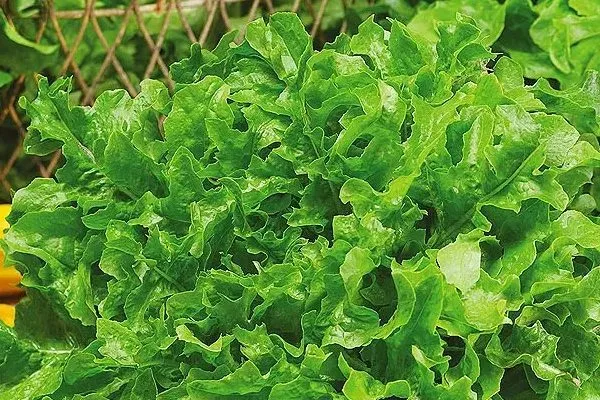
Emerald is a high-yielding, rich-green leafy variety. It features dense, large green foliage. Ideal for fresh salads and garnishes.
It contains vitamins A, C, and K, as well as minerals (calcium and iron), making it beneficial for strengthening the immune system and maintaining healthy bones and skin. It's rich in antioxidants and fiber, which improve digestion and lower blood cholesterol.
The average ripening period is 50-60 days from germination to harvest. Productivity is excellent – 2.4 to 2.8 kg per square meter.
Features of the plant and taste
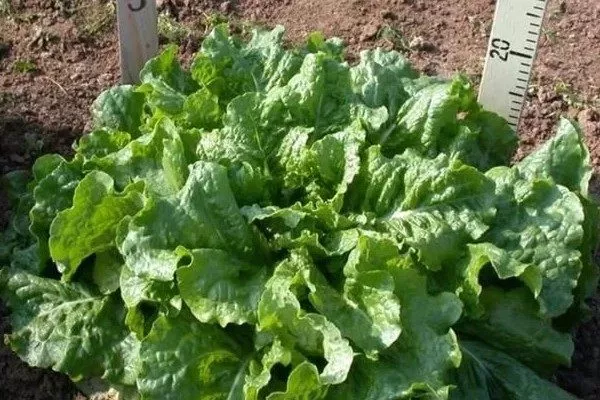
- ✓ The leaves have a slightly wavy edge and a slightly bubbly surface, which is a distinctive feature of the variety.
- ✓ The head of cabbage maintains its density and shape even with minor disruptions in watering, making the variety resistant to stress.
The bushes have a compact habit, reaching 20-30 cm in height. The average weight of a single specimen is 55-65 g. The rosette is slightly raised, and the leaves are obovate. They are dark green, with a slightly wavy edge and a slightly bubbly surface.
Growing and care
To successfully cultivate the crop, it's important to consider several key aspects. Follow these recommendations:
- Choose sunny locations, although lettuce can also grow in partial shade. Choose locations that receive more light, especially during cooler months, to promote healthy growth and better leaf quality.
- The soil should be well-drained, loose, and rich in organic matter. Before sowing, dig the soil to a depth of 20-25 cm, adding compost or humus to improve structure and fertility. The pH should be neutral or slightly acidic (5.5-7).
- Sow seeds directly into open ground in spring or fall when the soil temperature reaches 5-10°C. Place seeds at a depth of 0.5-1 cm, with rows spaced approximately 20 cm apart. For early germination, place seeds in containers and then transplant the seedlings into the ground.
- ✓ The soil pH level should be strictly within 5.5-7.0 for optimal nutrient absorption.
- ✓ The soil must contain at least 3% organic matter to ensure the required level of fertility.
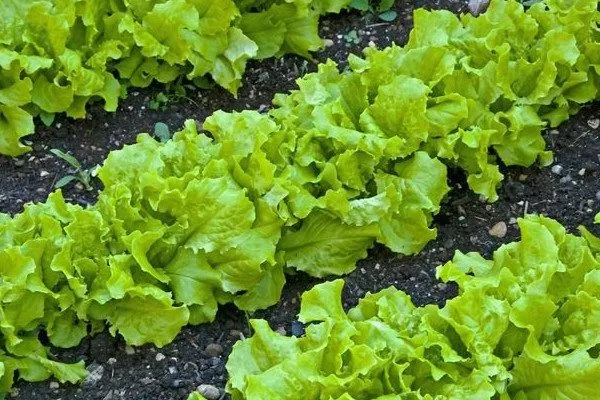
To achieve abundant harvests, it's important to provide the crop with proper care. Follow these simple agricultural practices:
- Watering. Provide regular watering, especially in hot weather. The soil should be moist, but not excessively soggy. Water early in the morning or late in the evening to avoid evaporation.
- Weeding. Remove weeds that may compete with lettuce for nutrients and water.
- Top dressing. Use a complete fertilizer containing nitrogen, phosphorus, and potassium to ensure adequate plant nutrition. Apply it 2-3 weeks after germination.
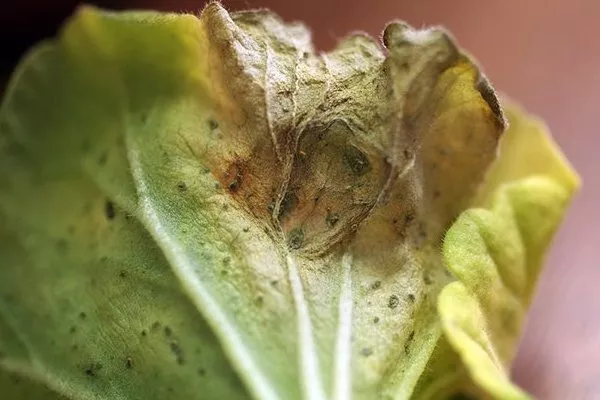
The crop can be susceptible to several diseases and pests. Here are the most common ones and how to control them:
- Powdery mildew. A white powdery coating can cause the leaves to wilt and fall over time. Use fungicides such as Skor or Topaz. To prevent this, ensure good ventilation and avoid overwatering.
- Black rot. Black, water-soaked spots appear and quickly expand. Remove affected plants and treat the remaining ones with Bordeaux mixture or Hom fungicide.
- Aphid. Small insects suck out the sap, causing deformation and yellowing. Spray the plants with insecticides such as Aktara or Fitoverm. Folk remedies such as garlic infusion or soap solution are also effective.
- Slugs. They leave a trail of slimy liquid and eat leaves. Set out beer traps or use Grizzly. Sprinkle chalk or ash around bushes to prevent them from entering.
- Cruciferous flea beetle. Small black beetles eat plants, leaving tiny holes. Insecticides such as Confidor or Decis can help solve the problem.
To successfully control diseases and pests, take preventative measures in a timely manner, keep the beds clean, and monitor the condition of the plantings.
Reviews
Emerald lettuce is an ideal choice for those looking to add variety to their menu. Its large leaves and pleasant flavor make it a wonderful addition to any dish. Easy care and consistent productivity are the variety's best qualities. Following the growing guidelines will ensure bountiful harvests.