
Moskovsky Parnekovy (Moscow Greenhouse) is an early-ripening lettuce variety that Russian gardeners have known and loved for decades. It maintains its popularity thanks to its excellent cold tolerance, wonderful flavor, and the healthful properties of its harvest, as well as its suitability for growing in greenhouses, open garden beds, and in a pot on a windowsill.

Introduction to the variety
A varietal variety of lettuce was developed in 1955 thanks to the efforts of researchers at the All-Russian Research Institute of Vegetable Crops Selection and Seed Production. Their goal was to develop a variety that was resistant to low temperatures and suitable for cultivation in greenhouses or hothouses.
Moscow Greenhouse is approved for cultivation in private gardens located in the following regions of the country:
- Central;
- Volga-Vyatka;
- Central Black Earth;
- Ural;
- West Siberian.
Domestic gardeners cultivate it almost everywhere. It's suitable for indoor cultivation in pots on a windowsill or on a glassed-in balcony. Its many excellent characteristics make it a popular variety. This lettuce offers worthy competition to new varieties.
Description of appearance and taste
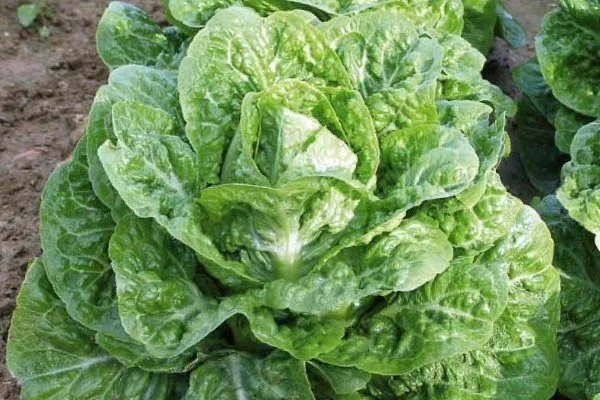
Plants from the Moscow Greenhouse are distinguished by their compact size. They are characterized by the following external features:
- semi-raised type of socket;
- its diameter is from 22 cm to 27 cm;
- Foliage: large, pale green, obovate in shape, with an entire margin and a medium-bubbly oily surface;
- leaf length/width: 14-18 cm/12-17 cm.
Salad greens have a delicate texture and a pleasant, sweet flavor without bitterness. They are juicy and crisp. Their surface is covered with a thin layer of wax, which protects the leaves from drying out.
Moscow Greenhouse greens are intended for fresh consumption. Their culinary uses are quite extensive:
- adding to vegetable salads and mixes consisting of several types of leafy greens;
- food presentation;
- steaming to make a healthy side dish for meat and fish;
- use as an ingredient in soup, stew, sandwich, sauce.
This salad variety pairs perfectly with any vegetables, meat and fish dishes, spices, and herbs. Its flavor is best enhanced by olive oil and lemon juice. In this form, the product provides maximum benefits to the body.
About the beneficial properties of salad
This variety of the vegetable is renowned for its rich nutritional composition. The greens contain abundant vitamins (A, C, E, K, and B vitamins) and minerals (iron, selenium, copper, zinc, and others). They are low in calories (15 kcal/100 g), making them suitable for dietary and therapeutic nutrition.
Nutritionists highlight the following substances among the most beneficial components of lettuce:
- Ascorbic acid100 g of greens contain 50 mg. Vitamin C is essential for a strong immune system, healthy skin, teeth, and bones. It strengthens blood vessels, promotes rapid wound healing, and has anti-inflammatory properties. It is a powerful antioxidant that prevents aging.
- TocopherolOily greens are rich in vitamin E, a beauty vitamin. It improves the condition of skin, hair, and nails, and is beneficial for the eyes. This substance plays a role in metabolism and is essential for the normal functioning of the immune system.
- Folic acidIt is essential for normal heart function, healthy blood vessels, a good appetite, healthy sleep, and strong nerves. The health of the reproductive system depends on it.
Rich in folate, salad greens are a must-have for couples trying to conceive. They also reduce the risk of cancer. - LactucinThis substance helps strengthen the nervous system, relieve stress and anxiety, and harmonize sleep patterns. It promotes reduced salt deposition in the body.
Including fresh Moscow Greenhouse salad in your diet also has other healing effects: preventing blood leukemia, reducing bad cholesterol levels, preventing Alzheimer's disease and brain cell death, and fighting fungal and bacterial infections.
Moscow Salad – Main Characteristics
This variety is an early-ripening leaf lettuce. The crop ripens 30-40 days after emergence. Under unfavorable conditions, this period can increase to 50 days.
The list of other technical characteristics of the Moscow greenhouse includes:
- marketable yield - from 2.5 to 4.1 kg per 1 sq. m of salad planting (100-200 g of greens per 1 plant);
- high cold resistance (the vegetable crop can withstand cold temperatures down to -6°C);
- excellent shade tolerance;
- good immunity (plants are moderately resistant to sclerotinia, gray mold, septoria, and downy mildew).
How to grow a good harvest?
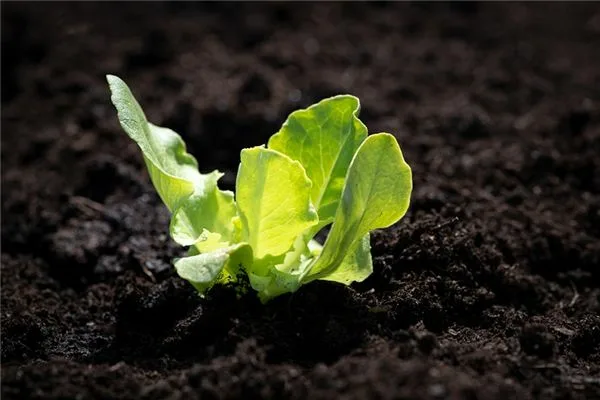
Growing this vegetable crop is not difficult. Gardeners cultivate it using two methods:
- sowing seeds in garden soil;
- through seedlings.
This variety is designed for greenhouse harvesting. It can be successfully grown in open garden plots and indoors (in boxes and pots on a windowsill).
Features of garden bed layout
When choosing a location in your garden for a salad bed, remember that this vegetable crop loves the sun. Although it tolerates shade well, it prefers to grow in well-lit areas. These areas should be well-ventilated but protected from gusts of wind and drafts.
Lettuce thrives in normal soil quality. Acidic, saline, or heavy clay soils are unsuitable for growing. Plant the variety in loam, black soil, sod-podzolic, and even sandy soil. For best results, the soil should have the following characteristics:
- be loose;
- light;
- with good drainage;
- neutral in acidity or slightly alkaline (from 6 to 7.2 pH);
- fertile;
- previously used for growing row crops, grains, and legumes.
- ✓ The soil pH level should be strictly within the range of 6.0-7.2 for optimal nutrient absorption.
- ✓ The soil should have a high water-holding capacity, but at the same time be well-drained.
How to prepare the soil for planting
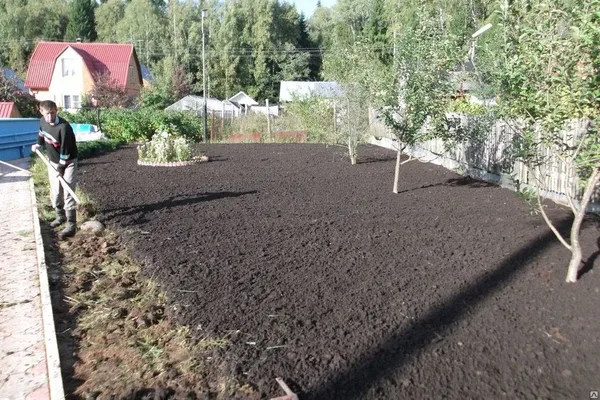
Prepare the area for growing lettuce in advance. In the fall, dig it over, clearing away weeds, their roots, and plant debris. Enrich the soil with organic matter:
- cow manure (consumption rate - 10 liters per 1 sq. m);
- or compost (consumption - 20 l or 7-10 kg per 1 sq. m of bed).
Sowing Moscow Greenhouse lettuce
To get a rich harvest of salad greens, follow the timing and rules for sowing the variety:
- sow vegetable seeds in the greenhouse from March to September;
- Sow lettuce in an open bed from April to August;
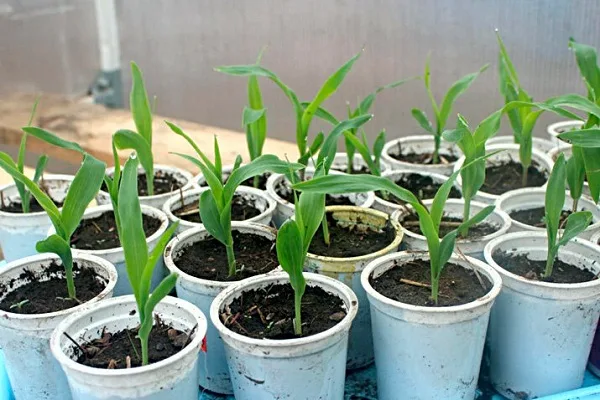
- To obtain seedlings, start sowing in March and April, and transfer the seedlings to the garden in May-June;
- The seedling method of growing will allow you to speed up the receipt of the first harvest by 3-4 weeks;
- When sowing, plant the seeds in the soil to a depth of 1-2 cm;
- maintain a sowing spacing of 6 cm (row spacing of 25 cm);
- When sowing the crop in open ground, monitor its temperature (the indicator should be at least +15°C);
- Sow Moscow Greenhouse every 2 weeks to have fresh, vitamin-rich greens on your table throughout the summer and into early autumn.
Basic recommendations for growing
For good growth and development of lettuce plants in the garden bed, proper care is required, which includes the following procedures:
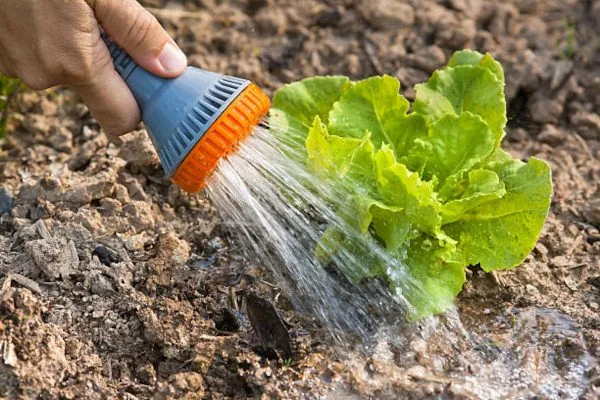
- WateringThe crop loves moisture. The soil in which it grows should always be moist. Avoid waterlogging of the garden soil. Such conditions increase the risk of plant diseases and rot.
Water your lettuce bed sparingly at the beginning of the growing season. Water more generously during the later stages. Do this every other day or daily in the evening (or morning). Apply sun-warmed water through furrows or use drip irrigation. - Weeding and looseningLoosen the soil between rows to improve aeration. Break up the air-tight crust that forms on the soil in the days following watering or rain.
Regularly weed the garden bed to preserve nutrients and moisture in the soil, prevent lettuce from becoming infected with fungi, viruses, and pathogenic bacteria, and reduce the risk of pest damage. - Top dressingThe best fertilizer for a Moscow greenhouse is organic. Use rotted manure, humus, or compost. Apply them in September, using 7-10 kg per square meter. Water the greenery bed weekly with liquid nutrient solutions rich in nitrogen and phosphorus.
Agrotechnical subtleties
Growing Moscow Greenhouse lettuce is easy if you know all the agricultural details:
- do not plant too densely; plant no more than 30 lettuce bushes per 1 square meter of area;
- After the seedlings appear, do not forget to thin out the planting, leaving a distance of 10-15 cm between plants;
- Sow vegetable seeds multiple times throughout the season, at intervals of 14-20 days;
- Grow lettuce after potatoes and cabbage, which are the best predecessors for it;
- well-fertilized soil with drainage will contribute to better development of bushes and a rich harvest;
- Immediately after transplanting the seedlings to the garden, water them with a Humate solution so that the seedlings can more easily cope with stress and take root faster in the new place;
- Provide frequent watering of the plantings (if the plants in the garden bed do not receive enough moisture, the juiciness and taste of the lettuce leaves will suffer and they will start to taste bitter);
- do not neglect fertilizing;
- Provide the bed with plenty of sunlight (its deficiency provokes the formation of a loose head of cabbage).
When can I harvest?
Begin harvesting immediately after the leaf rosette has formed. If you miss this moment, the stems will begin to elongate rapidly, which will deteriorate their flavor. When harvesting, the lettuce head should be pulled out by the roots. This method helps preserve the juiciness and marketability of the harvest.
Reviews
Moskovsky Parnekovy (Moscow Greenhouse) is a popular domestic variety developed in the 1950s. It remains popular today. Gardeners love it for its early maturity, ease of maintenance, excellent leaf flavor, and the ability to grow it in a greenhouse from early spring to late fall. With proper, minimal care, this variety delights gardeners with an abundance of healthy and delicious greens.