
The Buterbrod salad is a favorite among those who appreciate its fresh, crisp leaves. Its popularity stems from its excellent taste and high yield. This variety often complements various dishes. Proper care and a little attention are essential to ensure a bountiful harvest.
Selection
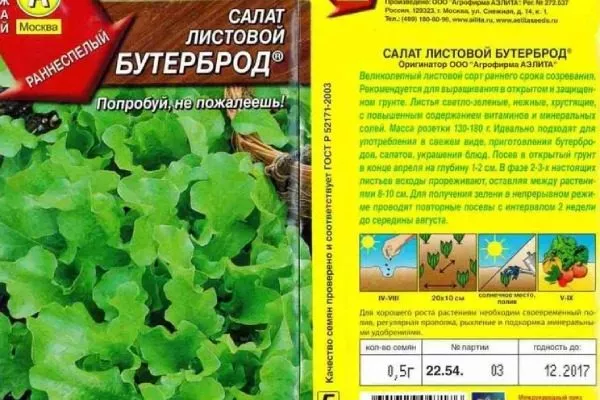
Developed in 2010 by breeders V. G. Kachainik, M. N. Gulkin, and N. V. Nastenko with the assistance of Agrofirm Aelita LLC. Recommended for cultivation in all regions of Russia.
Introduction to the variety
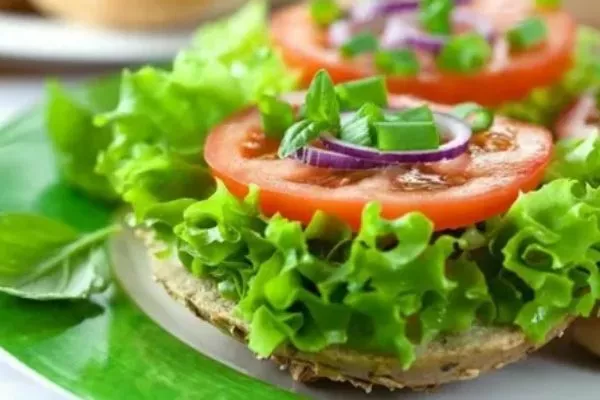
Greens are used to make fresh salads, sandwiches, and appetizers. They contain vitamins A, C, and K, as well as minerals (potassium, calcium, and iron), which support the immune system and improve the condition of skin and hair.
Greens are rich in antioxidants, helping improve digestion, normalize metabolism, and support heart health. Consuming them promotes detoxification and maintains overall vitality.
Features of the plant and taste
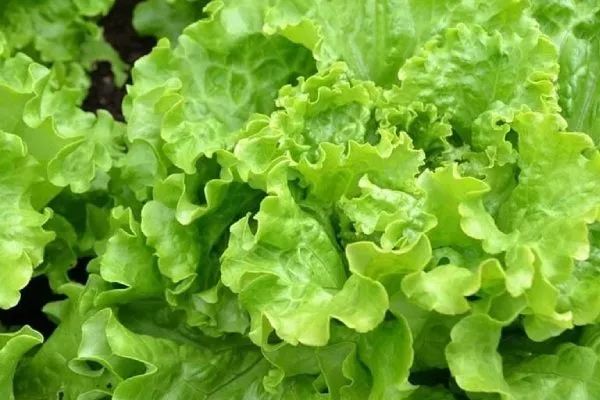
Large, triangular leaves, yellow-green in color, have slightly wavy edges and occasional small notches at the tips. Each bush weighs approximately 180 g. The semi-erect rosette grows up to 20 cm in height and up to 30 cm in diameter.
The crisp leaves have a pleasant flavor. They pair beautifully with a variety of foods—vegetables, fruits, meat, and fish—adding texture and flavor.
Growing and care
This is a cold-hardy crop, so seeds are often sown before winter, in late October or early November. In spring, sow in April or May. For a continuous harvest, sow for 1-1.5 weeks until mid-August.
Follow these recommendations:
- Choose an open, well-lit area with loose, fertile soil (pH 6-7). Loamy, chernozem, sandy, and carbonate soils are ideal. Heavy and clayey soils are not suitable.
- Good predecessors include zucchini, cucumbers, early cabbage, and potatoes grown with fertilizer. Lettuce grows well next to radishes, cabbage, turnips, peas, spinach, strawberries, and tomatoes.
- Onion plantings are protected from aphids.
- Prepare the area in advance by digging and adding rotted manure or compost (10 liters per square meter). In the spring, add 5 g of potassium sulfate, 20 g of superphosphate, and 20-40 g of Rastvorin per square meter. On acidic soils, replace it with the same amount of nitrophoska and add 200 g of dolomite flour.
- Pre-mix the planting material with sand (2:1) and sow in furrows 0.5-1 cm deep with row spacing of 15-20 cm.
- Thinning should be carried out after the seedlings have emerged en masse, leaving 6-8 cm between bushes. Perform this procedure in two stages.
- ✓ The soil pH level should be strictly within 6-7; for accurate measurement, use a pH meter.
- ✓ The soil must be well drained to avoid water stagnation and root rot.

Provide the crop with comprehensive care. Follow standard agricultural practices:
- Regularly weed, water, and loosen the soil around the plants. Remove weeds at the same time.
- Water the seedlings once a week, preferably in the morning or evening. Sprinkler irrigation is effective.
- Once heads begin to form, reduce watering to prevent rot.
- On hot days, irrigate at night.

Reviews
Sandwich lettuce has earned a well-deserved place in many gardens thanks to its versatility and ease of care. Its large, crisp leaves complement any dish. With proper attention and minimal care, it will delight you with high-quality greens and reward you with generous harvests.