
Maximus lettuce is a versatile and sophisticated ingredient that can be used as the basis for a variety of dishes. It combines superb flavor with excellent agronomic qualities. Its juiciness and crisp texture have made this variety popular among gardeners. Proper and comprehensive care are essential for a bountiful harvest.
Introduction to the variety
This is a headed variety of Romano, developed by Rijk Zwaan Zaadteelt En Zaadhandel BV in 2008 and approved for use in 2010.
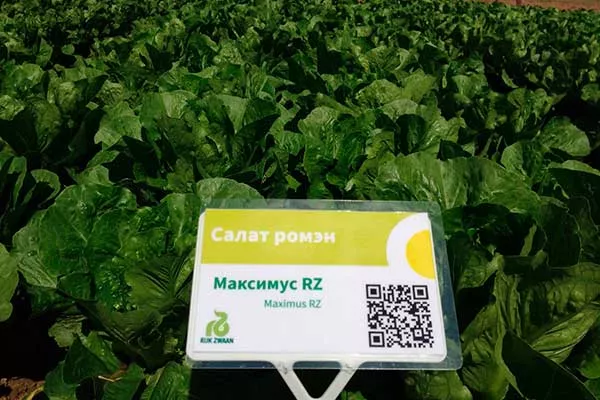
The average yield is approximately 5.2 kg per 1 sq. m. The crop is resistant to drought and bolting, and is virtually not susceptible to marginal burns and internal necrosis.
The salad has a number of beneficial properties:
- It is low in calories, making it an excellent choice for people watching their weight.
- Contains up to 95% water, which helps hydrate the body and maintain normal fluid levels.
- It is a source of vitamins A, C and K, which are important for healthy skin, vision and the immune system.
- Rich in potassium, calcium and magnesium, they normalize blood pressure, strengthen bones and muscle function.
- Antioxidants in the composition help fight free radicals, reducing the risk of chronic diseases.
- Due to its high fiber content, it improves digestion and normalizes blood sugar levels.
- Vitamins and minerals help strengthen the immune system and protect the body from infections.
- Antioxidants and potassium promote cardiovascular health.
The variety's maturation period ranges from 70 to 80 days from sowing to harvest. This allows for fresh, crisp heads of cabbage to be produced quickly, making it an ideal choice for the summer garden.
Description of appearance and taste
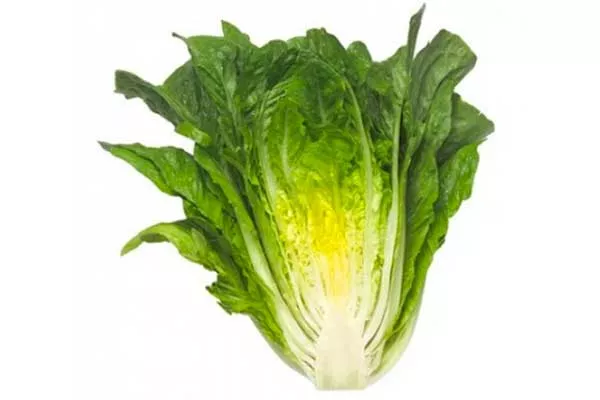
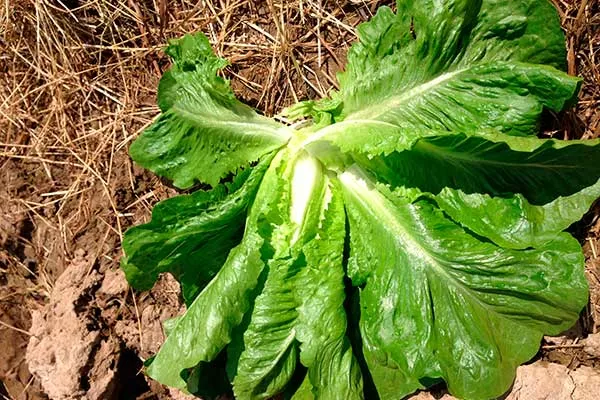
The plant forms an erect or semi-erect rosette of leaves, reaching a height of approximately 35 cm. The heads are elongated-oval, approximately 30 cm in diameter, and weigh up to 760 g. The leaves are large, elliptical, with a slightly wavy edge and a slightly bubbly surface.
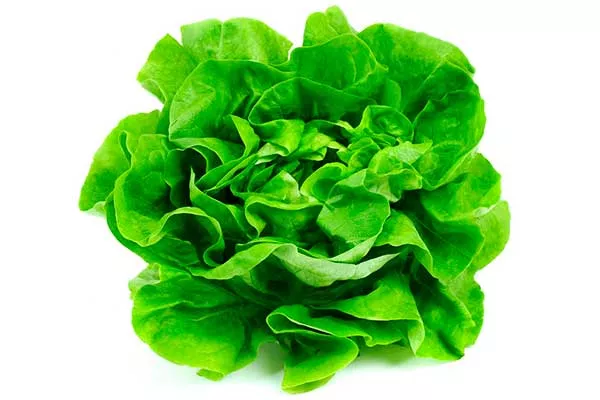
The leaves range in color from green to dark green. The flavor is pleasant and refreshing. The greens are used in appetizers, burgers and wraps, vegetable mixes, and when serving cold cuts, etc.
Planting and growing
Maximus lettuce prefers sunny or semi-shaded areas with good air circulation. The optimal location is light, well-drained soil enriched with organic fertilizer. Avoid areas with stagnant moisture.
- ✓ Soil pH should be in the range of 6.0-7.0 for optimal nutrient absorption.
- ✓ The soil must contain at least 3% organic matter to ensure the necessary structure and water-holding capacity.
Follow the cultivation rules:
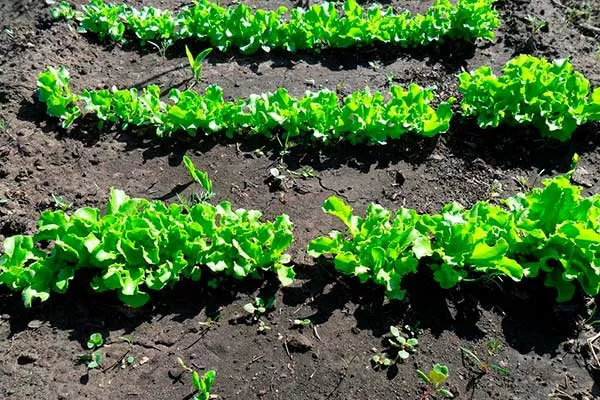
- Sow seeds outdoors or in a greenhouse. Sow seeds in the garden in early spring, as soon as the soil temperature reaches 10°C. For an early harvest, sow from late winter to early spring. Select new planting sites every 2-3 weeks to ensure a continuous harvest.
- Prepare the site in advance: dig the soil to a depth of 20-25 cm, remove weeds and stones. Add organic fertilizer (compost or humus) to enrich the soil with nutrients.
- When sowing in a greenhouse, sow seeds in containers or trays at a depth of 1-2 cm. Ensure they are evenly distributed. In open ground, make furrows 30 cm apart, planting the seeds 1-2 cm deep. Maintain a spacing of 20-25 cm within a row.
- Moisten the soil generously with warm water.
Crop care includes a number of agricultural measures:
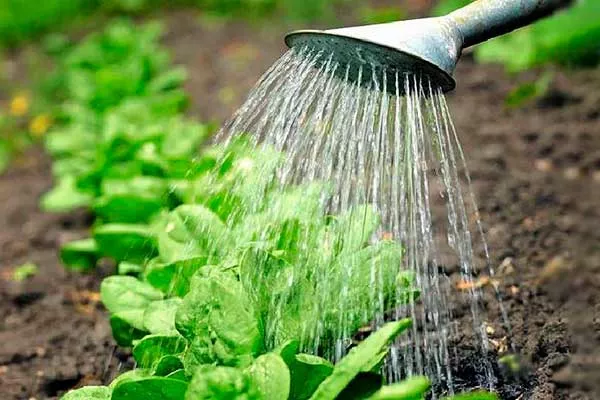
- Watering. Water the plants regularly, especially in dry weather. Keep the soil moist, but avoid standing water.
- Top dressing. Apply complex mineral fertilizers 2-3 weeks after germination. Repeat applications every 3-4 weeks.
- Weeding. Regularly remove weeds that may compete with lettuce for nutrients and water.
- Ventilation. If you are growing plants in a greenhouse, ensure good ventilation to prevent moisture build-up and disease.
Maximus lettuce has a strong immune system, but if not properly cared for, it can be susceptible to diseases and insect infestations:
| Pest/Disease | Symptoms | Treatment methods |
| Aphid | The leaves turn yellow, curl, and sticky secretions appear. | Treatment with insecticides, for example, Confidor. |
| Slugs | Damaged leaves with characteristic marks. | Setting traps, spraying with special preparations. |
| Peronosporosis | Yellow spots on the upper side, grey coating on the bottom. | Use of fungicides, such as Alirin-B. |
| Powdery mildew | White coating, yellowing and dying of leaves. | Use of sulfur-based or copper-containing fungicides. |
| Fusarium | Wilting and yellowing, wilting of plants. | Removal of affected specimens, treatment with Fundazol. |
| Marginal burns | Brown edges, they may be drying out. | Moistening the soil, observing the watering regime. |
Reviews
Maximus lettuce has many positive qualities, making it a prized vegetable among gardeners. It boasts excellent productivity, strong immunity, and excellent flavor. This variety continues to gain popularity thanks to its generous harvests with minimal care. By following simple rules and recommendations, you can grow high-quality plants.