
Lettuce is a moisture-loving, cold-hardy, and early-maturing plant. Heads of lettuce form 1-1.5 months after sowing, and the leaves are ready to eat 3-4 weeks after planting. This green will delight gardeners as early as early spring, and can be used in salads or simply as a side dish.
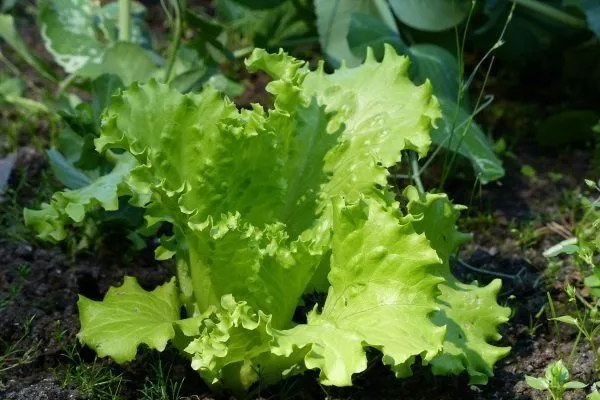
Lettuce
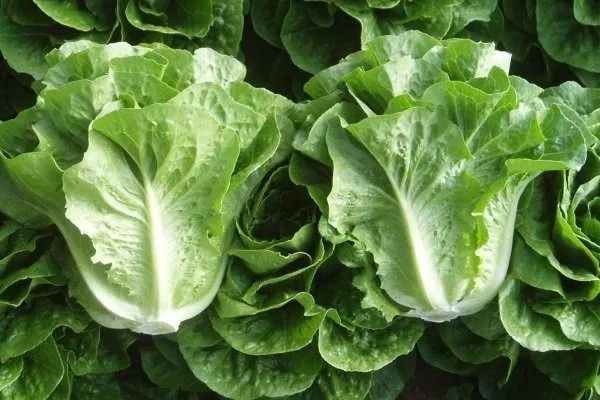
Lettuce is grown on an industrial scale and sold worldwide.
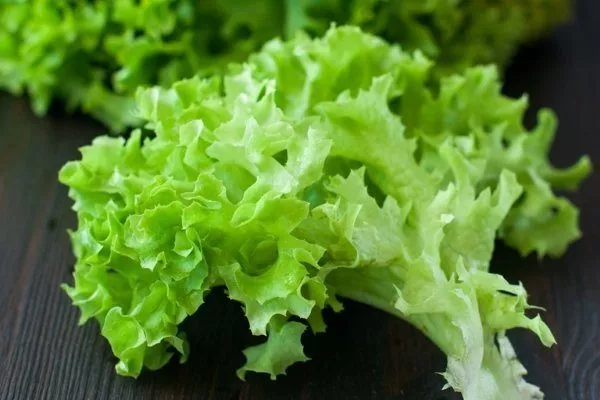
Lettuce is eaten as a source of nutrients.
Description of types and varieties of lettuce
| Name | Ripening period | Productivity | Cold resistance |
|---|---|---|---|
| Lettuce | 25-30 days | High | High |
| Bubbles | 30-35 days | Average | Average |
| Batavian Red Sales Leaf | 45-50 days | Low | Low |
Lettuce is a herbaceous annual plant. It is especially popular in Europe and North America. Its main advantages include good cold tolerance, high yields, and relatively early maturity. The lettuce varieties grown in our country have a slightly bitter taste, so they are not in high demand.
Lettuce is a frost-resistant, early-ripening, and self-pollinating plant. Four varieties of this lettuce are used in private farms and large-scale vegetable production:
- puff;
- head-shaped;
- chamomile;
- stem.
This lettuce genus is very widespread, with over a hundred varieties, all growing in temperate regions of Europe and Asia. Of course, not all of them are edible.
Besides cultivated varieties, lettuce also includes many weeds, but it is best known as L. Salvia, or garden lettuce. This species has been cultivated for several thousand years. It is believed to have descended from L. Serriola, the prickly lettuce whose seeds are used to produce oil.
Varieties of this crop include annuals, biennials, and perennials. They also vary in size, with plants ranging from 10 to 180 cm.
If you wait until lettuce blooms, you'll see that the flowers belong to the Asteraceae family. They have fairly large inflorescences made up of smaller lilac or yellow flowers.
Inedible varieties of lettuce contain a special sedative substance, which has a calming effect and is used in the treatment of certain diseases.
The following varieties of lettuce are distinguished:
- Lettuce. A leafy annual plant with large, fleshy leaves. The most popular variety is iceberg lettuce, which resembles light green cabbage. Romaine lettuce is also known, with tall, upright stems and attractive leaves.
- Bubbles.This lettuce has wavy leaves and a slightly sweet, slightly nutty flavor. The variety is also divided into subvarieties:
- Frisbee - has fairly dense heads of bright green leaves with a wavy surface;
- Green bowl is a leaf lettuce that can be cut throughout the summer, has bright green leaves and a finely wavy texture;
- Lolly bionda is a leaf lettuce that does not have a distinct core, but has decorative wavy leaves, so it is often used to decorate areas and borders.
- Batavian Red Sales Leaf.This variety has wrinkled, dark leaves with a reddish tint. It is considered more durable, but is slow to produce new shoots. Its subvariety, Rouge D'Ivcre, is a special red-leafed variety that is cut in winter.
Each of these varieties has its own characteristics. Some are characterized by excellent flavor, while others are suitable only for garden decoration, but every farmer will surely be able to find a variety that suits their preferences.
Advantages and disadvantages
Among the main advantages of the culture, the following characteristics can be noted:
- tolerates cold well;
- is early maturing and produces a harvest quickly;
- can produce crops almost all year round;
- It contains many vitamins, minerals and other substances that are useful for humans;
- has a pleasant appearance and good taste;
- It is not too difficult to care for and is suitable for a novice gardener.
Gardeners were unable to identify any specific disadvantages to growing this plant.
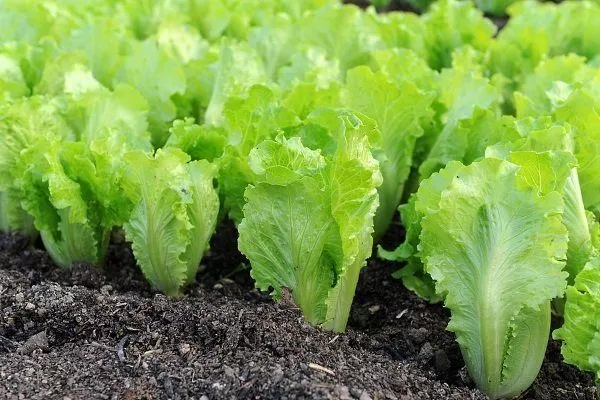
Beneficial properties
All of the lettuce's beneficial properties are found in its milky juice, or the alkaloid lactucine. It gives the leaves their bitter taste and is a natural sedative.
Lettuce is not only a low-calorie and dietary plant (only 15 kcal per 100 g), but also quickly creates a feeling of satiety during lunch due to its high fiber content.
Fresh juice from this plant is effective for stomach ailments and gastritis. As a sedative, the juice is taken orally, diluted with water.
Landing rules
Lettuce is an easy-to-grow vegetable, but if standard care isn't followed, it can become tough, bitter, and even die. Following basic care guidelines will ensure you'll be able to harvest succulent green leaves throughout the summer.
Leafy lettuce varieties are grown by sowing seeds into the soil, while head lettuce and the Romaine, Easy Leaf, and Salanova sub-varieties can be grown from seedlings.
You can plant leaf lettuce 2-3 times during the summer.
Selecting a location and soil
The best soil is light, humus-rich, and neutral. To ensure beautiful and tasty leaves, plants need sufficient space to grow and develop.
- ✓ Soil pH should be between 6.0-6.8 to ensure optimal nutrient absorption.
- ✓ The soil must have good drainage to avoid water stagnation and root rot.
Leafy lettuce requires a 15x15 cm plot per plant, while cabbage lettuce requires a 25x25 cm plot. Planting too densely attracts insects, pests, and diseases.
Preparatory work before planting
Lettuce prefers light soil. It's best to sow in May so the soil is warm enough. Make small furrows in the beds, spacing them about 30 cm apart. The furrow depth should be 1-1.5 cm.
Predecessors and neighborhood with other plants
Lettuce grows best in beds previously occupied by potatoes, tomatoes, and cabbage. Cabbage is a good choice for planting near lettuce, as it can protect the plant from various pests, particularly the cruciferous flea beetle.
Planting lettuce seeds
The seeds are planted in rows in moistened soil, 1-1.5 cm deep, and lightly covered with soil. To ensure proper lettuce growth, the sprouted seeds must be thinned out to ensure adequate soil coverage.
Lettuce seeds are quite small, so they are planted by hand, trying to space them at least 15 cm apart.
Growing seedlings
Once the seeds have sprouted, they must be thinned. The first time, remove the excess sprouts when the seedlings have three full leaves. The second thinning procedure is carried out 11-14 days later, so that the distance between plants is at least 10 cm.
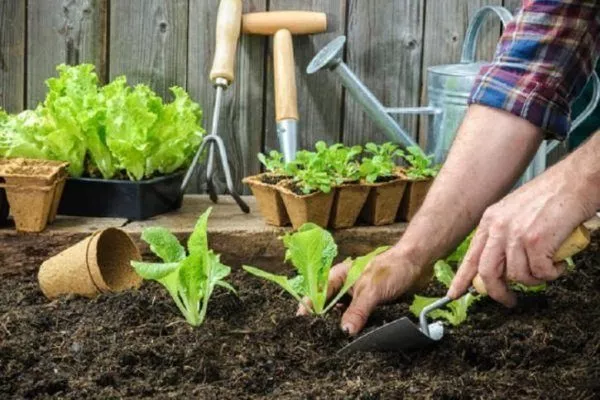
To ensure you have fresh greens all summer long, you need to plant new seedlings periodically – every 2 weeks.
Caring for Lettuce
The vegetation period of this plant varies depending on the variety and care conditions. For example, leafy varieties can be eaten 25-30 days after germination, while cabbage varieties can only be eaten after 45-70 days.
To ensure a vibrant lettuce harvest with vibrant greens and a rich flavor, it's essential to provide adequate water and thin it out regularly. Mature plants should be thinned 1.5 months after planting, when they have 4-5 primary leaves. Each individual plant should be spaced approximately 25 cm apart.
If you miss the deadline and thin out plants with 6-7 leaves, this can seriously damage the root system of the lettuce, which in turn will attract soil pathogens to the bush.
One of this plant's properties is its ability to accumulate various substances from the soil, both beneficial and harmful, such as heavy metals, pesticides, and nitrates. Therefore, only clean, uncontaminated soil, away from any sources of toxic substances, is used for planting.
- ✓ Yellowing leaves may indicate a nitrogen deficiency.
- ✓ Brown edges on leaves may be a sign of potassium deficiency.
Optimize the timing of fertilizing and feeding your plants. You can use special varieties bred to be resistant to harmful elements, such as Azart or Moskovsky Parnikovy. Remember that, like any other greens, lettuce should not be fertilized with pesticides.
Watering and fertilizing
If your soil is normal and fertile, you don't need to worry about fertilizing. However, nitrogen fertilizers are always a good idea. Use fertilizers to promote fuller, more lush foliage. Manure or compost are ideal fertilizers for lettuce.
Lettuce thrives on nitrogen, phosphorus, and potassium. If you can create fertile, neutral soil and fertilize it with nitrogen, you'll get a third more lettuce than usual. Micronutrient supplementation increases yield and improves quality.
Try to apply organic matter in the fall so the plant has time to absorb it. Also remember that the plant doesn't tolerate salty soil, as it can cause leaf burns. Mulching will help prevent this.
Lettuce has a shallow root system, so it requires regular, abundant watering. The soil shouldn't be too wet; mulching is essential to prevent the plant from attracting insects and snails.
Insufficient water can cause lettuce to sprout prematurely, while overwatering can cause gray mold on the leaves. It's best to water lettuce 2-3 times a week, with ample water, in the evening.
Pests and diseases of lettuce
The most common pests affecting this plant are slugs, wireworms, and leaf aphids. Spunbond and Lutrasil are good options for protection against leaf aphids.
To get rid of slugs, lay roofing felt or old boards between the rows. Slugs will crawl underneath them, making them easy to collect. Repeat this procedure as often as possible. Sprinkle the edges of the plot with quicklime; insects hate it, so it will be a good barrier.
If wireworms have appeared in the area where you plan to plant lettuce, you should take preventative measures. Two weeks before planting, place bait (potatoes, carrots, or beets) around the entire perimeter, buried 4-6 cm deep. After a few days, collect and destroy the insects.
Lettuce can be affected by diseases such as:
- blackleg;
- white and gray rot;
- downy mildew.
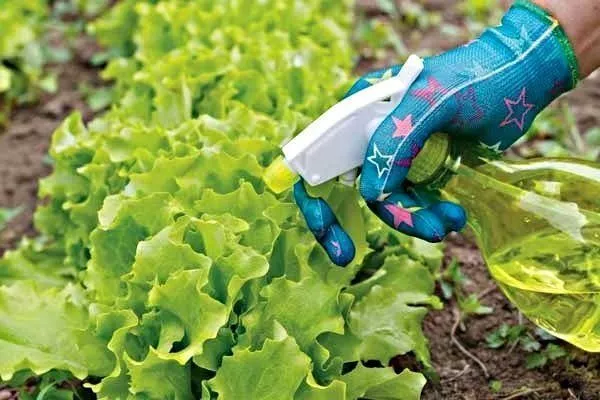
To minimize the risk of infection, rotate vegetable crops in your garden. It's important to monitor the soil's condition and avoid overwatering, as this will create a favorable environment for various diseases.
Harvesting and storage
To prolong the harvest, try adding new plants every 8-11 days. If direct sowing, leave at least 20 cm between seeds. For fuller foliage, plant widely.
Keep an eye on the leaves, don't allow new stems to appear, and trim off any leaves early. A new stem means the lettuce is ready to flower. In the case of lettuce, allowing it to flower will significantly affect its flavor.
The plant's delicate leaves wilt and rot very quickly, so try to cut only enough leaves for a single use, without storing them in reserve. Cut leaves can be placed in a container of water to preserve their flavor for as long as possible, but don't store the salad for more than 24 hours.
Gardeners' reviews of lettuce
Lettuce is an excellent choice for both the novice gardener and the experienced gardener. It's quite easy to grow and doesn't require any special conditions; the main thing is to plant it in suitable soil and maintain its condition. If you follow all the proper care instructions, lettuce will surely delight you with its bright green foliage and excellent flavor.