
Lalique lettuce is a relatively new variety, but has already gained popularity among gardeners thanks to its high productivity and excellent flavor. The plant is characterized by a strong immune system and numerous beneficial qualities. With proper care and preventative measures, it can yield bountiful harvests.
Introduction to the variety
This new variety of iceberg lettuce was developed by Reinink Kornelius in 2017. It belongs to the leafy varieties and is intended for fresh consumption. Under favorable conditions, productivity reaches 5.5 kg per square meter.
- ✓ Resistance to temporary temperature drops down to -2°C.
- ✓ High growth rate: from sowing to harvest 45-50 days.
Greens have a rich composition, which makes them an important component of a healthy diet:
- It is an excellent source of vitamins A, C, K, and B vitamins. Vitamin A is essential for healthy skin and vision, vitamin C supports the immune system, vitamin K is important for blood clotting, and B vitamins are involved in metabolism.
- Minerals (calcium, iron, magnesium and potassium) play a key role in maintaining healthy bones, heart function and the nervous system.
- Antioxidants help protect cells from damage caused by free radicals. This reduces the risk of chronic diseases such as cardiovascular disease and cancer.
- A large amount of fiber helps normalize digestion and improve metabolism.
- Flavonoids and phytochemicals have anti-inflammatory properties and may improve overall health.
Including greens in your diet helps strengthen your immune system, improve digestion, and support overall health.
Description of appearance and taste
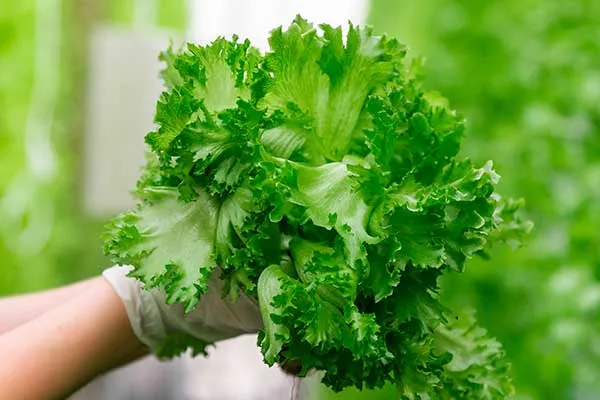
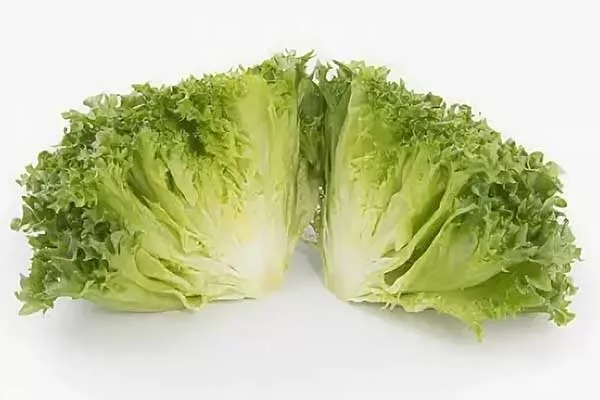
The plant is compact, reaching 10-15 cm in height, with a diameter ranging from 7 to 18 cm. A single head weighs approximately 500 g. The upright rosette consists of large, rounded, grayish-green leaves. They have a double-toothed, curly margin and a slightly blistered surface.

Agrotechnical subtleties
Growing lettuce is a fun and easy process that allows you to enjoy fresh, healthy leaves year-round. Here are the key steps and recommendations for a bountiful harvest:
- The plant prefers light, fertile, and well-drained soil with a pH of 6-7. Before planting, add organic fertilizers, such as compost or humus, to improve the soil structure.
- Plant in spring or fall. In greenhouses, sow seeds year-round.
- Plant the seeds to a depth of about 0.5 cm and cover with a layer of soil. Leave 20-30 cm between rows and 15-25 cm between plants to ensure adequate growing space.
- ✓ Optimum soil temperature for sowing: 10-15°C.
- ✓ Required soil moisture before sowing: 70-75% of the total moisture capacity.
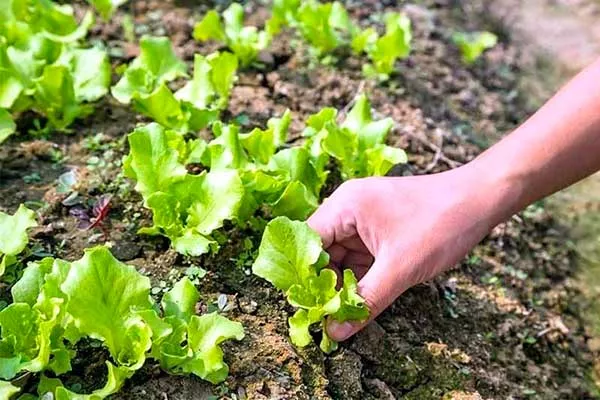
Provide the crop with comprehensive care. Follow standard agricultural practices:
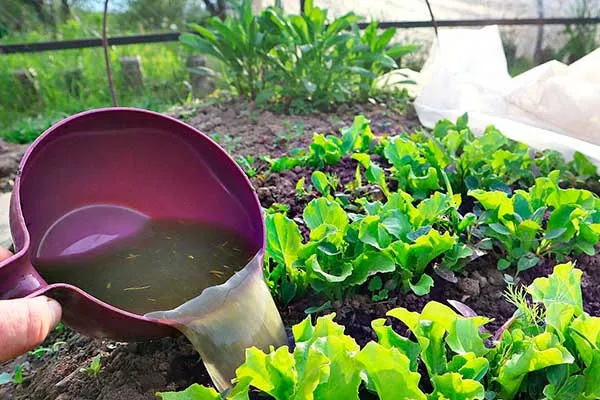
- Watering. Plants require regular watering, especially in dry weather. Spray the bushes with warm water, making sure not to let any drips fall on the leaves, as this can increase the risk of disease.

- Top dressing. Apply liquid organic fertilizers or low-nitrogen solutions to stimulate growth and development.

Lalique, like other varieties, is susceptible to a number of diseases and insect attacks. With improper care or inappropriate conditions, the following problems may arise:
- Peronosporosis. Light yellow spots appear on the upper side of the leaves, which eventually turn brown and dry out. A grayish coating is visible on the underside. Spray with fungicides: copper sulfate, Ridomil Gold, or Ordan. Remove and burn affected plants.
- Fusarium wilt. It manifests itself as yellowing and drying out. It spreads from the lower part. The head does not form properly, and the plant appears weak and wilted. Use Trichoderma-based biological products (Trichodermin). The fungicide Previkur is effective. Remove damaged bushes and treat the soil.
- Aphid. Small green or black insects on the underside of leaves. They feed on plant sap, causing deformation and weakening. Treat with soapy water, garlic or onion peel infusions, biological products (Fitoverm, Actofit), or insecticides (Actellic).
- Leaf roller. The caterpillars twist and consume the leaves, leaving them gnawed. The biological product Bitoxibacillin or the insecticide Lepidocide can help combat the pest.
Harvest the lettuce when it reaches a suitable size. Cut the leaves at ground level or as needed to allow the plant to continue growing. Fresh lettuce is best eaten immediately, but you can store it in the refrigerator in a plastic bag or container for up to 7 days.
Reviews
Lalique lettuce combines compact size, disease resistance, and a delicate, sweet flavor. These characteristics make it an ideal choice for a variety of dishes. It's relatively easy to grow and will reward you with generous harvests and high quality, provided it receives timely and proper care.