
Cook lettuce is a popular variety that has deservedly earned recognition among gardeners thanks to its excellent taste and minimal maintenance. It boasts high yields and is resilient to a variety of weather conditions, making it suitable for growing in virtually any region. However, proper care and proper upkeep are essential.
Selection
Application for approval No. 58367 was filed on January 12, 2012. The originator of the variety is the company "RIJK ZWAAN ZAADTEELT EN ZAADHANDEL BV", located at Burgemeester Crezeelaan 40, PO Box 40, 2678 ZG De Lier, the Netherlands.
Introduction to the variety
This crop is noted for its good resistance to adverse weather conditions and various diseases, making it suitable for a wide range of climates. The variety is suitable for both open-field and greenhouse cultivation.
It adapts well to various soil types and conditions, maintaining high-quality yields even with minimal maintenance. Kuk is rich in nutrients and contains components important for health.
It consists of:
- Vitamins. High content of vitamins A, C, K and B group, which help strengthen the immune system, improve vision, maintain healthy skin and help with metabolic processes in the body.
- Minerals. Contains calcium, magnesium, potassium and iron, which are important for bone health, normal heart function and improved blood circulation.
- Antioxidants. Carotenoids and flavonoids protect cells from oxidative stress and reduce the risk of chronic diseases.
- Dietary fiber. Fiber improves gastrointestinal function, normalizes digestion, and helps maintain healthy blood sugar levels.
It contains minimal calories, making it an excellent choice for dietary nutrition and maintaining a healthy weight. This mid-season variety ripens in 20-25 days. It is highly productive, yielding an average of 2.6 kg per square meter.
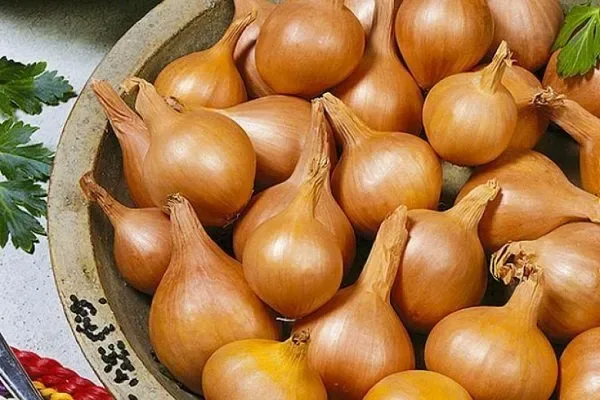
Features of the plant and taste
It grows up to 12 cm in height, with a head reaching 18 cm in diameter and weighing approximately 350 g. The rosette of leaves varies from semi-erect to appressed, and the leaves are medium-sized (10-12 cm). They are oblong, with pointed tips, dark green in color, slightly wavy at the edges, slightly bubbly, and have 5-6 veins.
Growing and care
Begin planting by preparing the site. Choose a well-lit spot with loose, fertile soil. Before sowing, dig the soil, clear away weeds, and add organic fertilizer (humus or compost).
- ✓ Soil pH should be between 6.0-7.0 for optimal nutrient absorption.
- ✓ The soil must have good drainage to avoid water stagnation and root rot.
Adviсe:
- Sowing should be done in open ground from the end of April, when the soil warms up to +10-12°C, or use the seedling method of growing.
- Sow the seeds to a depth of 0.5-1 cm, leaving a distance of 25-30 cm between rows. The optimal planting pattern is 10-15 cm between plants.
- To obtain an earlier harvest, cover the crops with film or agrofibre.
In greenhouses and hotbeds, carry out the event year-round, maintaining the temperature and humidity levels.
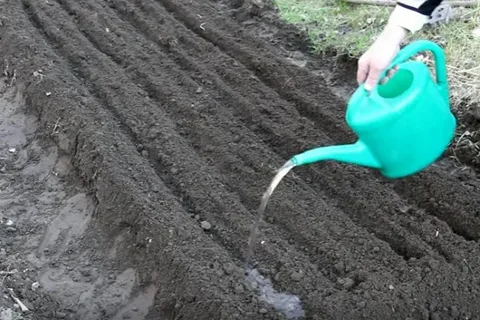
Follow the care recommendations:
- Maintain moderate humidity, avoiding drying out or overwatering. Water regularly but moderately, preferably in the morning or evening, using warm, settled water. Water the plant at the roots, avoiding moisture from getting on the leaves to help prevent disease.
- After the seedlings emerge and the plants reach a height of 5-7 cm, thin out the plantings, leaving the strongest and healthiest specimens.
- Loosen the soil to improve air circulation and remove weeds.
- During the growing season, apply 1-2 applications of complex mineral fertilizers with a high nitrogen content to stimulate the growth of green mass.
- To prevent diseases and pests, use safe biological preparations or infusions based on garlic and onion peels.
- The crop responds well to soil mulching, which helps retain moisture and suppress weed growth.
Reviews
The Cook variety of lettuce is an excellent choice for both novice and experienced gardeners. Thanks to its low maintenance, good productivity, and pleasant flavor, this variety is becoming increasingly popular in home gardens. It's ideal for appetizers and garnishing dishes, maintaining its quality even after harvest. The key is to follow simple gardening practices.