
The Odessa lettuce variety Kucheryavets was registered with the State Agricultural Station in Odessa and is classified as a semi-headed, mid-season variety. It is suitable for cultivation both in open gardens and plastic greenhouses. Experienced gardeners have learned to achieve good yields by sowing in seedling boxes.
History of selection
The Kucheryavets Odesskiy salad, also known as Kucheryavets Odesskiy, was created in 1953 through the efforts of the Sortsemovoshch Vegetable Seed Association, which worked in collaboration with other organizations.
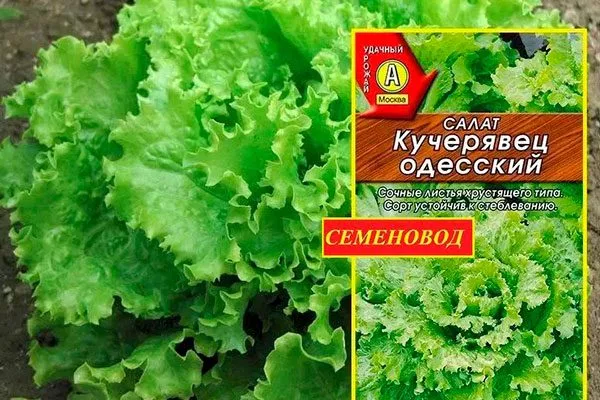
The list of development participants includes:
- Agrofirm Aelita LLC;
- JSC Scientific and Production Company "Russian Seeds"
- Niyazi Mehyeddin Nasrullaev, Volnoye Farm;
- Chelyabinsk Research Institute of Selection and Seed Production of Vegetable Crops, which is a division of Heterosis Selection LLC;
- LLC "Gavrish Breeding Company"
Introduction to the variety
This "salad bowl" has won the hearts of Russian gardeners, becoming one of the most sought-after and valuable varieties. It belongs to the group of mid-late varieties—the period from the appearance of the first green leaves to the time the heads are ready for harvesting typically takes 60-75 days. These greens are renowned for their long shelf life and resistance to transportation.
It's especially worth noting that this variety has increased resistance to rot, septoria, and downy mildew. Another unique feature of this lettuce is its productivity. The average yield is approximately 2.7-2.8 kg per square meter.
Characteristics of appearance
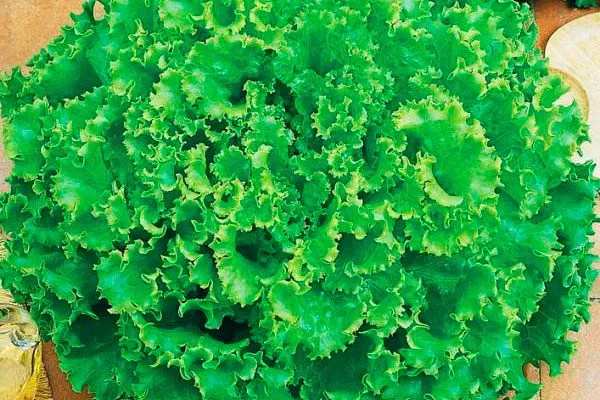
The inflorescence of the Odessky lettuce ranges from 24 to 32 cm in diameter. The leaves are gathered into a loose cluster, each weighing between 190 and 210 g. Other characteristics of the honeycomb:
- The leaves of this lettuce are distinguished by their entire edges, fan-shaped form and light green color.
- They have a characteristic structure where the surface of the plate alternates between swollen and depressed areas that do not converge towards the center of the leaf.
- The edges of the leaves are decorated with small curls and two teeth.
- The flavor of the Odessky Kucheravets salad is a combination of a crisp texture, a slightly coarse character, and juiciness.
Beneficial properties
Odessa curly-leaved sage stands out among its relatives for its significant mineral content. Its leaves contain numerous valuable elements:
- This plant is particularly rich in iron, making it an essential component of a diet for the prevention of anemia, according to medical recommendations.
- It is rich in building materials for cells, including calcium, magnesium, phosphorus, and sulfur.
- Zinc, manganese, cobalt and copper have antioxidant properties, helping to rejuvenate the skin and remove free radicals from the body.
- Potassium plays a key role in maintaining salt balance.
- The soft dietary fiber present in the salad stimulates the work of all parts of the gastrointestinal tract.
- Vitamins A, C, PP and folic acid, which are not synthesized by the body, can be compensated for with the help of this “curly one”.
Features of cultivation
There are several options for growing this wonderful vegetable:
- planting in greenhouse conditions;

- sowing in an open area;
- breeding on a balcony or windowsill.

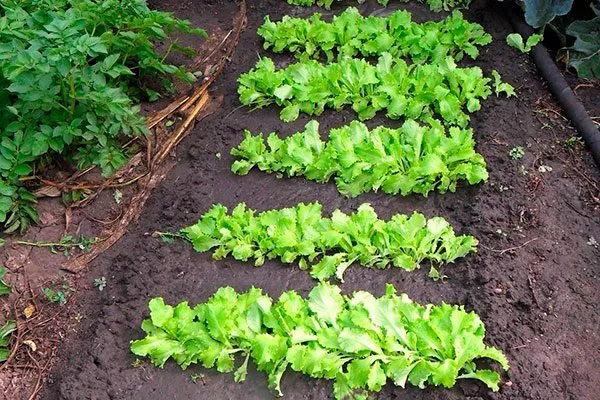
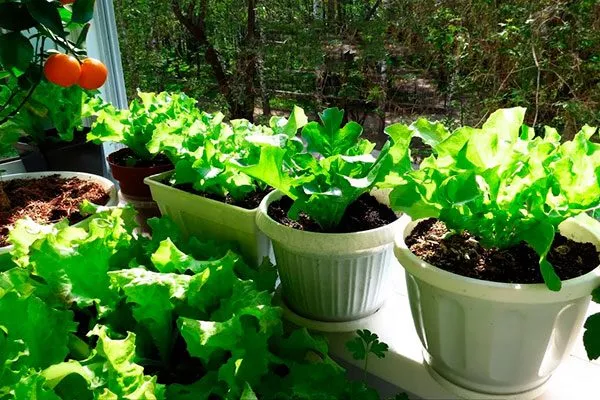
Each of these approaches has its advantages. By growing vegetables on your patio, you can enjoy fresh greens year-round. Using greenhouse conditions, you can harvest long before spring. And beginner gardeners can easily grow vegetables outdoors.
Planting dates for crops
Thanks to its ability to withstand light frosts, it's recommended to sow the Odessky Kucheravets lettuce outdoors when the soil begins to warm up slightly. This usually occurs in mid-April.
- ✓ Optimum soil temperature for sowing: +5°C to +10°C.
- ✓ Seed sowing depth: 1-2 cm, followed by light compaction of the soil to improve seed contact with moisture.
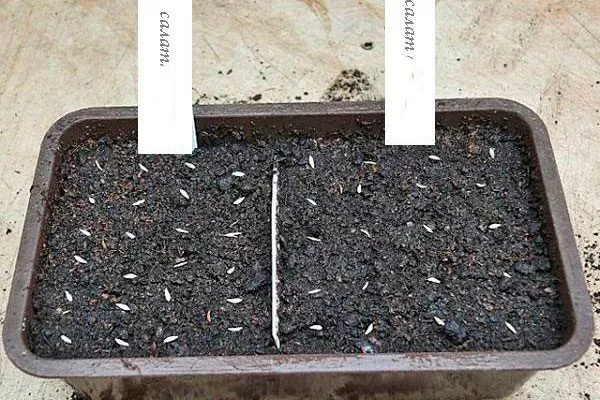
To ensure a continuous supply of fresh greens, it's recommended to sow lettuce at two-week intervals. For an early harvest, lettuce can be sown in a greenhouse as early as March 1-5.
Lettuce's properties also make it suitable for winter sowing. It can be planted as early as early November. To prevent early germination, the soil should be covered with a layer of peat. In the spring, the seeds will germinate and produce an early harvest.
Preparing the garden bed
The Odessky lettuce, grown outdoors, prefers soft, filtered light. If sown in full sun, it will immediately form a flower stalk. Once this occurs, the leaves become unfit for consumption due to a sharp increase in bitterness. Meanwhile, lettuce grown in full shade can accumulate nitrates, which are dangerous to health.
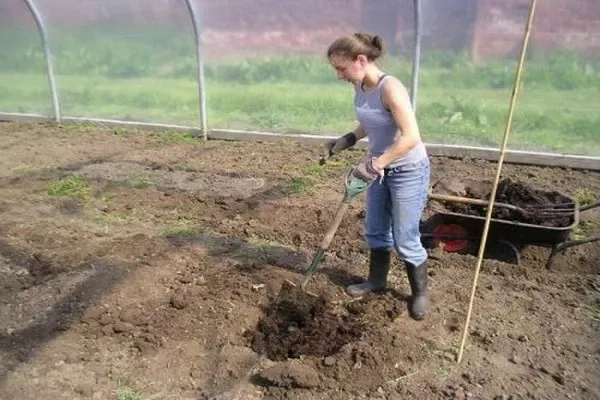
Before sowing, the soil should be enriched with organic matter. This is best done in the fall, adding 10-12 kg of humus or compost per square meter. The soil substrate should be airy and have a neutral pH. It is not recommended to dig the prepared bed; simply loosening it is sufficient.
Open ground sowing technology
The initial stage of growing Odessa Kucheryavets lettuce involves disinfecting the seeds. To do this:
- the seeds are placed in a solution of manganese for 15 minutes;
- then rinse thoroughly;
- then dried.
In the bed designated for lettuce, create furrows spaced 18-22 cm apart. Bury the seeds 1-2 cm deep and lightly cover with soil. Seeds can be planted densely, as later, selective removal of weaker seedlings will be necessary, leaving the healthiest plants.
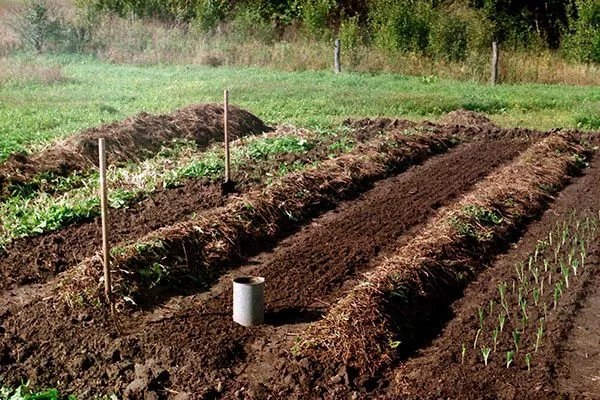
Lettuce can also be grown in winter. The steps are similar, but there are a few differences:
- After sowing, it is not recommended to spray the bed;
- the soil must be tightly compacted;
- In the spring, after the snow melts, the first green shoots will appear - they should be thinned out by carefully spraying with warm water.
Healthy greenery on the balcony
You can avoid vitamin deficiencies this winter by growing lettuce right in your apartment. The process is simple:
- Prepare a suitable container for it: this could be a pot, a box, or a plastic container. It's important that the sides are at least 10-12 cm high.
- Create a substrate by mixing equal parts compost, sand, and soil from your garden bed. Crushed stone or small bricks are suitable for drainage.
- Fill the container 3/4 full with substrate, level it, and make depressions in the soil with an interval of 2.5-3 cm between them.
- Place 2 seeds in each hole.
- Cover the top with soil and water generously.
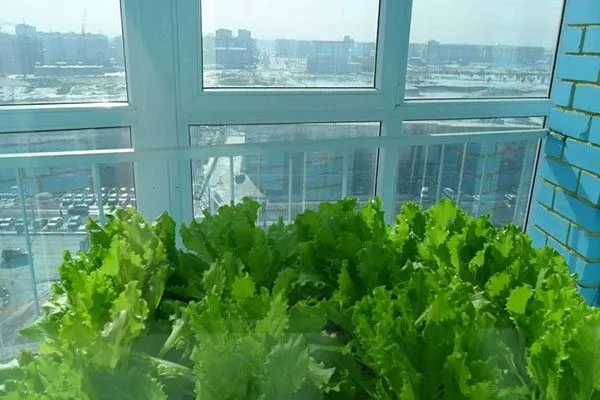
Maintain a room temperature of at least 20-22°C. Water when the soil begins to dry out. Remove weeds regularly to prevent mold growth. Remove any damaged plants from the pot promptly.
Care instructions
To ensure optimal growth of the Odessky Kucheravtsya lettuce, it is necessary to carefully monitor its care, including the following steps:
- weeding;
- loosening the soil;
- careful moisturizing.

Other subtleties of agricultural technology:
- If the soil is properly prepared, lettuce can be grown without additional fertilizer. However, on poor soils, experts recommend using organic mixtures such as mullein, compost, or vermicompost.
- Mulching around the bushes will help prevent the top layer from drying out and the appearance of weeds.
- During the winter growing period, the plant requires artificial lighting using special lamps.
- The leaves are cut in the early morning hours, when the lettuce rosettes are still fresh.
- It is recommended not to wash cut lettuce to prevent it from spoiling quickly.
- The salad should be stored in the refrigerator, carefully wrapped in cling film, where it will remain fresh for 1.5-2 weeks.
Protection from diseases and insects
Like any flowering plant, the Kucheryavets Odesskiy lettuce has its own characteristics and susceptibility to diseases and insects. It's important to closely monitor the lettuce's condition and take timely measures to protect it from potential harmful factors.
Positive and negative qualities
Gardeners highlight the attractiveness and marketability of this lettuce, which can serve not only as a source of nutrients but also as a landscape decoration.
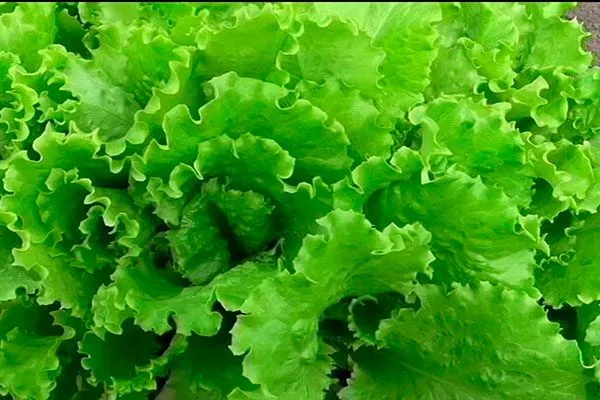
The Kucheryavets Odesskiy salad has an excellent taste: the leaves are not bitter, are juicy and tender, and pair perfectly with other products.
No disadvantages have been identified for this variety.
Gardeners have long appreciated the neatness and grace of this lettuce's rosettes. They grow it not only to enjoy fresh greens but also to decorate their gardens and festive dishes.
Gardeners' reviews
Kucheryavets Odessky lettuce is a leafy green that can be grown year-round: outdoors, in a greenhouse, or on a windowsill. This plant requires little care, produces a competitive harvest, and responds well to watering. Its beautiful appearance makes it a beautiful addition to your table.