
Large-headed lettuce is one of the most interesting and sought-after greens for growing in the garden. Thanks to its large size and excellent flavor, it has gained popularity among gardeners and cooks. This crop will reward you with a bountiful harvest, but only if you follow proper cultivation practices.
Introduction to the variety
This is one of the most interesting and beneficial varieties of greens. It has a pleasant taste and high mineral requirements. Its rich composition makes it a valuable element of a healthy diet. It contains many beneficial substances:
- Vitamins A, C and K. Vitamin A supports healthy skin and vision, vitamin C strengthens the immune system, and vitamin K is important for bones and blood vessels.
- Minerals. Potassium helps normalize blood pressure, calcium strengthens bones and teeth, magnesium supports the nervous system, and iron is necessary to prevent anemia.
- Fiber. Helps maintain digestive health and helps normalize blood sugar levels.
- Folic acid. Important for cellular metabolism and nervous system health.
Beneficial properties:
- strengthens the cardiovascular system and reduces the risk of heart disease;
- helps strengthen the body's immune defenses and fight infections;
- helps improve hemoglobin levels in the blood, preventing the development of anemia;
- maintains healthy skin and improves vision, preventing the development of night blindness and other eye problems.
- normalizes digestion, preventing constipation and helping to improve metabolism.
This is a mid-season variety, ripening in 54-67 days. It is characterized by good resistance to bolting, making it attractive for cultivation. The average yield is approximately 4.6 kg per square meter.
Description of appearance and taste
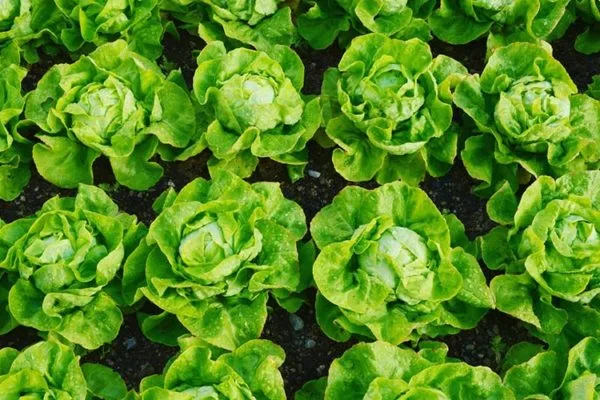
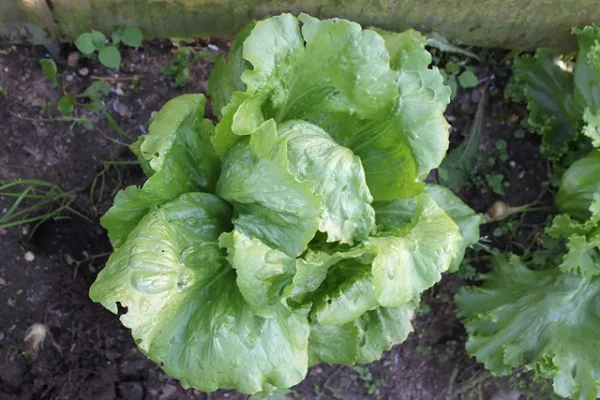
The plant forms a semi-erect rosette, 15 to 20 cm tall and 31 to 36 cm in diameter. A single head weighs between 300 and 320 g. The leaves are rounded, light green with a yellowish tint. Their edges are slightly wavy, and the surface is bubbly. They are crisp and have a delicate flavor.
Usage
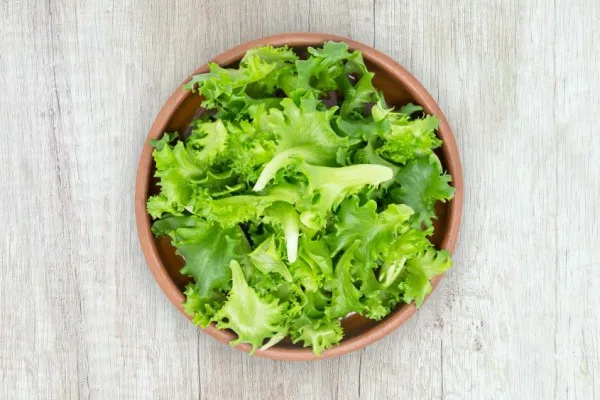
The Large Cabbage variety is suitable for fresh consumption, salads, appetizers, and hot dishes. It can also be dried and frozen, making delicious smoothies and healthy drinks.
Planting lettuce
Growing this crop is very easy. It requires little maintenance and adapts easily to a variety of conditions, making it an excellent choice for both experienced and inexperienced gardeners.
Work time
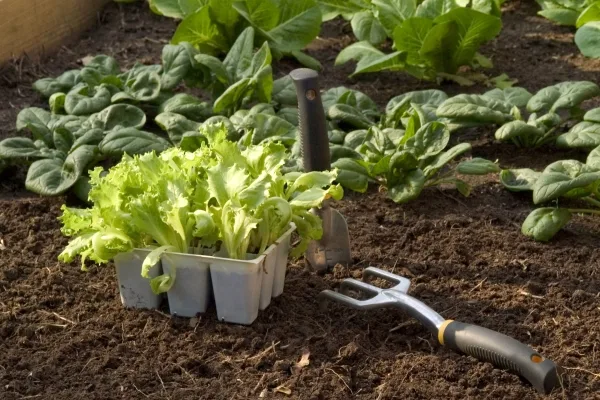
Plant seedlings under cover from the second half of April to the first ten days of May, and in open ground from the second ten days of May to the third ten days of June. The exact timing depends on the region and weather conditions.
Soil composition for planting
Prepare the planting site in advance. Dig over the soil and add rotted manure or compost (10 kg per square meter). In the spring, when loosening the soil, add 5 g of potassium sulfate, 20 g of superphosphate, and 20-40 g of solution per square meter.
Size of the planting hole
Sow in furrows 0.5-1 cm deep. The distance between beds should be at least 40 cm, and the interval between plants in a row should be 30 cm.
Landing site
Choose an open, well-lit area. The soil should be loose and fertile, containing essential micronutrients and organic matter. Good predecessors for lettuce include zucchini, cucumbers, early cabbage, and potatoes.
- ✓ The soil pH level should be strictly within 6-7, deviations can lead to poor absorption of nutrients.
- ✓ The soil must contain at least 3% humus to ensure sufficient nutrition for the plant.
Required soil
The soil should be fertile, loose, moderately moist, and rich in humus. Loamy, chernozem, or calcareous soils with a pH of 6-7 are best.
Preparing and sowing seeds
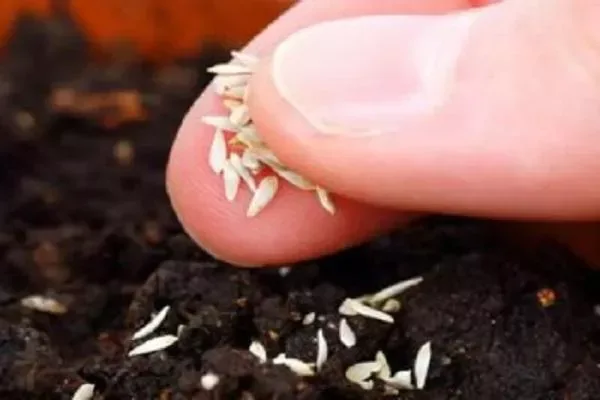
Pre-soak the seedlings in a pink potassium permanganate solution for 2-3 hours. Then spread the solution evenly over the surface of the substrate, without covering it, but rather burying it no more than 10 mm deep. Plant the seeds in the pre-moistened furrows.
Agrotechnical subtleties
To ensure a good harvest, it's important to follow certain recommendations. Follow simple care procedures to avoid any potential problems and strengthen your plants' immune systems.
Watering
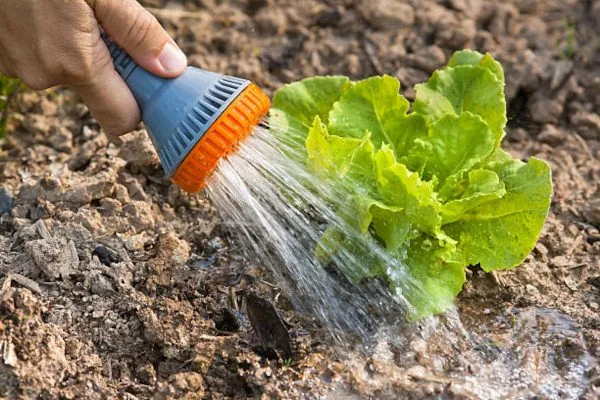
Provide the plant with moderate and regular watering. The soil should remain slightly moist, but avoid overwatering to prevent root rot. Use warm, settled water. Apply water into furrows or holes, being careful not to get wet the leaves.
Fertilizer
The crop requires sufficient nutrients. Apply organic fertilizers (compost or rotted manure) and complex mineral fertilizers containing nitrogen, phosphorus, and potassium. Fertilize the greens 2-3 weeks after emergence and repeat as needed.
Other events
Regular thinning of seedlings is important to ensure optimal spacing between plants. This promotes good growth and prevents overcrowding. Regularly loosen the soil to improve aeration and prevent crusting.
Diseases and pests of lettuce
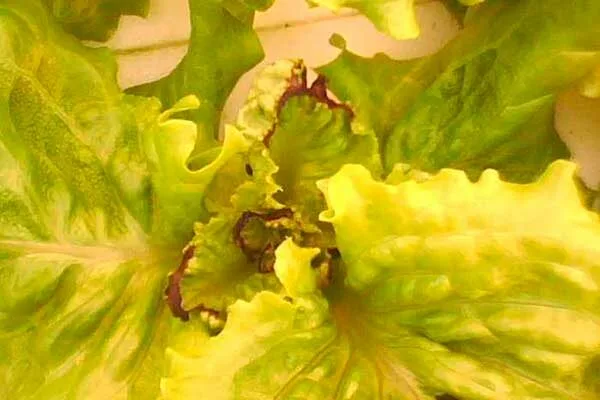
The plant has a strong immune system, but in some cases, including improper care, it can be susceptible to insect attacks and disease. It's important to begin treatment promptly:
| Disease/Pest | Symptoms | Prevention | Struggle |
| Powdery mildew | It attacks cabbage heads, shoots, and foliage, slowing their development and growth. A white, powdery coating forms on affected areas, especially noticeable on seed heads during flowering and ripening.
The disease actively develops with sharp temperature changes between day and night.
| Follow crop rotation rules, avoid dense plantings, promptly remove affected parts, and clear the area of plant debris at the end of the growing season. | Before sowing seeds, water the bed with a copper sulfate solution (5 liters per 1 square meter). Do not treat affected plants with chemicals. |
| Gray and white rot | Caused by the botrytis fungus, it attacks foliage and shoots, forming brown necrotic spots that spread rapidly. White rot penetrates foliage and shoots, forming a white, flaky coating.
Both diseases are especially active in damp and rainy weather. | Follow crop rotation rules, remove weeds and diseased leaves, clear the area of plant debris in the fall, and monitor the nitrogen level in the soil. | Avoid treating with chemicals to prevent toxic substances from accumulating in the foliage. Spray the bed with a copper sulfate solution (5 liters per square meter) before planting. |
| Aphid | It infests shoots, flowers, and foliage, causing discoloration, curling, and mosaic-like coloration. This weakens the foliage and promotes the development of viral diseases. | Attract natural enemies of aphids by planting nectar-producing plants (e.g. carrots, dill, phacelia) and keeping them in the flowering phase for as long as possible. | Spray with infusions of green potato tops (1.2 kg per 10 l of water), onion peels (200 g per 10 l of water) or green dandelion leaves (400 g per 10 l of water). |
| Salad fly | It poses a danger to seed plants, gnawing at inflorescences and damaging seeds. Larvae, which migrate into the soil, make pest control difficult. | Remove damaged inflorescences and dig up the area in the fall. | To effectively control larvae, use the BI-58 preparation, treating plantings at a concentration of 0.2% (20 g per 10 l of water). |
| Means | Concentration | Efficiency | Period of validity |
|---|---|---|---|
| Green potato tops | 1.2 kg per 10 liters of water | High | 3-5 days |
| Onion peel | 200 g per 10 liters of water | Average | 2-3 days |
| Green dandelion leaves | 400 g per 10 liters of water | Low | 1-2 days |
Reviews
Large-headed cabbage is a reliable choice for those who want a high-quality green harvest with minimal effort. Its large, crisp leaves, along with its ease of growing, make it an excellent choice for both fresh salad lovers and those preparing for winter. By following simple cultivation techniques, you can reap bountiful harvests.