
The Kitezh lettuce is one of the most popular varieties on the market. It attracts the attention of gardeners and gourmets due to its high productivity and ease of cultivation. It successfully combines both flavor and agronomic qualities, making it an ideal choice even for beginners. The key is to ensure modern and proper care.
Introduction to the variety
This hybrid combines the characteristics of butterhead and iceberg varieties. It was developed by specialists V. G. Kachainik and A. V. Kandoba from the Aelita agricultural firm. It was included in the State Register in 2006, following registration in 2005.
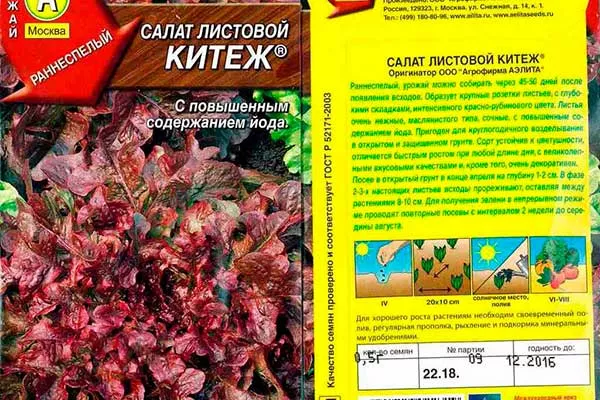
The crop is successfully grown in open ground, greenhouses, and indoors. It is characterized by high yields, averaging 2.5 kg per square meter.
Description of appearance and taste
It belongs to the large varieties – the height reaches 20-25 cm, and the diameter grows up to 25 cm. Other distinctive qualities:
- The weight of one plant (head) ranges from 300 to 350 g.
- The rosette is erect, and the leaves are oblong, slightly curled at the ends.
- The greens are colored reddish with a pronounced anthocyanin tint.
- The edges of the leaves are slightly wavy, the surface is slightly bubbly and has characteristic notches at the tips.
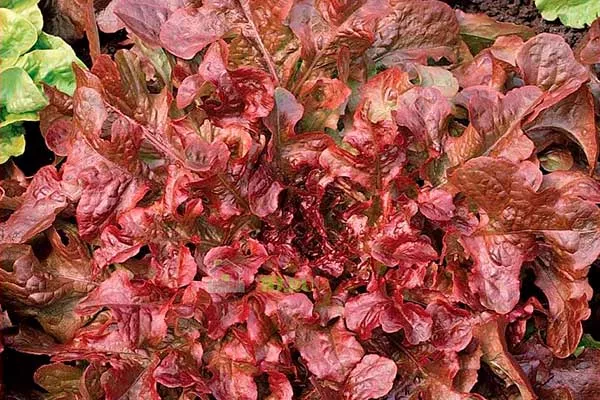
The crispy green mass has excellent taste.
Health benefits of red leaf lettuce
Culture is an indispensable aid in the fight against excess weight. Nutritionists recommend its consumption by people suffering from varying degrees of obesity and those with gastrointestinal problems.
This salad is beneficial for those with cardiovascular disease and atherosclerosis, as it helps cleanse blood vessels. It's rich in vitamins and microelements, including:
- Vitamin C – strengthens the immune system and blood vessels.
- Vitamin K – necessary for normal blood clotting.
- Vitamin A – improves vision and maintains healthy skin.
- Folic acid – is important for improving the health of the nervous system.
- Potassium – regulates water-salt balance and stabilizes heart function.
- Iron – participates in hematopoiesis and prevents anemia.
Thanks to the coarse fiber in its leaves, red leaf lettuce helps curb hunger and improve bowel function. The beneficial substances contained in the greens have a beneficial effect on the condition of hair and skin, promoting rejuvenation and strengthening of hair follicles.
Kitezh Salad in Cooking
The greens are ideal for preparing a variety of dishes. The leaves are used in vegetable mixes, as side dishes for meat and fish dishes, and for making appetizers and soups.
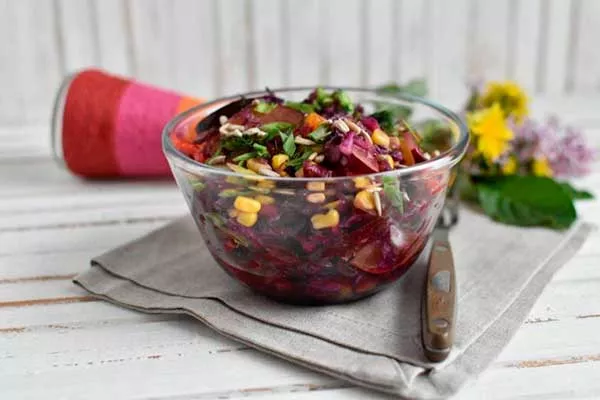
With its rich flavor and juicy texture, this variety is a wonderful addition to any culinary creation.
Planting and growing
The variety prefers sunny, well-lit sites protected from strong winds. Ideal predecessors include legumes, onions, garlic, and potatoes. Avoid growing the hybrid in beds previously occupied by cabbage crops, as this may increase the risk of disease.
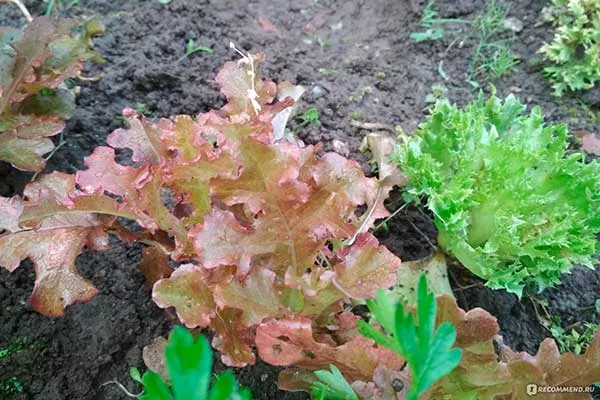
Follow these recommendations:
- Practice crop rotation to prevent the spread of diseases and insect attacks.
- Dig the area to a depth of 20-25 cm. Add organic fertilizers (compost or humus) and mineral components (for example, superphosphate and potassium salt) in accordance with the recommendations for your region.
- After digging, loosen the soil to ensure good aeration.
- Sow seeds outdoors in spring when the soil warms to 15°C. Plant them 1-2 cm deep. A row spacing of 20-25 cm is recommended. Leave 10-15 cm between plants.
- ✓ The optimal soil temperature for sowing seeds should not be below +15°C, which is not indicated in the article.
- ✓ The distance between plants should be 10-15 cm, and between rows 20-25 cm to ensure sufficient aeration and lighting.
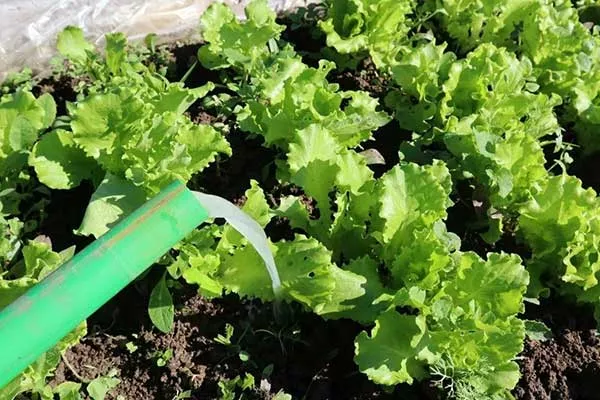
To obtain a bountiful harvest, it's important to take care of your plants and give them a little attention. Follow standard agricultural practices:
- Watering. Water regularly, especially during dry periods. Use warm, settled water, avoiding contact with the surface. Water the plants 2-3 times a week.
- Fertilizers. Apply the first fertilizer two weeks after germination, using a complex mineral or organic fertilizer (such as mullein infusion). Apply the fertilizer again after 3-4 weeks to stimulate growth.
- Loosening. Loosen the soil regularly to improve aeration and prevent crust formation.
- Weeding. Remove weeds that may compete with lettuce for light and nutrients.
- Thinning. If necessary, remove excess seedlings, leaving an optimal distance between them for their normal growth.
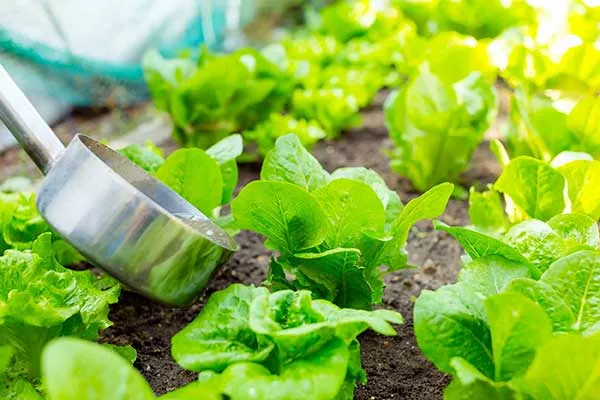
The plant has a strong immune system, but if not properly cared for, it can be susceptible to various problems. It's important to begin treatment promptly:
| Disease/Pest | Signs | Reasons | Methods of control |
| Powdery mildew | White coating, yellow spots. | High humidity, lack of light. | Removing affected leaves, treating with fungicides (for example, Topsin). |
| Fusarium wilt | Lethargy and yellowness. | Overwatering, soil contamination. | Removal of diseased plants, treatment with the fungicide Previkur. |
| Ascochytosis | Gray-brown spots. | Lack of light, excess water. | Spraying with copper sulfate or Bordeaux mixture. |
| Leaf aphid | The appearance of sticky discharge. | High temperature, dryness. | Using insecticides or garlic infusion. |
| Whitefly | White midges on the underside. | Over-watering, poor aeration. | Application of insecticides and setting traps. |
| Disease/Pest | Method of struggle | Processing period |
|---|---|---|
| Powdery mildew | Treatment with Topsin | At the first signs of illness |
| Fusarium wilt | Treatment with Previkur | Before planting and at the first symptoms |
| Ascochytosis | Spraying with copper sulfate | Once every 2 weeks during the growing season |
Benefits of Kitezh salad
The hybrid has many positive qualities that distinguish it from other varieties on the market. Advantages of the crop:
- Good productivity. It can produce a good harvest even in unfavorable growing conditions.
- Fast ripening. Thanks to this property, the lettuce is ideal for cultivation both in open ground and in greenhouses.
- Disease resistance. It is not susceptible to many common diseases, which allows for a reduction in plant protection costs.
- Versatility. Suitable for preparing a variety of dishes, including dietary food.
Reviews
Kitezh lettuce has a strong immune system. Its quick ripening time and culinary versatility make it an excellent choice for growing in the garden. Thanks to its unique properties, it can enhance both everyday menus and holiday tables, providing vitamins and freshness year-round, provided it is properly cared for.