
Ilema lettuce is an innovative variety that has gained popularity thanks to its excellent taste and high productivity. It combines an attractive appearance with excellent culinary qualities. It is an excellent choice for growing in both home gardens and commercial greenhouses. Proper and comprehensive care is key.
Description of the plant and its originators
This is a new variety of lettuce, developed by the Dutch company Enza Zaden Beheer BV in 2015. It is intended for both the fresh food market and for processing.
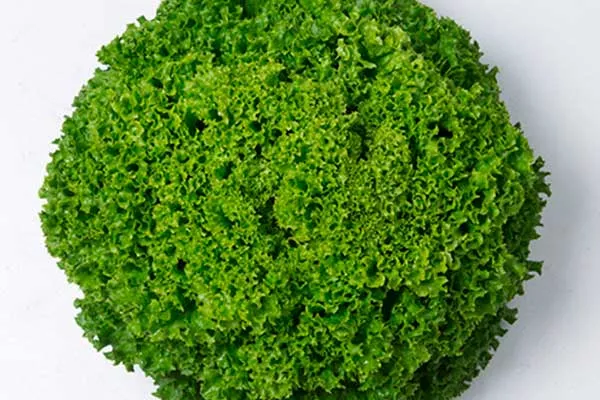
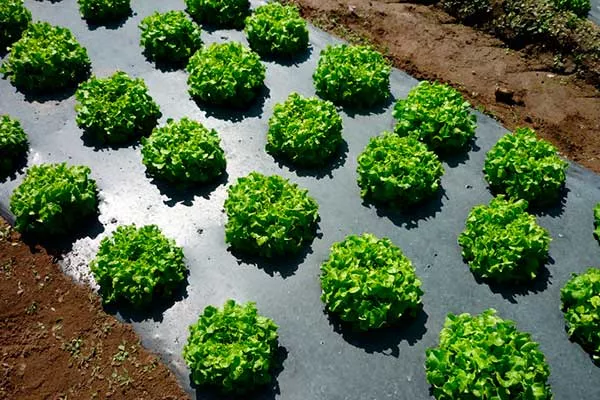
The bushes have a neat shape and reach a height of 22 cm. The head diameter is 18 cm, and its weight is 260 g. The rosette is dense and semi-erect.
- ✓ High resistance to Fusarium wilt, which is rare among leaf lettuces.
- ✓ Ability to retain taste even during long-term storage.
Features of appearance and taste
The leaves are large, obliquely triangular, and a rich dark green. The edges are deeply wavy, and the tips are finely notched. The leaf surface is heavily bubbly. The salad has a pleasantly flavorful aroma.
Characteristics
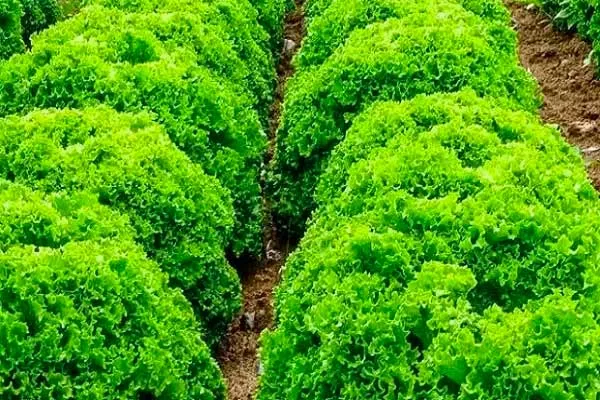
Ilema is a mid-season variety with a long shelf life. Ripening takes 60-70 days. The greens yield a high yield, reaching 1.6 kg per square meter.
Agricultural technology for cultivation and care
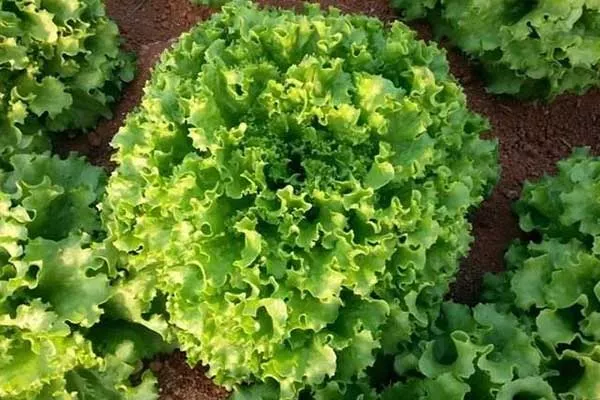
The plant prefers sunny areas, so choose a location that will receive at least 6-8 hours of sunlight per day. It should be protected from strong winds, which can damage the plants.
- ✓ The pH level should be strictly within 6-7, checking is mandatory before planting.
- ✓ The soil should not only be fertile, but also have good air permeability, which is critical for the lettuce root system.
Helpful tips:
- Lettuce grows best in fertile, well-drained soil. Loams and black soils are suitable. The ideal pH for greens is 6-7. Check your soil pH with a soil tester or in a lab.
The soil should be moist enough, but not waterlogged, to avoid root rot. - A few weeks before planting, dig the area to a depth of 20-25 cm to loosen the soil and remove weeds. Add organic fertilizers such as compost or humus to improve the soil structure and enrich it with nutrients. Add mineral nutrients such as superphosphate and potassium compounds.
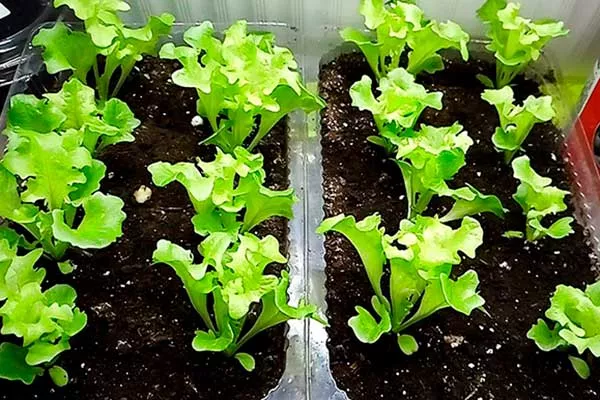
Rake the soil surface to create a level surface for seeding. - Sow lettuce from early spring to late summer, depending on climate conditions and growing style (greenhouse or open ground). When planting outdoors, soil temperatures of 10–12°C are preferred. Typically, this occurs from mid-April to late May. In southern regions, sowing should begin earlier, in late March.
In greenhouses, begin the process from late February to early March to obtain an early harvest. In regions with mild winters, plant the seedlings before winter to obtain an early spring harvest.
Step-by-step instructions for open ground:
- Make furrows 1-2 cm deep at a distance of 20-30 cm from each other.
- Distribute the seeds in the beds at a distance of 2-3 cm from each other.
- Fill with soil and compact lightly.
Provide the crop with comprehensive care. Follow simple agricultural practices:
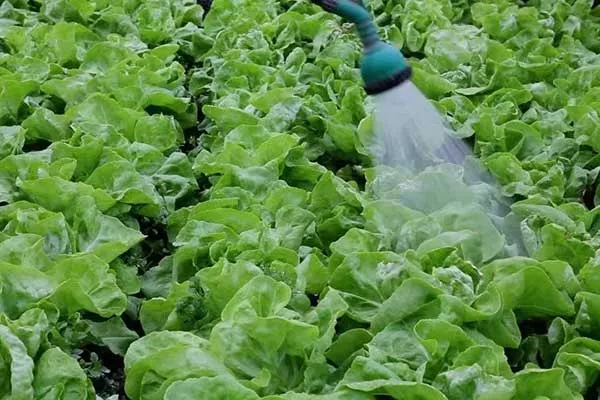
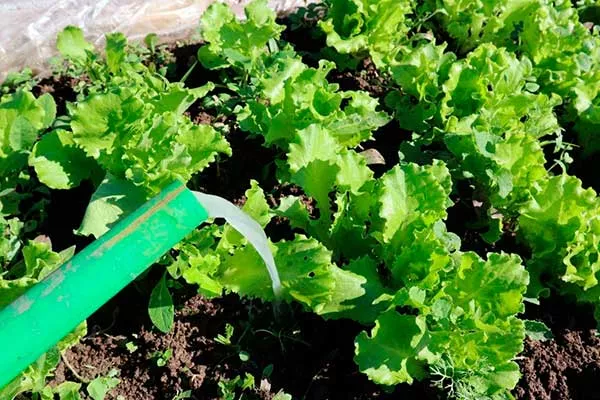
- Watering. Provide regular watering, especially during the growing season. Water regularly, especially in dry weather. Avoid dripping on the leaves to prevent rot. Use warm, settled water.

Water when the top layer of soil dries to a depth of 2-3 cm – once every 2-3 days, but the frequency may vary depending on the weather. - Top dressing. After the seedlings emerge and the first true leaves form, apply a high-nitrogen, complex mineral fertilizer to promote leaf development. Use compost or herbal infusions for organic feeding. This will provide the plants with the necessary nutrients.
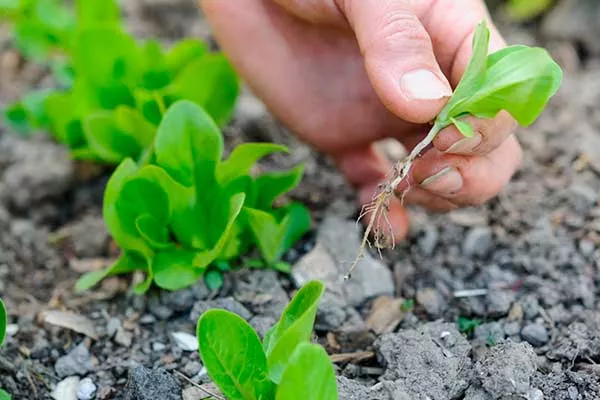
Feed the crop every 3-4 weeks, alternating mineral and organic compounds depending on the condition of the plants. - Thinning. When the bushes reach a height of 5-7 cm, thin them out, leaving a distance of 10-15 cm between them. This will allow each sprout to receive enough light, moisture, and nutrients for full growth.
- Mulching. Use organic materials, such as straw or grass clippings, to retain moisture, prevent weeds, and improve soil structure. Apply a layer 5-10 cm thick. Avoid placing the mulch too close to the stems.
The crop is characterized by strong immunity, but if improperly cared for, it can be susceptible to various problems. Begin the fight early:
| Disease/Pest | Signs | Treatment |
| Fusarium wilt | Leaves wilt, turn yellow, and dry out. Darkening may be observed at the base of the stem. | Treatment with fungicides Previkur or Topsin to combat infection. |
| Ascochytosis | Gray-brown spots appear and gradually increase in size. | Using Bordeaux mixture, copper or iron sulfate to treat plants. |
| Powdery mildew | A whitish coating forms, which over time turns black and dries out. | Spraying with fungicides Fundazol or Topaz to reduce the spread of the disease. |
| White rot | Wet spots that resemble a web appear on the lower part of the stem. | The following drugs are effective: Hom, Ordan or Topaz. |
| Nematodes | Growth is inhibited, roots are thickened, and tumors form on them. | Treating the soil with Nemabact or other means to combat nematodes. |
| Aphid | The leaves curl and sticky secretions (honeydew) appear. | Use of insecticides Karate, Iskra, or folk remedies - infusion of garlic or tobacco. |
| Spider mite | The leaves turn yellow and become covered with small dots, and a web forms on the back side. | Use acaricides such as Fitoverm or Kleschevit. Spraying with a soap solution will also help. |
| Owls | Bite marks may be visible on the surface, especially at night. | Insecticides Decis or Aktara will help. |
Reviews
Ilema lettuce is the ideal solution for those who want to grow delicious and healthy greens without the hassle. Its tolerance to adverse conditions, good productivity, and pleasant flavor make this variety suitable for both professional and amateur growers. To ensure bountiful harvests throughout the season, it's important to provide the plant with proper care.