
Grand Rapids lettuce is a popular variety known for its excellent flavor and generous yields. It quickly gained the trust of both professional agronomists and amateur gardeners. It is an excellent choice for growing outdoors and in greenhouses. Proper care is essential to maximize productivity.
Introduction to the variety
Developed by Enza Zaden Beheer BV in 2001, it belongs to the Batavia family and has a semi-headed type. It is recommended for fresh consumption 31-33 days after sowing, when the plant is still young. The yield is good: 3-4.3 kg per square meter.
Containing approximately 95% water, it's an excellent hydration aid. Greens are rich in nutrients and offer undeniable benefits for the body:
- Vitamin A promotes healthy skin and vision.
- B vitamins (B1, B2, B6, B9) participate in metabolism and support the nervous system.
- Vitamin C has antioxidant properties, strengthens the immune system and improves iron absorption.
- Potassium helps regulate blood pressure and normalizes the functioning of the cardiovascular system.
- Calcium important for healthy bones and teeth.
- Magnesium participates in more than 300 biochemical reactions in the body.
- Dietary fiber promote normal digestion and help control blood sugar levels.
Description of appearance and taste
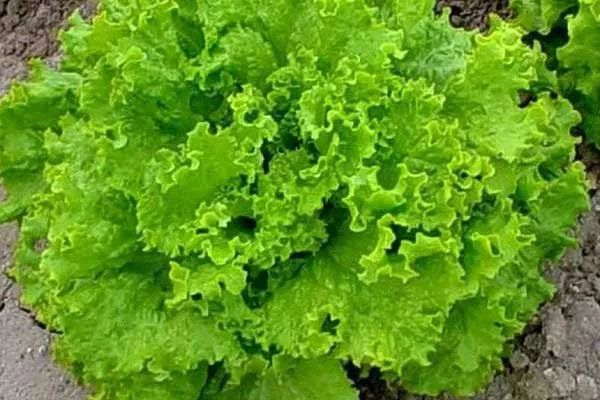
Each plant reaches a height of approximately 25 cm and has a diameter of about 22 cm. Distinguishing characteristics:
- The weight of one head of cabbage varies from 220 to 250 g, and in light culture – from 50 to 60 g.
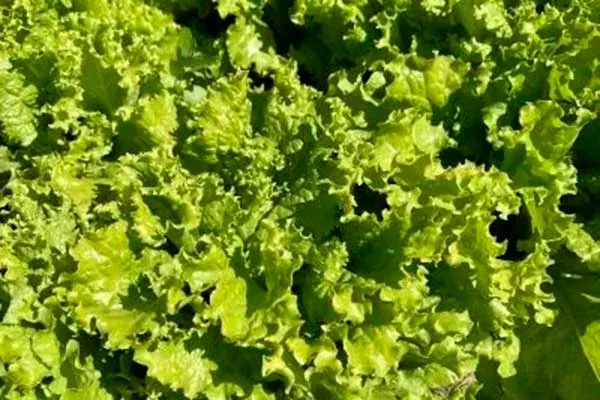
- The rosette is upright, and the leaves are medium-sized. They are rounded and green.
- The edge is strongly wavy, with small, frequent cuts in the upper part.
- The surface is glossy, with a finely bubbly texture and fan-shaped venation. The head is small, oval, and loosely textured.
Planting and growing
The plant prefers sunny sites with well-drained soil. Loam or light black soil is best.
- ✓ The pH level should be strictly within 6-7, a deviation of even 0.5 can significantly reduce yield.
- ✓ The soil should not only be well-drained, but also have high water-holding capacity to prevent drying out.
Follow these recommendations:
- Before planting, add organic fertilizer—rotted manure or compost—to improve soil fertility. The ideal pH for plant growth is 6-7.
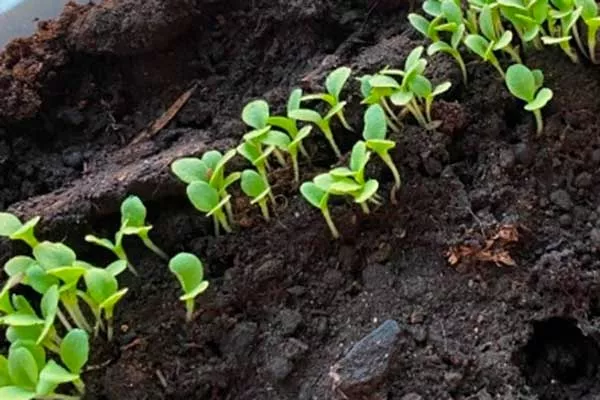
- Sow seeds outdoors when the soil temperature reaches 10-15°C. This usually occurs in early spring or fall.
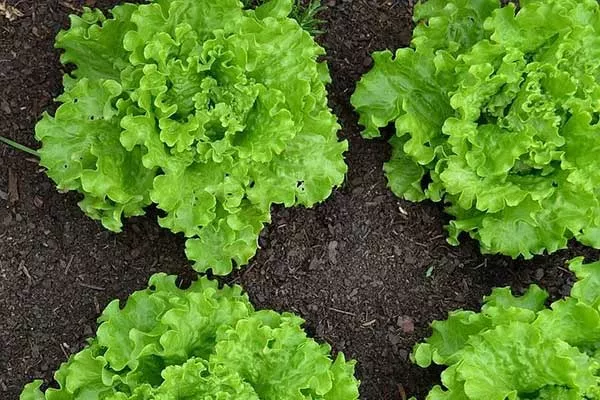
- Place the seeds at a depth of 0.5-1 cm, keeping a distance of 30 cm between rows and 20 cm between plants in furrows.
- Finish the process with generous watering to increase germination rates.
To get a bountiful harvest of greens, take care of your plants. Follow standard care procedures:
- Watering. Regular watering is important for maintaining soil moisture. Apply water to the roots early in the morning or evening, avoiding dripping onto the leaves.
- Weeding. Remove weeds to prevent competition for nutrients and moisture.
- Top dressing. Fertilize twice per season, using complex mineral fertilizers during the active growth period. Additionally, use high-nitrogen fertilizers.
- Mulching. This activity helps to retain moisture in the soil and reduces the number of weeds.
Despite its strong immunity, the crop can be susceptible to diseases and pest attacks:
- Peronosporosis (powdery mildew). It appears as a gray coating. Use fungicides such as Hom or Topaz, and maintain a regular watering schedule to avoid overwatering.
- Fusarium. Leaves turn yellow, plants wilt. Remove affected plants and treat the soil with fungicides.
- Ascochytosis. Gray-brown spots appear. Spray the cabbage heads with Bordeaux mixture or copper sulfate.
- Aphid. The leaves are curling and wilting. Apply the insecticide Actellic or garlic infusion.
- Slugs. They destroy plants, leaving behind telltale signs. Set beer traps or sprinkle the area with salt.
- Caterpillars. They chew holes. The biological product Bitoxibacillin is effective.
| Fungicide | Validity period | Efficiency |
|---|---|---|
| Hom | 10-14 days | 85% |
| Topaz | 7-10 days | 90% |
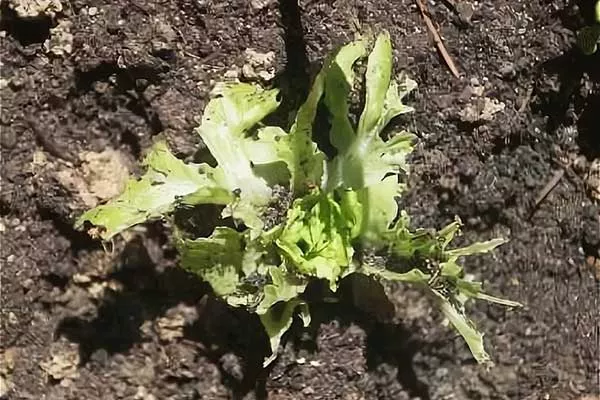
Regular lettuce care and timely disease and pest control measures will help you get a high-quality and tasty harvest.
Reviews
Grand Rapids lettuce is a tasty and healthy vegetable. It's an excellent choice for those looking to grow fresh greens quickly and easily. Its tolerance to adverse conditions and ease of care make it ideal for both novice and experienced gardeners. Knowing the proper growing techniques will help you reap a bountiful harvest.