
Frillis is a leaf lettuce variety of the Iceberg lettuce type, developed in the Netherlands by Seminis and first introduced in 2009. This variety is distinguished by its excellent productivity and superior flavor. Frillis is recommended for fresh consumption and is ideal for salads, sandwiches, side dishes, or as a garnish.
Introduction to the variety
Frillice grows rapidly in spring, summer, and fall, and is long-lived both in the ground and after harvest. When stored in high humidity, it stays fresh for 1.5 to 2 weeks. However, due to the crisp texture of its leaves, it requires special care. Sow lettuce from March to July, and transplant from April to August 15-20.
Description of appearance
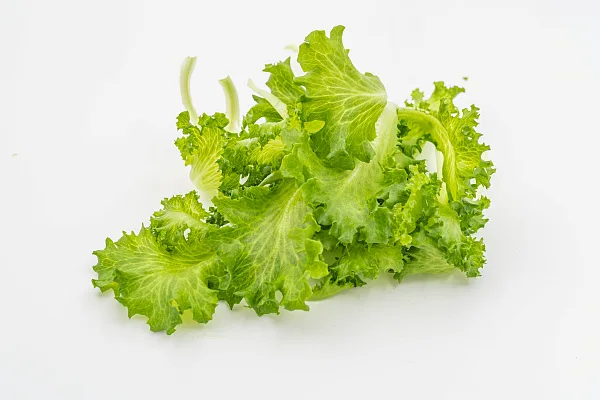
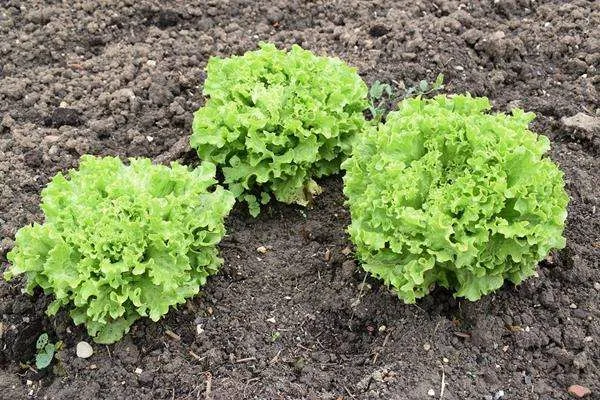
This lettuce boasts rich green leaves with a distinctive serrated edge and bubbly texture. The foliage color ranges from bright to dark green, with slightly wavy edges. The rosette of leaves is semi-erect, and the leaflets are medium in size.
The plant reaches a height of 25-27 cm, and the rosette diameter is 30-33 cm. The weight of one plant, that is, the mass of the “head”, is usually about 320-370 g. The leaves have a crispy texture.
Taste, beneficial properties
This variety is characterized by an excellent flavor—rich, slightly sweet, and refreshing with a hint of bitterness. The lettuce imparts an appealing flavor to dishes, making it an ideal ingredient for various appetizers. In cooking, it is often used as a side dish, added to hot dishes, and as an ingredient in mixed salads.
Frillis is low in calories, with 14 kcal per 100 g (or 58.5 kJ). It is also rich in vitamins and minerals. However, the nutrient content depends on a number of factors, including soil acidity, sunlight exposure, and the presence of additional plant nutrients.
Frillice is a unique salad rich in mono- and disaccharides, as well as essential amino acids. Its true value lies in the combination of these components, which is difficult to find in other products.
The main medicinal properties of this salad variety:
- Optimization of thyroid function.
- Maintaining the cardiovascular system in perfect condition.
- Strengthening the nervous system and increasing resistance to stress.
- The high content of carotenoids has a beneficial effect on vision and helps improve the appearance of nails, skin and hair.
- Acceleration of regenerative processes in the body.
- Helps in active production of red blood cells.
- Contains folate, which is important for people of all ages, especially pregnant women, as it helps prevent birth defects.
- Low-calorie Frillis salad helps maintain ideal weight.
- Strengthening the body's immune defenses, improving overall well-being and having a beneficial effect on appearance.
Harm
Frillis lettuce is safe to eat in small quantities, but there are exceptions. There are two cases where eating the lettuce can be harmful:
- First - An allergic reaction to one of the salad's ingredients varies from person to person. Many people are aware of their allergies to certain foods. But if you're trying Frillice lettuce for the first time, keep an eye out for any reactions.
- Second - Growing lettuce in conditions with high levels of active chemical fertilizers. This can occur if fertilizers are applied incorrectly at home. Such cases are very rare in industrial agricultural complexes. The negative impact of chemicals on the soil can lead to serious consequences, including mass poisoning.
The chance of Frillis lettuce causing harm is extremely low, but it's not worth ignoring. Be mindful of the quality of the ingredients you choose, choosing fresh leaves from reputable producers to reap the maximum benefits from Frillis lettuce.
Features of cultivation
Various methods are used to grow Frillice lettuce at home. This plant is easy to care for, allowing it to be grown in three ways: outdoors, on indoor windowsills, or through winter planting.
Conditions
From November to March, when lettuce is grown indoors, this sun-loving plant requires supplemental artificial lighting. The bulb should be suspended at a height of 50-60 cm to prevent premature ripening of the flower stalks due to insufficient light.
Other requirements:
- In open ground conditions, it is best to choose sunny areas for planting.
- Sowing time is the first month of spring, maximum the second.
- If lettuce is planted later, it should be placed in the shade to avoid exposure to bright sunlight, which can inhibit its development.
- For optimal growth and leaf mass, lettuce requires temperatures between 15-22°C. At higher temperatures, leaf growth slows, immune defenses decline, and rapid bolting begins.
Preparation of planting material
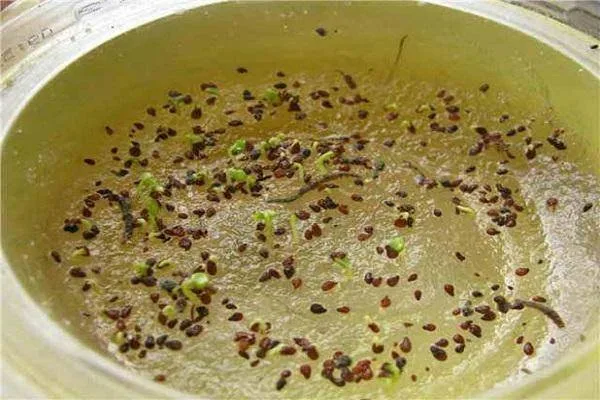
The first thing to do is check the quality of the seeds, discarding any small or damaged ones. Next, determine whether they are hollow using a salt solution, in which the seeds are soaked for 10-15 minutes.
After:
- Disinfect the seed material by leaving it in a potassium permanganate solution for 25 minutes.
- Soak in warm water for 15-24 hours. You can use a growth stimulator.
Sowing in open ground
It's best to sow seeds directly into the garden, as transplanting can negatively impact seedling development. Plants should be spaced 20-30 cm apart, with the same amount between rows.
Cultivation features:
- Sowing is done by placing the seeds in the ground and covering them with a layer of sand mixture, after which the surface is lightly compacted.
- After work, thoroughly moisten and protect young plants from cold nights using plastic film.
- Once the seedlings emerge, remove any excess plants to maintain optimal placement. After this, the plastic wrap can be removed.
- To maintain optimal moisture levels, water the lettuce regularly in the evening and periodically loosen the soil around the plants.
- For fertilizer, purchase specialized formulations or use organic supplements once every one to two weeks.
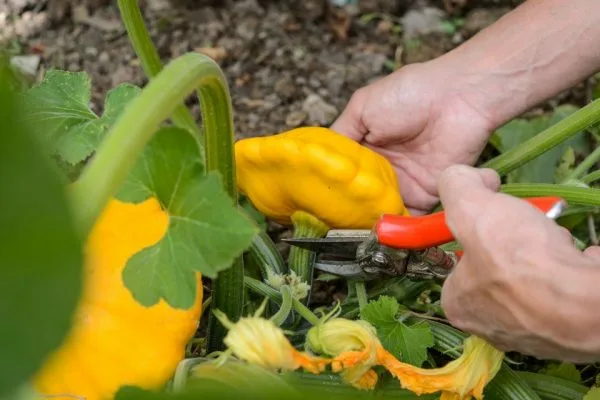
- As the lettuce grows, it forms a head, making it easier to harvest. When cutting the leaves, leave 5-6 cm from the base of the plant to allow for a second crop.
Growing on a windowsill
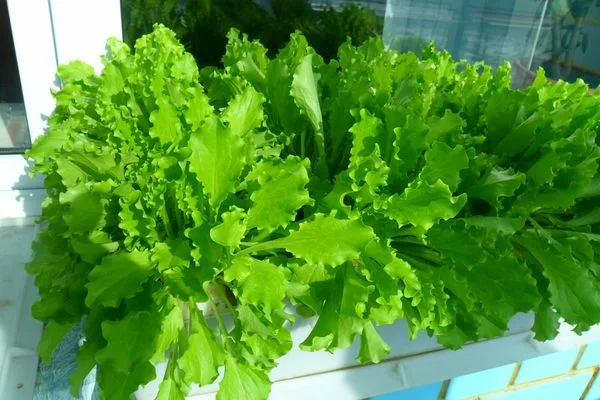
To successfully grow Frillice lettuce indoors, carefully select the soil: combine a mixture of peat moss, compost, and regular garden soil (2 parts each). Add 0.5 parts sand and wood dust, nitrophoska, and urea to each container of the prepared mixture, according to the instructions.
Buckets, pots, dishes, basins, deep trays, and even cat litter boxes can be used as containers. The key is that they aren't too tall and have effective drainage. The ideal container size is 50-60 cm wide and 70-75 cm long, with a height no greater than 15 cm.
Next steps:
- Be sure to make holes in each container to drain excess water and provide air access to the root system.
- Place a layer of expanded clay on the bottom of the pot, add the prepared substrate and compact it thoroughly.
- Then moisten with a very light pink solution of potassium permanganate.
- Form 2 cm deep furrows on the surface with a gap of 10-12 cm between them.
- Distribute the seeds along each groove, carefully sprinkle with soil and lightly compact.
- Next, spray the substrate with water from a watering can or spray bottle and place the container in a dark place until the first shoots appear. To speed up germination, cover the container with plastic or glass.
- After this, move the pot to the windowsill and water it regularly.
Particular attention should be paid to adequate plant lighting, as this crop requires 13 hours of daylight for normal vegetative and reproductive development. Furthermore, young seedlings require frequent watering during the first two weeks of life.
Winter planting
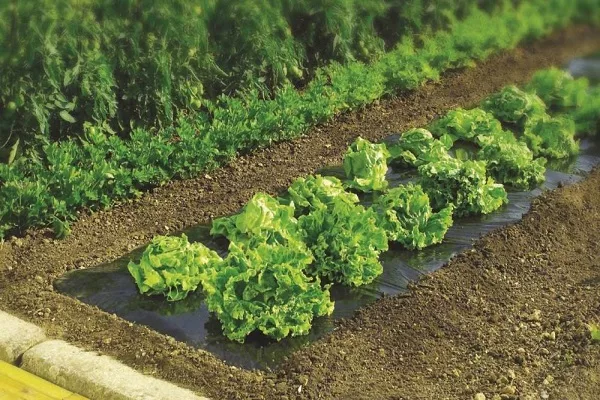
This plant variety is distinguished by its ability to withstand winter frosts, thanks to which it can be planted in fields at the end of autumn, when severe cold has not yet arrived (between October and November).
Before sowing, it is necessary to enrich the soil with fertilizers, dig it up and make rows for sowing according to the standard pattern for the variety.
After sowing and watering, cover the beds with spruce branches for additional protection. When spring warmth arrives, carefully uncover the beds.
Care instructions
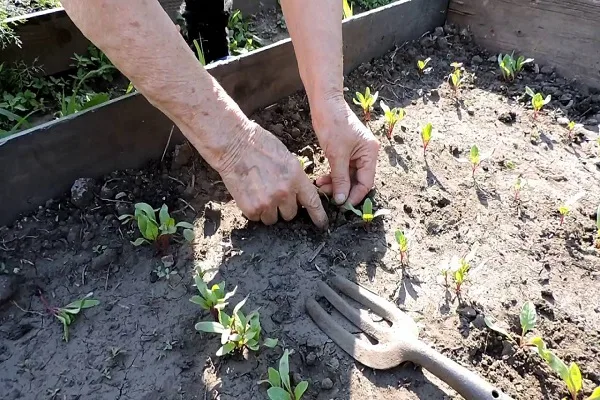
Lettuce care doesn't require much effort: just occasionally loosen the soil and remove weeds. Other measures:
- Frillice thrives on moisture, so it should be watered daily, especially during dry spells. A lack of moisture will change the taste and texture of the leaves, causing them to become rough and bitter.
- Given that lettuce grows rapidly, it's important to fertilize the soil to ensure healthy growth. For this, use a mullein solution or commercial fertilizer.
- The first seedlings should be thinned out.
- Loosening the soil during the initial period of growth is undesirable, as it can damage the root system.
Lettuce should be harvested early in the morning, while the leaves are still fresh and pliable. If harvested after rain or in hot weather, it will quickly lose its quality and will not store well.
Dangerous diseases
Lettuce can become infected with diseases such as:
- Rhizoctonia, which causes stem damage and root rot. To combat this, replace and disinfect the soil mixture. Maintaining the required humidity and temperature is also critical.
- Downy mildew – poses a threat to seeds grown in greenhouses under plastic film. The disease progresses at low temperatures. Pale yellow-green spots appear on the leaves, which enlarge over time and form a white coating.
Powdery mildew can be controlled by treating seeds with fungicides and seed dressings. - Salad root aphid – It slows plant growth and causes yellowing of leaves. To prevent aphid infestation, water thoroughly during hot summer days, disinfect the soil, and remove affected plants.
- Septoria - This is a fungus that causes rusty and gray-brown spots on the lower leaves of plants. Infected plants should be removed and any remaining foliage destroyed.
Some gardeners use a little trick when growing Frilis: they plant mint or garden flowers around the crops, whose aromatic properties and essential oils can repel insect pests and prevent mold from appearing on young shoots.
What difficulties might arise when growing lettuce at home?
Here are some tips for growing lettuce that's not only delicious but also produces well. They'll help you avoid many of the problems that arise when growing it:
- If plants appear elongated and tailed, this may be a sign of insufficient light. A lack of UV light can also lead to slow leaf growth, early bolting, and early flowering.
- Lettuce's root system is close to the surface, so it should not be loosened deeply to avoid damaging the sensitive roots.
- To prevent the formation of a dense crust that could block air access to the roots, moisten the soil daily with a spray bottle.
- Insufficient yield. The main reason for this is excessive planting density. Under such conditions, the plant develops under pressure—not enough light, nutrients, and water. This leads to slower growth and reduced yield. Therefore, thin out your lettuce regularly, or, better yet, repot each mature seedling into a separate pot.
- Early flowering (bolting). The cause is high air temperatures. For normal lettuce development, it's best to keep it at a temperature of about 15-22 degrees Celsius.
Reviews
Frillis lettuce is deservedly popular with large farmers, gardeners, and casual growers alike. It can be planted in a variety of ways, but it's best to avoid using seedlings, as the variety's root system is very fragile and doesn't tolerate transplanting.