
The Festivalny lettuce is a sought-after variety, distinguished by its low maintenance, excellent flavor, and versatility. It combines high productivity with excellent adaptability to a variety of growing conditions, making it a top choice for beginners. With minimal care, bountiful harvests are guaranteed.
Introduction to the variety
Festivalny is a head lettuce variety bred by the All-Russian Research Institute of Vegetable Crops Selection and Seed Production in 1981. It is suitable for winter sowing and has a neat and attractive shape. Its yield is 2.1 kg per square meter, making it highly marketable and in demand.
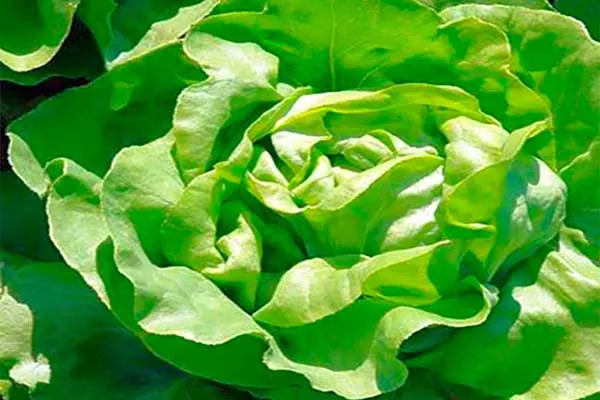
The Festival Salad is not only delicious, but also healthy:
- It is rich in vitamins A, C and B, which support the immune system, improve skin and vision, and help strengthen the nervous system.
- High fiber content helps improve digestion, normalize blood sugar levels and maintain a healthy body weight.
- It is low in calories, making it an ideal ingredient for dietary nutrition.
Greens contain antioxidants that help protect the body from free radicals and slow down the aging process.
Description of appearance and taste
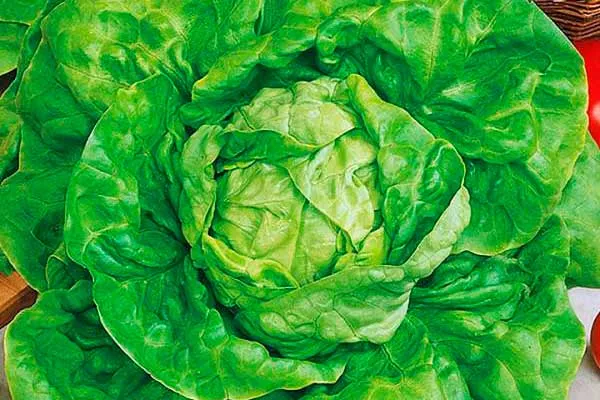
The heads are elliptical, dense, and reach up to 28-30 cm in diameter. The weight of a single plant ranges from 150 to 200 g. The leaves are light green, rounded, and crisp.
Planting and growing
To successfully grow lettuce, it's important to choose the right site and prepare the soil. The plant prefers bright, sunny spots, but can grow in partial shade.
- ✓ The optimal soil pH should be in the range of 6.0-7.0 to ensure maximum nutrient availability.
- ✓ The soil should have high water holding capacity, but at the same time provide good drainage to prevent root rot.
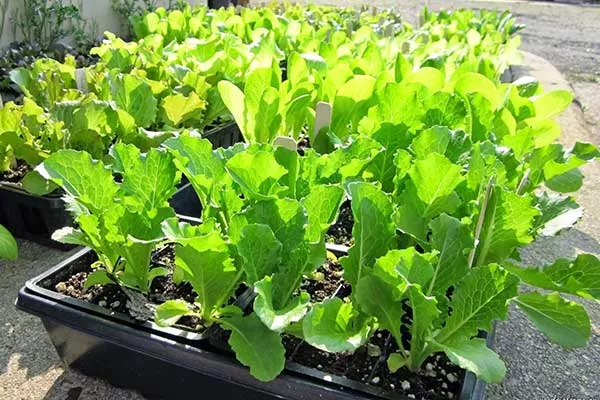
Follow these recommendations:
- Choose a location protected from strong winds. The site should have loose, fertile soil that retains moisture well but does not become waterlogged.
- Start preparing the soil in the fall: dig over the bed and add organic fertilizers such as humus or compost. In the spring, before planting, loosen the soil and add mineral fertilizers containing nitrogen, potassium, and phosphorus to provide the plants with the necessary nutrients.
- Carry out this procedure both in early spring and before winter. Sow the seeds at a depth of 1-1.5 cm, with row spacing of 20-25 cm. Water the bed generously with warm water.
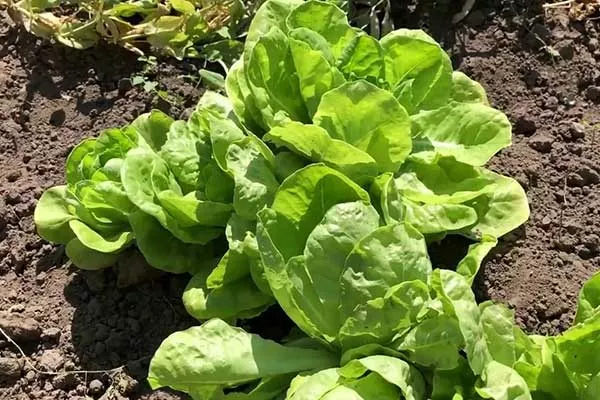
Caring for greenery includes a number of agricultural measures:
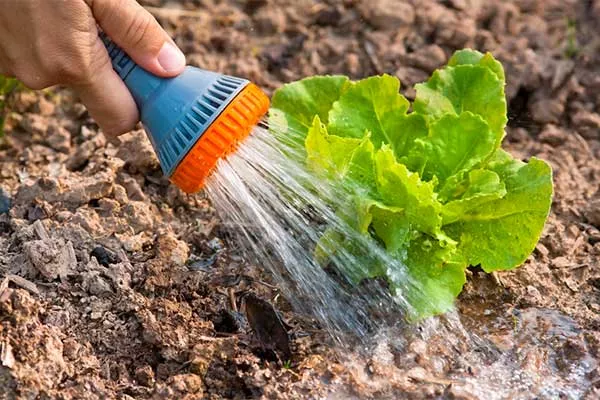
- Watering. Provide the plants with regular and moderate watering, especially during dry periods. Pour water under the roots, avoiding the leaves. This will protect the heads from rotting. Maintain constant soil moisture, but avoid stagnant water.

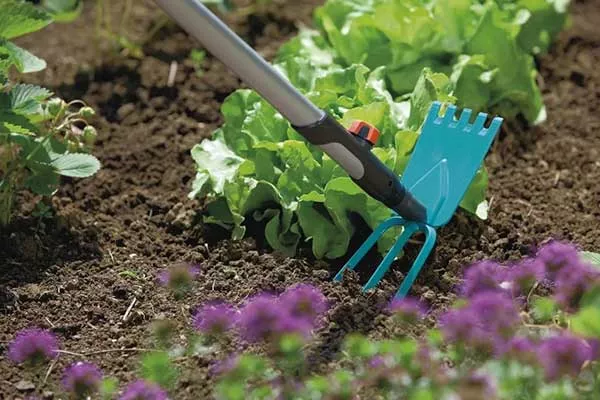
- Weeding and loosening. After each watering or rain, gently loosen the soil to improve its aeration and prevent a crust from forming. Weed regularly, removing weeds that may compete with the lettuce for moisture and nutrients.
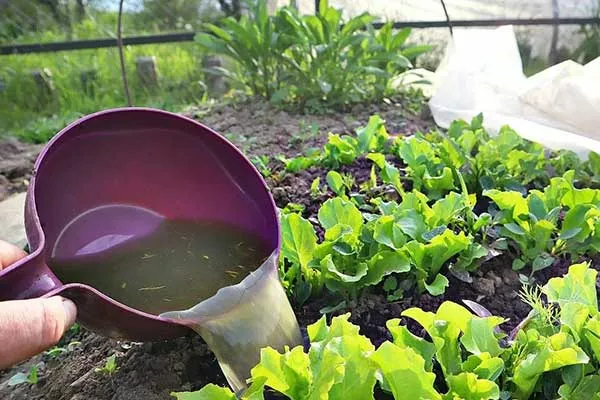
- Top dressing. Two to three weeks after germination, apply organic or mineral fertilizers, such as a urea solution or potassium mixtures. Herbal infusions or compost tea are also effective.
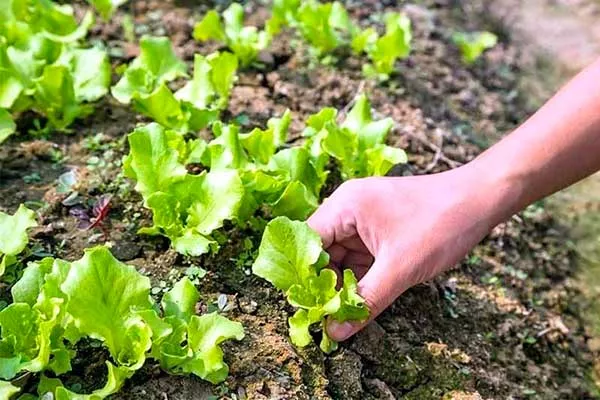
- Thinning. Once the leaves have grown, thin the plants, leaving 10-15 cm between seedlings. This will allow the heads to develop more fully.
To prevent fungal diseases, carry out preventative spraying with an infusion of onion peel or garlic.
Reviews
Festivalny salad is deservedly popular among gardeners and homesteaders. Its delicate flavor, crisp leaves, and attractive appearance make it an ideal addition to a variety of dishes. Thanks to its strong immune system and excellent varietal characteristics, it continues to gain popularity. The key is proper and timely care.