
Jade lettuce is a popular leafy green. It's a favorite among gardeners who value freshness and high-quality produce. Its ease of cultivation, rich flavor, and nutritional value make it ideal for growing outdoors or in a greenhouse. Following the care recommendations will ensure crisp greens throughout the season.
Introduction to the variety
Developed by the Japanese company Sakata, it's ideal for a variety of dishes and preserves, thanks to its pleasant flavor and delicate, soft texture. Jade lettuce is a mid-season variety with a long shelf life. The time from germination to harvest is 60-70 days.
Useful properties of the variety:
- High content of vitamins (A, C, K).
- Rich in minerals (calcium, magnesium, potassium).
- Low in calories, making it an excellent choice for dietary nutrition.
- Antioxidant properties that help strengthen the immune system.
- Improved digestion due to high fiber content.
Gardeners harvest approximately 3 kg of greens per square meter. The variety is resistant to adverse weather conditions, which contributes to a stable harvest. The ability to harvest in several stages increases the overall yield.
Description of appearance and taste
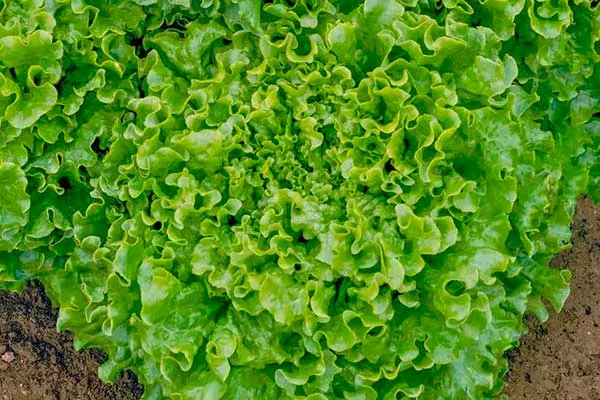
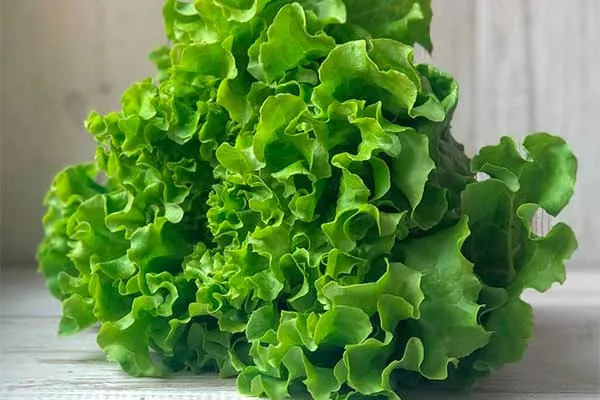
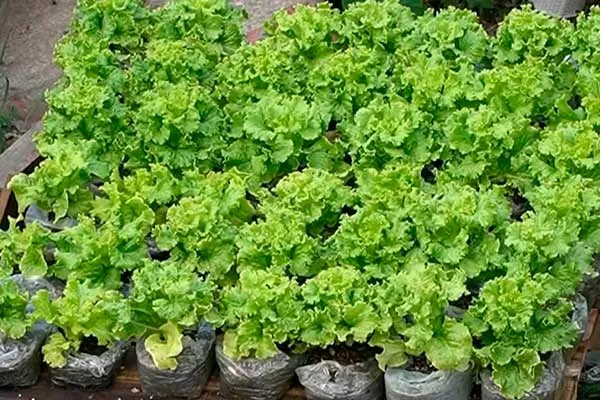
The plant forms a semi-erect rosette of large yellowish-green leaves with a pinnately dissected margin and a concave surface. The lettuce grows to a height of approximately 20 cm, and the head diameter can reach 20-25 cm. Its weight ranges from 170 to 220 g.
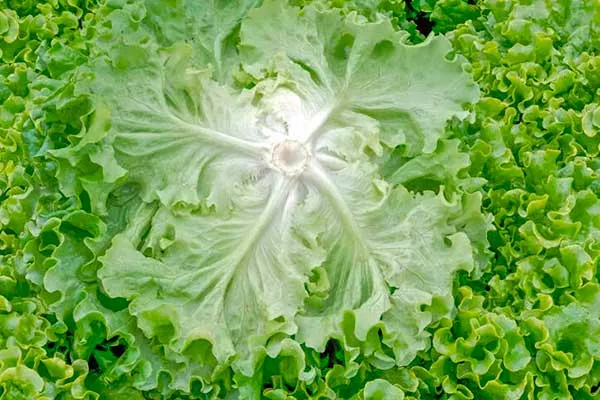
The flavor profile of this variety is impressive. The leaves have a delicate, soft, and rich flavor, making them ideal for a variety of dishes and preserves.
Planting and growing
To successfully grow the crop, it's important to choose a sunny, well-ventilated location. The plot should be protected from strong winds and not flooded during rainfall.
- ✓ The soil pH level should be strictly within 6-7; for accurate measurement, use a pH meter.
- ✓ Soil should contain at least 3% organic matter, check with a soil test before planting.
Follow these recommendations:
- Light, nutritious and well-drained soils with a neutral or slightly acidic reaction (pH 6-7) are preferred.
- Dig over the soil and add organic fertilizers (compost or humus) to improve its structure and increase its fertility.
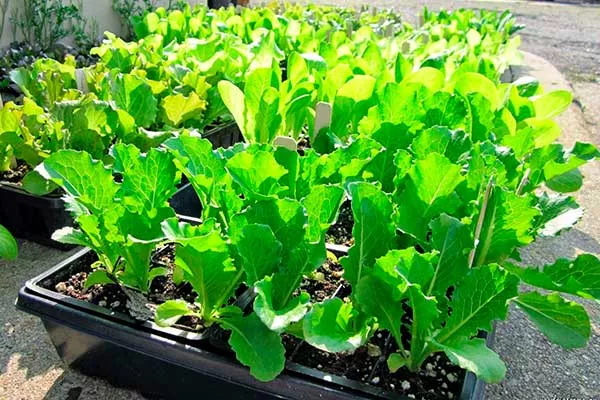
- Sow seeds directly into open ground or use seedlings. The optimal depth for the former is 0.5-1 cm, while for the latter, it's 1-2 cm. For an early harvest, sow in late March or early April, when the soil temperature reaches 10-15°C.
- Maintain a distance of 30-40 cm between rows and 15-20 cm between plants to ensure good aeration.
- Water the seedlings regularly: the soil should be moderately moist to avoid root rot.
- Plants require additional nutrients, especially during periods of active growth. Use complex mineral fertilizers or organic compounds.
- If the seeds are sown densely, thin the plants, leaving only the strongest ones.
- Practice crop rotation: do not plant lettuce in the same place for more than one season.
- Maintain optimal humidity levels and good aeration in greenhouses and open beds.
- Remove affected plants and remaining crop debris after harvest to prevent the spread of diseases.
Reviews
Jade lettuce is one of the most popular oakleaf varieties. Its excellent flavor and culinary versatility have won the hearts of many gardeners and gourmets. It is ideal for growing both outdoors and in greenhouses. It is important to understand the variety's characteristics and provide proper care to ensure bountiful harvests.