
Ducat lettuce has become popular among gardeners and healthy eaters thanks to its unique flavor and ease of cultivation. This variety boasts beautiful ornamental qualities and a pleasant, spicy flavor. It's important to understand the plant's characteristics and provide proper care to ensure consistent harvests.
Breeding history
Developed in 2002 by breeders M. M. Tsiunele and S. F. Gavrish from the Research Institute for Vegetable Crop Breeding and Gavrish Breeding Firm. In 2003, it was officially registered and included in the State Register of Breeding Achievements.
Introduction to the variety
Ducat watercress is a great option for those who love fresh greens. It has a pleasant flavor and is easy to grow, making it an excellent choice for gardening. This early-ripening variety produces its first harvest in just 18 days, yielding up to 1.8 kg of succulent greens per square meter.
- ✓ Choose seeds with a high germination rate, at least 90%, for a guaranteed harvest.
- ✓ Prepare the soil with a pH of 6.0-7.0, enriching it with compost at a rate of 5 kg per 1 sq. m.
The leaves are rich in vitamins A, C, and K, and contain significant amounts of potassium, calcium, iron, and antioxidants. They strengthen the immune system, improve skin and bone health, help normalize metabolism, and support the cardiovascular system.

Features of appearance and taste
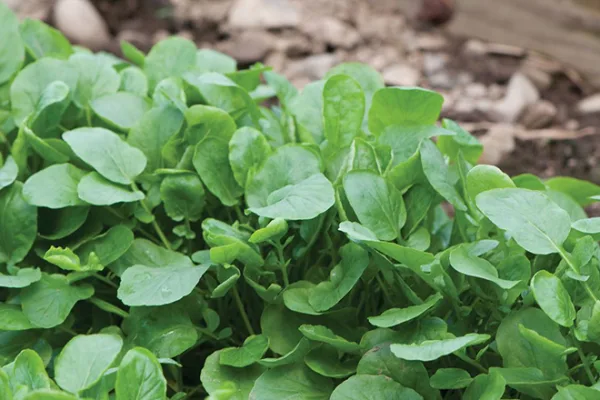
The semi-erect rosette consists of ovoid green leaves with wavy edges. They reach 12 cm in length and 3 cm in width. The plant reaches a height of 21 cm and a diameter of 20 cm. The weight of a single head varies from 15 to 20 g. The salad has a spicy, unique flavor.
When to plant watercress?
The crop is grown almost year-round, but the optimal times for planting outdoors are spring and early fall. Sow seeds in the ground from April to August, when the soil warms to 6–8°C. To ensure a regular harvest, sow every 10–15 days.
Planting watercress seedlings
Choose shallow containers or boxes with drainage holes. Fill them with light, loose soil rich in organic matter. The seeds are small, so don't bury them too deeply—a thin layer of soil, no more than 0.5 cm, is sufficient. The optimal distance between seeds is about 2 cm.
Follow the recommendations:
- Cover the containers with plastic or glass to create a greenhouse effect and leave them in a bright location at a temperature of 18 to 22°C. The first shoots will appear in 3-5 days, after which remove the cover.
- The plant thrives on light, so provide seedlings with 12-15 hours of light per day. If natural light is insufficient, use grow lights.
- Provide regular but moderate watering – the soil should remain moist, but not over-saturated.
After 10-14 days, when 2-3 true leaves appear, transplant the seedlings to a permanent location in open ground or leave them to grow in containers.
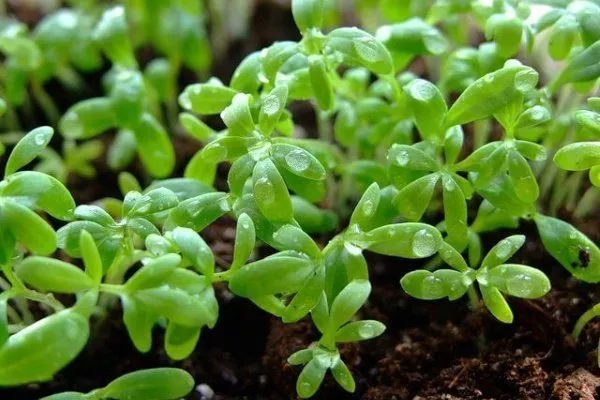
Growing Watercress from Seed
Sow the seeds superficially. Lightly cover with soil, pressing gently into the soil. The optimal distance between seeds is 1-2 cm, which will prevent the plants from shading each other. Keep the soil moderately moist.
The crop germinates at temperatures starting from +6°C, but ideal growth conditions are +15…+18°C. If you grow lettuce on a windowsill, provide the plants with good lighting, especially in winter.
Care
Watercress thrives in sunny areas, but requires minimal care to ensure abundant harvests. To maximize yields, implement simple gardening practices.
Watering
Mist the seedlings regularly and maintain the soil moisture. Avoid allowing the air and soil to dry out, as this leads to rapid aging of the plants: the leaves become rough and bitter, the stems elongate, and inflorescences form. Keep the containers away from heat sources.
Top dressing
When the first leaves emerge, fertilize with a urea solution, dissolving 25 g of carbamide in 10 liters of water. Spray the lettuce. A week later, prepare another solution: 10 g of ammonium sulfate, 10 g of potassium salt, and 20 g of superphosphate per 10 liters of water, and water the substrate.
- 7 days after germination, add a urea solution (25 g per 10 l of water).
- 14 days after the first feeding, use a complex fertilizer (10 g ammonium sulfate, 10 g potassium salt, 20 g superphosphate per 10 liters of water).
- After harvesting, repeat the complex feeding to stimulate the growth of new seedlings.
After harvesting, repeat the complete fertilizer to support the growth of new seedlings. Use a weak concentration of Rainbow liquid fertilizer for additional nutrition.
Propagation of watercress
The simplest and most effective method is to use seeds – they have a high germination rate and can germinate even at low temperatures. You can sow them in open ground, in containers, or on a windowsill. Follow the same procedure as for growing seedlings.
Diseases and pests of watercress
The crop can be susceptible to certain problems. To ensure a healthy harvest, it's important to understand the main diseases and insect control methods:
- Root rot - Occurs due to overwatering and poor drainage. Symptoms include wilting and root rot. Avoid overwatering and ensure good drainage.
- Downy mildew - Symptoms include yellowish spots on leaves, which then become covered with a gray coating. Remove affected plants and use fungicides.
- Blackleg - A disease that affects young plants. It manifests as darkening and rotting of the stem at the root collar. It can be caused by excess moisture and dense plantings. Thin out seedlings and monitor soil moisture.
- Aphid - Small insects that suck the sap from leaves, causing them to deform and wither. A soap solution or biological insecticides are effective.
- Cruciferous flea beetles - Small beetles that make holes in leaves. Spray with an infusion of ash or tobacco.
- Snails and slugs - They damage leaves, leaving large holes in them. Set traps and collect the pests by hand. Be sure to mulch the soil.
To prevent diseases and insect attacks, follow proper gardening practices. Regularly inspect your plants to ensure prompt treatment.
How to choose a quality product and store it?
Leaves should be bright green, fresh, and firm. Avoid those with yellow, wilted, or damaged areas. The absence of spots and rot is an important sign of freshness. High-quality greens have a characteristic fresh and spicy aroma. An unpleasant odor indicates that the product is not fresh.
Helpful tips:
- Check the packaging date and expiration date. The kidney should be whole and undamaged.
- Choose foods wrapped in perforated containers that allow air to circulate.
- Keep in the refrigerator at a temperature of +1…+4°C. This will help preserve freshness and prevent rapid wilting.
- To prevent drying out, lightly mist the paper towel the greens are wrapped in. This will help maintain optimal moisture levels.
- Consume the leaves within 5-7 days of purchase. The longer they are stored, the more they lose their freshness and nutrients.
Reviews
Ducat lettuce is an excellent choice for adding variety to your diet and a wonderful opportunity for beginning vegetable growers to experience the joy of growing. Its ease of care and high nutritional value make it an ideal choice for those who value fresh and natural ingredients. With proper care, it will yield bountiful harvests of greens.