
Berlin Yellow is one of the oldest and most trusted varieties of head lettuce. It is highly productive and easy to grow, making it an excellent choice for both experienced and novice gardeners. The leaves are a versatile ingredient for a variety of dishes. Proper care is essential.
Introduction to the variety
Developed in Russia in 1961, it is characterized by good yields—gardeners harvest approximately 4.5 kg per square meter. Ripening time is approximately 50-60 days.
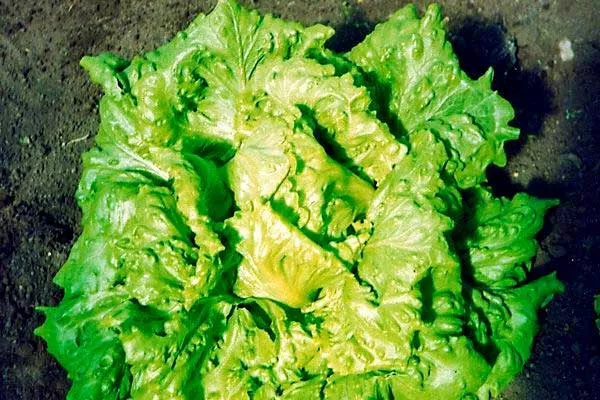
Greens have many beneficial properties, making them a valuable part of a healthy diet. Here are the main ones:
- Vitamin A – improves vision, maintains the health of the skin and mucous membranes, strengthens the immune system.
- Vitamin C – a powerful antioxidant that strengthens the immune system, protects cells from damage, and promotes better absorption of iron.
- B vitamins (in particular, folic acid) – are important for the normal functioning of the nervous system, metabolism and maintaining overall health.
- Iron - involved in hematopoiesis processes, prevents the development of anemia.
- Calcium – important for the health of bones and teeth, and for muscle function.
- Magnesium – participates in the work of more than 300 enzymes, supports the health of the cardiovascular and nervous systems.
- Potassium – It is necessary for maintaining the cardiovascular system, it regulates blood pressure and water-salt balance.
Berlin yellow lettuce is a low-calorie product, making it an excellent choice for those watching their weight. Its leaves are rich in dietary fiber, which:
- Improves digestion and normalizes intestinal function.
- Helps reduce blood cholesterol levels.
- Helps control appetite by creating a feeling of fullness.
Description of appearance and taste
The leaves, with their sweet flavor and crunchy texture, are widely used in a variety of dishes. They often form the base of a variety of vegetable and mixed salads. They are added to impart freshness and juiciness, and are used as an edible "plate" for serving meat or vegetable fillings.
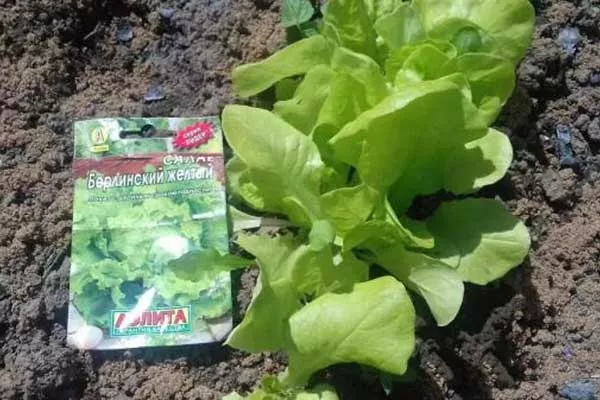
The salad serves as a decorative element for cold appetizers or hot dishes. The leaves are used instead of lavash to wrap the filling in rolls. It pairs beautifully with meat, fish, and vegetables, making the dish lighter and healthier.
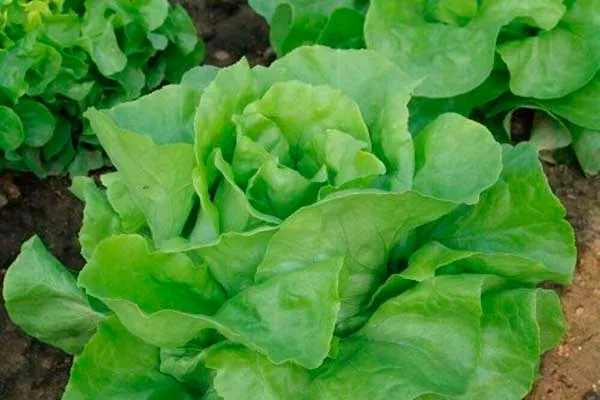
Planting and growing
To successfully grow a crop, it's important to choose the right location, prepare the soil, and adhere to the planting dates. Here's a detailed guide:
- Choose sunny locations, but the crop grows well in light partial shade. The location should be protected from strong winds to maintain the structure of the heads.
- Grow in beds after the following crops: legumes, potatoes, tomatoes, or carrots. Avoid sowing its seeds in the same spot more than once every 3-4 years.
- Plants grow well in fertile, light and well-drained soils with neutral acidity (pH 6.5-7).
- In the fall, dig over the area and add organic matter, such as humus or compost. In the spring, before planting, add a complex mineral fertilizer containing nitrogen, phosphorus, and potassium.
- The soil should be moderately moist, avoid waterlogging.
- Sow in early spring, beginning in late April, when the soil warms to 5–7°C. For a long-lasting harvest, sow lettuce in several stages, spaced two weeks apart.
- To obtain seedlings, plant the planting material deep in mid-March, followed by transplanting into the ground after 3-4 weeks.
- ✓ The soil pH level should be strictly within 6.5-7.0, measure it before planting.
- ✓ The soil must contain at least 3% organic matter to provide the necessary nutrition.
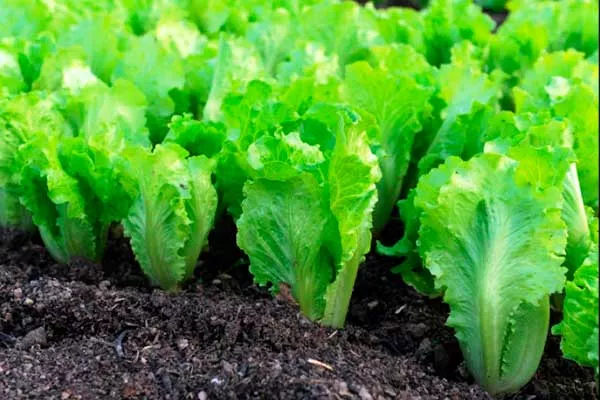
Step-by-step algorithm:
- Pre-soak seeds for 12-24 hours in warm water to speed up germination.
- Dig the area to a depth of about 20 cm, level the surface and make furrows for the seeds.
- Sow seeds to a depth of 1-1.5 cm. The distance between rows is 25-30 cm, between plants – 20-25 cm.
- Carefully sprinkle with a thin layer of soil.
- Moisturize generously.
To ensure a good harvest, carefully monitor the condition of your plants. Follow these simple care steps:
- When the plants reach a height of 5-6 cm, thin them out, leaving strong and healthy specimens.
- Remove weeds regularly to avoid overcrowding.
- To speed up growth, apply nitrogen fertilizers (for example, mullein infusion or complex compositions).
- Lettuce requires regular and generous watering, as insufficient moisture can lead to bitter leaves and loose heads. Water 2-3 times a week, especially during dry periods.
- After watering or rain, loosen the soil to improve root aeration and prevent crust formation on the surface.
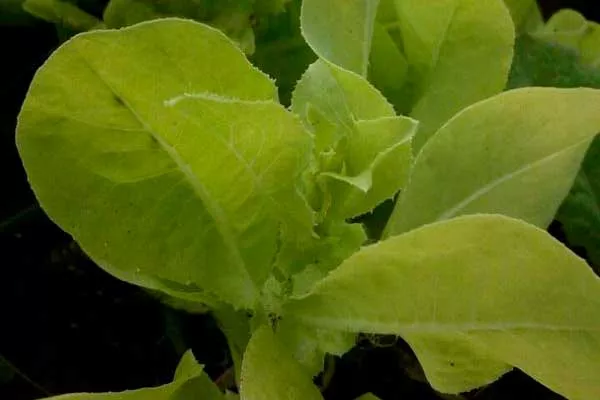
The plant has a strong immune system, but if not properly cared for, it can be susceptible to various problems. Begin treatment promptly:
| Disease/Pest | Symptoms | Methods of control |
| Powdery mildew | A white coating that causes the leaves to gradually turn yellow and dry out. | Treatment with fungicides Fitosporin and sulfur powder. Removal of affected areas. Regular ventilation. |
| Gray mold | The appearance of a gray fluffy coating. | Elimination of diseased specimens, spraying with copper-containing preparation Hom, reducing humidity. |
| Aphid | Curling and yellowing, presence of small insects on the underside of the leaves. | Using garlic infusion or soap solution, insecticide Aktara. |
| Slugs | Perforated fragments and traces of mucus on plants. | Manual collection, installation of traps and dusting with ash or tobacco dust. |
| Method | Efficiency | Period of validity |
|---|---|---|
| Garlic infusion | High against aphids | 3-5 days |
| Soap solution | Average against aphids | 2-3 days |
| Aktara insecticide | Very high against all pests | 7-10 days |
Reviews
Berlin Yellow is a lettuce prized for its low maintenance, high productivity, and excellent taste. It boasts numerous beneficial properties and excellent varietal characteristics. With simple cultivation guidelines, this variety will produce a bountiful harvest that will delight you throughout the season.