
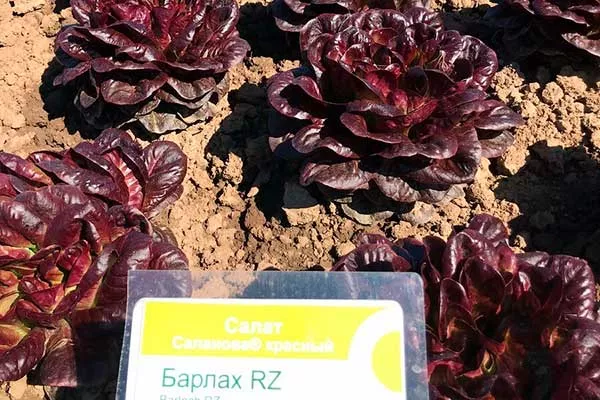
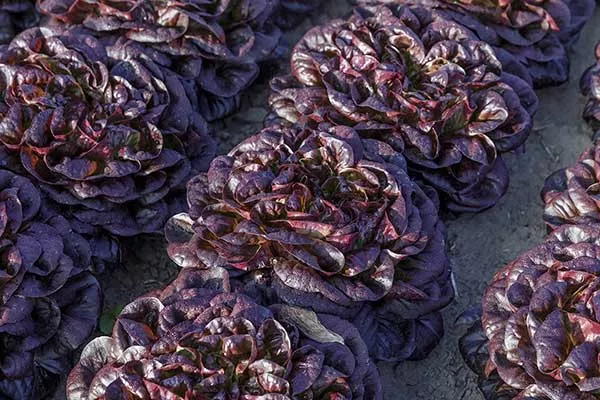
Barlach lettuce is one of the most attractive varieties, not only pleasing to the eye with its vibrant color but also surprising in flavor. Popular among fresh vegetable lovers, it's ideal for both open-air and greenhouse cultivation. It attracts attention with its generous yields and low maintenance requirements. Minimal care is key.
Introduction to the variety
The leafy variety was bred by Rijk Zwaan Zaadteelt En Zaadhandel BV in 2016 and included in the register two years later. This relatively new variety has already gained recognition among growers and consumers. The plant is resistant to stemming.
The beneficial properties of this crop include a high content of vitamins and minerals (vitamins A, C, and K), which support healthy skin and vision and strengthen the immune system. The greens are rich in antioxidants and fiber, which normalize digestion and lower cholesterol. They are low in calories.
Description of appearance and taste
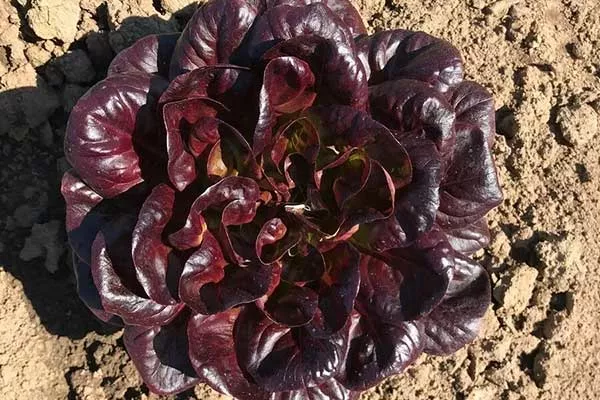
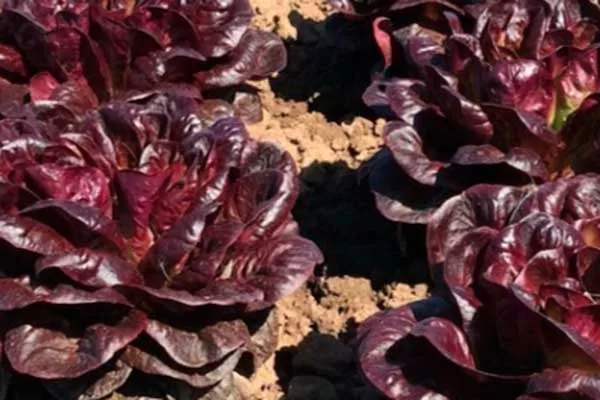
The lettuce reaches a diameter of 15-18 cm and a height of 12-15 cm. The weight of a single head ranges from 115 to 200 g. The leaves are arranged in a semi-erect rosette, small in size and elliptical in shape. They are light green at the base and dark red towards the tip.
Planting and growing
To successfully cultivate the crop, it's important to adhere to certain requirements. Here are the basic recommendations:
- Choose well-lit locations, but plants can tolerate partial shade. A site that receives morning sun and some shade during the afternoon is best.
- The plant prefers light, fertile soil with good air permeability and neutral acidity (pH 6-7). Avoid areas with stagnant water, as overwatering can lead to disease.
- Prepare the soil in advance by digging it to a depth of 20-25 cm and adding organic fertilizer (humus or compost) at a rate of 3-4 kg per square meter. To improve the soil structure, use mineral fertilizers containing nitrogen, phosphorus, and potassium. Add organic matter in the fall, and apply nitrogen before sowing in the spring.
- ✓ The optimal soil temperature for sowing should be no lower than +10°C, but no higher than +12°C, to avoid stress on plants.
- ✓ The distance between plants after thinning should be strictly 10-15 cm to ensure sufficient space for growth.
Step-by-step algorithm:
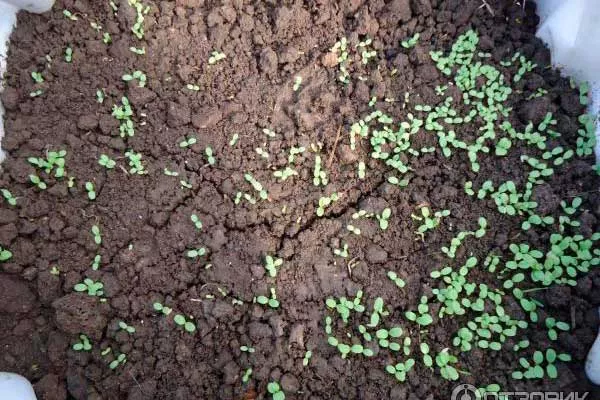
- Sow seeds directly into open ground or grow seedlings. Do this when the soil warms to 10–12°C. Plant the seeds 1–1.5 cm deep, leaving 20–25 cm between rows.
- When seedlings appear, thin out the plants, leaving 10-15 cm between them.
- To speed up growth, cover the beds with agrofibre or film.
Provide your plants with comprehensive care. Follow these simple steps:
- Water the seedlings regularly, but avoid overwatering. Apply water at the roots to prevent drips from falling on the leaves, which reduces the risk of burning. Use warm, settled water.
- Loosen the soil around the plants regularly to improve root aeration and remove weeds that may stifle growth.
- Apply the first fertilizer 10-14 days after germination, using nitrogen fertilizer to stimulate leaf growth. Subsequently, use complex mineral fertilizers with low nitrogen content and high levels of phosphorus and potassium.
The most common diseases affecting the crop are root rot, powdery mildew, and downy mildew. At the first sign of disease, use fungicides such as Fundazol, Hom, or Bordeaux mixture.
| Method | Efficiency | Period of validity |
|---|---|---|
| Garlic infusion | High against aphids | 3-5 days |
| Biopreparation Fitoverm | High against caterpillars | 7-10 days |
| Ash | Medium against slugs | Before the first rain |
The main pests of Barlach are aphids, slugs, and caterpillars. Garlic or tobacco infusions, as well as the biological product Fitoverm, are effective. Ash or coffee grounds around the plants will help repel slugs.
Avoid planting lettuce in the same spot for several years in a row (use crop rotation). Avoid overwatering and ensure good ventilation. Remove weeds and loosen the soil regularly.
Reviews
Barlach lettuce is an excellent choice for those looking to add vibrant and healthy greens to their diet. Its excellent flavor and ease of cultivation make it a true boon for gardeners of all experience levels. Proper care is essential to ensure the plants are resistant to pests and diseases, resulting in bountiful harvests.