
The Azart lettuce is a variety that combines practicality and excellent taste. Its popularity among gardeners and cooks is due not only to its high productivity and resistance to adverse conditions, but also to its versatility. With proper care, it can boost the plant's immunity and yield.
Introduction to the variety
This is an ideal choice for lovers of fresh herbs. It has a pleasant, non-bitter flavor, making it a favorite choice for many gardeners across the country. It's easy to grow thanks to its resistance to diseases and pests.
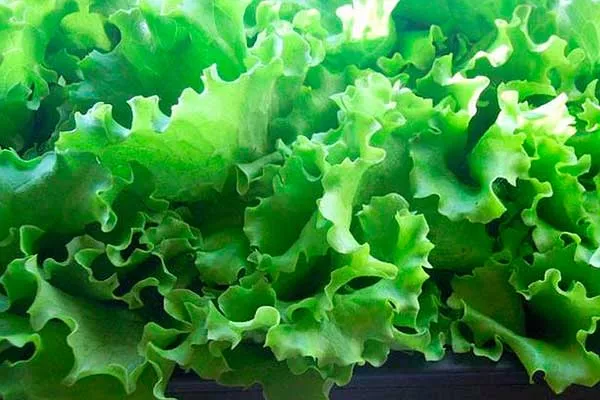
Created in 1992 by Rimma Aleksandrovna Komarova and Aleksandr Sviridovich Borodkin, Azart is a semi-headed cabbage variety with versatile uses. This mid-season variety matures in 45-65 days. It is successfully grown both outdoors and in greenhouses.
Description of appearance and taste
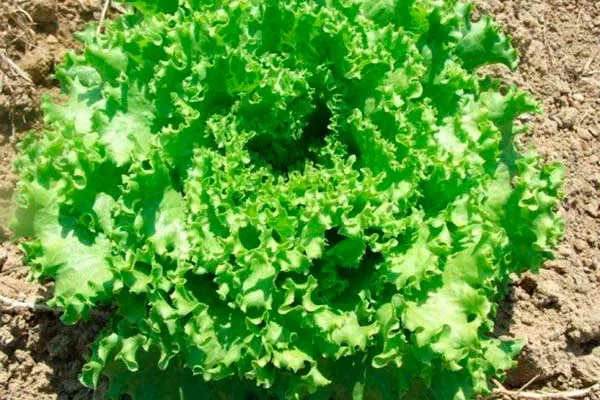
This robust plant reaches 25 to 27 cm in height and 31 to 32 cm in diameter. The weight of a single bush ranges from 230 to 250 g. The rosette is raised, with large, fan-shaped leaves colored a green hue.
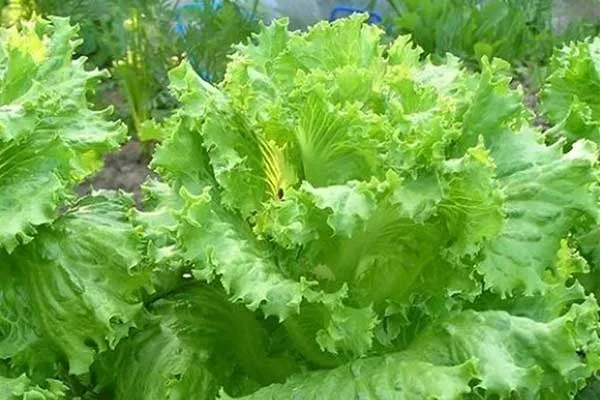
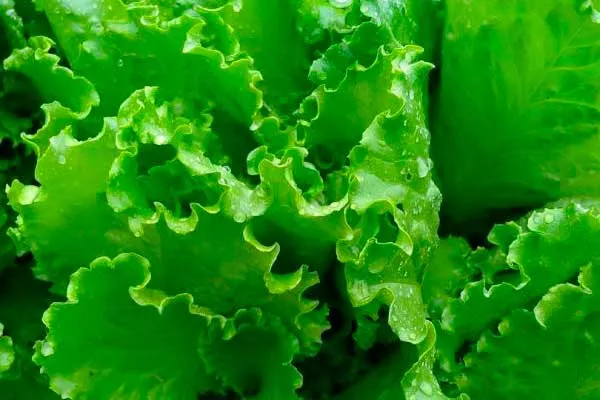
The edges are finely serrated, the surface slightly bubbly and oily. The leaves are crisp and have a fresh aroma. The flavor is pleasantly sweet without bitterness.
The benefits and harms of Azart salad
Azart combines low calorie content with a rich chemical composition, making it a popular choice for dietary nutrition. It offers numerous health benefits, including:
- stimulation of digestion;
- normalization of blood composition;
- strengthening the walls of blood vessels;
- maintaining youthful and healthy looking skin, hair, and nails;
- mild diuretic effect;
- beneficial effect on the nervous system and stimulation of brain activity;
- immune support;
- prevention of hypertension;
- normalization of metabolism;
- activation of tissue regeneration at the cellular level;
- improving lactation and the quality of breast milk in women;
- recovery from a serious illness.
Excessive salad consumption can cause increased gas production. Furthermore, it should be included in the diet with caution in those with chronic conditions such as gastritis, pancreatitis, colitis, stomach and intestinal ulcers, enteritis, urolithiasis, gout, arthritis, and arthrosis.
Application
The culture can become a complete meal with a little salt, spices, and dressing. For greater filling and to preserve its nutritional value, it can be complemented with:
- cheese;
- boiled eggs;
- avocado;
- nuts and seeds (flax, sesame, pumpkin);
- boiled chicken or lean meat.

The salad pairs well with a variety of vegetables and herbs. It's used to decorate dishes, served as a side dish on its own, or as an accompaniment to meat, poultry, and fish. It's also used in creamy soups, boiled, or stewed.
To preserve the firmness and juiciness of fresh leaves, wash them in cold water immediately before cooking.
Growing the Azart salad
Regardless of cultivation method, the crop does not require complex or labor-intensive care. Its agricultural requirements remain similar whether grown outdoors or indoors.
- ✓ The optimal soil temperature for sowing seeds should not be below +5°C.
- ✓ To prevent nitrate accumulation in leaves, avoid using nitrogen fertilizers during the period of active growth.
From seeds in open ground
Grow lettuce without seedlings, sowing seeds directly into the soil. Depending on your climate, plant from early April to mid-May. The optimal growing pattern for mature rosettes is 20-25 cm between plants and 30-35 cm between rows.
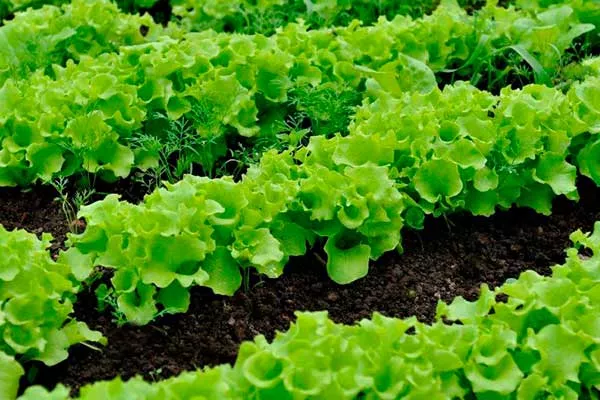
A well-lit, sunny bed is ideal. The plant tolerates direct sunlight and gusts of wind. A fertile, humus-rich, and loose substrate is ideal. The optimal pH balance is neutral or slightly alkaline (6-7).
Caring for plantings includes the following activities:
- Water the bushes once a week.
- In hot weather, moisturize more often, cutting the intervals in half.
- Water the seedlings in the evening.
- Stop watering 10-12 days before harvesting to ensure the greens are more succulent and the flavor is richer.
- The first feeding should be carried out 2 weeks after the emergence of seedlings, using a complex mineral fertilizer with a low nitrogen content.
- Perform the second feeding at the beginning of head formation, using fertilizer with a high content of potassium and phosphorus.
Fertilize twice. When the seedlings reach 6-8 cm, apply a mineral nitrogen fertilizer or a suitable folk remedy. Once the "head" begins to form, use complex fertilizers.
From seeds on the windowsill
Place the planting material in pots or other containers with a capacity of 1-2 liters. Grow the greenery on a windowsill year-round, providing additional lighting with phytolamps during seasons with a lack of natural light.
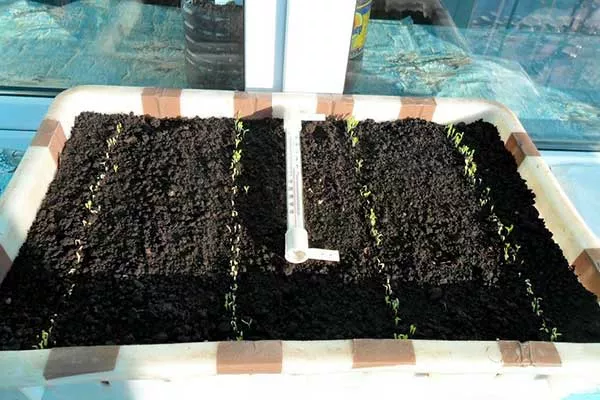
Follow these recommendations:
- Use a universal soil for seedlings, and make sure there is a drainage layer at the bottom of the container.
- Sow the seeds at a depth of 1 cm, creating a "greenhouse effect" and avoiding direct sunlight. Germination takes 4-6 days.
- After the seedlings appear, move the container to a well-lit place.
The optimal temperature for growth is 16-20°C. Plants tolerate temperatures down to 6-8°C better than prolonged heat and low humidity.
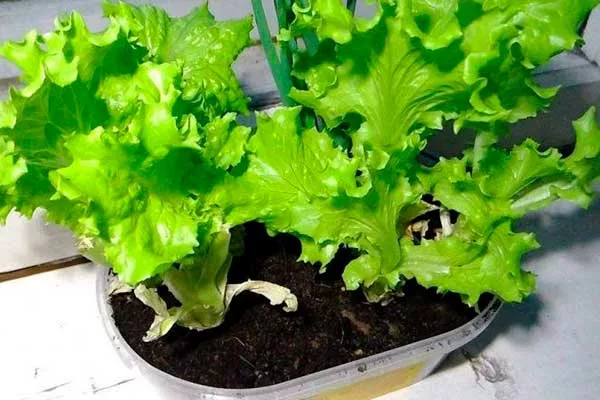
When growing from seeds indoors, water the bushes every 2-3 days and fertilize every 1.5-2 weeks. Spray during extreme heat. When choosing fertilizer, keep in mind that leaves can accumulate nitrates, so avoid overdosing on nitrogen.
Salad harvesting
Harvest when the rosettes reach the desired size and are a rich green color. Pick leaves as needed, starting with the outer ones. Cut the head at the root to remove all the plants.
Positive and negative qualities
Research the advantages and disadvantages of the culture beforehand to avoid potential difficulties. Azart has many advantages:
No objective shortcomings that could significantly reduce the salad's popularity were identified. Gardeners consider the only limitation to be the leaves' poor suitability for long-term fresh storage, which is typical for all leafy greens.
Reviews
The Azart lettuce has deservedly earned recognition for its excellent characteristics and ease of cultivation. It's suitable for both beginner and experienced gardeners, as it requires minimal growing conditions. However, to ensure high-quality plants and a bountiful harvest, following important rules and implementing proper agricultural practices is essential.