
Anapchanin lettuce is a popular semi-cabbage variety, attracting the attention of both amateur and professional gardeners. It has gained popularity due to its excellent taste, excellent varietal characteristics, and culinary versatility. It's important to understand the characteristics of this crop and provide proper care for bountiful harvests.
Introduction to the variety
Bred in 2007 by a group of breeders: Yu. P. Shevchenko, V. F. Pivovarov, V. A. Kharchenko, G. S. Shevchenko, and E. L. Kurbakov. It is used for both food and ornamental purposes.
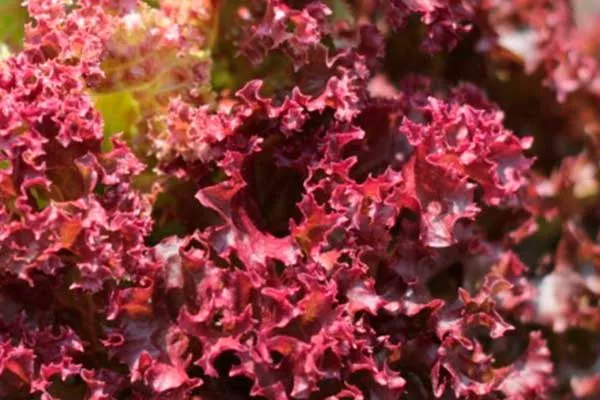
The plant reaches technical maturity two months after sowing, but the first leaves can be harvested as early as two weeks after emergence. Proper agricultural practices are essential for a bountiful harvest (up to 2.5 kg per square meter).
Anapa pineapple has numerous beneficial properties, making it an excellent addition to the diet. Here are a few:
- Contains vitamins A, C, and K, and the minerals potassium and calcium. Vitamin A supports eye and skin health, vitamin C strengthens the immune system, and vitamin K is important for bone health and blood clotting.
- Rich in fiber, it promotes normal bowel function, improves digestion, and prevents constipation. Regular consumption helps maintain healthy gut flora.
- Contains antioxidants, which help protect the body's cells from damage caused by free radicals. This may reduce the risk of chronic diseases and slow the aging process.
- It's calorie-free, making it ideal for those watching their weight. It's perfect for light snacks and salads without adding unnecessary calories.
It contains a large amount of water, helping maintain hydration. Regular consumption of lettuce can help lower cholesterol and blood pressure thanks to its beneficial nutrients.
Description of appearance and taste
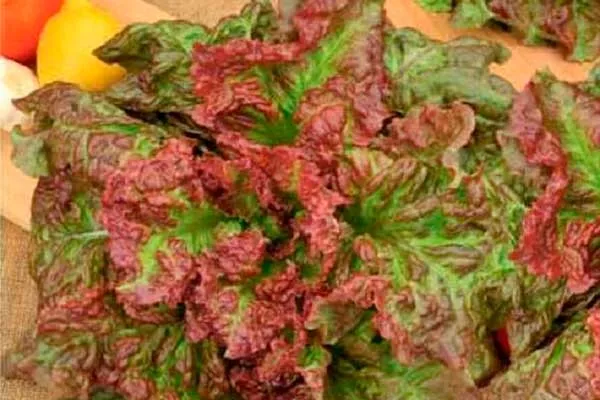
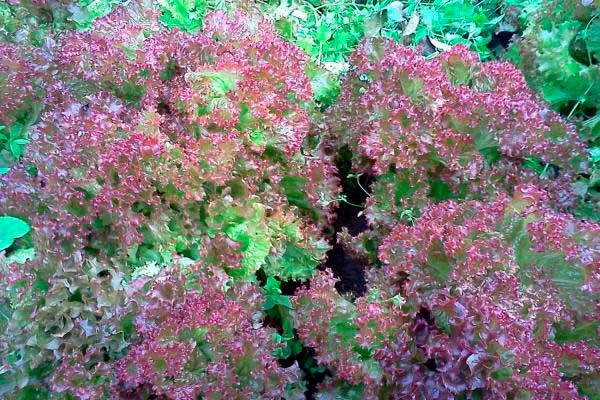
The head grows up to 28 cm in height and reaches up to 36 cm in diameter. The weight of a single plant ranges from 290 to 300 g. The rosette is semi-erect, with large, rounded-flat leaves with a wavy edge and a bubbly surface.
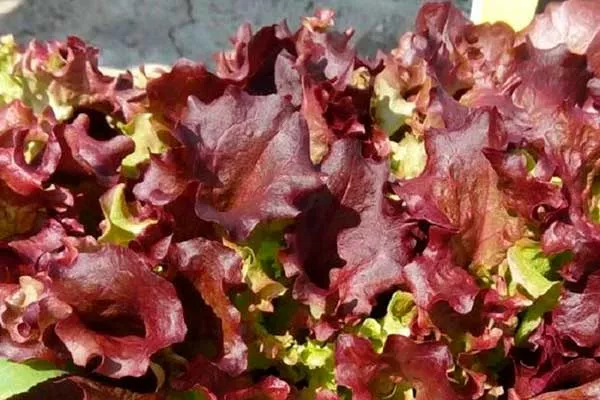
The ruffled upper edge takes on a red color, while the rest remains a soft green. The red color intensifies as daytime temperatures rise. The salad has a delicate and pleasant flavor.
Culinary uses
It's popular in a variety of dishes. Its juicy and tender leaves are ideal for fresh salads and used as a garnish. The greens are added to soups, side dishes, and omelets. They're often found in burgers and sandwiches.
Planting and growing
Growing lettuce is a fun, low-effort process that can yield a bountiful harvest. It's important to consider certain requirements to ensure a robust crop.
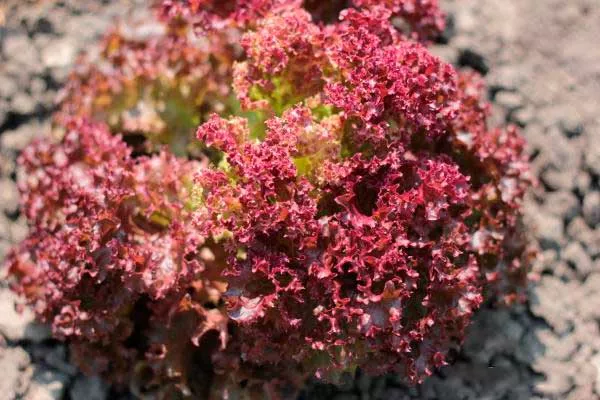
- ✓ Optimum soil temperature for sowing: +10-15°C, but not below +5°C at night.
- ✓ The distance between plants should be at least 20 cm to ensure sufficient space for growth.
Planting dates
Sow seeds outdoors in spring, when soil temperatures reach 10-15°C. Plan for late April to early May. Planting as late as August is also possible, allowing for an early harvest the following spring.
Selecting a site and preparing the soil
Choose sunny sites with good wind protection. This variety prefers light, fertile soil with good drainage.
Before planting, prepare the bed: dig it up and add organic fertilizers (compost or humus), which will provide the plants with the necessary nutrients.
Sowing
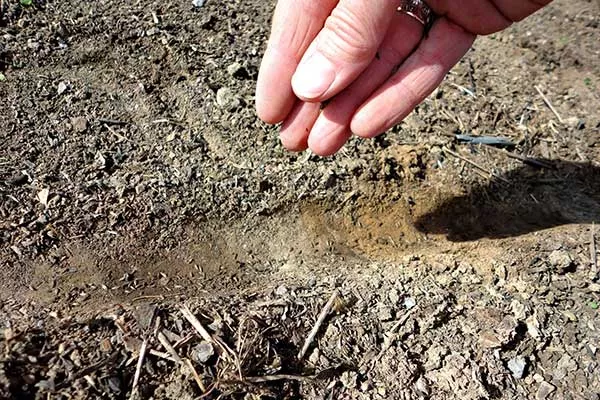
Place the seedlings at a depth of 1-2 cm, maintaining a distance of approximately 20-30 cm between rows. Lightly moisten the soil, then cover with agrofibre or film to create greenhouse conditions until the seedlings emerge. This will help speed up germination and protect them from cold temperatures.
Care
Caring for your crop involves several important aspects that will help ensure optimal conditions for growth and a bountiful harvest. Follow standard agricultural practices:
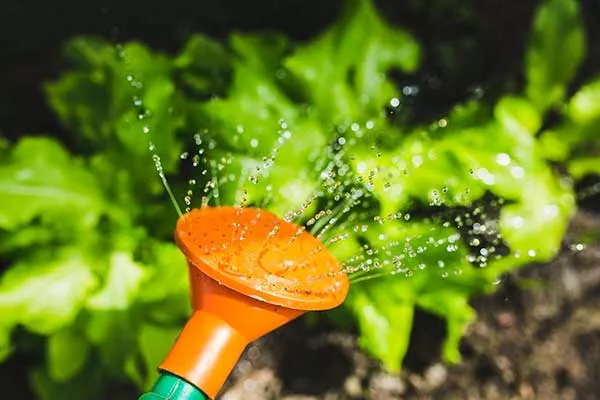
- Watering. Water the plants regularly, especially during active growth. Water in the morning or evening to prevent moisture evaporation.

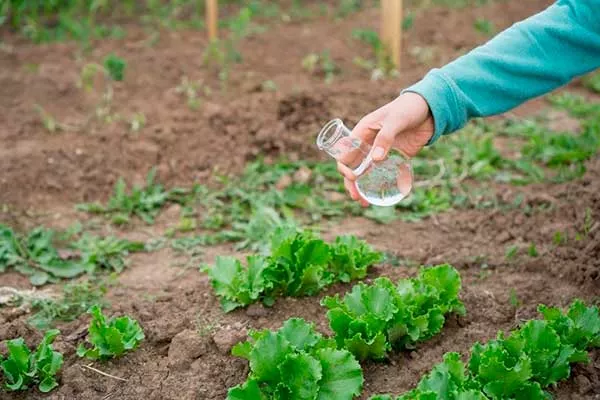
Use warm, settled water, pouring it under the roots, avoiding drips on the leaves to prevent fungal diseases. The soil should be moderately moist, but not waterlogged. - Top dressing. To increase productivity, fertilize your plants. Two weeks after germination, apply complex mineral fertilizers or organic matter, such as mullein or chicken manure infusion.
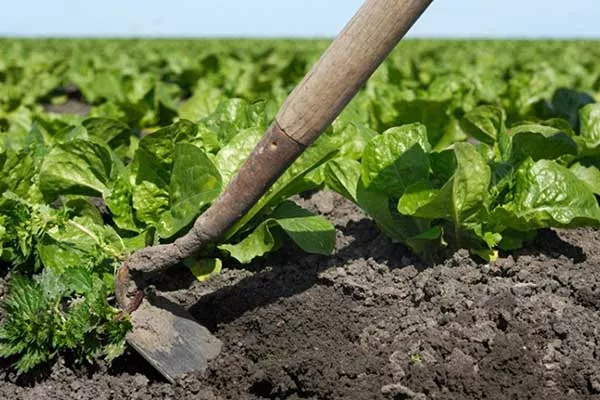
From then on, feed the cabbage heads every 2-3 weeks, alternating organic and mineral fertilizers. This will help maintain their health and stimulate growth. - Weeding and loosening. Regularly remove weeds that may compete for nutrients and moisture. Loosen the soil around the bushes to improve aeration and drainage. This promotes better root development and prevents soil crust formation.
- Protection from pests and diseases. Conduct preventative insect control treatments using natural insecticides or herbal infusions. Watch for signs of diseases such as powdery mildew or blackleg. If problems arise, apply fungicides immediately.
- Treat with natural insecticides every 2 weeks to prevent pests.
- Inspect plants for signs of disease weekly.
Reviews
The Anapchanin lettuce continues to gain popularity among gardeners due to its low maintenance and tolerance to adverse conditions. This variety is ideal for both experienced and novice gardeners. By following simple guidelines and observing proper growing conditions, you can enjoy fresh, crisp leaves throughout the season.