
Aficion lettuce is a renowned green variety that has gained popularity among Russian gardeners. It boasts not only a delicate texture and rich flavor, but also low maintenance, making it an ideal choice for growing indoors and outdoors. Minimal attention and care are essential to ensure bountiful harvests.
Peculiarities of origin
The application number for approval 38705 was submitted by RIJK ZWAAN WELVER GMBH and registered on November 12, 2002. The originator of the variety was the company "RIJK ZWAAN" from the Netherlands, and in 2003 the variety was included in the register of approved varieties.
Characteristics and description
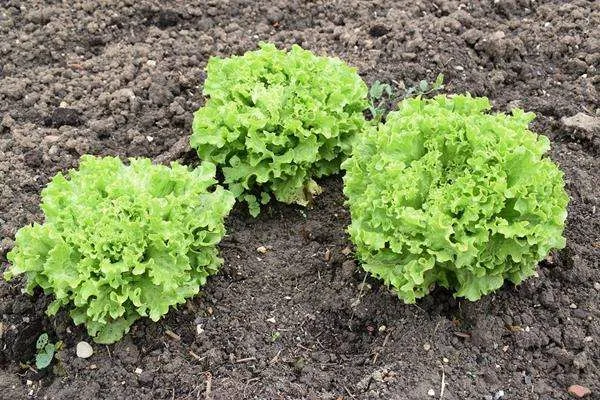
The plant reaches a height of about 24 cm, and a single head weighs between 50 and 60 g. The leaves are horizontally arranged, medium-sized, and light green. The margins are moderately wavy, without notches at the apex. The surface is convex, glossy, and slightly bubbly. They are crisp and juicy.
| Parameter | Indicator |
|---|---|
| Plant height | 24 cm |
| Head weight | 50-60 g |
| Leaf shape | Horizontal, medium wavy edges |
| Color | Light green |
| Texture | Crispy, juicy |
| Surface of the sheet | Glossy, bubbly |
The beneficial properties of Aficion salad
Greens are rich in vitamins A, C, K, B6, folate, calcium, magnesium, and iron, making them beneficial for human health. Regular consumption helps strengthen the immune system, improve digestion, lower cholesterol, and maintain healthy skin and hair.
Application
It's versatile and widely used in cooking. Its delicate flavor and crisp texture make it an ideal ingredient for a variety of dishes. However, it does have some contraindications.
Culinary uses
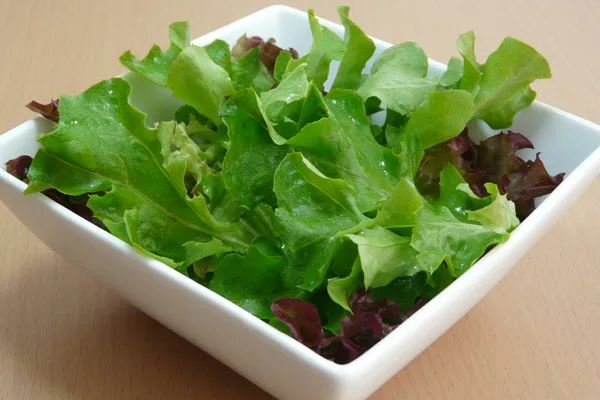
Often used in cooking in combination with other green varieties, the leaves are dense and attractive, making them an excellent choice for salad mixes and garnishing dishes. They look great on sandwiches and add a fresh flavor even to simple dishes, such as omelets.
The leaves are torn by hand and seasoned with herb-infused olive oil. They lack bitterness—they are tender and juicy, making this variety ideal for a variety of dishes, including meat, vegetables, and fast food.
Benefits and treatment of Aficion salad
Greens are beneficial for those experiencing vitamin and mineral deficiencies and are recommended for the elderly, as they help lower cholesterol. Regular consumption supports blood formation and effectively prevents anemia. They also have a positive effect on skin health.
This salad is especially beneficial for people with metabolic disorders and should be included in the diets of schoolchildren and students due to its folate content, which is essential for brain function. It is also recommended for pregnant women as it is hypoallergenic and easily digestible.
The harm and contraindications of Aficion salad
Green leaves can cause adverse reactions in case of individual intolerance or excessive consumption. For best flavor and nutritional benefits, it's best to eat it immediately after purchase.
Features of cultivation
Aficion lettuce is a variety with soft leaves and a vibrant green color. Its popularity stems from both its excellent taste and numerous beneficial properties. Growing this crop is a fun activity that even beginners can handle.
Key requirements
Planting greenery requires careful consideration. Follow these guidelines:
- The plant prefers light, fertile, and well-drained soil. Use a general-purpose vegetable soil, adding perlite or coarse sand to improve drainage.
- For optimal germination, the temperature should be around 15-20°C. Provide the plants with sufficient light. Germinate the seeds on a damp cloth or in plastic bags to speed up germination.
- Plant them to a depth of 2-3 cm. Then compact the soil and moisten it.
- For best growth, leave 20-30 cm between rows and 15-20 cm between plants within a row.
Water the seedlings moderately, avoiding water getting on the leaves. Weed and loosen the soil regularly. Feed with organic fertilizer or mineral supplements.
Preparing seeds for sowing
Organization is key to a successful harvest. When purchasing planting material from reputable producers, carefully read the instructions and follow the recommendations.
Follow the general preparation rules to ensure quality and a high yield:
- Make sure the packaging is intact. Avoid wrinkled or torn bags, as this may indicate quality issues.
- Pre-check the seeds visually and discard any damaged ones.
- Use a salt water solution (30 g of salt per 1 liter of water). After 5 minutes, remove any floating particles, rinse the remaining particles with clean water, and dry.

Planting methods
There are several methods of growing the crop.
| Method | Sowing dates | Depth | Germination temperature |
|---|---|---|---|
| Open ground | April-May | 1-1.5 cm | +15…+20°C |
| Home (window sill) | All year round | 0.5-0.8 cm | +18…+22°C |
| Greenhouse | March-October | 1 cm | +16…+25°C |
| Hydroponics | All year round | 0.3 cm | +20…+24°C |
It is cultivated in garden plots and grown at home.
Traditional planting
Prepare a medium-sized plastic container with drainage holes to prevent overwatering. If using a ceramic pot, line its sides with a perforated plastic bag.
Then follow the instructions:
- Clean the pot of any previous plant debris by washing it with soapy water or a solution of water and bleach.
- Fill the container with general purpose potting soil, leaving 2.5 cm from the top.
- Sow the seeds evenly on the surface and cover them with a 5-8 mm layer of soil.
- Moisten the soil with a spray bottle, maintaining moderate moisture.
Sowing seeds in open ground requires following a few simple rules for successful growth and a good harvest. Here are the main steps:
- Choose a sunny location with partial shade during hot periods. Dig the area to a depth of 15-20 cm, remove weeds, and add humus or compost to improve fertility.
- Place the planting material in rows spaced 20-30 cm apart. Make furrows 1-1.5 cm deep and distribute them evenly, being careful not to overcrowd the seedlings. The optimal spacing is 2-3 cm.
- Cover with a thin layer of soil (about 1 cm) and gently compact to improve soil contact. Water the beds with warm water from a watering can fitted with a fine strainer to prevent soil erosion.
- To accelerate growth and protect against night frosts, cover the beds with agrofibre or film. Check the seedlings regularly to keep the soil slightly moist, but do not overwater. The first shoots should appear within a week or two.
When the seedlings have 2-3 true leaves, thin the plants, leaving 10-15 cm between them. This will provide them with enough space to grow.
The quick way
Cut off the corners of a large plastic bag and poke a few small holes in it to allow water to drain and prevent soil from spilling out. Fill it 3/4 full with soil and moisten it beforehand.
Next, follow the recommendations:
- Place the bag on a stand or plate to prevent contamination of the windowsill.
- Sow the seeds evenly and cover with a layer of soil up to 5 mm thick.
- Moisten with a spray bottle, avoiding excess water.
- Leave a small opening for air. Place in a sunny spot or under artificial light, providing 14-16 hours of light per day.
Once the seedlings emerge, open the bag and continue spraying the soil. Pick off the outer leaves as they grow, rather than waiting for them to become large.
Replanting lettuce after harvesting
After harvesting the edible greens, place the remaining plant material in a glass container and add some water. Place it in a sunny spot or under a grow light. New leaves will begin to grow within a few days. Change the water daily and trim the leaves as needed.
Sowing on the windowsill
Choose a plastic container with drainage holes. A depth of 20-25 cm is sufficient, as lettuce has a shallow root system. Use a general-purpose potting soil for indoor plants, adding a little perlite or coarse sand to improve drainage.
Step-by-step algorithm:
- Wash and disinfect the container if it has been used previously.
- Fill with soil, leaving about 2.5 cm to the edge.
- Germinate seeds by soaking them in a nutrient solution for 6-24 hours.
- Place them on the surface, distributing them evenly, and cover with a thin layer of soil (5-8 mm).
- Moisten with a spray bottle.
By following these simple guidelines, you can successfully grow Aficion lettuce on your windowsill, enjoying fresh leaves all year round.
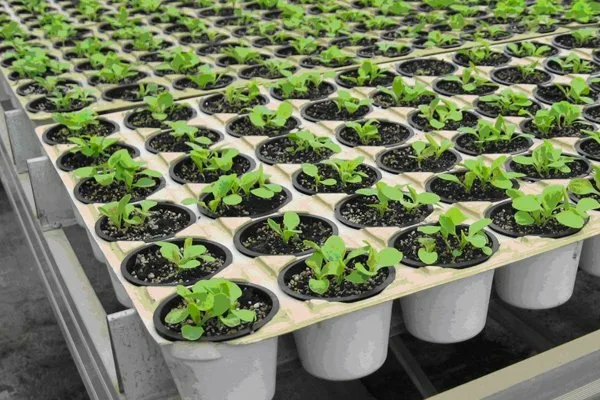
Tips for watering and fertilizing
The plant prefers moderate watering. Keep the top layer slightly moist, but avoid overwatering to prevent rot and other problems.
Follow simple care procedures:
- Water plants in the morning or evening to minimize evaporation. Use a soft-flowing watering can or drip irrigation for even water distribution.
- Fertilize your plants regularly to ensure they receive the necessary nutrients. Use organic fertilizers or specialized vegetable mixes according to the instructions, avoiding overuse.
- Feed during the active growth stage, usually in the first weeks after emergence.
Check the condition of your greens regularly and adjust watering and fertilization according to their needs.
Feeding schedule
- 1 week: nitrogen fertilizers (10 g urea/10 l water)
- Week 3: NPK 10-10-10 complex (15 g/m²)
- Week 5: Potassium fertilization (5 g potassium sulfate/5 l)
- Before harvesting: foliar treatment with calcium (2 g/l)
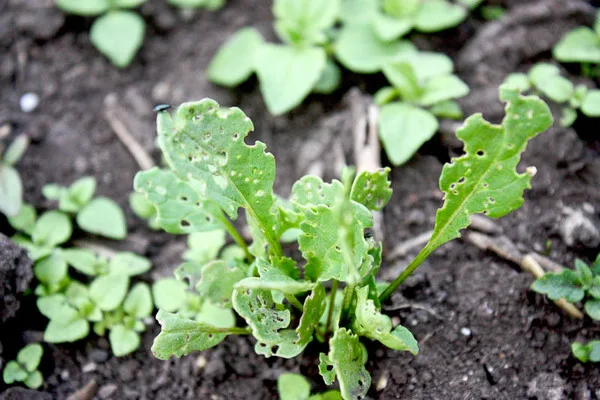
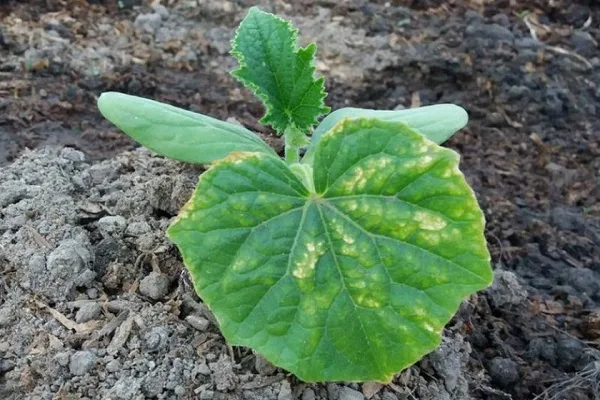
Aficion lettuce is sensitive to water or nutrient deficiencies, so watch for signs of stress and take action quickly.
Collection, storage
Before harvesting, inspect and remove any damaged or diseased leaves. Harvest when the lettuce reaches maturity but has not yet begun to form florets.
Use sharp garden shears or a knife to make a neat cut. Sort and clean the lettuce. Do not wash the leaves before storing to prevent rotting. Place them in a plastic bag and store in the refrigerator at 2–4°C.
| Storage method | Best before date | Conditions |
|---|---|---|
| Refrigerator (in a bag) | 5-7 days | Humidity 85-90% |
| Vacuum packaging | 10-12 days | Temperature +1°C |
| In a container with water | 3-4 days | Change water daily |
| Freezing (blanching) | 8-10 months | -18°C |
Reviews
Aficion lettuce is an excellent choice for home gardeners, offering the opportunity to enjoy fresh green leaves year-round. Its ease of care and remarkable flavor make it an indispensable culinary ingredient and a healthy addition to the diet. The key is minimal care and attention.