
Sweet rhubarb is not only a tasty and nutritious food but also a true treasure for gardeners and culinary enthusiasts. Its diverse varieties and unique qualities make it indispensable in cooking and garnishing dishes. It's easy to grow and requires minimal care.
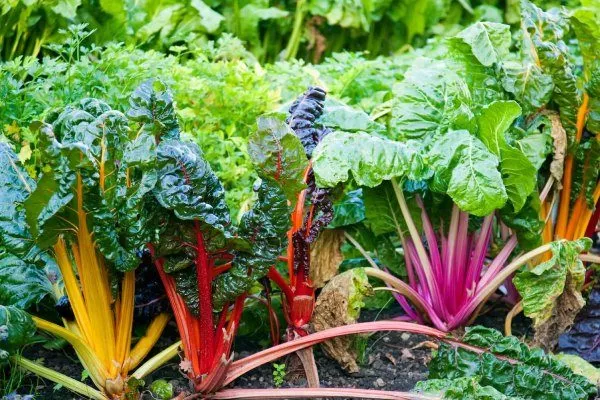
Features of sweet rhubarb and its scope of application
Rhubarb is a large perennial plant with an annual stem that can grow taller than a person. It has a robust root system, and its leaves and petioles can reach lengths of up to 1 meter. Wild rhubarb grows in Asia, from the Urals to the Himalayas and Israel, and is cultivated in Europe and the United States.
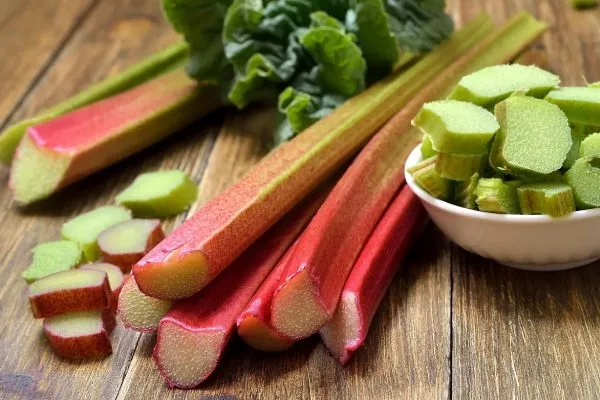
This prolific and early-ripening spring "fruit" attracts cooks with its pinkish-green, sometimes even purple, stems, reminiscent of celery stalks but with a much more tart flavor. This makes rhubarb ideal for desserts and baked goods.
The most popular sweet rhubarb varieties
The amazing diversity of cultivated rhubarb varieties allows everyone to find a variety to suit their taste. The fleshy stems with a characteristic sweet-tart flavor are widely used in cooking: they are used to make compotes and jams, and are used in green soups. Popular varieties are listed below.
| Name | Growing season (days) | Frost resistance (°C) | Optimum soil acidity (pH) | Oxalic acid content (%) |
|---|---|---|---|---|
| Altai Dawns | 23 | -25 | 6.0-6.8 | 0.8 |
| Canadian Red | 45 | -20 | 5.5-6.5 | 0.6 |
| Robin | 30 | -30 | 6.2-7.0 | 0.7 |
| Ogre 13 | 28 | -28 | 6.0-6.5 | 0.9 |
| Victoria | 33 | -22 | 5.8-6.8 | 0.75 |
| Giant | 40 | -26 | 6.0-7.0 | 0.85 |
| Rasbery red | 50 | -35 | 5.5-6.0 | 0.65 |
| Gigantic | 50 | -24 | 6.2-6.8 | 0.8 |
| Candied | 25 | -20 | 6.0-6.5 | 0.7 |
| Large-petiolate | 25 | -27 | 6.0-6.8 | 0.9 |
- ✓ Age of the division: 2-3 years with 3-5 renewal buds
- ✓ Rhizome diameter: not less than 4-5 cm with a developed fibrous system
- ✓ No mechanical damage or signs of rot on the cut
- ✓ Maintaining petiole turgor during transportation
Altai Dawns
A spreading bush with strong, deep-red petioles. Suitable for growing in all regions of Russia. Distinguishing features:
- Petiole length – up to 70 cm.
- Weight - 80-120 g
- Taste - sweet and sour.
The yield is up to 4.2 kg per square meter. The cuttings reach technical maturity in just 23 days. The crop is renowned for its excellent commercial qualities, disease resistance, and frost hardiness.
Canadian Red
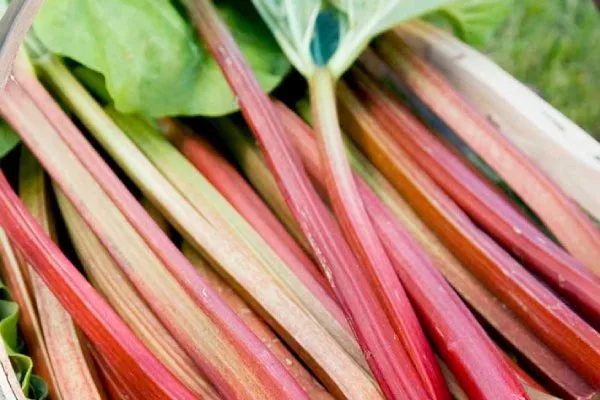
This rhubarb variety stands out for its sweetness. The stalks are very juicy and sweet, and their bright cherry color is preserved when cooked. Unlike other varieties, they have a very delicate texture. The harvest can be harvested throughout the summer.
Features of rhubarb:
- Plant height – 60 cm.
- Peduncle height – 50 cm.
- Leaves - large, corrugated, painted in a green hue.
The plant prefers sunny locations. Its upright habit makes it a popular choice for mass plantings and as a decorative addition to garden plots.
Robin
Rhubarb wavy was developed at the All-Russian Research Institute of Vegetable Crops Breeding and Seed Production and approved for use in the East Siberian region since 1993. It has many distinctive qualities:
- Leaves - medium-sized, green, broadly ovoid, with a slightly wavy edge and a smooth surface.
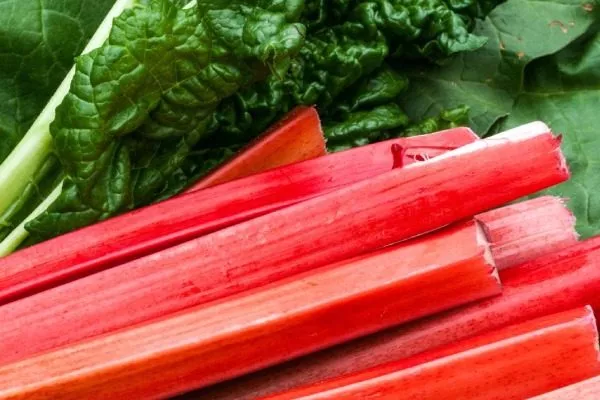
- Petioles – 30-45 cm long, cherry-colored.
- Pulp – green, with pink spots at the base.
- Taste - sweetish.
This variety yields 4.5 kg per square meter. The first petioles are harvested within 30 days of spring growth. The plant is disease-resistant.
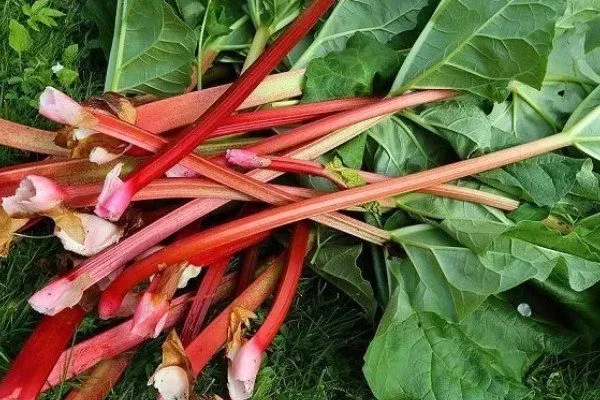
Ogre 13
This variety is distinguished by its high yield and unique petiole coloration: green with cherry-red pigmentation on top. Rhubarb is grown throughout the Russian Federation and is widely used in home cooking and canning.
Features of the variety:
- Petiole length – 45-55 cm.
- Weight - 196 g.
- Taste - sweetish, sour, rich.
The petioles reach technical maturity 25-30 days after emergence. This variety yields up to 6.3 kg per square meter. It is frost-hardy, disease-resistant, and rich in vitamins and microelements.
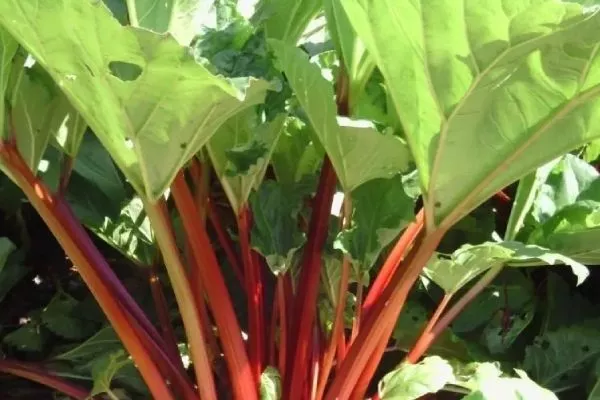
Victoria
This rhubarb variety is considered one of the tastiest and, accordingly, popular among gardeners. It is considered a table variety. The plant's petioles can be eaten fresh or used for canning. It is suitable for cultivation in all regions of the country.
Specifications:
- Length of petioles – 50-70 cm.
- Weight - 25-80 g.
- Taste - pleasant, sweet and sour.
After 30-35 days, the petioles can be harvested. Yields range from 2 to 5 kg per square meter. The plant is resistant to low temperatures and requires little care.
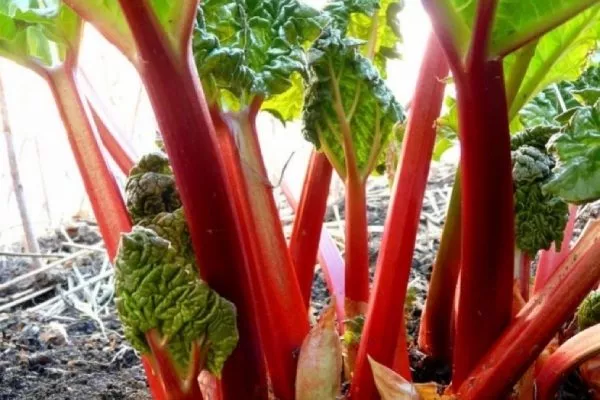
Giant
This variety is renowned for its juicy, slightly tart stalks, rich in vitamins, organic acids, and mineral salts. They are traditionally used to make compotes and refreshing drinks. The thick stalks are ideal for pie filling, with a flavor reminiscent of apple.
In spring, this perennial plant produces large leaves. It thrives in warm, well-fertilized soil. The variety is highly frost-resistant.
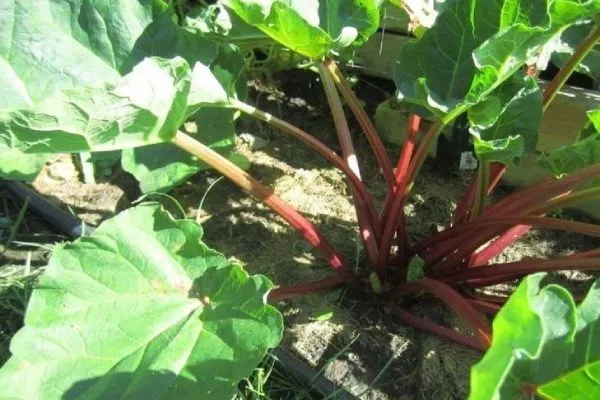
Rasberry Red
Rhubarb is a cold-hardy herbaceous plant with edible stems. Besides its beneficial properties, it is also used for garden decoration. Its large leaves adorn terraces and balconies, providing a beautiful backdrop for heucheras and perennial flowers.
Characteristic features:
- Leaves - heart-shaped, colored dark green.
- Length of petioles – 30-45 cm.
- Petiole color – pinkish red.
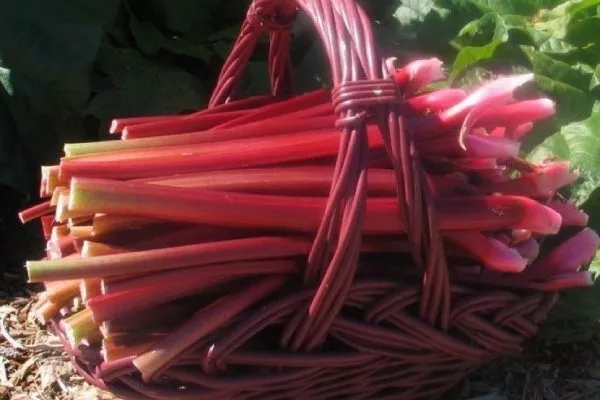
Gigantic
This late-ripening variety develops petioles within 50 days. It is highly valued for its strong immunity, making it popular among gardeners.
The petioles reach over 70 cm in length, but are fragile, requiring careful handling. The flavor is balanced, combining sweetness with a slight tartness, making this variety ideal for a variety of culinary dishes.
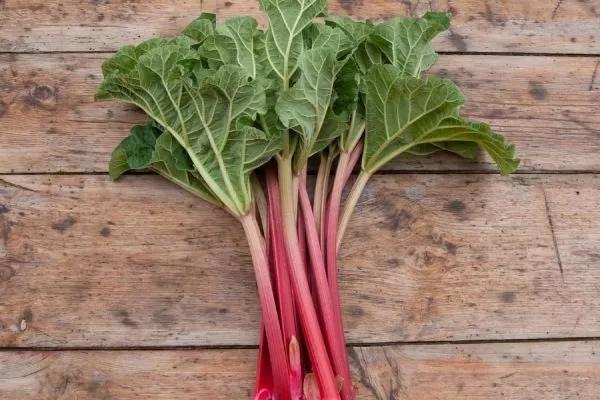
Candied
Listed in the State Register of the Russian Federation for cultivation on private farms, it is suitable for both fresh consumption and canning. It is considered a mid-season variety, with the period from the beginning of growth to readiness for use being 25 days.
Distinguishing qualities:
- Height - 50 cm.
- Rosette of leaves – Vertical, medium-length, green-tinted. It has a bubbly and wavy edge.
- Petioles – medium length, red color.
- Weight - 200 g
- Pulp – pinkish tint.
The yield reaches 3.5 kg per square meter. This rhubarb variety has good cold and frost resistance and responds positively to watering, but does not tolerate stagnant water.
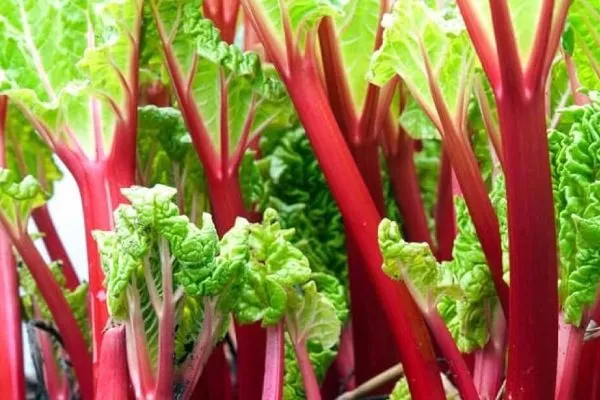
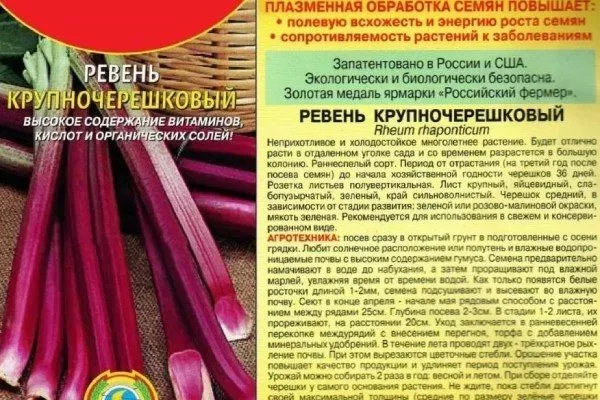
Large-petiolate
The variety was developed at the All-Russian Research Institute of Vegetable Crops Breeding and Seed Production and was approved for use throughout the Russian Federation back in 1976. It is suitable for growing in gardens and vegetable plots, as well as in private farms and farms.
Distinguishing features:
- Leaves - Large, heart-shaped and elongated, they are dark green in color and have wavy, serrated edges.
- Petioles – 45-50 cm long, large, raspberry-colored.
- Taste - sweet and sour.
- Pulp – tender, juicy.
This early-ripening variety yields 1.3 kg per square meter, making it an excellent choice for those who value early harvest and excellent taste.
- 3-4 weeks before planting, add 8-10 kg/m² of rotted manure or compost
- Dig to a depth of 35-40 cm while simultaneously adding 60-80 g/m² of superphosphate
- 7-10 days before planting, loosen and level the surface.
- Acidify the soil to a pH of 5.5-6.0 if necessary (for most varieties)
Sweet rhubarb is one of the most unique and sought-after vegetables in the culinary world. With its powerful stems and incredibly tasty petioles, this perennial herbaceous shrub has become an integral part of many recipes around the world. There are many varieties of rhubarb, each with its own unique characteristics.