
Rhubarb is a perennial plant renowned for its juicy, tart stalks, perfect for a variety of culinary experiments. Varieties with red stalks are especially popular among gardeners, boasting excellent flavor. Let's look at the best varieties and their characteristics.
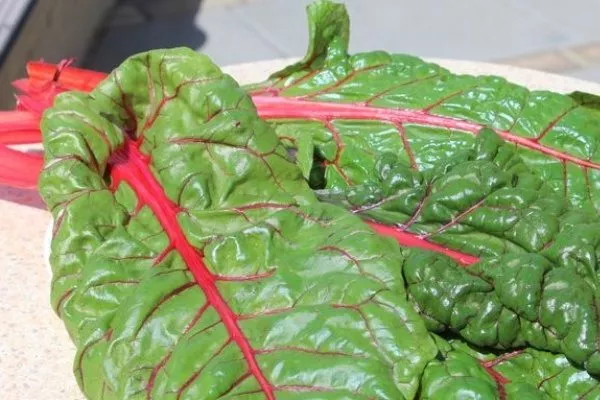
The best varieties with pink and red petioles
Rhubarb with pink and red petioles is not only visually appealing but also possesses a number of other varietal characteristics, making it a popular choice for cultivation. Popular varieties are listed below.
| Name | Growing period (days) | Disease resistance | Soil requirements | Frost resistance (°C) |
|---|---|---|---|---|
| Victoria | 30-35 | Average | Loamy | -25 |
| Red-petioled | 30-45 | High | Fertile | -30 |
| Canadian Red | 40-50 | Average | Drained | -20 |
| Cherry red | 35-45 | High | Neutral | -25 |
| Canadian Red Chipman | 45-55 | Very high | Sunny areas | -22 |
| Raspberry red | 40-50 | Average | Moderately humid | -28 |
| Glaskin's Perpetual | 50-60 | High | Drained | -18 |
| Honey | 35-40 | High | Loamy | -30 |
| McDonald's | 40-50 | Average | Heavy soils | -25 |
| Reed's Early Excellent Rhubarb | 30-40 | High | Different types | -28 |
| Ruby | 35-45 | Average | Open ground | -26 |
| Stein's Champagne | 40-50 | High | Fertile | -22 |
| Sunrise | 30-35 | Average | Illuminated | -24 |
| Timperley early | 25-30 | High | Various | -28 |
| Valentine's Day | 35-45 | Very high | Moderately humid | -30 |
| Altai Dawns | 23-25 | High | All regions | -35 |
| Robin | 30-35 | High | Fertile | -28 |
| Ogre-13 | 25-30 | Very high | All regions | -32 |
| Red Late-34 | 50-60 | Average | Fertile | -26 |
| Paragon | 40-50 | High | Open ground | -24 |
| Champagne | 20-25 | Average | Drained | -22 |
| Candied | 25-30 | High | Moderately dry | -30 |
- ✓ Age of the division: 2-3 years with 3-5 renewal buds
- ✓ Rhizome diameter: not less than 4-6 cm at the base
- ✓ No mechanical damage or rot on the cut
- ✓ Live light roots 12-15 cm long
Victoria
A table variety whose petioles are used both fresh and for canning. Victoria is suitable for growing in all regions of the country. Petioles are 50-70 cm long, with an average weight of 25-80 g. They ripen one month after germination. The yield per square meter ranges from 2 to 4.8 kg.
Red-petioled
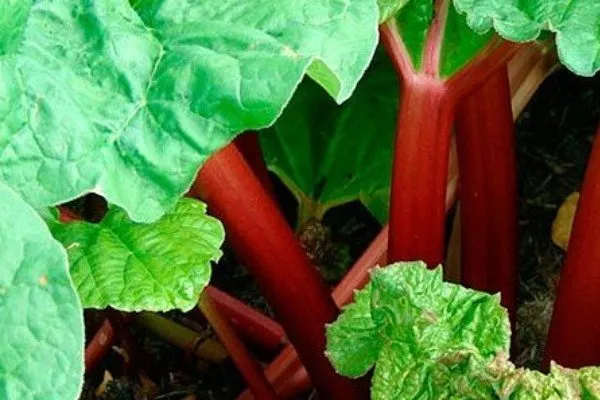
This perennial rhubarb variety produces thick, juicy stalks with tender flesh, suitable for a variety of dishes, including desserts and compotes. It ripens 1-1.5 months after germination.
Canadian Red
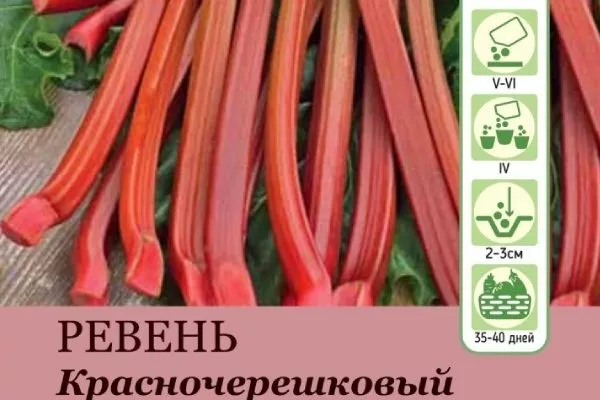
The petioles are very juicy and sweet, and retain their bright cherry color when cooked. The texture is delicate, and the harvest can be harvested all summer long.
Plants grow up to 60 cm tall and have large, corrugated green leaves. This variety thrives in sunny areas and is a popular garden ornamental.
Cherry red
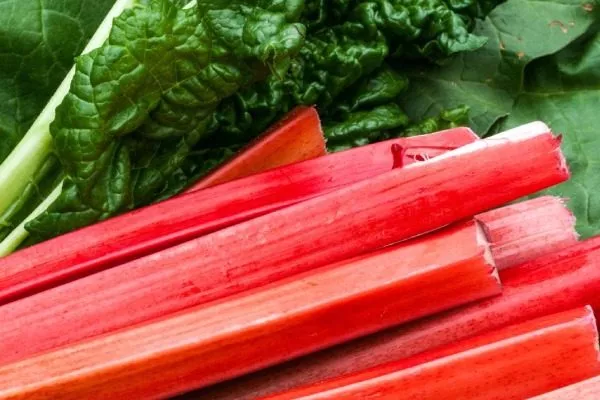
This sought-after variety stands out for its succulent, bright cherry-red petioles. Its sweetness and delicate texture make it ideal for culinary uses, including desserts and compotes. Plants reach up to 60 cm in height. The leaves are large and green.
Canadian Red Chipman
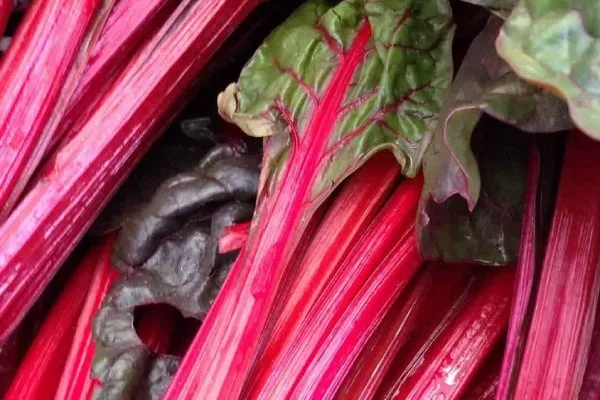
Prefers sunny locations and well-drained soil. Tall plants (60 cm) with a sweet and sour taste decorate gardens and attract attention with their bright red petioles, 30-45 cm long. The variety is disease-resistant and rarely attacked by pests.
The harvest continues throughout the summer, providing a steady supply of fresh petioles for use in home cooking.
Raspberry red
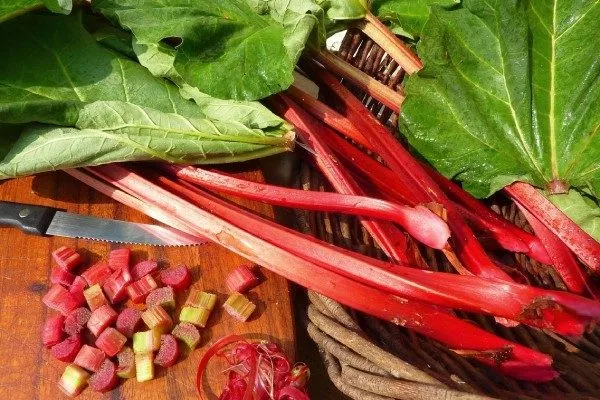
A cultivar with vibrant raspberry-red petioles and a rich flavor. They are distinguished by their juiciness and delicate texture. The plants grow up to 70 cm tall, and the petioles are 40-60 cm long. They are easy to care for and respond well to any climate change.
Glaskin's Perpetual
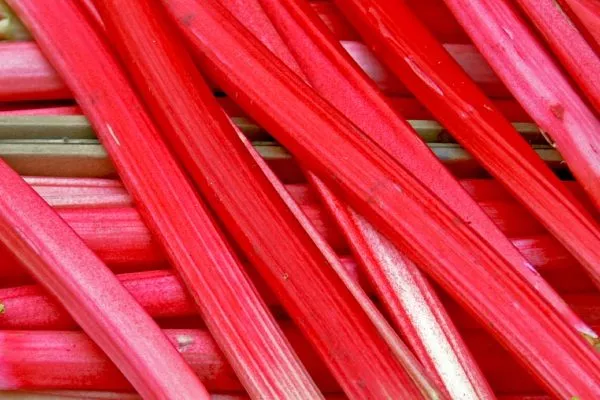
Rhubarb is a perennial plant with a strong taproot. The stems reach a height of up to 100 cm, with long internodes at the base. The leaves are triangular, 15 to 60 cm long, with a wavy margin and a heart-shaped base, on long, wide petioles. The upper stem leaves are sessile.
Prefers sunny locations and well-drained soil. It is known for its decorative qualities, thanks to its large leaves and vibrant blooms, making it an excellent choice for gardens.
Honey
This unique mid-season rhubarb variety is known for its sweet flavor and honeyed undertones. It is grown in home gardens and orchards due to its versatility: ideal for both fresh eating and canning.
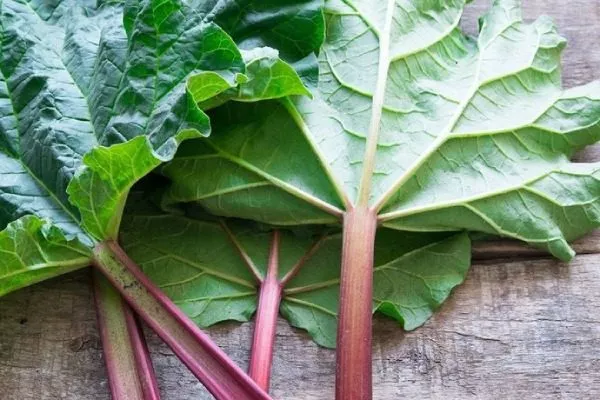
It's medium-height, with honey-colored petioles. Its green leaves are small. Rhubarb tolerates cold climates well and is disease-resistant.
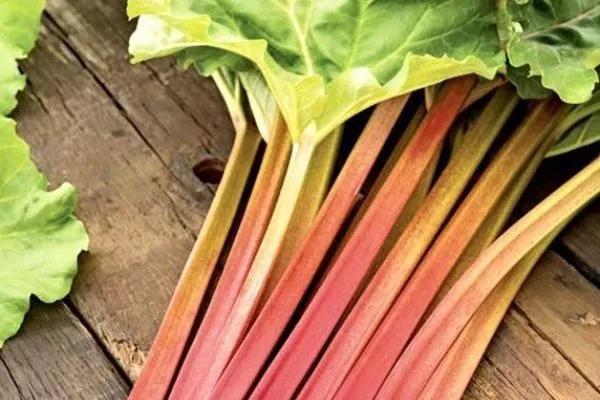
McDonald's
MacDonald rhubarb is a high-yielding variety that thrives in heavy soils. Its green stems with red hues give the plant a distinctive decorative effect.
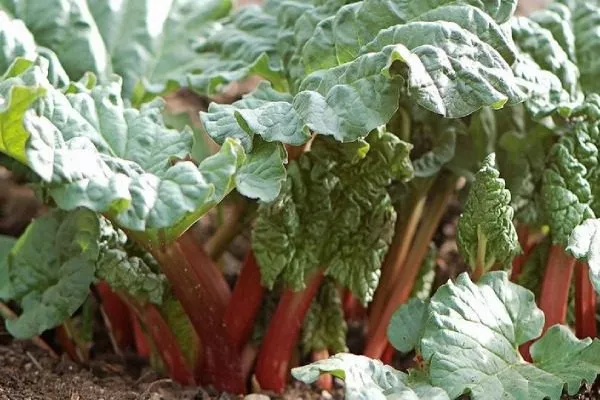
Reed's Early Excellent Rhubarb
This mid-season rhubarb variety is characterized by special qualities and a unique flavor. It is known for its high yield and grows well in a variety of soil types. The plants reach medium height. The stems are covered with large, green leaves.
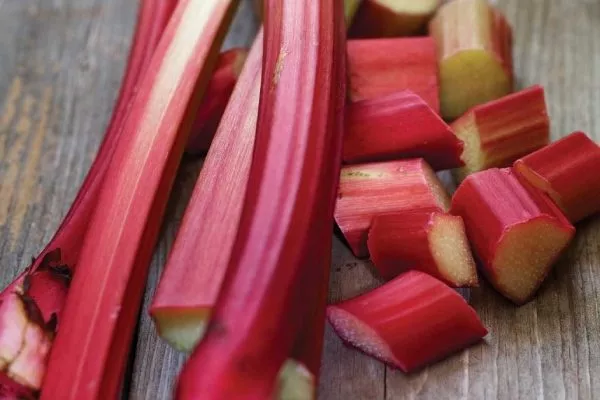
Ruby
The petioles are large, ribbed and wavy, and bright red. They have reddish flesh, and the leaf blades are dark green. This variety has a pleasant, slightly tart flavor. It is suitable for both open-ground cultivation and forcing.
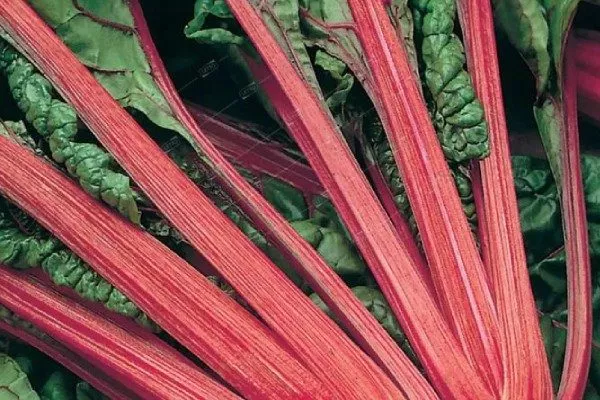
Stein's Champagne
The petioles are large and light green or yellowish, giving them a distinctive sparkle reminiscent of champagne. The flavor is sweet with a slight tartness, making it ideal for desserts and compotes.
The flesh is a delicate, creamy color that complements the rhubarb's flavor. The leaves are medium-sized and green. This variety is popular not only for its excellent flavor and decorative appearance, but also for its high yield.
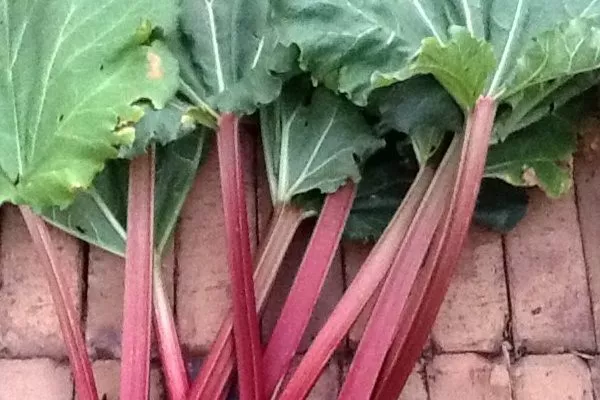
Early Sunrise
It has excellent varietal characteristics. The plants have thick stems and quickly form seed shoots. The petioles are a pleasant red color, making rhubarb not only a functional but also a decorative element in the garden.
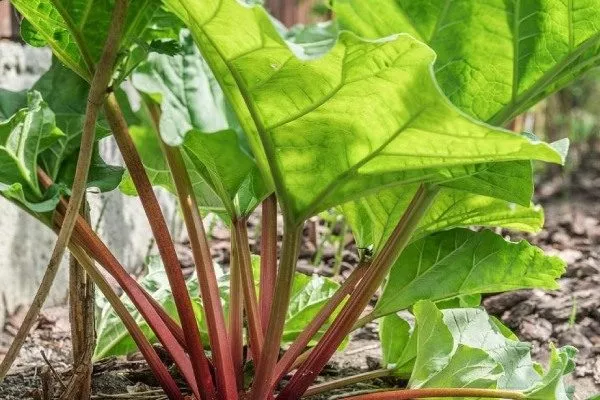
Timperley early
This high-yielding variety grows quickly and develops well. The stems are thick, with a color that ranges from dark red at the base to light green with red speckles, creating a striking visual contrast.
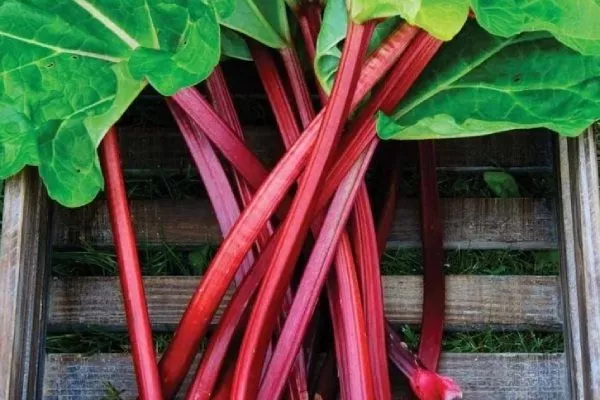
Valentine's Day
Rhubarb with a bright red color and wide stalks. It has a strong aroma and is seedless. It's ideal for freezing, maintaining its quality and flavor for a long time.
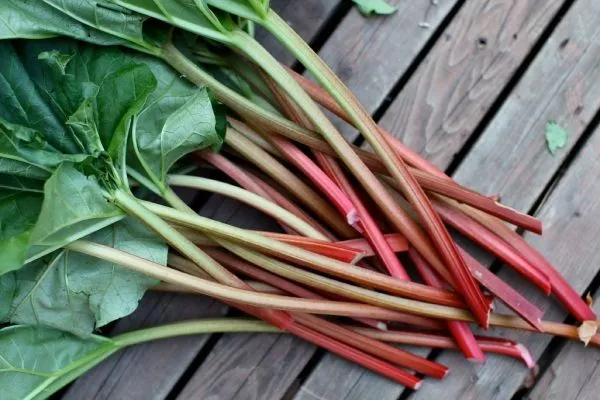
Altai Dawns
Rhubarb forms a spreading bush with strong, intensely red petioles. It is cultivated throughout Russia. Petioles grow up to 70 cm in height and weigh 80-120 g.
The yield is 4.2 kg per square meter. Technical maturity occurs in just 23 days. The crop is renowned for its excellent commercial qualities and resistance to disease and frost.
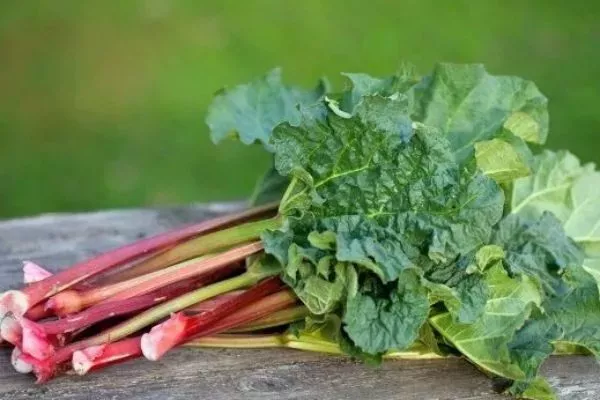
Robin
Distinguishing features of this variety include long petioles (30-45 cm), colored cherry red. They have green flesh with pink spots at the base, and a sweetish flavor.
Within just one month of spring growth, the petioles reach full maturity. The crop is rarely susceptible to disease and is considered high-yielding – up to 4.5 kg per square meter.
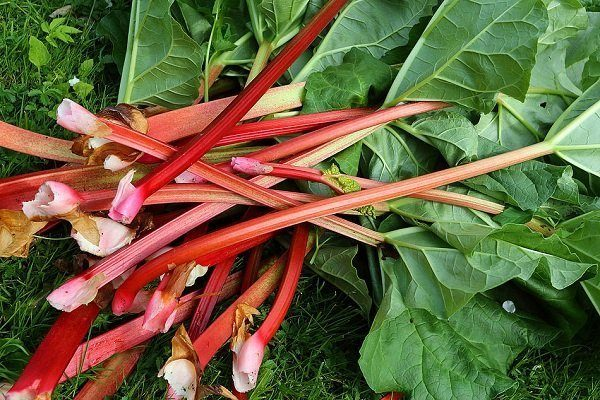
Ogre-13
A variety with uniquely colored petioles—green with cherry pigmentation. Rhubarb is grown throughout Russia and is widely used in home cooking and canning. Petioles grow to 45-55 cm in height and weigh up to 196 g. They have a sweet-tart, rich flavor.
The harvest is 25-30 days after germination. Yields are high – up to 6.3 kg per square meter. The variety is frost-resistant and disease-resistant.
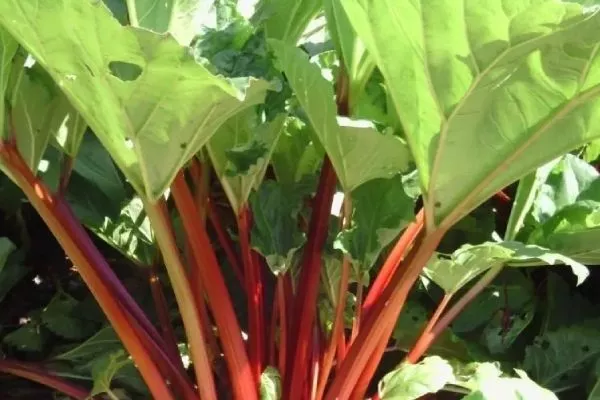
Red Late-34
The petioles are bright red and weigh up to 160 g. The leaf blades are long – from 30 to 40 cm and wide – up to 40 cm. Flower shoots form late, usually in the 3rd or 4th year after planting.
The petioles have good taste, making this variety attractive for various culinary uses.
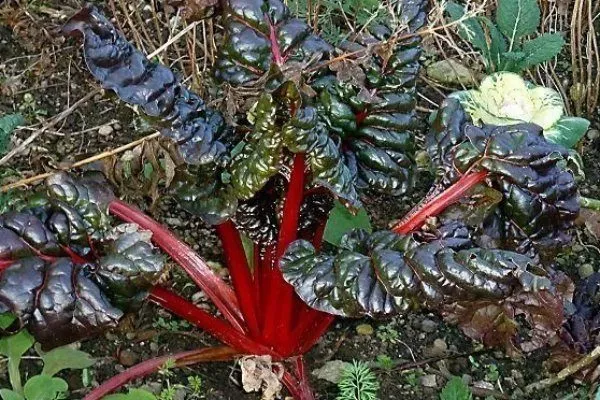
Paragon
This mid-season rhubarb variety is distinguished by its particularly fleshy and strong leaf petioles. They are dark red, smooth, but with distinct ribs. Suitable for both open-ground cultivation and forcing, it is a versatile choice for a variety of growing methods.
Champagne
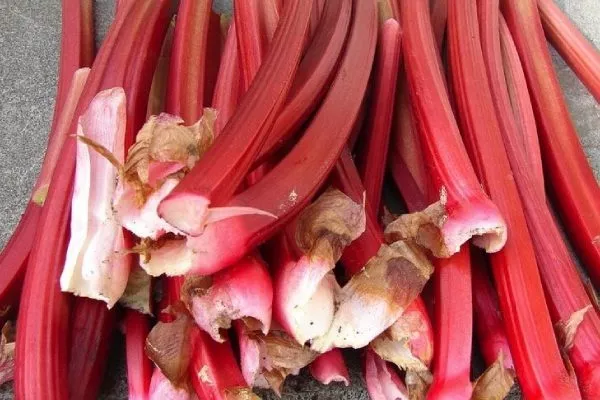
This ultra-early rhubarb variety is characterized by large leaf petioles. They are bright red, ribbed and wavy, and have a pleasantly tart flavor. The flesh is reddish. The leaf blades are large and dark green.
The variety is ideal for forcing, thanks to its particularly early maturity, making it a valuable choice for obtaining early harvests.
Candied
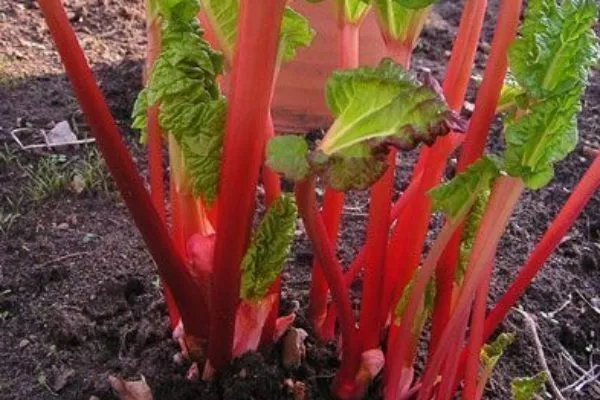
This is a mid-season variety, with a 25-day window from initial growth to maturity. Plants grow up to 50 cm tall, with a medium-length upright rosette. Leaves are green with wavy edges.
The petioles are red and weigh 200 g. The flesh is pink. The variety is frost-resistant and does not tolerate overwatering. The yield is high – up to 3.5 kg per square meter.
Advantages and disadvantages of red rhubarb
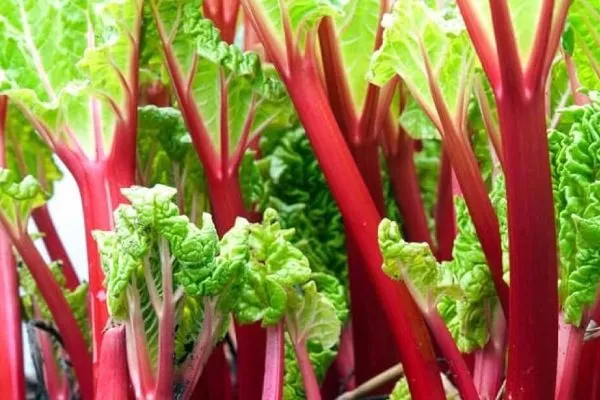
Red rhubarb is not only an ornamental plant but also a useful one, widely used in cooking. Its vibrant stems and strong aroma make it an attractive choice for gardeners and those who enjoy cooking with fresh ingredients.
The culture has its advantages and disadvantages. Advantages of red varieties:
Flaws:
Red rhubarb is a valuable crop with excellent taste and nutritional properties. Selecting the right variety plays a key role in ensuring high yields and product quality. To fully appreciate the varietal characteristics, it's important to provide the plants with proper care and implement simple agricultural practices.