
Universal parsley allows you to enjoy fresh herbs year-round. It tolerates temperature fluctuations, rarely yellows, and has a pleasant aroma and rich flavor. With proper care, it yields generous harvests, and even a beginner can grow it.

Introduction to the variety
This variety is suitable for both greens and cultivation root vegetables, making it a versatile choice. It forms a semi-upright rosette with numerous leaves. Cultivation requires little skill, making it an ideal choice for beginning vegetable growers.
Characteristics of the appearance of the plant and root crops
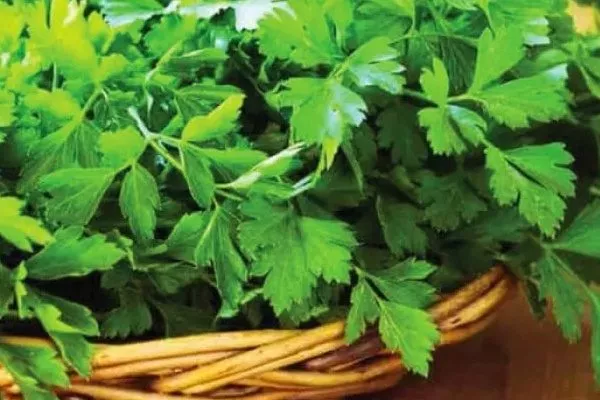
The leaves are triangular in shape and bright green, with a juicy and delicate texture. The fruits are conical with a pointed tip, reaching up to 30 cm in length.
Growing and care
Planting parsley requires careful attention. Follow these basic guidelines:
- Choose sunny or semi-shaded areas. Ideally, a location with ample sunlight, but not in the midday heat to avoid overheating. Avoid planting in areas with standing water.
- Well-drained soil will ensure uniform plant growth and prevent root rot. It should be loose, fertile, and well-drained. Sandy or loamy soils are best.
- Before sowing, dig the soil to a depth of about 20 cm and add organic fertilizer (compost or humus). If necessary, add lime if the soil is acidic to neutralize the acidity and improve the soil structure.
- ✓ The soil pH level should be between 6.0-7.0 for optimal parsley growth.
- ✓ The organic matter content in the soil should be at least 3% to ensure sufficient nutrition for plants.
Step-by-step algorithm:
- Sow parsley in the spring when the soil temperature reaches 5-8°C. In some regions, sow in the fall to allow the planting material to overwinter and germinate in early spring.
- Soak the seeds in warm water for 24 hours or stratify them in the refrigerator to speed up germination.
- Place the seeds into furrows at a depth of 1-2 cm, with a distance of about 20-25 cm between them. Maintain a distance of about 15-20 cm between rows. Firm the soil thoroughly and moisten.
Taking care of your greenery will allow you to get abundant harvests in the future:
- Water regularly, keeping the soil moist until germination occurs.
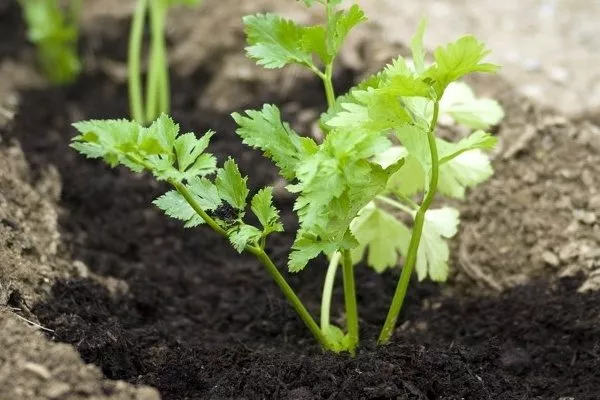
- Thin seedlings, leaving 5-10 cm between plants to provide adequate space for growth.
- Feed the parsley with organic fertilizers every 4-6 months.
- Weed and loosen the soil regularly to avoid crusting and improve air access to the roots.
- To prevent diseases, use fungicides or treat greens with folk remedies, such as garlic or onion peel infusion.
The culture has a strong immune system, but if not properly cared for, it can suffer from various problems. She may be affected by diseases. and attack pests:
- Fusarium wilt. Symptoms include wilting, yellowing, and drying out. Remove affected plants, apply fungicides (such as Previkur or Topsin), and improve drainage.
- Powdery mildew. A white coating on the leaves that turns gray over time. Treat with Topaz and Skor fungicides, ventilate the greenhouse regularly, and maintain a proper watering schedule.
- Ascochytosis. Gray or brown spots on leaves, sometimes with concentric rings. Spray with Hom and Ordan fungicides, remove and destroy affected areas.
- Aphid. The greenery curls and turns yellow, and a sticky coating appears on it. Use the insecticide Aktara or folk remedies (garlic/tobacco infusion).
- Wireworm. Holes appear in the roots, growth slows. Apply the insecticide Grom.
| Fungicide | Efficacy against Fusarium wilt | Effectiveness against powdery mildew |
|---|---|---|
| Previkur | High | Average |
| Topaz | Low | High |
| Skor | Average | High |
In areas with cold winters, cover beds with mulch or non-woven material to protect plants from frost.
Reviews
Universal parsley is one of the most popular varieties, recognized by gardeners for its versatility and ease of care. It is distinguished by good productivity and adaptability to a variety of growing conditions. Proper and timely care is essential to ensure abundant harvests.