
Titan leaf parsley is considered a relatively recent achievement of breeding and belongs to the category of highly productive varieties. It can produce three or more harvests during a single growing season. A rootstock planted in a garden bed produces new shoots every month.
Introduction to the variety and characteristics
Titan is a variety that ripens in an average of 80-95 days and is characterized by its ability to retain freshness for a long time. It also boasts a number of other characteristics:
- Fertility. Each square meter of garden bed can yield approximately 3.5 kg of harvest, with each bush weighing approximately 90-120 g. In the first year after sowing, parsley produces particularly rich crops.
- Soil preferences. Optimal conditions for growth are slightly acidic soils, where the use of fertilizers significantly improves the quality of the harvested fruits.
- Climate indicators. Parsley prefers a moderate climate. Young plants can withstand temperatures as low as -7-8°C, and seeds germinate even at +2-4°C. For full growth, temperatures between 17-20°C are required.
- Resistance to diseases and pests. This variety is virtually immune to flowering and is resistant to various diseases that often affect similar plants. Pests rarely visit the bushes.
- Geography of cultivation. Titanium is successfully grown in regions such as the Northern, Northwestern, Central, Volga-Vyatka, Central Black Earth, North Caucasus, Middle Volga, Lower Volga, Ural, West Siberian, East Siberian and Far Eastern.
- Keeping quality. Parsley of this variety is distinguished by good storage properties and the ability to withstand long-distance transportation.
- ✓ Optimal soil acidity for the Titan variety: pH 6.0-6.5. Testing the soil acidity is essential before planting.
- ✓ Recommended seeding depth depending on soil type: on light soils – up to 3.5 cm, on heavy soils – no more than 2.5 cm.
External characteristics of the plant
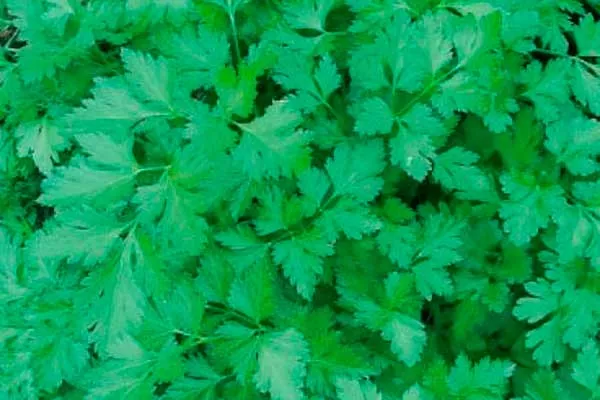
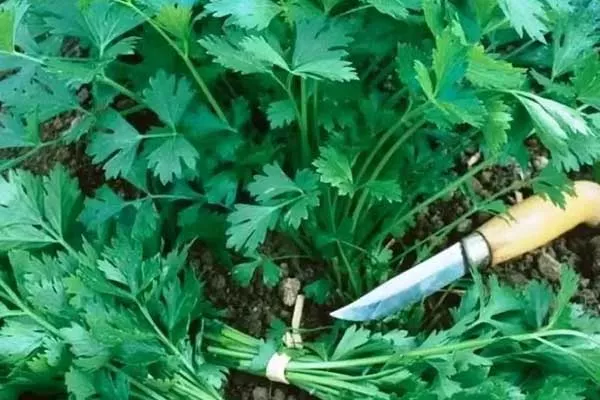
Parsley is distinguished by its rich, dark green color. Its leaves are large, and the plant itself reaches a height of 38-40 cm. It forms a dense rosette with distinct leaf blades, which can grow up to 45-50 cm in diameter, and sometimes wider. The leaves are finely notched and moderately wavy.
Taste properties and purpose
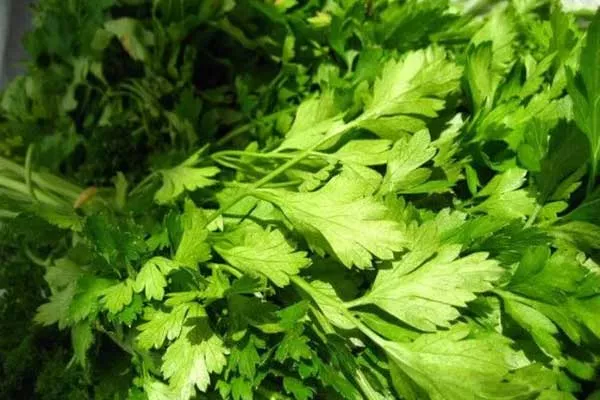
This variety of parsley is often used for industrial drying due to its high dry matter content. After drying, it retains its vibrant green color and flavor.
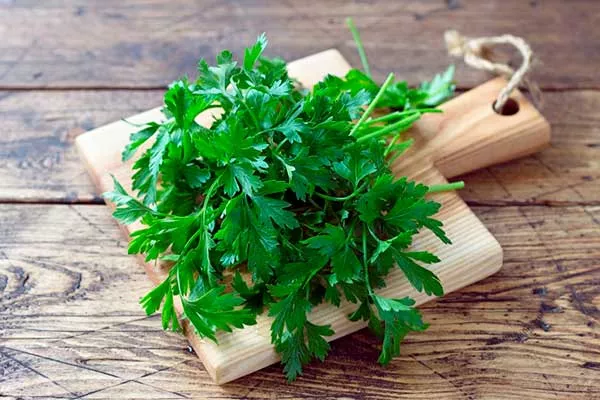
When fresh, the greens have an intense aroma with hints of freshness and spice, making them a popular salad ingredient. They are ideal for freezing and cooking, and pair beautifully with a variety of foods.
Planting and care
Parsley prefers sunny locations and doesn't require any special growing conditions. However, for optimal growth, it requires high-quality soil and regular watering.
Subtleties of agricultural technology:
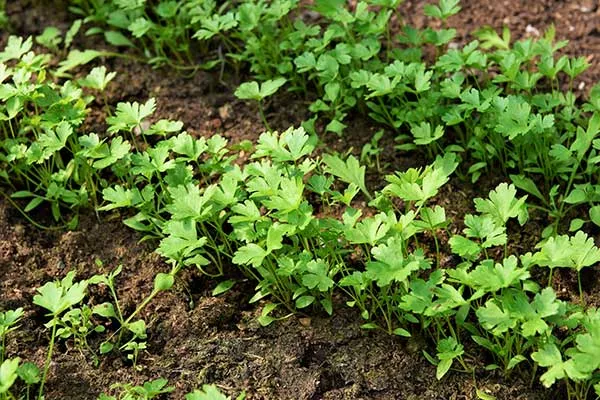
- Parsley is planted in mid-spring, although sometimes sowing in February is allowed, although this is not common.
- Before work, the seeds should be soaked in water to speed up the germination process, and then they need to be dried.
- The seeds are planted in the soil to a depth of about 2.5-3.5 cm, leaving a gap of 25-35 cm between rows.
- The first shoots usually appear within three weeks, but plants less than 15 cm in height should not be eaten.
- Parsley can be grown year-round. During warmer months, it can be grown outdoors, but during colder months, it's recommended to transplant it into pots and keep it indoors.
- Transplantation is carried out before the onset of frost.
- Watering should be moderate and regular, and the area around the plant should be periodically cleared of weeds and sanitary pruning of leaves should be carried out.
Reviews
Titan boasts a compact, neat growth habit, with large, fragrant leaves. This variety recovers quickly after pruning: after the first heavy harvest, the plant can produce 2-3 more harvests during the season. This quality makes it especially valuable for long-term use.