
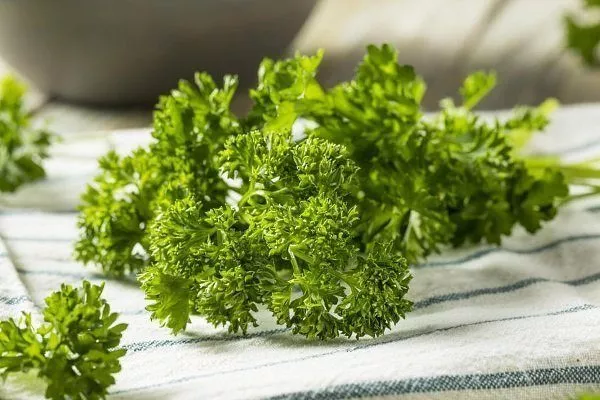
There are many varieties of parsley, and one of the most common is curly parsley. It was first used in cooking in the sixth century by Mediterranean residents. At that time, unaware of its beneficial properties, they were attracted by its unique appearance and pleasant, distinctive aroma. Today, curly parsley is well-studied and widely used.
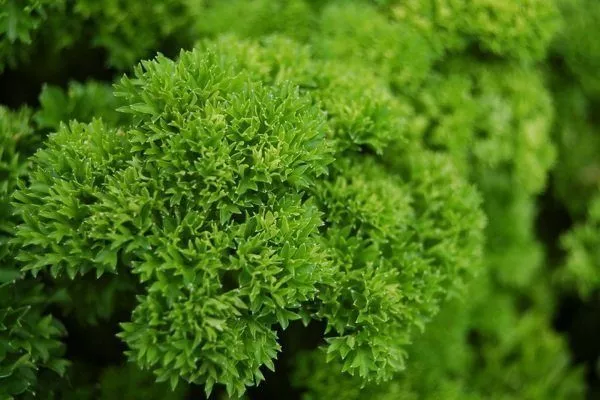
Curly parsley
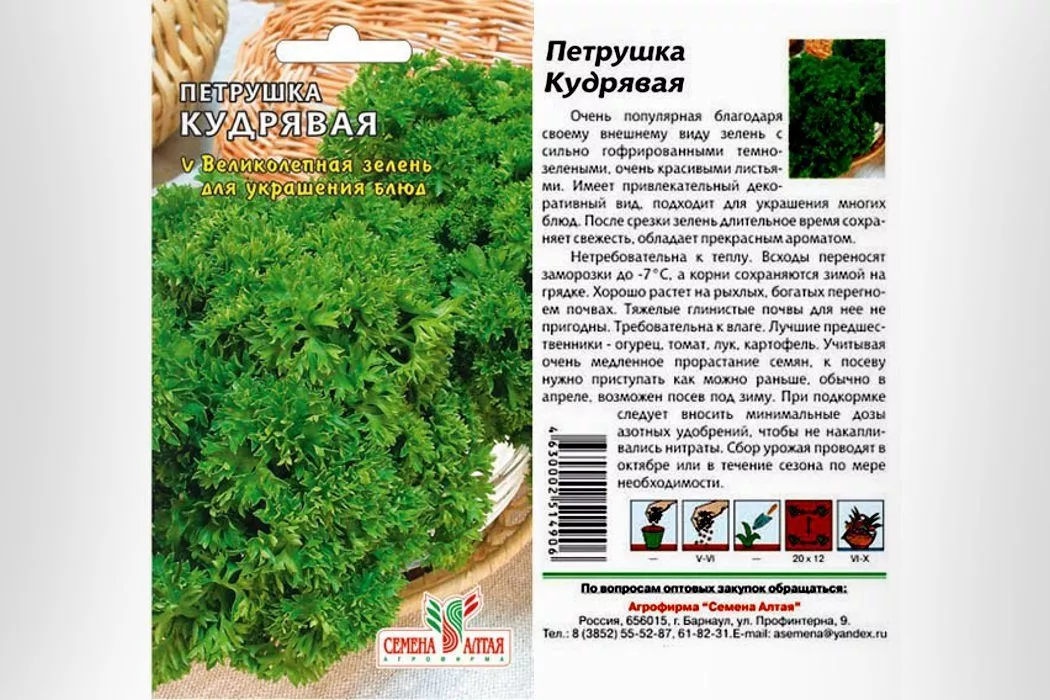
Curly Parsley seeds
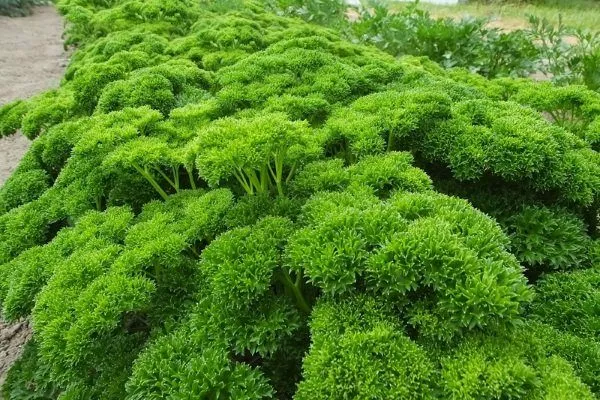
Curly parsley has attracted the attention of gardeners and vegetable growers not only with its attractive appearance, but also with its sharp spicy aroma.
Description
Curly parsley is a branched biennial plant with a straight stem up to 100 cm tall. In the first year, the root is spindle-shaped with white-gray flesh. In the second year, the root system branches out.
The leaves are triangular, glossy above and matte below, and lobed. It blooms in early to mid-summer. The umbels are composed of small, yellow-green flowers. The fruit is two-seeded, laterally compressed, and greenish-brown.
Its beautiful appearance makes it ideal for garnishing dishes and the table. The delicate greens have a pleasant taste and an excellent aroma. They don't require any special storage conditions.
Advantages and disadvantages of curly parsley
The advantages of curly parsley over regular leafy varieties include:
- aesthetic appearance;
- unpretentiousness;
- tolerates drought better;
- keeps well.
But this type of parsley also has its drawbacks:
- after heat treatment it loses its smell;
- when fresh the aroma is less pronounced;
- The greens are tougher.
Chemical composition and properties
Parsley contains many useful elements: riboflavin, carotene, mucus, proteins and carbohydrates, a large number of vitamins (B1, C, PP, A, B9) and microelements (selenium, zinc, sodium, magnesium, potassium).
Parsley's aroma is determined by complex essential oils containing fatty acids. Thanks to its rich composition, it can be used not only in the kitchen but also in medicine. It has the following effects:
- anti-inflammatory;
- diuretic;
- general tonic;
- antispasmodic;
- healing;
- choleretic.
Growing parsley
Curly parsley can be grown year-round because it doesn't require any special conditions and adapts well to new locations. It's just important to remember proper agricultural practices.
Soil preparation
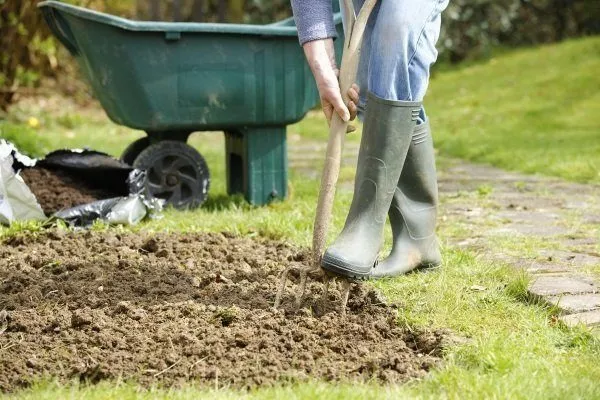
The location for planting and growing curly parsley should be considered in the fall. Clear the area of plant debris from other crops and dig it over, adding humus. In the spring, if necessary, treat the soil for pests and diseases and enrich it with mineral fertilizers.
Sowing seeds
Parsley tolerates cold well, so you can sow it without waiting for stable warm weather. Start sowing as early as mid-April. Don't make deep furrows; 1 cm is sufficient. When sowing, leave 20-25 cm of space between rows.
- ✓ Optimum soil temperature for seed germination: 4-6 ºС.
- ✓ Maximum frost resistance of seedlings: up to -9 ºС.
Before sowing, it's recommended to soak the seeds in warm water for 2-3 days and then dry them until they become free-flowing. This will help the seedlings emerge more quickly.
To retain soil moisture, cover the planting area with plastic film. A temperature of 4-6°C (4-6°F) is sufficient for seed germination and the emergence of the first shoots. Emerging plants are resistant to frosts down to -9°C (-9°F). Curly parsley can be sown throughout the summer.
Growing parsley from seedlings
To grow seedlings, you need to do the following:
- Select your soil. You can buy ready-made soil, but it's better to mix 2 parts soil from your garden bed with 1 part store-bought soil. If your soil is highly acidic, add 20-30 grams of chalk per bucket of soil mixture to the prepared soil.
- Spread the prepared soil mixture into the forms or boxes in which the seeds will be planted.
- Soak the seeds in water at 30-35°C for a couple of days to remove essential oils, which can delay germination. Change the water periodically.
- Dry the seeds until they become loose, or drain the water and spread them in a thin layer on damp cheesecloth. Maintain moisture by periodically sprinkling the cheesecloth with a small amount of water.
- When the seeds sprout, plant them in pots filled with potting soil. Make 0.5 cm deep holes, carefully arrange the seeds, and then cover them with soil.
- Place the molds on a sunny windowsill or in a greenhouse. If the temperature stays at least 25°C, the seedlings will emerge very quickly.
- Ventilate the seedlings daily, making sure the soil doesn't dry out. You can water them with a syringe or spray weak seedlings with a spray bottle. Water stronger plants with a spoon.
- When second leaves appear, if necessary, transplant the seedlings into separate cups or thin them out and plant them in the greenhouse soil.
- Parsley can be planted in the garden in early May. Space rows at least 20 cm apart, and keep a distance of about 10 cm between seedlings.
Care instructions
Curly parsley requires regular watering and loosening of the soil. However, be careful not to overwater the beds. If the seedlings were treated with a complex fertilizer when grown in a greenhouse, then after they have rooted and replanted, it's time to feed them.
Fertilizing the root system of parsley
When preparing the soil for the next season in the fall, the bed for growing curly parsley should be fertilized with humus and dug over. Before planting seedlings or sowing seeds, apply nitrogen, phosphorus, and potassium fertilizers. Foliage varieties do not require further fertilization.
If you plan to use the root for food or medicinal purposes, then in the fall, feed the plants again with fertilizers containing phosphorus and potassium.
Harvesting
Parsley leaves are used as they grow. Harvesting begins in the fall, focusing on when the seeds reach maturity. The plant material is cut, possibly crushed and frozen, or pressed for oil. Drying the leaves will lose their spicy aroma.
Curly parsley root is harvested in the first year, while it is still spindle-shaped. The following year, it can only be used for medicinal purposes.
Dig up the root, clean it of soil, dry it, and store it in the basement. Without these precautions, it can quickly spoil and rot.
To obtain seeds, cut off the umbels, dry in the shade and use the threshing method.
Diseases and pests of curly parsley
Like all plants in the garden, parsley suffers from a number of diseases:
- Powdery mildew -A fungal disease characterized by the appearance of a white coating on the plant. As the mycelium matures, the coating darkens. The fungus spreads by wind, rain, or water drops. It can quickly spread over a large area, damaging the crop.
- Cercosporiosis - Affects the foliage of plants. Sunken yellow spots form on the leaves, which fade over time. A brown ring remains around the spots. The disease develops with excess moisture and high planting density.
- Stolbur -Damages leaves, giving them a reddish tint. This disease causes seeds to ripen and become unusable. Plants often dry out and die.
- Rust — characterized by the appearance of yellow-orange spots, which merge and darken as the fungus spreads and matures. The disease causes the parsley to dry out.
- Septoria -It damages the foliage from the lower leaves, spreading throughout the entire bush. The bush turns brown and dies, leaving the fungal spores inside.
- Fomoz - A fungal disease. It manifests itself as brown spots on leaf veins. A sunken rotten spot develops on the root. Infected plants cannot be stored.
Measures to combat fungal diseases include fungicide treatments of soil and foliage, crop rotation, and regular agricultural practices.
Pests of curly parsley:
- Melon aphid -These are small black or green insects that feed on plant sap. This causes parsley to suffer from nutrient deficiencies, causing it to become weak and stunted. If aphid control is not administered, the plants will die.
- Stem nematode — a parasitic worm that lives in the stems and roots of parsley. It feeds on the plant's sap and pulp. Its presence is identified by the dull color of the leaves, uneven germination, and growth.
- Carrot fly The adult insect poses no harm to plants, as its only food is nectar from parsley blooms. The young offspring are dangerous, causing irreparable damage, destroying the greenery.
- Carrot psyllid The direct pest is the insect larva, which feeds on parsley sap. If severe and prolonged damage occurs, the root system ceases to function, and the plant dies.
| Pest | Method of struggle | Efficiency |
|---|---|---|
| Melon aphid | Treatment with soap solution | High |
| Carrot fly | Using netting for shelter | Average |
It is important to identify pests promptly and take immediate action to eliminate them, as in addition to causing direct harm, insects can also carry fungal diseases.
Gardeners' reviews
Regardless of the correct seed selection, proper agricultural practices, fertilizing, and disease and pest control will help ensure a healthy, abundant harvest. Curly parsley will be your companion in decorating your table and preparing delicious dishes.