
Sugar Parsley is one of the most popular and sought-after varieties. It attracts attention not only because of its early ripening but also because of the excellent flavor of both its greens and roots. It's a versatile variety, used in a wide variety of culinary dishes. It's important to learn its key characteristics and ensure proper care.
Information about origin
Developed by breeders from the Federal Scientific Center for Vegetable Growing and put into operation in 1950.
Description of culture and taste
Characterized by a pleasant flavor and uniform root size and shape, the tall foliage simplifies harvesting. The greens are rich in sucrose, B vitamins, water, and essential oils. One of the advantages of this variety is its good shelf life.
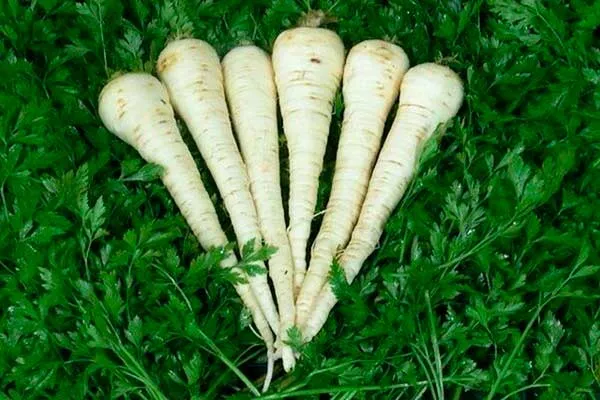
The rosette is spreading and well-developed, with 20-40 dark green leaves. Each plant weighs approximately 80-90 g, and the weight of a single root varies from 25 to 60 g. The fruits are cone-shaped, reaching 20-22 cm in length.
Useful properties of roots and greens
The culture is rich in vitamins such as C, B, K and A, which help strengthen the immune system, improve vision, normalize metabolism and ensure healthy growth and development of the body.
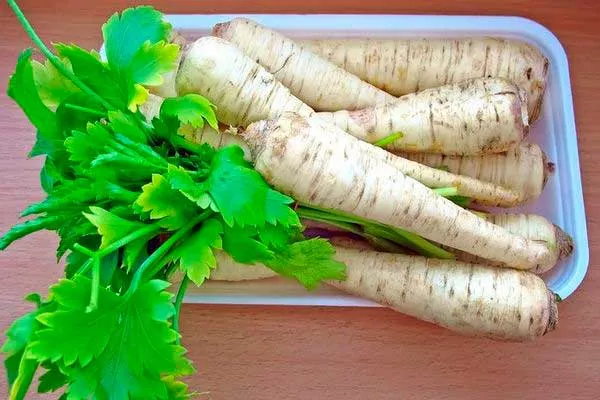
It is a valuable source of minerals, including potassium, calcium, magnesium, iron, and phosphorus. These micronutrients are essential for maintaining healthy bones, muscles, the cardiovascular system, and other vital organs.
Applications in cooking and medicine
Fresh sprigs add flavor to soups, sauces, salads, marinades, and other dishes. They impart a piquant note, enhancing the flavor of finished dishes. The greens are used for garnish, adding aesthetic appeal and appeal. Green curls of parsley make a dish visually more appetizing.
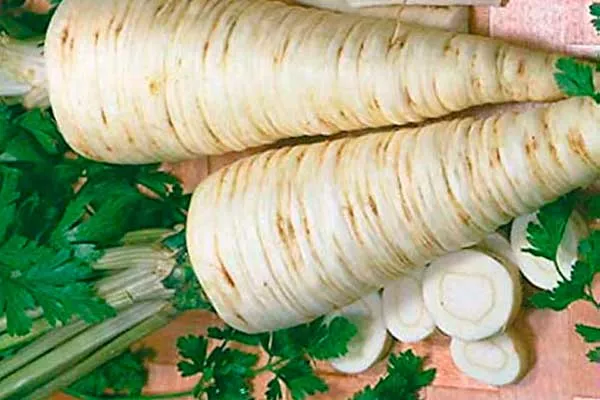
Culinary applications:
- It is often included in various spice blends, including Italian herbs or combined with celery salt.
- It is used as a base for pesto, sauces or as an addition to potato and vegetable side dishes.
- It freezes and dries easily, preserving its properties for subsequent culinary use. Frozen or dried parsley is used when fresh parsley is unavailable.
Regular consumption of greens helps strengthen the immune system and protect the body from colds. Vitamin C is involved in collagen synthesis, maintaining healthy skin, hair, and nails.
It has a diuretic effect, helping to remove excess fluid and toxins from the body. This is especially beneficial for those suffering from edema and fluid retention.
Ripening and yield
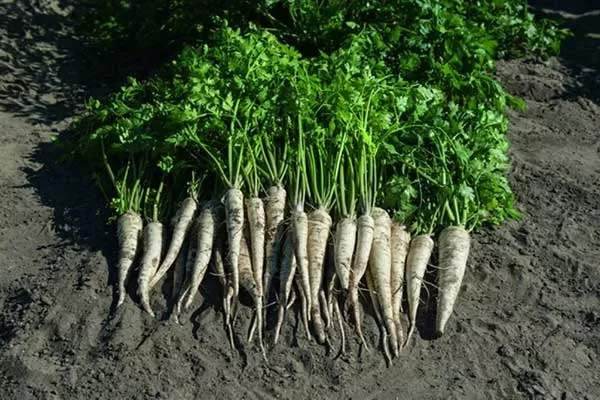
This early-ripening variety takes approximately 97-103 days from germination to technical maturity. The harvest is in July. It is highly productive, yielding approximately 2-2.8 kg of root vegetables per square meter.
Soil requirements
Begin preparing the soil for sowing seeds in late October or late March. Dig the beds, fertilize with synthetic and organic fertilizers, preferably those with added potassium and wood ash, and clear the soil of weeds. The soil should be moderately fertile, and add 5 kg of humus per square meter of the plot.
- ✓ Soil pH should be between 6.0-7.0 for optimal growth.
- ✓ The soil must have good drainage to avoid water stagnation.
How does it reproduce?
Propagate greens using seeds, which are collected in the second year after reaching full maturity.
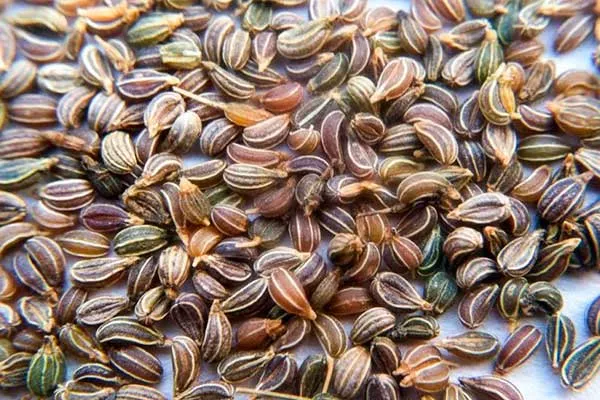
Cut the seed heads and lay them in rows to dry. After a few days, thresh them, remove the husks, and dry thoroughly.
Planting Features of Sugar Root Parsley
To ensure a bountiful and healthy parsley harvest, planting requires special care. Several preparatory steps should be taken before sowing.
Planting dates
Sow parsley outdoors immediately after winter ends, when the soil warms to 4°C (39°F), which usually occurs after the snow melts. Don't miss this period, as excessively high soil temperatures can lead to moisture loss and hinder seed germination.
When sowing "before winter," sow 2-3 weeks before the onset of permanent frost. The seeds should swell but not germinate. By spring, they will be ready to sprout. Use a third more seeds than necessary, as some plants may not germinate.
Selecting a location on the site
When choosing a location for parsley, it's important to consider several factors. Pay attention to the following criteria:
- Soil type. The plant prefers loose, well-drained soils that are both aerated and water-repellent. Sod-podzolic, sandy loam, or moderately loamy soils are ideal.
- Illumination. The bed should be well-lit. In the shade, the roots will develop poorly and remain small.
- Drainage. The area should not be flooded, as excess moisture can cause root rot. Parsley does not tolerate dampness.
- Wind protection. The seedlings should be protected from drafts and cold winds. The best location is on the south side of the plot near buildings.
- Predecessors. Avoid planting this crop where celery or carrots were previously grown. The best predecessors are cucumbers, pumpkins, and squash.
Prepare the planting site in advance. For spring sowing, prepare the bed in the fall; for winter sowing, prepare the bed about a month before sowing.
Soil preparation
If you plan to sow outdoors, prepare a plot with fertile soil. If soil is poor, fertilize the parsley to ensure healthy growth. In the spring, fertilize the bed with phosphorus fertilizer at a rate of 60 g per square meter. Add wood ash to the phosphate at a rate of 200 g per square meter to enrich the soil with potassium.
In the fall, fertilize the area with humus and dig over it, using no more than 5 kg of fertilizer per square meter. Additionally, add mineral fertilizers, such as superphosphate and ash, to further enrich the soil.
Preparation of planting material
Parsley seeds germinate slowly, so preparing them in advance can speed up the process. Follow these recommendations:
- Two weeks before sowing, place the seeds in a deep plate and fill with warm water, changing the liquid twice a day.
- After two weeks, the seeds should be well swollen. Then remove them from the water, rinse, and spread them on cheesecloth.
- Leave at above room temperature for germination. After 5 days, some seeds will begin to sprout.
- Wrap them in cheesecloth and place in the refrigerator for 10 days.
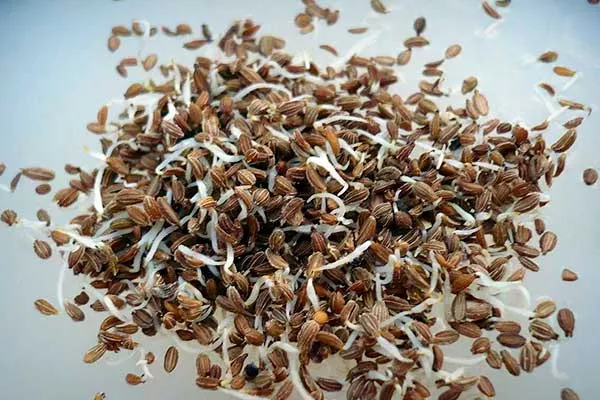
After storing in the refrigerator, dry the seeds completely until they are free-flowing and do not stick to each other.
4 landing technologies
Root parsley can be grown in a variety of ways: indoors, in a greenhouse, and outdoors. It can also be grown from seedlings and then transplanted. Below are the main planting methods:
- Sowing seeds for growing seedlings. Many gardeners hesitate to use this method, fearing that replanting could damage the parsley's delicate root system. However, it is possible if you exercise caution.
Sow the seeds in the third ten days of March in low, wide containers filled with fertile soil. Cover with plastic wrap and maintain a temperature of 23 to 25°C. Ensure the soil remains moist; do not allow it to dry out.
After the first leaf appears, reduce the temperature to 19°C. Transplant the seedlings outdoors in mid-May.

- Sowing seeds in open ground. Mark out the bed, make furrows every 20 cm, up to 2 cm deep. Place 3 seeds in each hole, 4 cm apart. Water the furrows with a potassium humate solution (for spring sowing).
Cover the seeds with soil, compact them, and cover with a thick film. Water regularly and thin out the seedlings, leaving only the strongest plants.
- Growing greens at home. Ideal for those who want fresh herbs all winter by growing them on a windowsill. Use wide, low boxes or pots with 8 cm between furrows and 3 cm between holes.
Cover the container with plastic wrap and maintain a temperature of 4 to 10°C, then increase to 15-20°C once sprouts appear. Maintain constant soil moisture and avoid overwatering. Provide the parsley with 16-18 hours of daylight.
Fertilize when planting, and if the plant begins to dry out, apply a mineral fertilizer to the roots. Remove flower stalks if they appear.
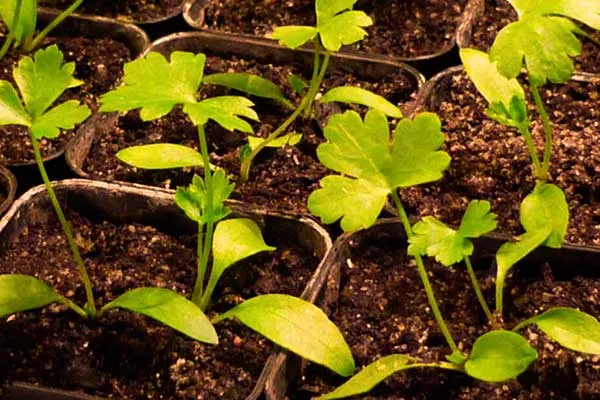
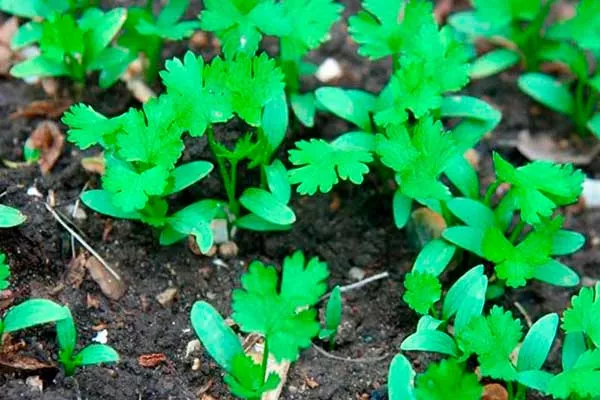
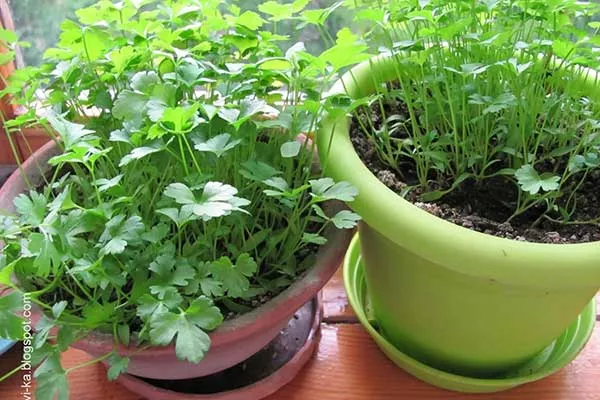
Some gardeners prefer greenhouse cultivation, especially for winter sowing. Sow parsley in a cool greenhouse at the end of January. Cover the beds with thick material during night frosts.
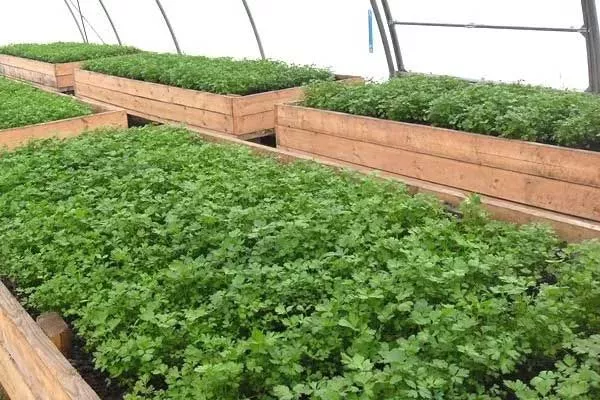
Planting root parsley "before winter" - features
Parsley is sown outdoors in the fall, when temperatures don't exceed 2°C. Under these conditions, the ground freezes deeply at night and warms up during the day, creating ideal conditions for seed preparation. Winter planting involves the following steps:
- Before planting, make furrows 2.5 cm deep.
- In the morning, spread the seeds into the frozen beds. You will need 35-40 seeds per 1 square meter.
- Cover the seeds with fertile soil that has been stored in a warm, dark place.
- Cover the bed with a layer of rotted grass or peat to prevent a crust from forming after the snow melts. In severe frosts and without snow cover, cover the bed with pine needles or fallen leaves.
- Avoid watering after planting to avoid over-chilling the seeds. Melting snow in the spring will provide the necessary moisture.
- Once the snow melts, rake away the leaves and cover the bed with a covering material. Once the first shoots appear, loosen the soil.
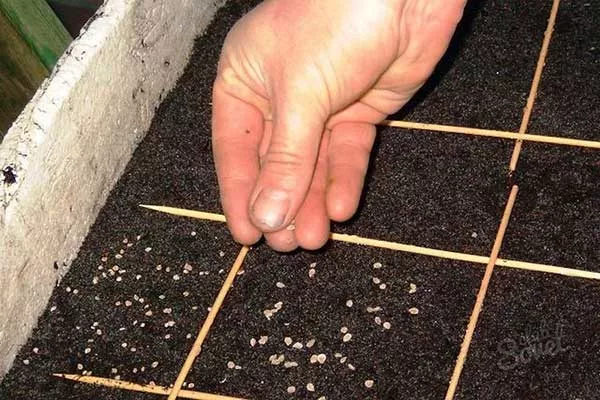
Greens sown in the fall ripen two weeks earlier and are more disease-resistant than those sown in spring. Plant seeds before permanent snow cover sets in.
Features of caring for root parsley
Provide your crop with comprehensive care to ensure consistently good yields. Plant care includes standard agricultural practices.
Watering rules
Water the plant at the same time every day—either morning or evening. Although the plant doesn't require a lot of water, regular watering is essential for proper root development. Avoid getting water on the rosette of leaves.
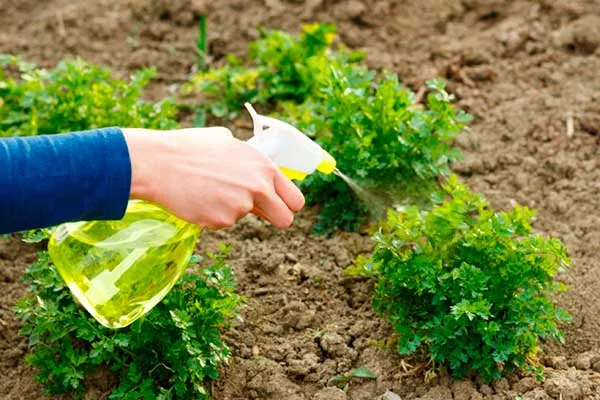
Features of fertilization
Pay special attention to fertilizing at the beginning of the growing season. Perform the procedure in two stages. After a few green leaves appear, apply 15 g of ammonium nitrate per square meter.
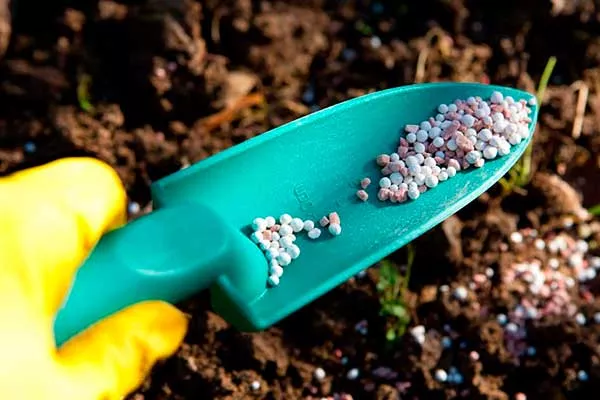
19-22 days after the first fertilization, apply a mixture of 5 g of ammonium nitrate, 5 g of potassium salt and 10 g of superphosphate per 1 sq. m.
Loosening and weeding
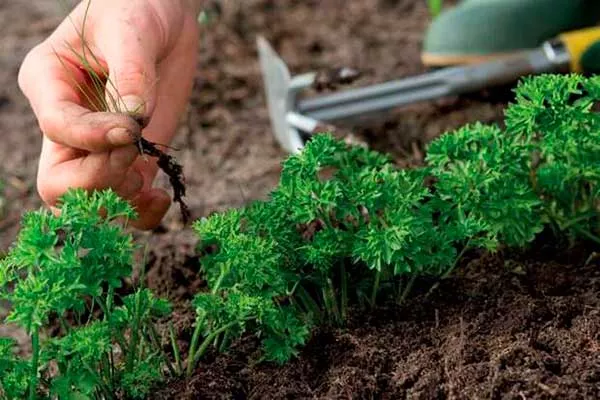
To start loosening the soil earlier, some gardeners use "beacon seeds" along with parsley. The amount of "beacons" should not exceed 1% of the total amount of parsley seeds. Use lettuce or mustard seeds as "beacons." They will germinate in about 5 days, then loosen the soil.
Thinning
This procedure is important for ensuring healthy plant growth. It involves removing weak and feeble shoots. Leave only vigorous plants that will develop into full-fledged root vegetables. Thinning helps create space for larger root vegetables, stimulating their vigorous growth.
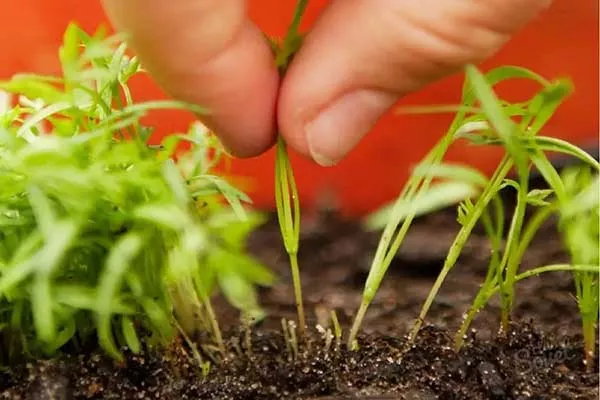
Carry out thinning immediately after seedlings emerge. Aim to maintain a 2 cm distance between plants. Perform the second thinning after 14-15 days, when strong plants are already visible. Leave about 6 cm between plants.
Protection from diseases and pests
The crop can be susceptible to various diseases and pests. Here are the most common problems and how to combat them:
- Downy mildew (peronosporosis). It appears as white spots on leaves and twigs, which eventually grow larger and turn yellow. Remove affected leaves to stop the disease from progressing.
- Carrot fly. This pest eats parsley roots, causing the plants to turn yellow and stop growing. To combat this, water the parsley with an infusion of orange peels.
- Rust. Orange spots resembling rust appear on the leaves. This condition most often appears in early summer and can damage the entire crop. Treat plants with Bordeaux mixture or copper oxychloride.
- Melon aphid. These insects feed on plant sap, coating the undersides of leaves and causing wilting. To treat, use dandelion infusion: soak the leaves and roots in a warm solution for 3 hours.
Carefully inspect your plantings for pests and diseases to avoid all sorts of problems.
How to harvest?
The optimal time to harvest parsley is the last ten days of September, although timing may vary depending on the climate zone. For a successful harvest, follow these guidelines:
- Harvest parsley in dry and sunny weather.
- Remove the green branches, leaving a small stump on the surface.
- Carefully remove the root vegetables from the ground, first loosening the soil to make the process easier.
- Place them in a sunny spot to dry. After the moisture has evaporated, remove excess soil from the roots.
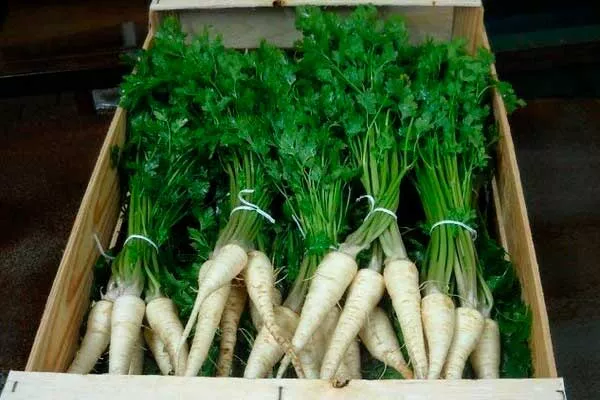
After drying, the root vegetables can be used immediately for food or stored.
Storage Features
Storing parsley requires the right approach to preserve its flavor and nutritional properties. Let's look at the main methods:
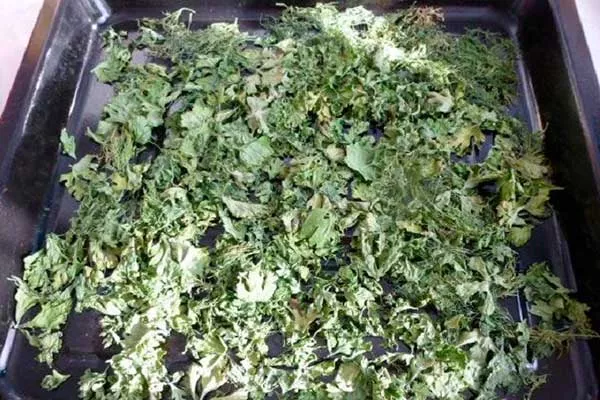
- Drying. Wash the root vegetables and greens. Lay the sprigs in a single layer on a clean cloth or paper in a warm, dry, well-ventilated place. Avoid direct sunlight. Chop the root vegetables and dry them in the oven or in a dehydrator at 35-40°C until completely dry.
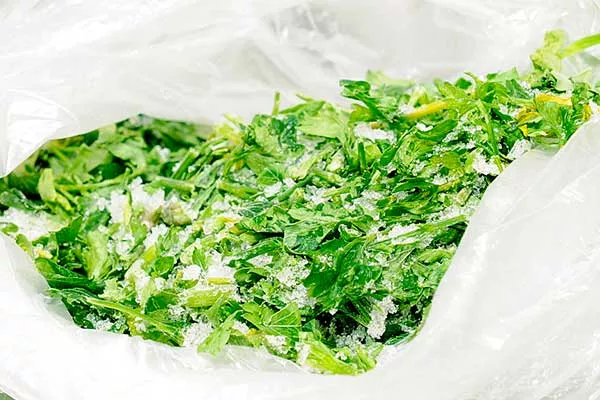
Store dried parsley in airtight containers or bags, protected from moisture and light. Drying preserves most of the flavor and nutrients, making it suitable for long-term storage. - Freezing. Wash and dry the parsley. If freezing, chop it finely. Place in plastic bags or containers, removing as much air as possible. You can also freeze it as ice cubes by mixing it with a small amount of water or oil.
Store in the freezer at -18°C or below. Freezing preserves the aroma and flavor of parsley almost as well as fresh. This is a convenient storage method for later culinary use.
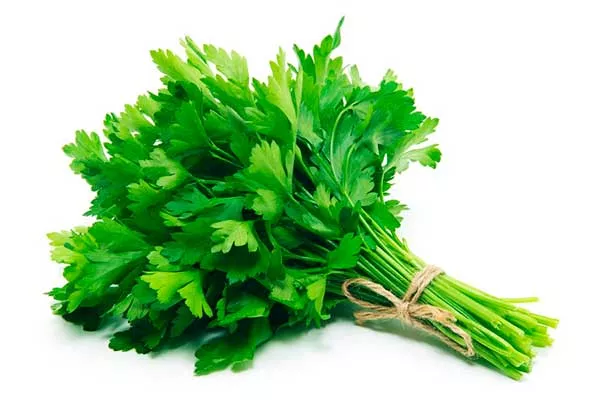
- Fresh. Wash and dry the herbs. Store in the refrigerator in a plastic bag or airtight container. Place the stems in a glass of water, like a bouquet, and cover with a plastic bag. Change the water regularly and remove any dried leaves.
Avoid storing herbs in high-humidity areas to prevent rotting. For long-term storage (more than 1-2 months), freeze or dry them.
Advantages and disadvantages
Before planting a crop, carefully consider its pros and cons to avoid future difficulties. Sakharnaya has many advantages:
Disadvantages include low green yield and poor seed germination.
Reviews
Sugar Parsley is a reliable choice for those seeking an early harvest and high-quality produce. It boasts numerous varietal characteristics, making it a favorite among many gardeners across the country. With minimal care and simple farming techniques, you can reap bountiful harvests of lush greens.