
Common leaf parsley is particularly popular and has been cultivated in Russia for over 70 years. This variety is renowned for its productivity, is easy to care for, and doesn't require complex agronomic skills. Thanks to its strong immune system, this variety is highly tolerant of climate fluctuations.
Historical background
Common parsley is a plant with a long history, first discovered in 1949. The following year, in 1950, it was registered in the State Register of Breeding Achievements of the Russian Federation. This aromatic herb can be grown in a variety of climates across the country.
Description of culture and taste
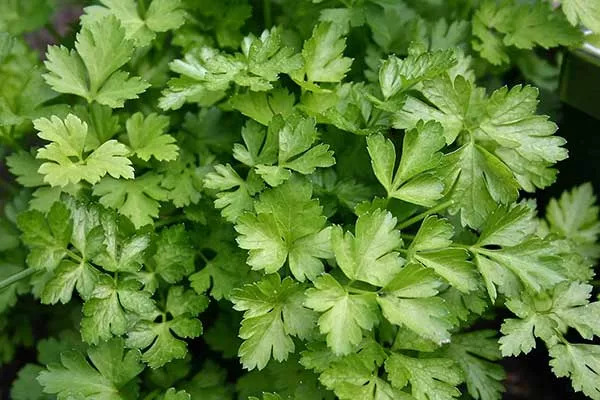
Parsley is a perennial plant in the Apiaceae family, typically grown as a biennial herb. This variety is distinguished by its impressive size and forms a semi-erect rosette of foliage, comprising 40 to 100 leaf blades.
Other varietal characteristics:
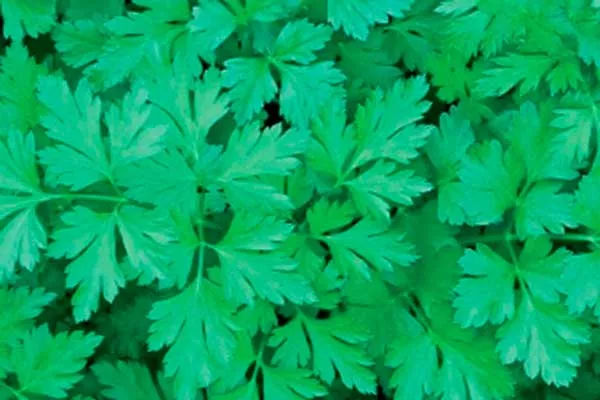
- The plant grows up to 35-50 cm in height and is distinguished by dense foliage of a dark green tone with narrow triangular leaves, the edges of which are strongly wavy.
- The petioles of the leaves are light, thickened and elongated, without anthocyanin color.
- This variety does not produce a root vegetable for culinary use, which is the hallmark of a true variety.
- The green mass has increased density and juiciness, with excellent flavor characteristics. The leaves have a fleshy texture with a distinct sheen.
- A bush with straight stems and a widely spreading, rounded top.
- The weight of one plant ranges from 70 to 80 g.
- Parsley has a unique flavor: it combines a bright spiciness with spicy undertones and a sweet aftertaste.
- The plant's seeds are small and brown in color.
- The root system is presented in the form of short, flexible rods.
- The stems are characterized by strength and flexibility, due to the presence of bundles or flattened veins.
Flowering and lifespan
During budding, the plant develops an umbrella-shaped inflorescence adorned with light or pale green flowers. After the buds fade, seeds form in their place.
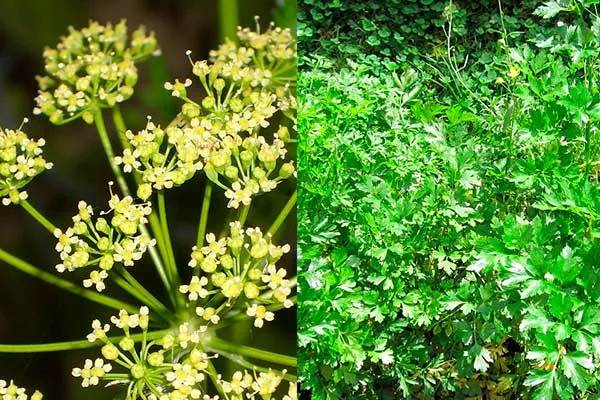
If collecting seeds isn't your goal, be sure to remove the umbels, as they consume a lot of the plant's resources, causing the leaves to become tough and lose moisture. This is important for maintaining the plant's health and continued growth.
Useful properties and advantages
Common parsley is prized for its many beneficial properties. The greens are rich in vitamins (including C, B1, B2, and PP) and minerals (iron and potassium), making them an essential part of the diet. Furthermore, despite their modest size, they make a beautiful green accent and add an aesthetic touch to urban landscapes.
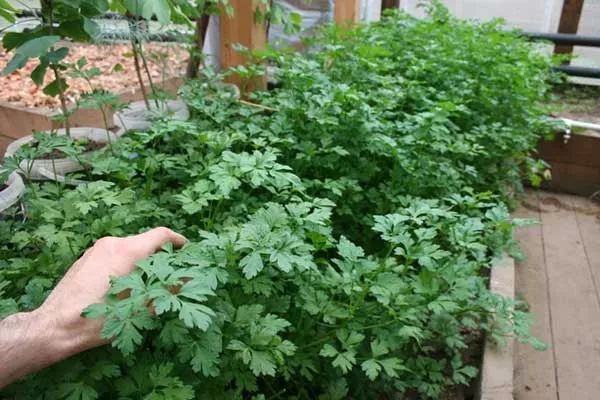
Parsley is not only beneficial for nutrition, but also has properties that help repel ants and aphids, and is also believed to promote better growth of strawberries.
One of the key advantages of this variety is its ability to quickly regenerate foliage after cutting. Parsley seeds germinate within a week and grow rapidly, with leaves trimmed as needed.
Scope of application
Common parsley is widely used in urban landscaping. It forms the basis for attractive flower beds and floral arrangements. This parsley variety thrives indoors, decorating balconies and terraces in pots and containers.
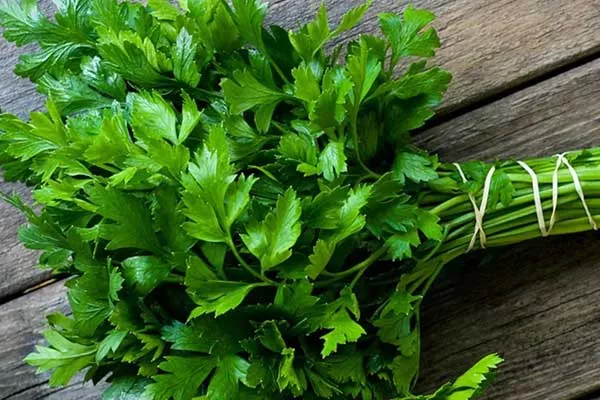
In cooking, flat-leaf parsley is a popular herb added to a variety of dishes—hot and cold, for garnish, on sandwiches, etc.
Maturity and yield
This early variety emerges in 65-75 days. The first pruning is done when the foliage reaches 15 cm. Harvesting is gradual, beginning in July and ending in September.
Common parsley is characterized by high productivity. However, yield depends on sowing conditions and agricultural practices:
- In an area where 3-4 prunings are carried out per season, it is possible to collect from 2.4 to 2.8 kg of greenery from 1 sq. m.
- When grown at home in pots, with 6-8 cuttings per year, the harvest can be 5-6 kg.
Parsley leaf: growing
Known for its frost resistance, leaf parsley thrives in both open ground and greenhouses and pots. The optimal time for sowing is after the second half of April, and for more northern regions, from the first days of May.
- ✓ The optimal soil temperature for sowing parsley seeds should not be below +5°C.
- ✓ To prevent diseases, it is necessary to observe crop rotation, not planting parsley in the same place for more than 3 years in a row.
Compatibility with crops:
- This greenery goes well with strawberries, cabbage, radishes, horseradish, tomatoes, asparagus and various types of onions.
- Avoid close proximity to lettuce, cabbage, pumpkin and squash.
- You can plant parsley next to carrots, but you should not do it after carrots.
- Parsley is useful near berry crops, as it helps repel slugs from strawberries.
- Planting near grape vines can provide protection against phylloxera.
Before sowing, it's important to carefully prepare and disinfect the seeds. They should be soaked in a potassium permanganate solution and then placed in cheesecloth for several days to germinate.
Sowing rules:
- Maintain a seeding depth of no more than 2 cm;
- Follow a planting pattern with 10-15 cm spacing between plants and 30 cm between rows.
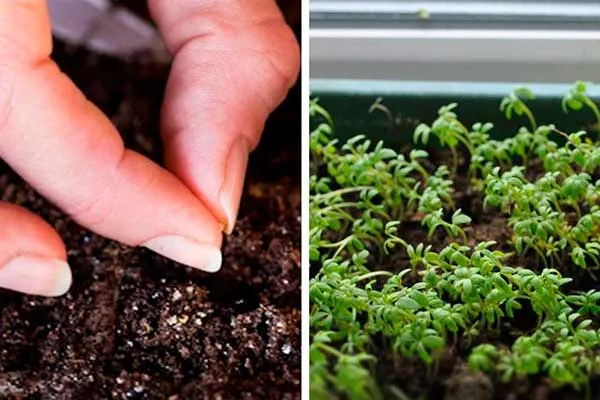
Caring for leaf parsley when growing
It's best to water the plants in the evening, using water that's been left to settle in a barrel. Common parsley requires a generous watering three times a week, with moderate amounts of watering in between.
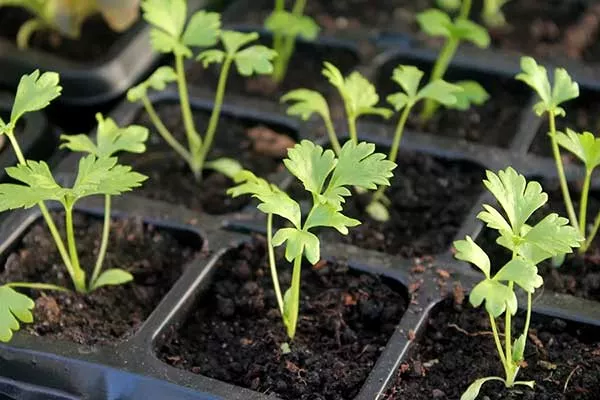
Other important events:
- Parsley, like most plants, prefers good aeration in the soil. Regularly loosen the soil between rows to prevent cracks.
- Remove weeds according to your schedule and how quickly they grow.
- To keep the parsley thick and luxurious, thin it out periodically.
- Trim flower stalks if you don't plan to collect seeds, as flowers can take up to half the nutrients from the roots, depriving the leaves of essential elements.
- Nitrogen fertilizers and superphosphate are recommended to be applied monthly, and potassium supplements should also be considered – this will double the growth of any greenery. Organic mixtures are acceptable, but it's important to place them a short distance from the plant to avoid burning the leaves and roots.
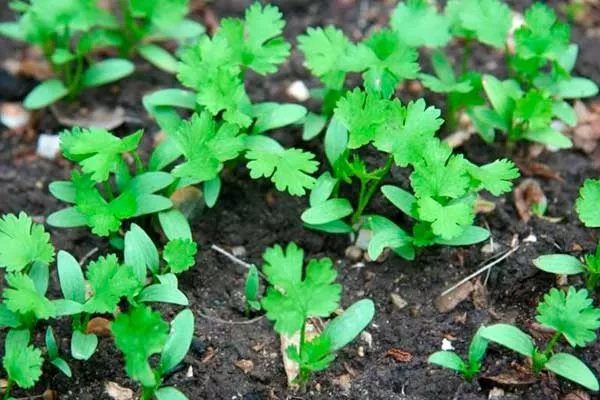
How to grow leaf parsley in an apartment?
It's simple and convenient. First, choose the ideal location for your plant, such as a well-insulated balcony or a warm windowsill with ample sunlight throughout the day.
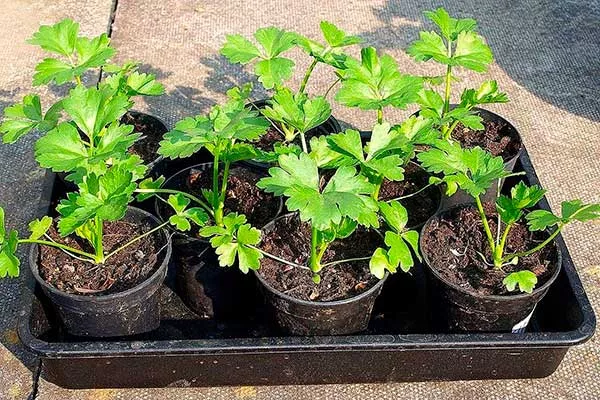
Next, do this:
- Prepare plastic pots or other containers of suitable size.
- Fill them with a soil mixture consisting of black soil, humus and potassium.
- Create small depressions in the ground.
- Place the seeds carefully into them.
After planting, water the soil, being careful not to wash away the seeds or disturb the soil structure. Use a spray bottle for this.
Seed collection
Parsley doesn't produce seeds during its first year. If you plan to harvest them at the end of the growing season, choose the strongest and healthiest plant, as the seedlings from these will be larger and of higher quality.
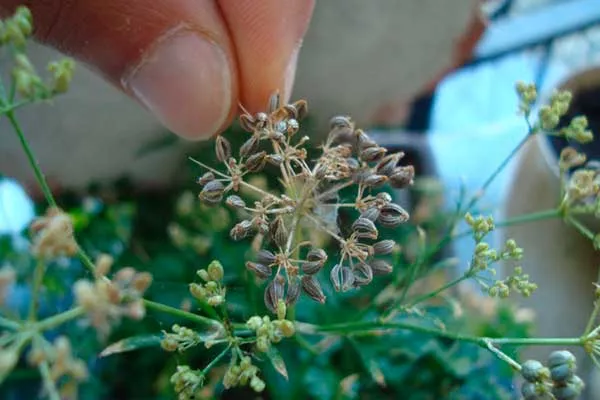
Follow these recommendations:
- The optimal time for harvesting is when the grains have darkened. If harvested too early, they may not germinate properly.
- When selecting, preference should be given to large specimens.
- To avoid damaging the seed capsules, do not collect them by hand, but use a sharp tool to cut off the seed umbels. Then carefully pour the seeds from the umbels into a bag.
- To ensure the seeds ripen properly, leave them in the sun for two days. Spread them out in a single layer on a windowsill and store them in a cloth or paper bag before planting.
How to harvest leaf parsley?
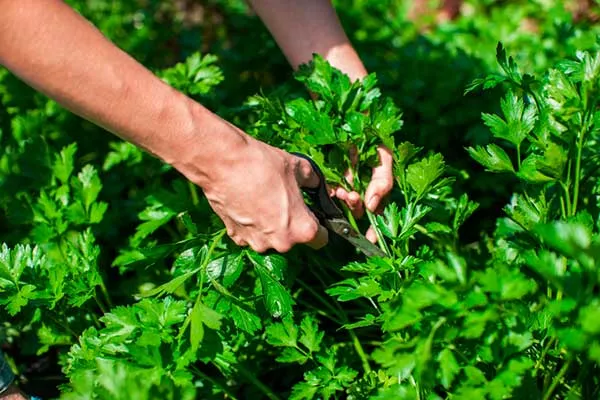
Once the parsley stems have formed three or more leaf clusters, you can begin the first trimming. Here's how to do it correctly:
- Cut greens as close to the roots as possible, leaving the stems. This will encourage new, denser growth.
- If you only need a few sprigs, for example for making a salad or soup, it is better to carefully trim the leaves from the edges of the bush to allow the central part of the plant to develop more actively.
- By harvesting regularly, you help ensure that your plants produce fresh, tender greens.
- At the end of the season, it's important to harvest the entire crop without leaving any leaves over winter, as they will die from the cold. By trimming them, you'll ensure a fresh harvest in the spring.
How to preserve common parsley leaves?
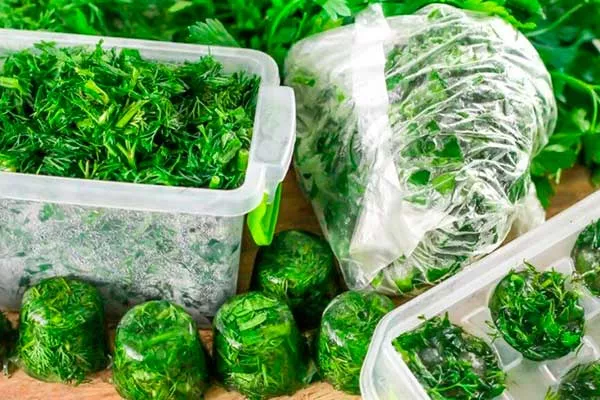
Every housewife has her own secrets for storing herbs. Some prefer to chop them and freeze them for the winter, others preserve them with sorrel for later use in soups, and still others prefer to dry them.
To ensure fresh parsley retains its aroma and vibrant color for longer, it's important to store it properly in the refrigerator:
- Wrap the greens in damp cling film and place them in the refrigerator – this will keep them fresh for up to seven days.
- If you don't want to use plastic wrap, you can do without it. Simply place the harvested parsley in a vegetable bucket and wrap the stems in a damp paper towel.
One unique method for preserving parsley freshness is freezing it in ice cubes. Simply place the chopped leaves in ice cube trays, cover with water, and place in the freezer. When you're ready to use, simply remove the cubes.
If you want to preserve parsley for a long time, try drying it:
- Without cutting, tie bunches of greenery together and hang them in a place with plenty of sunlight.
- Once completely dry, collect the dried herbs in a cloth bag.
Problems in growing
Parsley has moderate disease resistance, so strict agronomic practices are key. Diseases that attack parsley can also affect other vegetable crops. Here are the most common:
- White rot – It manifests itself in conditions of low temperatures and excessive soil moisture, forming a whitish coating on the plant stem and affecting the root system. Recommendation: avoid overwatering, and ensure that water does not accumulate between rows after watering. To combat this disease, use fungicides and ensure good soil aeration.
- Rust - It affects only the foliage, forming rusty spots that detract from the plant's appearance and can lead to its wilting. Fungicides are also used to treat this fungal disease.
- Peronosporosis – Downy mildew attacks foliage, leaving pale yellow spots that can lead to plant death. To prevent damage, dust the beds with sulfur powder and spray them with Bordeaux mixture.
- White spot - It manifests as brown spots that merge into large patches, affecting the foliage. An effective method of controlling this disease is spraying with Bordeaux mixture and removing the affected areas of the plant.
- Cercospora leaf spot – Characterized by the appearance of dirty, brown spots. Treatment requires fungicide application and adherence to sanitary rules during pre-planting preparation.
Stem nematodes, carrot psyllids, and melon aphids can also damage parsley leaves. Biological pest control, which works in combination, is effective against these pests.
Reviews
Although common leaf parsley is cold-resistant and grows in partial shade, it's best planted in areas with plenty of sun and warmth, but not windy or overly damp. This versatile variety is renowned for its bountiful harvests and excellent flavor.