
Italian Giant is a popular mid-season variety of smooth-leaf parsley, bred abroad. Its main advantages include high yields, a pleasant aroma, and rapid foliage growth.
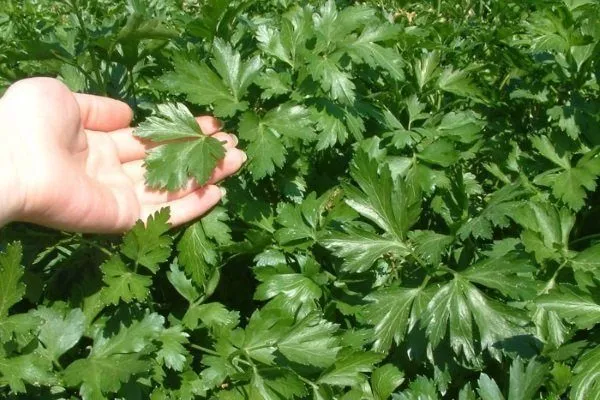
parsley variety "Italian Giant"
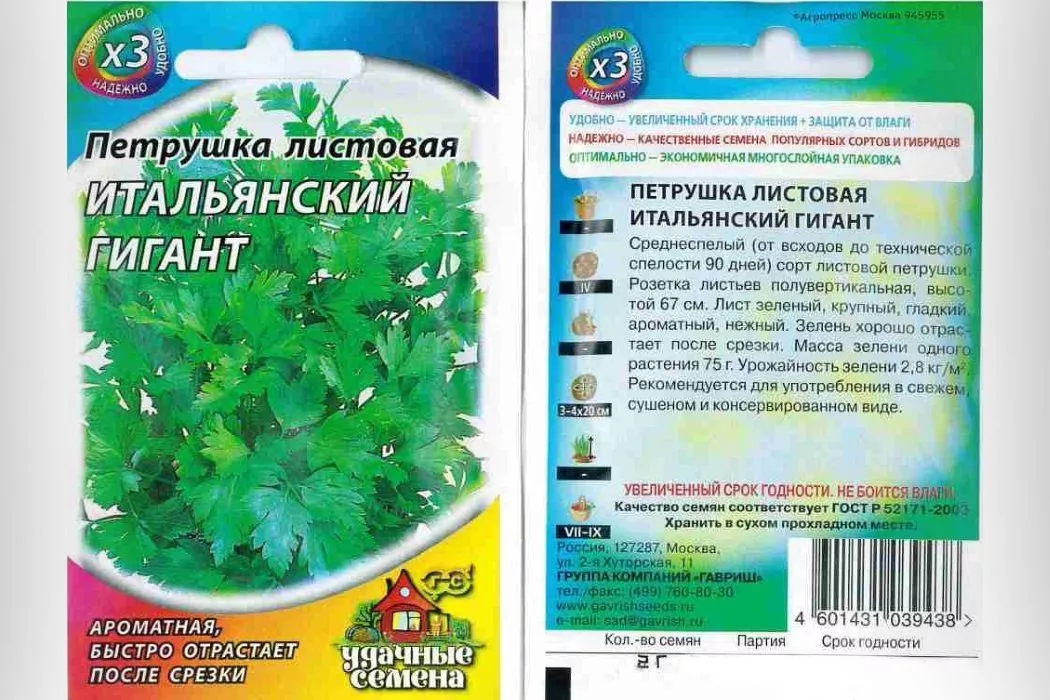
parsley seeds "Italian Giant"
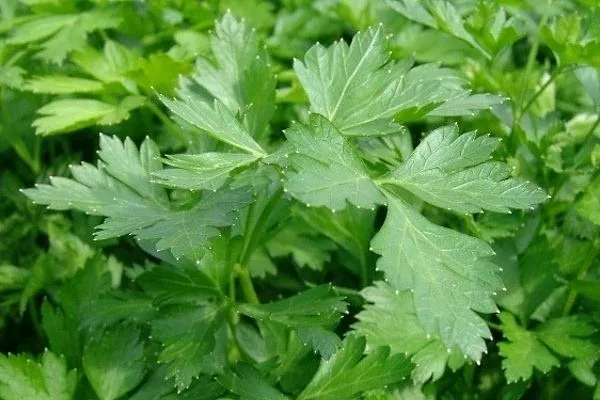
Parsley "Italian Giant" has a high yield, increased rate of foliage growth after cutting and a pleasant aroma
Description and characteristics of Italian Giant parsley
The plant is a fairly large, semi-upright rosette with dark green, triangular-shaped leaves with deep cuts and a dense stem.
The bush can reach 30-60 cm in height, producing 20-25 leaves per plant. Parsley has a distinctive, pungent aroma and excellent flavor.
Value
Many gardeners prefer to grow this variety of parsley due to its size, enormous yield, and ability to quickly restore its greenery after cutting.
This Italian giant tolerates virtually any weather conditions and can grow in dark areas, a huge advantage for cultivation. A single parsley bush can weigh up to 75-85 g.
Productivity
The Italian Giant variety's prolific yield is one of its strengths. If all growing and care conditions are met, it can yield 2 to 5 kg of greens per square meter per season. Even if these conditions are not met and it's grown in the shade, it produces a yield superior to other varieties.
Germination time
Given the unique properties of parsley seeds, which contain a high percentage of essential oils, they don't germinate quickly. With regular watering, sufficient moisture, and warmth, the seeds will germinate in 15-20 days. Otherwise, if the soil is dry, germination can take up to a month.
| Method | Soaking time | Efficiency |
|---|---|---|
| Warm water | 24 hours | Average |
| Alcohol bath | 15-20 minutes | High |
| Stimulant drug | According to the instructions | High |
This process can be accelerated by force, by doing the following in advance:
- Soak the seed coat in warm water at about 45°C for 24 hours.
- A faster option is an alcohol bath. Vodka dissolves essential oils within 15-20 minutes.
- After this, place the seed in a weak solution of potassium permanganate, aloe vera juice, or the stimulating preparation Heteroauxin. These promote accelerated growth.
- Then dry the seeds so that they do not stick together or to your fingers when sowing.
If done correctly, the parsley will begin to sprout within a week. However, this method is only used for spring planting; if you plan to sow the plant in the fall, these steps won't be necessary, as there will be plenty of time for germination before spring.
Sowing
Parsley is best sown in the spring, but due to its low maintenance, it can be planted in the summer or fall. If an early harvest is desired, then sow parsley before winterThe seeds are best accepted during these times:
- in spring, at the end of April or the beginning of May;
- in summer at the end of July;
- October, November.
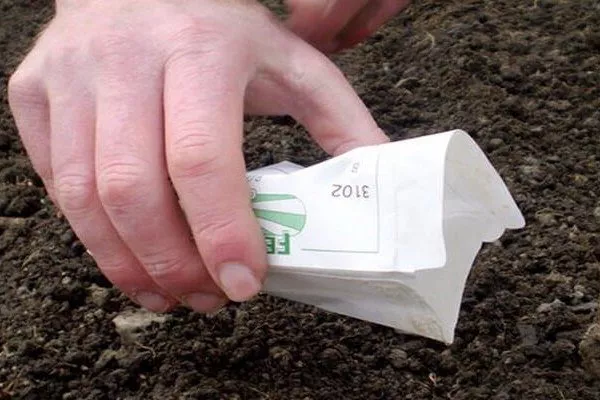
These are generally accepted times for sowing parsley, but everything depends on the owners, as well as the climatic conditions in a particular region.
Frost resistance
Like many parsley varieties, the Italian Giant tolerates frost well and can grow in temperatures as low as -10 degrees Celsius. This allows for harvesting practically year-round.
Advantages and disadvantages of the variety
Parsley Italian Giant has the following benefits:
- excellent frost resistance;
- early ripening;
- year-round harvest;
- undemanding to growth in the shade;
- high yield;
- rapid growth of greenery after cutting;
- sprouting greens from rhizomes.
The only disadvantage of this variety is the slow germination of seeds.
Growing rules
Parsley is a low-maintenance crop that doesn't require special growing conditions. It thrives in virtually any environment. Many even claim that growing this variety in low-light areas produces more tender and flavorful sprouts.
Preparing for landing
To ensure greater productivity and lushness of Italian Giant parsley, prepare the beds in advance in light, humus-rich soil. If sowing is planned for spring, preparation should begin in the fall, fertilizing the soil with organic amendments and minerals.
- ✓ The optimal soil pH should be in the range of 6.0-6.5 for maximum nutrient absorption.
- ✓ The soil must be well-drained to avoid water stagnation and root rot.
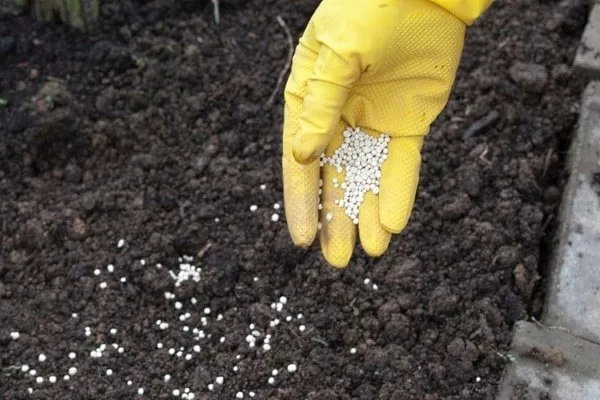
Just before planting, fertilize the beds with urea, saltpeter, or potassium-phosphorus compounds. When sowing in the soil, seeds should be buried at least 1.5 cm deep and spaced 20 cm apart.
Some gardeners use a conveyor-belt method, which involves regularly adding new seeds to the beds. This process is repeated every three weeks. This method can be used until late fall, but is only suitable for leafy parsley varieties.
Propagation by roots
Leaf parsley can produce new shoots from roots that have overwintered in the soil. These greens taste just as good as plants grown from seed. Therefore, many gardeners take advantage of this advantage: while the new crop is sprouting, last year's crop produces fresh greens.
Root crop varieties are dug up with the rhizomes, but some are left behind to produce fresh greens after winter. It's worth noting that this method isn't always effective, as several factors can impede germination:
- excessive soil moisture, which contributes to rotting of the root system;
- warm, rainy and damp weather in winter;
- severe frosts and lack of snow cover.
During severe frosts, you can protect the roots from freezing by covering the soil with a layer of hay, straw or sawdust.
Perennial plot
Some consider parsley an annual plant, others a biennial, but essentially both are correct. One year it's sown from seed, the next year it's propagated by root propagation, after which it produces seeds from which new shoots emerge. Many take advantage of this, and ultimately create a separate plot for permanent use.
This method of growing parsley is the simplest and most common among gardeners, but it requires more careful maintenance, as the plants need weeding. Eventually, the parsley will cover the entire area, forming a continuous green mat, thereby preventing weed growth.
However, this method of growing the Italian giant is only suitable for home use. Considering that the beds contain multi-year greens, their appearance will not meet commercial requirements.
Care Features
The Italian Giant parsley variety requires weeding, soil loosening, thinning, watering and fertilizing.
Loosening and weeding
Soil cultivation in the parsley plot is done using small tools: hoes, mattocks, hoes, rakes, and flat-cutters. It's best to do this in dry weather, as this will help the weed roots dry out and die faster.
If necessary, you can remove the grass by hand so as not to damage the parsley roots.
Loosening the soil allows it to breathe better and retains moisture during hot weather. The frequency of loosening depends on soil conditions and soil, so loosening should be done as needed. It's also important to monitor the root vegetables—if they're visible, the tips of the green shoots will begin to darken or turn yellow.
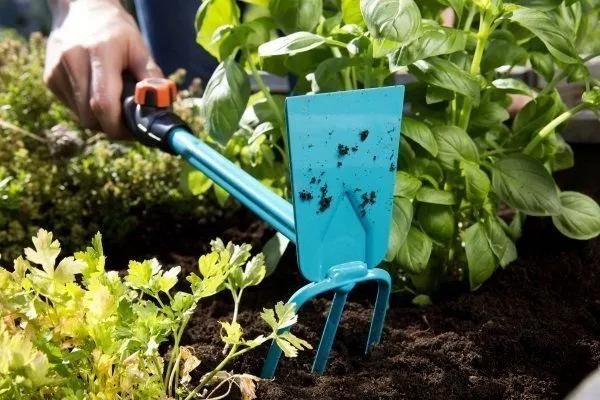
After weeding and loosening the soil, it is recommended to cover its surface layer of mulch, up to 3 cm thick. It will promote long-term moisture retention and prevent the appearance of some weeds.
Thinning
Like many garden crops grown in beds, parsley requires periodic thinning. As parsley grows, it begins to block sunlight from smaller shoots. This also leads to a lack of moisture and minerals, which slows its growth and makes it look unsightly.
Watering
The Italian Giant parsley variety doesn't like heavy or frequent watering, but you shouldn't let the soil dry out either. Both factors negatively impact the plant's growth and fruitfulness, and a "golden mean" is clearly appropriate here. Overwatering the soil promotes root rot and affects the condition of the foliage.
Dry soil prevents the plant from developing fully, so in hot weather, water parsley once every 3-4 days. In damp, rainy weather, it's best to avoid watering. Moderate moisture is key to healthy growth and development, so don't overdo it, and your plantation will produce a good harvest.
Top dressing
The Italian giant requires monthly fertilization. Typically, parsley is fed with a phosphate solution at a dose of 5 g per liter of boiled water. However, if the soil has been pre-fertilized, fertilizing is not necessary, and in some cases, it can harm the plant.
An excess of organic matter in the soil can cause the growth of extra shoots from a single root, leading to cracks or crooked roots. If the soil contains too much nitrogen, parsley will grow bushier but lose its flavor and aroma.
When growing in poor, mineral-poor soils, you can apply fertilizer as the plant grows and develops. Based on the soil's yield, you can determine how many applications are needed during the fruiting period to ensure the parsley produces the expected yield. In such cases, the following solutions and components are most often used for fertilizing:
- fertilizers based on nitrogen, potassium and phosphorus;
- wood ash;
- combined mineral and organic compositions.
Harvesting and storage
Parsley can be harvested at any time after it ripens. Choose young shoots, as they are much tastier and more aromatic. Mature shoots have three developed leaves.
The greens should be cut right down to the root to ensure a denser harvest in the coming months. Before winter sets in, the entire harvest must be harvested so that the roots produce a bountiful harvest of delicious greens in the spring.
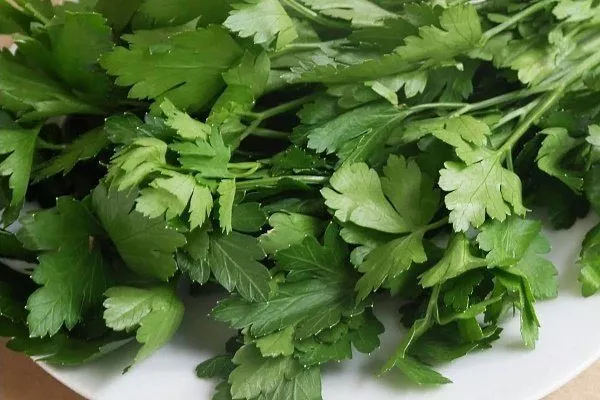
For long-term storage, parsley is frozen or dried in a dry place. For everyday use, the harvested crop should be stored at temperatures between 0 and 5 degrees Celsius (32 to 41 degrees Fahrenheit). This way, it retains its freshness, flavor, and aroma for 12-15 days. Higher temperatures can cause it to rot or sprout.
Diseases and pests
Fitoverm or Iskra Bio products can help combat pests such as cicadas, flies, and carrot fleas. Fitosporin and copper-containing compounds, such as chlorine oxide and copper sulfate, will protect the crop from the following diseases:
- powdery mildew;
- white spot;
- leaf rust;
- fungal diseases.
To prevent diseases and pest attacks, it is necessary to periodically remove weeds - they are their main distributors.
You can see an overview of the listed and other diseases, as well as pests of parsley, in this article.
Reviews
People who have at least once tried growing Italian Giant parsley will undoubtedly give preference to this variety, as it has many advantages over other types, including leafy ones.