
Eagle parsley is an excellent choice for those seeking a reliable and productive plant for their garden. Its low maintenance and excellent flavor make it ideal for both cooking and preserving. With proper cultivation practices, you can grow a plant with strong immunity and high quality.
Description and characteristics of Eagle parsley
This crop grows well in partial shade and is chosen by many gardeners across the country for its numerous positive qualities. It's important to research these before planting.
The Origin of the Eagle Parsley Variety
The variety appeared in 2000, during the second wave of interest in greens. Its development took over a year, during which it underwent extensive testing and became more versatile. Read about other varieties. Here.
The rights to the Eagle variety are owned by the renowned Dutch company Bejo Zaden. It established itself successfully in the Netherlands and later attracted the attention of gardeners in other European countries. It has also gained widespread recognition in Russia and remains popular to this day.
Features of the appearance of Eagle parsley
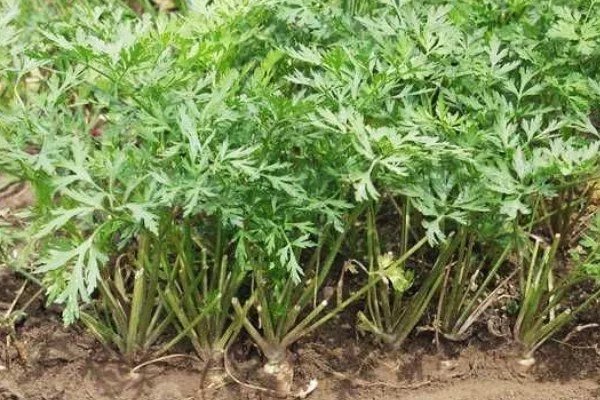
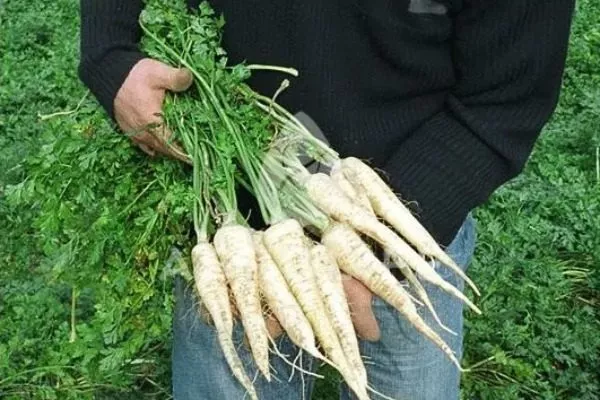
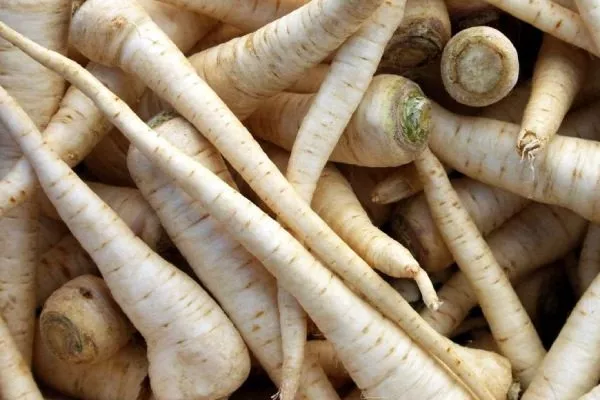
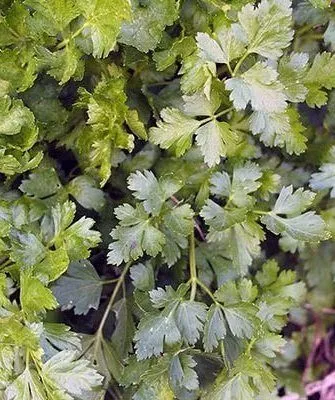
The plant has a voluminous, moderately spreading rosette with dark green leaves. The large roots are cone-shaped. They weigh 120 to 130 g, measure 4 to 7 cm in diameter, and grow 20 to 30 cm in length. The plant produces 11 to 24 leaves. The skin has a grayish tint, and the flesh is light yellow.
Flavor and aroma characteristics of Eagle parsley
Root vegetables and greens are characterized by excellent taste. Parsley's aroma is clearly evident in various dishes and when eaten fresh. Many people freeze root vegetables for use in the winter, when their nutrients are especially needed.
This variety is well suited for industrial processing and can be successfully preserved. The versatility of this herb allows consumers to choose how to use it based on their needs.
Maturity, productivity
A mid-season variety. It takes 120-130 days from germination to harvest. During the growing season, the sprouts develop into fully harvestable roots. Ripening can occur faster if all agricultural practices are followed.
The intricacies of planting and growing Eagle parsley
Choose a well-lit area with fertile soil. Although the plant prefers sunny locations, it also thrives in partial shade.
- ✓ The optimal soil temperature for planting should not be below +5°C.
- ✓ The distance between plants when planting should be 20-30 cm to ensure sufficient space for root crops to grow.
Selecting and preparing soil for planting Eagle parsley
Prepare the area beforehand. Follow these recommendations:
- Remove weeds and loosen the soil.
- If the soil is heavy and clayey, improve its structure by adding sand or humus.
- To ensure adequate nutrition, apply complex mineral fertilizers. The optimal time for organic fertilizers is a few weeks before planting, so they have time to decompose and mix with the soil.
- Pay attention to the soil acidity: a pH of 6 to 7 is suitable for Eagle parsley. If necessary, adjust the acidity with lime or other additives.
- Ensure good drainage, as standing water can cause root rot. Add sand to compacted soil to improve water permeability.
Optimal time for planting Eagle parsley
Consider the climate of your region. In colder zones, plant in the spring when the soil has warmed up sufficiently and the risk of frost is minimal. In warmer areas, cultivation is permitted in both spring and fall.
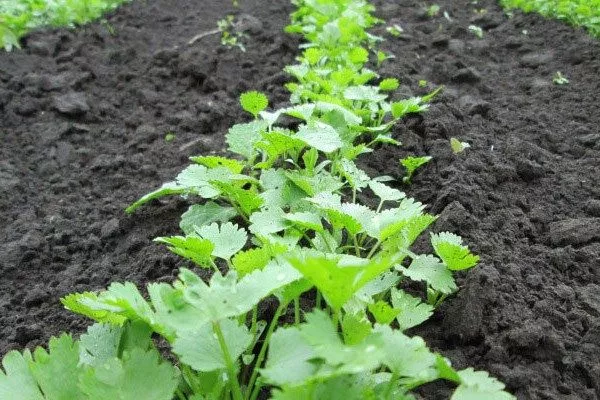
The optimal time for this procedure is from mid-spring to early summer, when the soil has warmed sufficiently to ensure rapid growth and development. If you're propagating from cuttings, plant them at any convenient time of year.
Care and watering of Eagle parsley
Growing greens isn't difficult, but they do require attention and care. Follow these simple gardening practices:
- Plants prefer moderate watering. They do not tolerate overwatering or flooding, so the soil should remain moist but not wet. Water after the top layer of soil has dried out.
- When watering, avoid contact with foliage to prevent disease and rot. Apply water at the roots, ensuring even penetration.
- The plant's roots are frost-sensitive. Protect the root system from frost during the winter. If growing in a pot, move it to a room with a temperature of at least 5°C.
- Regular fertilizing is essential for good growth. Use nitrogen-containing fertilizers to strengthen roots and promote foliage development.
- Remove weeds regularly, as they compete with parsley for nutrients and moisture, which reduces its growth and taste.
By following these guidelines, you can grow healthy greens with succulent leaves and a pleasant aroma.
Disease/pest resistance
The culture has a strong immunity, but can be attacked by insects and diseasesThis often happens due to improper care.
Common problems and solutions:
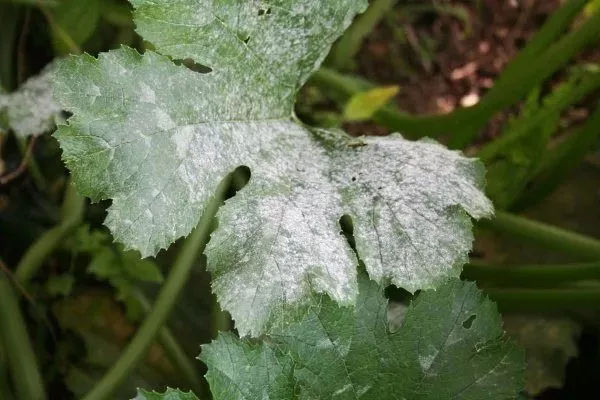
- Downy mildew (peronosporosis). The disease appears as white spots on the leaves. Remove affected parts immediately.
- Rust. Appears as orange spots on greenery. Use copper oxychloride and Bordeaux mixture.
- Carrot fly. It feeds on root crops, causing significant damage.
- Melon aphid. It settles on the underside of leaves, sucking out the juices. An infusion made from dandelion or orange peel is effective.
- Aphid. It promotes fungal growth and slows plant growth. A soap solution will help get rid of the pest.
| Pest | Method of struggle | Period of activity |
|---|---|---|
| Carrot fly | Using a net for protection | May-June |
| Melon aphid | Dandelion infusion | June-August |
Positive and negative qualities
Before planting a crop in your garden, it's important to carefully consider its advantages and disadvantages. Greens have numerous benefits:
Cons:
Reviews
Eagle is a variety of root parsley that has gained popularity due to its rich flavor and versatility. It's a favorite among gardeners and cooks. Its combination of excellent flavor and low maintenance makes it an excellent choice for growing. It's important to take care of the plants and follow simple gardening practices.