Loading Posts...

The pros and cons of Suzuka sunflower

The Suzuka sunflower has gained recognition among Russian farmers. This variety boasts unique characteristics that make it attractive for commercial cultivation and oil production. Proper planting and proper agricultural practices directly impact subsequent yields.
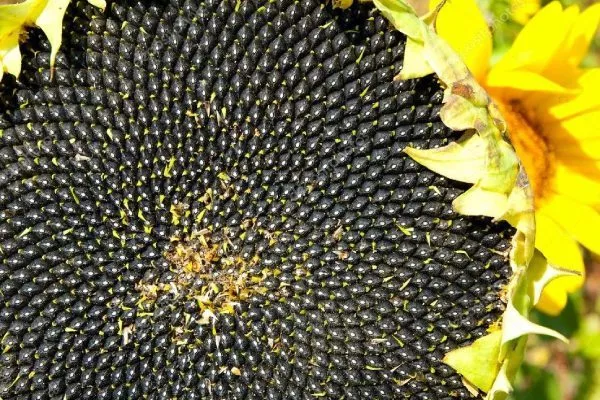
Sunflower variety Suzuka

Description of the Suzuka sunflower hybrid

The Suzuka sunflower was developed in 2015 by the Swiss company Syngenta. In 2019, it was added to the State Register, making it available for cultivation in Russia.

The plant reaches 1.6-1.8 m in height. Its lack of branching makes it easy to handle and harvest. The leaves are green, and the flowers are orange-yellow.

Characteristics

The crop is flexible in terms of sowing time, allowing for flexible planting timing. It demonstrates consistent results even in poor soils, making it suitable for a variety of soil types.

Other characteristic features:

  • It easily adapts to cultivation in dry conditions, which allows it to be successfully cultivated in regions with limited rainfall.
  • Suitable for cultivation in the Central Black Earth and Middle Volga regions.
  • Susceptible to white rot.
  • Moderately susceptible to rust and phomopsis.
  • Rarely affected by broomrape.
  • Resistant to downy mildew.

Suzuka Sunflower: Description

This is a mid-late variety with a ripening period of about 140 days from germination to harvest.

Recommendations for cultivation

Sunflowers prefer well-drained, fertile soils, but show consistent results even in poor soils. Classic, minimum, or no-till farming techniques are recommended, including deep plowing to improve the soil structure and eliminate weeds.

Critical soil parameters for Suzuka sunflower
  • ✓ Optimal soil pH should be in the range of 6.0-7.5 for maximum yield.
  • ✓ Humus content of at least 2% to ensure the necessary nutrition of plants.

Follow the recommendations:

  • Sow seeds in spring when the soil warms up to +8-10°C.
  • Avoid dense planting. The recommended planting density is approximately 50,000-55,000 plants per hectare.
  • Plant the seeds at a depth of 5-6 cm in well-moistened soil.
Risks of growing
  • × Avoid planting in soils with a high water table, as this may lead to root rot.
  • × It is not recommended to sow sunflower after crops susceptible to white rot due to the risk of infection.

Crop care:

  • Watering. Despite the variety's drought tolerance, it requires moderate moisture during the germination and flowering phases. During dry periods, additional irrigation is necessary to ensure plant growth and development.
  • Top dressing. The crop requires nitrogen, phosphorus, and potassium fertilizers. Apply fertilizers before sowing and during the active growth phase.
  • Weeding. Regular weeding will help eliminate weeds that can compete with sunflowers for nutrients and water.
  • Protection from diseases and pests. The crop is susceptible to white rot and rust, so preventative fungicide treatments are important. Regularly inspect plants for diseases. Apply insecticides to control pests as needed.
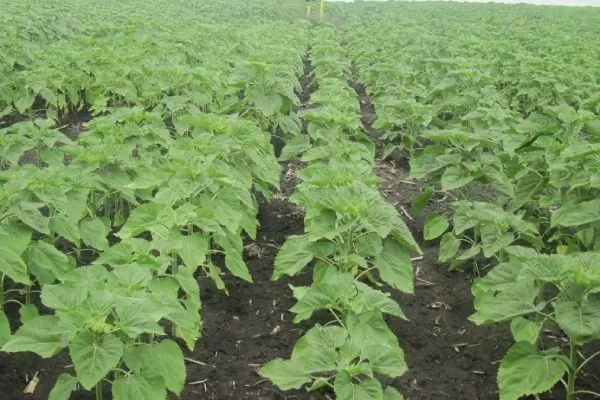
Optimization of feeding
  • • Apply micronutrients such as boron and zinc in the 4-6 leaf stage to improve seed oil content.
  • • Use foliar feeding during the flowering period to strengthen plant immunity.
Harvest when 85-90% of the heads have turned brownish-yellow. Avoid over-ripening to minimize crop losses.

sunflower care

Advantages and disadvantages

Pros
The Suzuka variety produces generous yields, making it very profitable for farmers who grow it for sale.
From a plot of 1 hectare, it is possible to collect up to 25.1 centners of seeds.
It exhibits excellent drought resistance and is characterized by a high oil content in the seeds.
It belongs to the varieties with an early ripening period, which allows for earlier harvesting and reduces the risk of losses due to unfavorable weather conditions at the end of the growing season.
Gardeners consider vulnerability to certain diseases to be a disadvantage.


Reviews from gardeners and farmers

Gennady, 48 years old, Moscow region.
We've been growing Suzuka sunflowers on our farm for three years now. They've shown excellent results: consistently high yields, even in poor soils. The oil content is also impressive. However, we do have to pay more attention to preventative treatments. Overall, this is a very good variety for our conditions.
Igor, 44 years old, Moscow.
The Suzuka sunflower pleasantly surprised me with its drought resistance. Water shortages are common in our region, but this variety copes wonderfully. The yield is excellent, and its immunity is also good – I haven't encountered any diseases, but I regularly treat the plants for prevention.
Julia, 31 years old, Ryazan.
I chose the Suzuka variety for my farm because of its claimed high oil content, and I wasn't disappointed. The seeds contain a lot of oil, making it a profitable option for sale. The yield met expectations. The sunflower is well adapted to dry conditions. With proper farming practices and timely treatments, it rarely suffers from problems.

The Suzuka sunflower boasts numerous advantages, making it a good choice for farmers across Russia. It's an excellent choice for beginning farmers, requiring minimal attention. Proper care is the key to bountiful harvests.

Frequently Asked Questions

What is the optimal interval between fungicide treatments to prevent white rot?

Can drip irrigation be used for this variety?

Which predecessor plants reduce the risk of Phomopsis infestation?

How does dense cropping affect the oil content of seeds?

What micronutrients are critical for increasing crop yields other than boron and zinc?

How long can seeds be stored without losing their germination capacity?

Is it possible to grow it as a green manure and then plow it under?

What type of tillage equipment minimizes root damage?

Which weeds are most dangerous for young seedlings?

How does the nitrogen requirement change when growing on chernozem soil?

What insecticides are effective against sunflower moth?

What is the period of greatest vulnerability to rust?

Is it possible to combine herbicide treatment with foliar feeding?

What is the minimum temperature threshold for seed germination?

What is the best crop rotation scheme to prevent soil depletion?

Comments: 0
Hide form
Add a comment

Add a comment

Loading Posts...

Tomatoes

Apple trees

Raspberry