
Sunflower Oreshek is a large-fruited oilseed variety for general use (read about the best varieties Here). It is a product of Russian selection, has excellent taste characteristics, and is very resistant to any kind of challenges.
The history of the Oreshek variety
The Oreshek sunflower variety was developed by Russian breeders. The creators of this sunflower were a group of Russian scientists from the V.S. Pustovoit All-Russian Research Institute of Oilseed Crops. The variety was approved for cultivation in 2009.
Botanical description of the plant
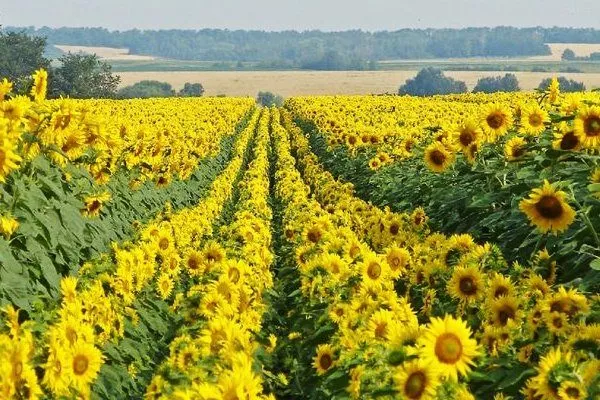
The plant is tall, with a strong stem that is moderately pubescent at the top. Branching is absent. The plant height is 170-185 cm. The inflorescences are yellow and simple. The flower head is medium-sized, flat, and turned downward.
The leaves are green, medium-sized, heart-shaped, and lack anthocyanin coloration. They lack gloss or blistering, and their margins are moderately serrated.

Appearance, taste and purpose of seeds
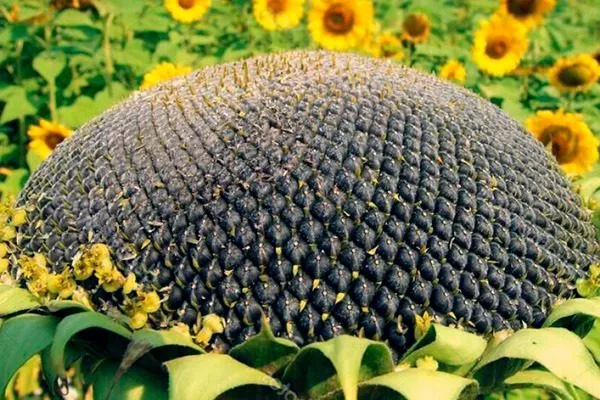
The seeds are large and broadly oval. The shell is black and unspotted. Gray stripes are present. The kernels are nutritious, with an excellent flavor and high protein and fat content. The kernel accounts for 54.2% of the total seed weight.
Oreshek sunflower seeds are used fresh or roasted. Salt is often added to improve the flavor. 100 seeds weigh 80-140 g. This variety is widely used in the confectionery industry. The peeled kernels are used in bread and various baked goods, halva, and are also used to press sunflower oil.
Pros and cons
The Oreshek variety has many advantages, which makes it appreciated by large and small agricultural producers:
No significant defects were found in the Oreshek variety.
Characteristics
The Oreshek sunflower is an early variety. Three months pass from sprouting to harvest. Under unfavorable conditions, ripening can be delayed by 2-6 days. Oreshek has a high yield, reaching 35 centners per hectare.
- ✓ High resistance to downy mildew, which reduces the need for fungicide treatment.
- ✓ The seeds have a high oil content, which makes them particularly valuable for the production of sunflower oil.
Landing features
To obtain a bountiful and high-quality harvest, it is important to sow the crop correctly and on time.
- ✓ The optimal soil pH level should be between 6.0-7.5 to ensure maximum yield.
- ✓ The soil must have good drainage to avoid water stagnation and root rot.
Landing features:
- Sowing in open ground is carried out from the end of April to mid-May - the exact timing depends on the climatic conditions in the region.
- Sunflowers grow best after corn and grains. Avoid planting the Oreshek variety where tomatoes, beets, or legumes were grown.
- Any soil is suitable; this variety is completely undemanding in this regard. However, it grows best in fertile, slightly clayey soils. Avoid planting sunflowers in acidic, saline, or marshy soils.
- The soil is prepared for planting by plowing or hand digging, depending on the scale of cultivation. At the same time, complex nutrient solutions are added to the soil.
- Before planting, seeds are calibrated and treated. They are placed in a weak solution of potassium permanganate for 12 hours (usually overnight). An infusion of onion and garlic can also be used for this purpose.
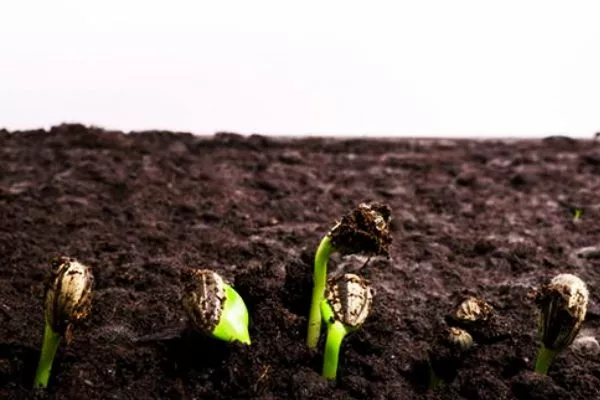
- Plant the seeds at a depth of 5-8 cm. Moisten the soil beforehand. Place two seeds per hole. Space adjacent plants 1 m apart.
Care
The Oreshek variety requires regular care, as the quantity and quality of the harvest directly depends on it.
How to care for the Oreshek variety:
- Water as needed. Moistening is especially important when the plant has eight leaves. Moistening is also critical during inflorescence formation, during flowering, and during seed formation.
When watering, the soil should be saturated throughout the entire length of the rhizome. If necessary, water the plant daily, and during dry periods, 2 or 3 times a day. - When the third pair of leaves appears, the plant is fertilized. Superphosphate is the most effective fertilizer in this case. Approximately 30 grams of granular fertilizer is scattered around the root zone and worked into the soil by loosening the soil. Then, water the plant.
- After flower heads appear, apply nitrogen and potassium fertilizers. You can also use mullein diluted with water at a ratio of 1:10. Add 1 tablespoon of potassium sulfate to the mixture. A similar fertilizer is applied during the ripening period.
Diseases and pests
The Oreshek variety has excellent immunity, but it is not a 100% guarantee of protection against diseases and pestsDowny mildew rarely affects this variety, but it can be susceptible to black spot under unfavorable conditions. The disease is characterized by the appearance of dark, necrotic spots that gradually merge with one another.
In addition, the Oreshek sunflower is susceptible to stem blight, gray spot, dry rot, sclerotinia, bacterial wilt, and rust. Effective pre-plant seed treatments can help prevent these diseases. Fungicides such as Skor, Previkur, Fundazol, and their analogs are used to combat these diseases.
Harvesting and storage
The seeds ripen 2-3 weeks after the central part of the flower head has finished blooming. Ripening is also indicated by the wilting and shedding of the ray flowers, the hardening of the kernels, and the drying of the leaves. Upon reaching full maturity, the plant is almost completely dry, and the seed moisture content is no more than 7%. But harvest They begin to be carried out when the humidity reaches 10-12%. This helps to reduce the amount of losses.
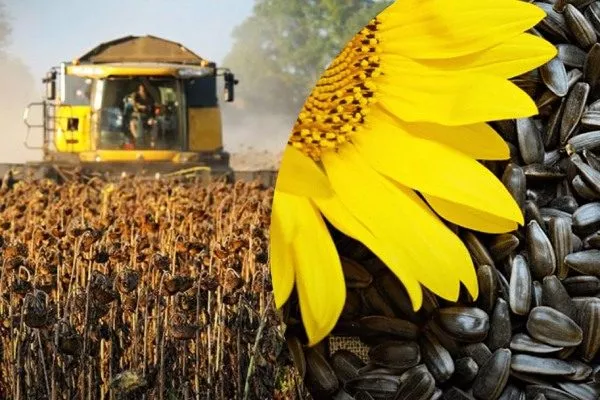
For large-scale cultivation, mechanized harvesting is used, while for amateurs, various folk methods are used—for example, knocking out the seeds with a stool leg, placing the baskets in bags and hitting them with a stick, etc.
Sunflower seeds are stored in a dry place after being sifted and dried. High humidity causes the seeds to heat up, leading to microbial growth. This can occur in just a few hours—just leaving raw seeds in the heat is enough.
Reviews
The Oreshek sunflower is a delicious and promising variety, ideal for use in confectionery. Its seeds have truly remarkable flavor and are ideal for producing a wide variety of delicacies and vegetable oil.