
The Yenisei sunflower is an example of successful breeding, resulting in the creation of a crop with high yields and consistent resistance to pests and diseases. Despite some shortcomings, proper care and the use of modern technologies can significantly increase yield.
History of the variety's development
Created by Russian breeder A. I. Gundayev, it was developed at the Krasnoyarsk Research Institute of Agriculture through cross-pollination with popular varieties possessing excellent varietal characteristics. In 1961, it was included in the State Register of the Russian Federation.
Description of the variety
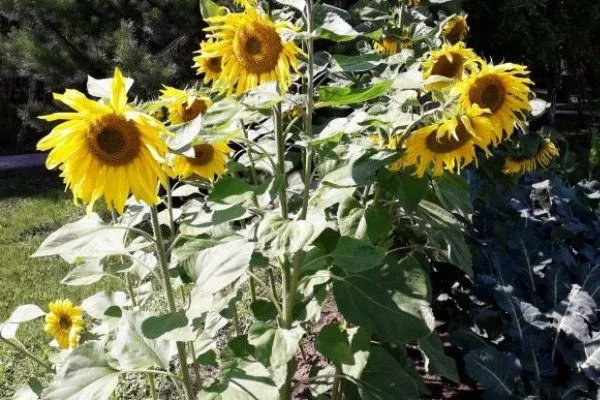
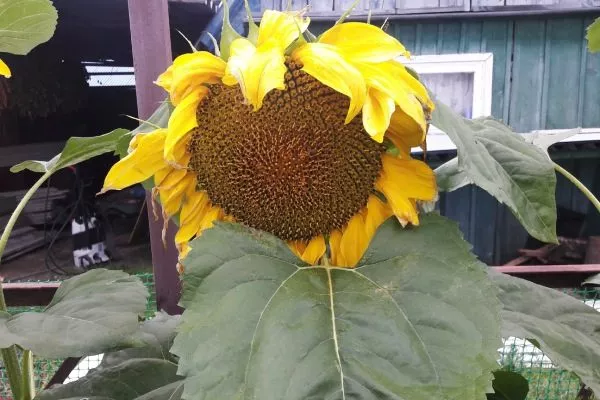
The plant is medium-sized, robust, and lodging-resistant, reaching a height of approximately 140-170 cm. It has large, rough-surfaced foliage. The inflorescence is large, 25-40 cm in diameter, slender, and slightly or strongly inclined.
The flowers are yellow, self-pollinating, and produce abundant nectar. The seeds are large, oval, black, striped, and well-formed.
Ripening time and yield
The Yenisei sunflower is an ultra-early maturing variety, allowing for the first harvest to be harvested as early as 85-90 days after sowing. This variety is characterized by high yields, but their level is largely dependent on the crop's care.
Purpose
The seeds have a universal purpose. They are used for the following purposes:
- Oil production. They are the main raw material for the production of sunflower oil, which is used in cooking, the confectionery industry and for technical purposes.
- Animal feed. The meal and cake obtained after oil extraction are used as high-protein feed for livestock and poultry.
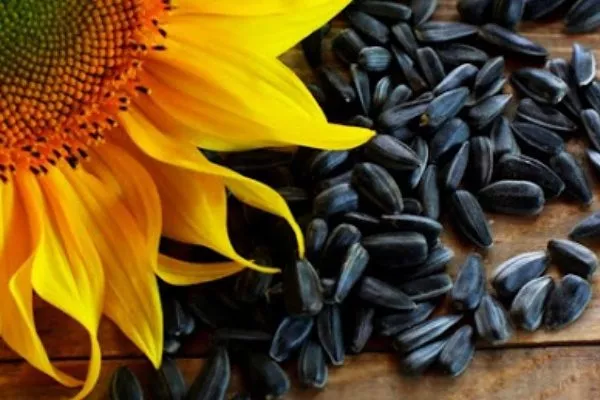
- Canning and food industry. Whole seeds are used in the production of various food products such as halva and snack seeds.
- Cosmetic industry. Sunflower seed oil is used in the production of cosmetics and care products due to its moisturizing and nourishing properties.
Growing regions
The crop is adapted to the climatic conditions of Siberia, Central Russia, and the Urals. It is actively grown in the following regions: Central Black Earth, Middle Volga, West Siberia, North Caucasus, Ural, and East Siberia.
Landing
Sunflowers prefer sunny, shade-free locations, so plant them in open areas protected from strong winds. Prepare the soil in advance for sowing, as sunflowers require nutritious, light soil with a neutral pH. Apply fertilizer and acidifiers if necessary.
- ✓ The soil pH level should be strictly within 6.0-7.5 for optimal sunflower growth.
- ✓ The soil must have good drainage to avoid water stagnation.
Growing and care
Sow seeds when the soil warms to 10-12°C. Plant seeds 5-7 cm deep. Row spacing should be approximately 70 cm to ensure adequate space for plant growth.
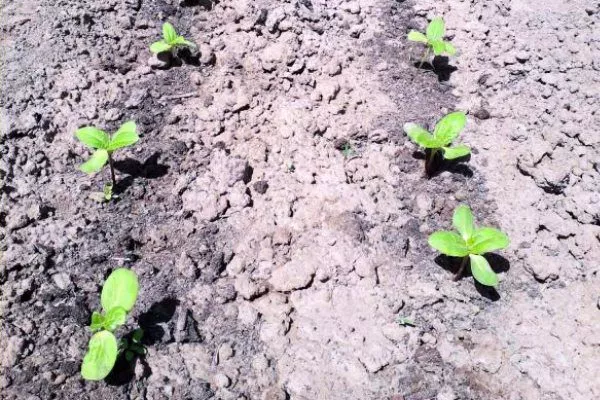
Follow these recommendations:
- Sunflowers require regular watering, especially during active growth and flowering. It's important to maintain moderate soil moisture, avoiding both dryness and overwatering.
- To ensure good growth and development, fertilize regularly. At the beginning of the growing season, the plant requires nitrogen, and during bud formation and flowering, phosphorus and potassium. Both organic and mineral fertilizers can be used.
- Weed the area, removing weeds that may compete with the sunflowers for moisture and nutrients. Loosen the soil to improve aeration.
Following all these recommendations will allow you to get a generous harvest.
Diseases and pests
The Yenisei variety is pest-resistant and rarely affected by diseases such as gray mold, powdery mildew, sclerotinia, and broomrape. However, to ensure trouble-free growth, periodically treat the plant with special preparations as a preventative measure.
| Disease | Sustainability level | Recommended control measures |
|---|---|---|
| Gray mold | High | Preventive treatment with copper-containing preparations |
| Powdery mildew | Average | Treatment with fungicides at the first signs of disease |
Regular inspection of stems, foliage, and flower heads will help identify damage early and initiate treatment. Under unfavorable conditions, especially during prolonged rainfall, plants may be susceptible to attack by dangerous insects.
Advantages and disadvantages
Before cultivating a variety, it's important to study its positive and negative qualities. The Yenisei sunflower has many advantages:
Agronomists cite the initial low yield as a disadvantage, but with proper and intensive plant care, this disadvantage is compensated for, and productivity levels increase significantly.
The Yenisei sunflower is a symbol of summer's lushness and abundance, and has significant economic value in agriculture. It has earned widespread recognition due to its unique characteristics and high adaptability to a variety of climatic conditions. It's important to devote minimal attention to the crop and implement simple agricultural practices.