
The Sterlet F1 tomato is a promising hybrid recently developed by Russian breeders. It will definitely appeal to preserves enthusiasts and those who prefer hardy varieties that require little maintenance.
Who bred the Sterlet tomato?
The Sterlet tomato was developed by Russian breeders from the Semena Altaya agricultural firm. No details about the variety's development are available, but it is known that this hybrid, bearing the original name, appeared on the market in 2020.
Description of the variety
The Sterlet tomato plant grows compactly and is a determinate variety. The bushes have strong, thick stems with bright green leaves of the typical cultivar shape. Each bush produces 5-6 inflorescences. The first cluster forms above the 8th or 9th leaf, and then every two leaves.
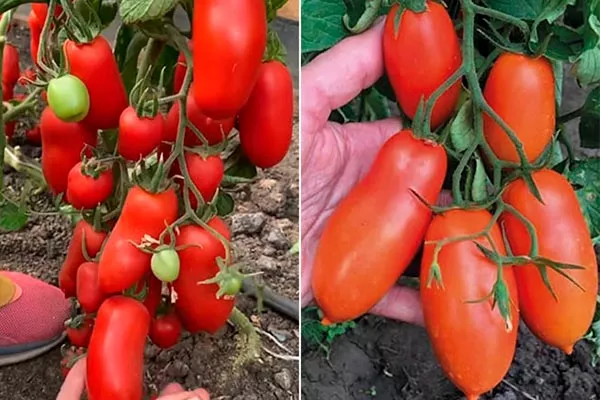
Brief description of fruits:
- Fruit color: deep red.
- Pulp color: red.
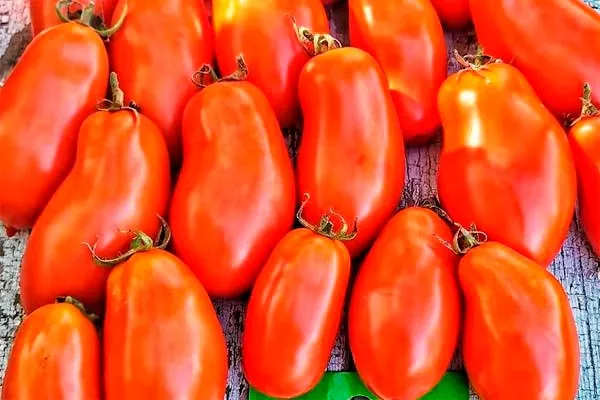
- Form: elongated, cylindrical.
- Skin: smooth.
- Weight: 100-150 g.
Taste and purpose of fruits
The Sterlet tomato's flesh is juicy and sweet, with a harmonious flavor, a light, refreshing acidity, and a classic tomato aroma. The pulp has a low liquid content, making it ideal for whole-fruit canning.
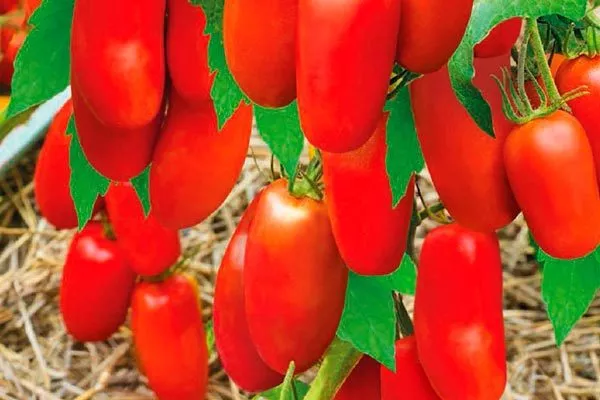
The fruits of the Sterlet variety are used not only for preserves but also fresh, dried, stewed, and baked. The hybrid is also suitable for industrial processing.
Characteristics of the Sterlet tomato
The Sterlet hybrid has fairly good agronomic characteristics, allowing it to be grown in a wide variety of conditions and still obtain high yields.
Productivity
The Sterlet F1 tomato produces a fairly high yield. It depends on growing conditions and care, and ranges from 6-8 kg per square meter. Experience shows that the hybrid produces higher yields in greenhouses than in open ground.
Ripening time
The Sterlet F1 hybrid is an early-ripening tomato. It takes 92 to 94 days from germination to the first tomatoes ripening.
Frost and drought resistance
The hybrid is distinguished by its increased resistance to any adverse conditions. It copes well with negative impacts of any kind, and tolerates cold, heat, and drought.
Immunity to diseases
The Sterlet F1 tomato has moderate resistance to fungal diseases and pests. It is rarely affected by verticillium wilt, fusarium wilt, and various spotting diseases. If regularly overwatered and in acidic soils, the hybrid may be susceptible to root rot and viral diseases.
Pros and cons
Before planting a new tomato variety in your garden, it's important to familiarize yourself with all its advantages and disadvantages. Otherwise, your expectations may not be met.
Landing features
The Sterlet tomato, like most other varieties, is grown primarily from seedlings. This allows for an early harvest and provides maximum protection for the plants during their early stages of life from cold, sun exposure, diseases, and pests.
How to prepare seeds?
The Sterlet tomato is a hybrid, so only store-bought seeds are used for sowing. These are usually sold already treated and disinfected, so all that's left to do is germinate them.
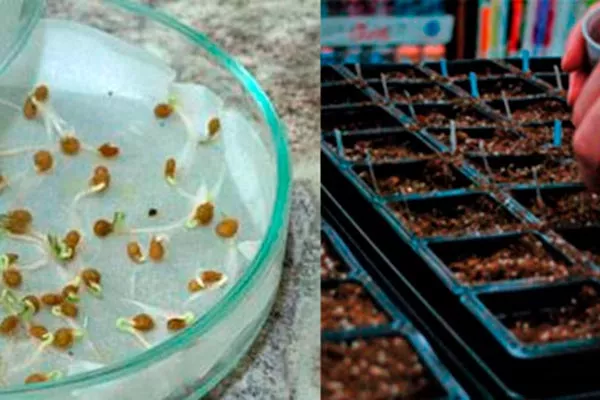
To speed up germination, seeds are germinated in damp cloth, gauze, or cotton pads. Wrapped in cloth, they are placed in a container and kept at a temperature of 22 to 24°C in dim light. Once the seeds sprout, which usually occurs within 2-3 days, they are immediately planted.
- ✓ The optimal temperature for germinating Sterlet F1 tomato seeds should be maintained strictly within the range of +22…+24 °C.
- ✓ To prevent fungal diseases, it is recommended to treat seeds with a weak solution of potassium permanganate before germination.
How to grow seedlings correctly?
Seeds for seedlings are sown in late March or early April—time must be planned so that the planting material is ready by the desired planting date. Typically, it takes 60 days to grow tomato seedlings.
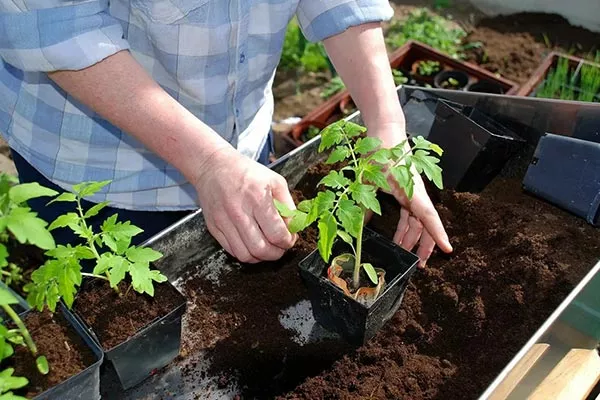
Features of growing seedlings:
- Any container can be used as planting containers—containers, individual cups, cassettes, peat pots, etc. Containers should have drainage holes to remove excess moisture.
- Planting containers are filled with purchased substrate or a potting mix made from soil and various additives. For example, you can create a nutritious mixture of leaf mold, turf, peat, sand, and humus.
- The soil is leveled and moistened with a spray bottle. Small furrows or holes are then made in the soil, either in containers or cups, respectively. Space adjacent seeds 1 cm apart. Plant them at a depth of 1-1.5 cm. Then, cover them with soil and moisten them again with a spray bottle.
- Until the seedlings emerge, the crops should be covered with plastic or glass. The optimal temperature is 27°C. Indirect lighting is recommended. As soon as the green shoots appear, the covering is removed and the seedlings are moved to a cooler room to prevent them from becoming too elongated. The temperature is then raised again.
- After two weeks, container-grown seedlings are transplanted into separate containers. Seedlings grown in cups are transplanted into larger pots. It's best to use biodegradable peat cups for transplanting—they're planted in the holes along with the seedlings. This prevents damage to the root system, and the plants quickly and well establish themselves in their new location.
- Transplanting seedlings into the ground occurs when stable warmth sets in. This period varies by region. The air temperature should reach 18°C, and the soil should reach 14°C to 16°C. Transplanting typically occurs in May to early June; seedlings are transplanted into greenhouses a few weeks earlier.
Before planting, seedlings need to be hardened off for about two weeks. They are acclimated to cooler temperatures than indoors by being moved outdoors. The time spent outdoors is gradually increased, from 15-20 minutes to several hours.
Selecting a site
The site where you'll plant the Sterlet tomato should be well-lit and protected from strong winds. It's important to ensure at least 6-8 hours of direct sunlight per day. It's best to choose a site that's level or slightly elevated to prevent waterlogging.
Tomatoes are planted following crop rotation rules. Avoid planting tomatoes where nightshade crops such as potatoes, peppers, and eggplants were grown. Good predecessors include onions, garlic, zucchini, pumpkins, cucumbers, squash, peas, lentils, watermelon, melon, and corn.
Soil preparation
It's best to prepare the planting area in the fall. After clearing away plant debris, dig it up, first spreading fertilizer and other components throughout the area to improve the soil's quality.
Features of soil preparation for planting Sterlet tomatoes:
- Humus or compost, superphosphate, and potassium sulfate are added during digging. Sand is added to heavy and clayey soils, and wood ash, dolomite flour, and slaked lime are added to acidic soils.
- It is also recommended to treat the soil with "Healthy Earth," which prevents root rot. Fitosporin can also be used for biological soil support.
- In the spring, large clods are broken up with a rake, the surface is leveled, and rows or planting holes are prepared for planting.
Planting seedlings in the ground
Planting is carried out when there is no strong solar activity - in the morning, evening or in cloudy weather.
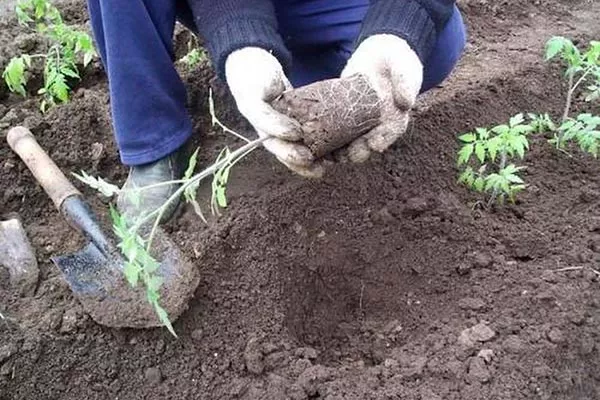
Features of planting seedlings:
- Dig holes for planting. They are approximately 15 cm deep and 20 cm wide. The optimal planting pattern is 40 x 40 cm. Four to six tomato plants should grow per square meter.
- There's no need to add mineral fertilizer to the holes. Firstly, they were added during digging, and secondly, the tomatoes will need them later, during the active growth stage.
- You can add substances containing potassium and phosphorus to the holes - eggshells, bone meal, fish scraps.
- The seedlings are carefully placed into the holes, previously watered. The roots are covered with soil, compacted, and watered again with warm, settled water. The area around the trunks is mulched with hay, straw, freshly cut grass, etc.
Care
The Sterlet hybrid doesn't require any special care; standard agricultural practices are sufficient. To ensure a good harvest, tomatoes need regular watering, feeding, and timely spraying.
Watering mode
Water as needed, typically 2-3 times a week. It's important to maintain a balance—the soil should neither be overwatered nor dry out. In hot weather, watering should be increased.
Fertilizing
During the growing season, tomatoes are fertilized 4-5 times—approximately every 2 weeks. For feeding, use solutions of mullein or bird droppings, to which wood ash is added. Fertilizing is especially important during the fruit set and ripening stages.
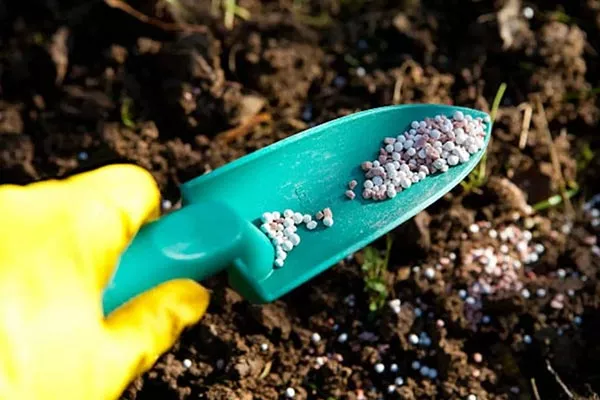
Loosening and weeding
It's recommended to loosen the soil in the beds after watering and rain to prevent a hard crust from forming, which would impede oxygen supply to the roots. Weeding should be done simultaneously with loosening, to a depth of no more than 4 cm.
Garter
The Sterlet F1 tomato is low-growing and doesn't require support. It's recommended to train the bushes into 2-3 stems. Lateral shoots are pruned when they reach 3-5 cm in length.
Diseases and pests
The Sterlet tomato has excellent immunity, but under unfavorable conditions it can be susceptible to certain diseases, such as anthracnose and blackleg. The former is treated with Topaz, Quadris, and similar preparations, while the latter is incurable.
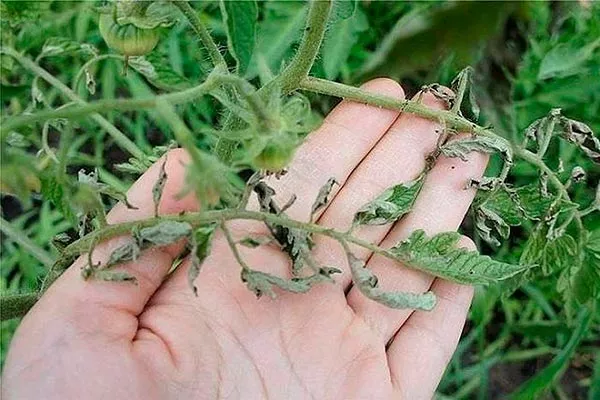
The most dangerous pests for the Sterlet variety are aphids and whiteflies, which can be controlled with Iskra. Aphids can be eliminated with a soap solution.
Harvesting and storage
The Sterlet tomato bears fruit almost until frost. The fruits are harvested as they ripen. Picking them unripe is not recommended. The longer the tomatoes remain on the vine, the tastier they are.
Unripe tomatoes are stored at a temperature of 20–25°C. The optimal humidity is 80%. The tomatoes are placed in crates or low boxes in 2–3 layers, interleaved with paper. At a temperature of 3–5°C, Sterlet tomatoes will last approximately 2 months.
Reviews
The Sterlet hybrid will definitely appeal to plum tomato lovers. Its fleshy, aromatic pods are ideal for both whole canning and fresh eating. This new variety is hardy and easy to grow, making it easy for even the most inexperienced gardeners.