
A beautiful and well-kept garden, a bountiful harvest, and a cozy place to relax at the dacha—every gardener can realize their agricultural dreams. However, maintaining the landscape, shrubs, and beds all come at a considerable cost. This is where ingenuity and the ability to leverage others' experience will be needed to reduce costs.
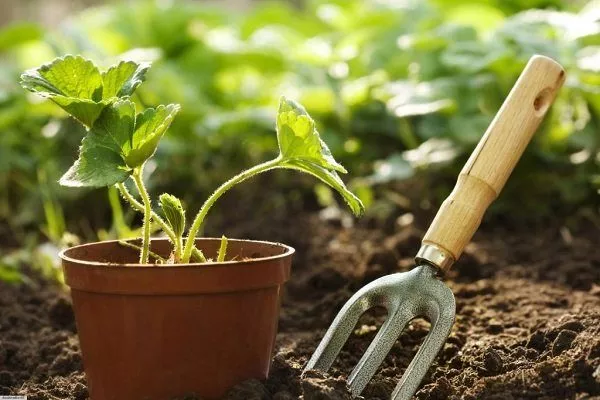
Saving water
Water prices are rising with each city. Every farm now strictly monitors its water consumption. And just imagine how much water garden plants require daily! And there's no denying that the quality and quantity of harvests directly depend on regular, adequate watering.
Let's look at several basic ways to save on watering.
Rainwater harvesting
The most well-known and most easily implemented method of rational use of surrounding water resources is the organization of reserves through the collection of rainfall.
Many people have a barrel in their garden that collects rainwater over time. It's completely free, and it would seem like the perfect solution to the problem. However, there are some important considerations to keep in mind:
- rainwater collected in a barrel (or even two) will not be enough to fully water the plants, since the barrel quickly fills up when it starts raining, and then the precious moisture simply flows away unused;
- The rains don't come on schedule, so you can't rely on this method alone under any circumstances.
In addition to rainwater harvesting, it's important to consider additional ways to save on irrigation. And you can change your approach to rainwater harvesting to increase its production by optimizing the collection structure.
Try:
- install the barrel not in any random place in the garden, but under the gutter of the roof of the country house;
- install drains on different sides so that water is collected in more than one barrel;
- use all surfaces (except the roof) from which water can be collected, for example, greenhouses, sheds, bathhouses;
- increase the number of barrels and their size;
- use a system of communicating vessels and, as needed, increase storage space;

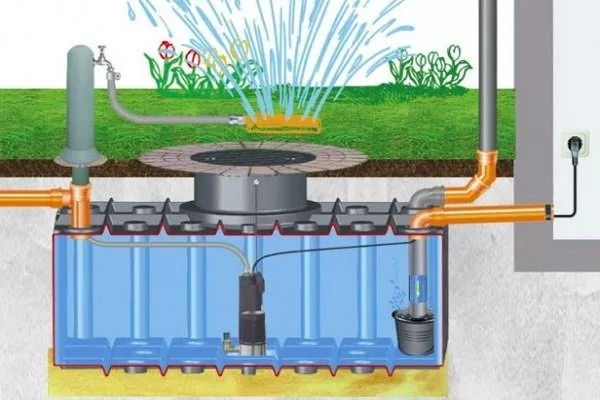
- install a large water storage tank underground.
Containers in which water will be stored must not contain zinc or copper.
Make sure that the water is not exposed to direct sunlight, as this causes microorganisms to multiply quickly in it.
Mulching the soil
Successful farmers know about the technique of soil mulching. This agricultural innovation has many advantages, extending beyond water conservation. We'll explore the benefits of mulching specifically in terms of water efficiency. These are:
- less moisture evaporates from the roots of plants, therefore the required amount of watering is reduced;
- prevents the formation of a crust on the soil, which prevents water from penetrating into the ground during watering;
- the soil is protected from pests and loss of nutrients, and its nutrition is enhanced;
- Mulching promotes the growth of the root system, through which the plant can collect more moisture.
Organic mulch rots over time, saturating the soil with useful elements, such as:
- compost;
- straw;
- mown grass;
- manure;
- fallen leaves;
- sawdust.
- ✓ Consider the soil type: for heavy clay soils, it is better to use organic mulch, which will improve the soil structure.
- ✓ For arid regions, inorganic mulch is preferable, as it retains moisture better.
Inorganic mulching materials are used in conjunction with organic ones, and these are:
- PET film (polyethylene);
- waste paper;
- crushed stone and gravel.
The ideal time for mulching is late spring, when the soil has warmed up sufficiently. The soil should be cleared of weeds, loosened, and watered thoroughly.
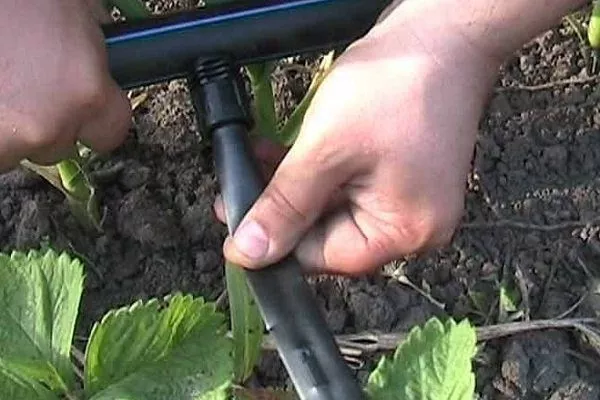
DIY drip irrigation system
By installing such a system on a summer cottage, moisture is evenly distributed throughout the entire area, resulting in savings.
When creating your own drip irrigation system, consider each specific crop. Since plant root systems vary, it's important to properly determine the water flow rate through the hoses to avoid overwatering the plant or, conversely, causing the roots to dry out.
To assemble the simplest drip irrigation system yourself, you will need the following materials and equipment:
- plastic container for water (to avoid rust);
- outlet for containers;
- tap;
- fitting;
- filter;
- plastic pipe;
- compression fittings;
- drip tape and connector for it;
- wood drill.
The assembly algorithm is simple and looks something like this:
- Install a water container.
- Cut a hole in the container just above the bottom to prevent debris that accumulates there from entering the system.
- Attach the faucet, filter and adapter to the pipe.
- Run a plastic pipe perpendicular to the rows of beds.
- Install a tap at the end of the pipe to simplify the process of flushing the system later.
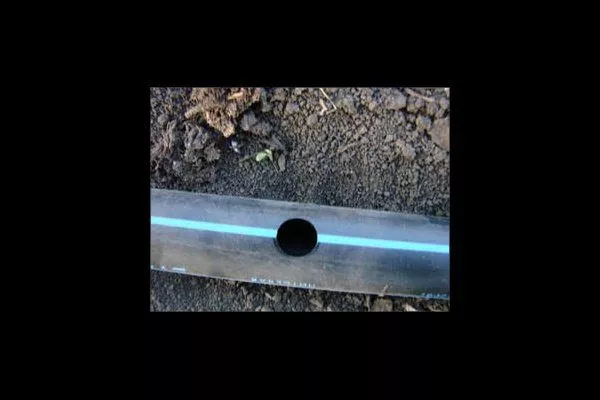
- Drill holes in the pipe opposite each of the beds.
- Attach starter connectors and drip tape to the holes.
- Cap the end of each tape.
- The system is ready for watering!

Correct design of the tree trunk circle
To ensure water reaches the roots directly, rather than wasting it by spreading out, farmers recommend creating tree trunk circles around fruit trees. These circles also serve many additional functions to ensure healthy and productive growth.
For young plants up to 3 years old, the recommended diameter of the trunk circle is 1.5-2 m. By 6-7 years old, this diameter should be increased to 3 m. The optimal length is considered to be 6-10 cm near the trunk, and further away from it, no deeper than 15-20 cm.
There are countless options for shaping the tree's trunk circle, but if water conservation is the primary goal, combine the creation of a tree's trunk circle with mulching. This combination will help achieve not only significant water savings but also healthy, comfortable tree growth.
Timely weeding
Weeds literally steal water (as well as nutrients from the soil). Therefore, weed regularly, thoroughly, and timely.
Determine which specific types of weeds have taken over your plot, and find out their growth time (when you need to weed again).
Morning or evening watering
Water your plants in the morning or evening, as daytime watering poses a risk to healthy growth (for example, the possibility of leaf burns due to droplets of moisture on them, through which the sun burns the surface of the plant).
Also, during the daytime, most of the liquid simply evaporates without fulfilling its purpose.
Water reuse
Another agricultural trick is to water your garden using water from cooking, changing the water in your aquarium, or washing fruits and vegetables. Using this water won't harm your plants.
A smart approach to choosing fertilizers
Another important factor in saving is the correct selection of fertilizers.
Compost
Manure, like specialized chemical fertilizers, is very expensive in the required quantities. However, modern gardening experts suggest using green manure and creating compost piles to partially or completely replace the purchase of expensive fertilizers.
- Choose a shaded location for your compost pile to prevent it from drying out.
- Alternate layers of nitrogen and carbon materials for balance.
- Turn the compost regularly to speed up the decomposition process.
Using compost has a number of advantages:
- organic waste from the farm is easily and simply disposed of;
- compost contains sufficient amounts of humus and nutrients;
- Compost is able to retain moisture in the soil.
Follow these guidelines if you decide to try making your own compost:
- set aside a special place for the compost heap in the form of a pit or a wooden box;
- put straw and sawdust on the bottom;
- When making compost, maintain a balance of carbohydrate and nitrogen sources; the ratio should be approximately equal:
- Carbohydrate sources are dry organic matter, such as straw, dried leaves and sawdust;
- Fresh grass and animal excrement contain nitrogen.
The compost matures in about a year.
Green manure
There are plants that can act as fertilizers.
Green manure crops are sown in open spaces or directly in the beds with the crop being grown. Green manure crops grow quite quickly and become lush. They are cut and incorporated directly into the soil.
This agricultural technique brings with it the following benefits:
- soil enrichment;
- saving;
- weed growth slows down;
- the risk of spreading diseases among plants is reduced.
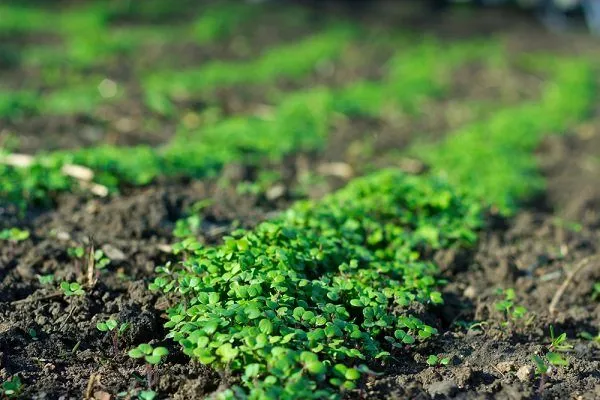
Examples of the most commonly used green manures:
- peas;
- soybeans;
- clover;
- serradella;
- spring oats and barley;
- millet;
- mustard;
- oilseed radish;
- sunflower;
- buckwheat.
The choice depends on factors such as the type of crop being grown, soil parameters on the site, and your aesthetic preferences.
Save on your purchases
There's no need to skimp on seeds and plant medicines at the expense of harvest quality, but you can find a compromise. There are several life hacks that, when combined, can save you significant money.
Saplings
You can prepare seedlings yourself. To do this, take and root cuttings in early summer. This can significantly increase the number of shrubs, flowers, and even trees.
Offspring obtained by cuttings will grow into exact copies of the parent. These cuttings root easily and are particularly hardy.
Seeds
Seeds of your desired variety, collected by hand, have stood the test of time. You can already see whether a good and abundant harvest awaits you, or whether it's really worth buying seeds of other varieties. If the previous harvest was successful, there's no need to spend extra money.
The benefits of collecting your own seeds for planting include not only savings and confidence in the quality of the new harvest, but also:
- By collecting seeds by hand, you inadvertently select the best specimens that will subsequently produce strong, viable seedlings;
- Having once gone through the cycle from seed to fruit, the next plant will have greater immunity than its predecessor;
- The seed material from your own garden is 100% fresh; there is no guarantee that the store-bought seed packets haven't been sitting on the shelf for several years.
There are no disadvantages to collecting seed material yourself.
Potato
There are also some tricks to planting potatoes. Seed potatoes cut in half will yield 15-20% fewer sprouts.
When cutting tubers for planting, pay attention to:
- are the tubers healthy (bad tubers expose the crop to the risk of infection);
- It is advisable to sprinkle cut potatoes with talc to prevent them from drying out;
- When working with tubers, make sure the knife you use is clean so as not to transfer the disease from a sick, unsuitable tuber to a healthy one;
- Do not carry out the procedure in direct sunlight, which destroys suberin, which in turn protects potatoes from rotting in the soil.
Some farmers don't just cut the tubers five days before planting, as is necessary for sprouting. They let the cut pieces sprout in a warm place before planting. This gives the potatoes a chance to gain more strength to germinate in the soil.
Selection of varieties
When choosing what to plant in your garden, consider the quality of the varieties. By choosing special, disease-resistant varieties, you'll get:
- less plant diseases, which means you can expect a bigger harvest;
- reduction or even elimination of the use of chemicals for plant protection (which also represents a significant savings);
- saving time and effort;
- By eliminating the use of chemical fertilizers, the fruits of your labor will be more natural and therefore healthier to consume;
- If the variety is resistant to fungal diseases, the harvest will be stored longer.
Disease resistance is not inherited. Therefore, the decision should be made based on the specific situation. Which is more cost-effective: collecting seed annually from your own plot or purchasing special seeds enhanced with breeders?
Pest control using folk remedies
Folk practice has proven the effectiveness of destroying pests and preventing their occurrence without the use of special chemicals.
Folk remedies are readily available and fairly easy to use. Solutions, infusions, and decoctions of medicinal herbs are prepared a year before the expected time of use. The plants are harvested, washed, and dried. Then, the pest control mixtures are prepared.
Do-it-yourself landscape design
For a true homeowner who pours their heart and soul into their creation, a garden is more than just a source of affordable food and a place to enjoy time. Decorating and beautifying the area to make it a feast for the eyes is also possible without much expense.
Artificial reservoir
Any gardener can create this design element with a little creativity and a little patience. All the necessary tools and materials are readily available.
For example, you can build a pond from an old, discarded bathtub. To create a pond that will delight the eye for a long time, follow these steps:
- Mark the perimeter of the pit using the exact dimensions of the bathtub (for greater accuracy, you can even trace the container and place it in the desired location).
- Add another 20 cm to the resulting oval, intended for a layer of sand, which will prevent the bathtub bowl from deforming in frost.
- Calculate the depth so that the edges of the bath rise 5 cm above the ground, and there is a 30 cm layer of sand under the bottom.
- After digging a hole with a shovel, check the evenness of the bottom using a building level.
- Fill the hole with sand, compact it thoroughly and level it.
- Seal the bathtub drain hole tightly with cement and let it dry before lowering the bathtub into the pit.
- Fill those same 20 cm of space with sand and water.
- Using reinforcing mesh and cement, secure the edges of the bowl and the soil around it.
That's it! You can begin creatively decorating your pond. Design options:
Arrangement of paths
Saving on professional help and materials when laying out garden paths is easy. There are several types of materials suitable for this purpose, which determine the final result and labor intensity of the work. Popular options include:
- Concrete path. Marking and pouring concrete for the desired paths is simple and very cost-effective, both in terms of time and money. The only downside is that it will look rather mundane and boring.
To make a concrete path more eye-catching, use broken ceramic tiles and colored glass, laying it all out in a mosaic. - Path made of planks. The work is a bit more complex. Gardeners recommend larch because it doesn't rot. This type of path is usually raised above the ground using beams placed on a layer of gravel. The gravel is first leveled along the entire length of the future path.
- Paths made of wooden blocks. This is a rather labor-intensive job, and much more time-consuming. The logs are treated with potassium permanganate to prevent future rot. A trench is dug and the logs are laid tightly along the entire length of the path.
To ensure the logs are installed more tightly, the gaps between them are generously watered and sprinkled with sand. Each element of the path is carefully compacted.
Site planning
Before creating your own garden plot, and before starting any construction work, and especially excavation work, it is necessary to draw up a site plan so that later nothing needs to be redone, dug up, or rearranged in vain.
Typically, such work is handled by specialists, whose services are expensive. However, the results often don't meet the client's expectations, and if desired, you can do it yourself.
First, learn everything about your property: its topography, soil, wind and sunlight exposure, and groundwater levels. Based on this information, as well as your budget, think about what you want to see on the property, what to grow, and how you can use it.
A couple more tips:
- During construction work on the site, immediately separate fertile and infertile soil;
- Infertile soil can be used to create paths, rock gardens and other decorative elements.
This video presents layout options and landscaping elements:
Drainage
To avoid excessive soil moisture, which can lead to damp basements, cracks in buildings, root rot, slush, and puddles, it's important to prepare drainage immediately after completing your site planning.
The following video will show you how to make a simple, budget-friendly drainage system yourself:
You can always find ways to save money without sacrificing quality. Natural fertilizers are even healthier, stronger plants grow from your own seeds, and the most beautiful garden is one whose landscape and design are created not by a stranger, but by the owner of the property.