
Proper selection of cherry plum fruit trees is essential when developing garden spaces. There are cultivar groups specifically for the Moscow region that ensure a stable harvest and exhibit good resistance to diseases and pests. These factors not only facilitate successful fruit harvesting but also simplify tree maintenance.
Characteristics of early cherry plum varieties for the Moscow region
Early cherry plum varieties easily adapt to the Moscow region's seasonal climates. The series includes a variety of types that are considered undemanding.
| Name | Ripening period | Tree height | Productivity |
|---|---|---|---|
| Traveler | early | 3 m | 40-50 kg |
| Found | early | 3-5 m | 35-40 kg |
| A gift to St. Petersburg | early | short or medium height | up to 60 kg |
| Scythian gold | mid-early | 3-4 m | 20-25 kg |
| Nesmeyana | early | average | not specified |
| Vetraz | mid-early | 3-5 m | 25-40 kg |
| Tent | early | 2-3 m | 25-40 kg |
| Flint | average | up to 4.5 m | not specified |
- ✓ Consider the variety’s resistance to spring frosts, especially during the flowering period.
- ✓ Pay attention to the variety's soil requirements, especially if your site has specific characteristics.
- ✓ Consider the need for pollinators for self-sterile varieties.
Traveler
The tree grows rapidly, reaching a medium height of up to 3 m, with a moderately dense crown and a wide oval shape. The bark on the trunk is smooth and grayish. The fruits are average in size (26-29 g) and oval-round in shape with a noticeable ventral suture. The skin is purple (towards dark), firm, and difficult to separate from the cherry plum flesh.
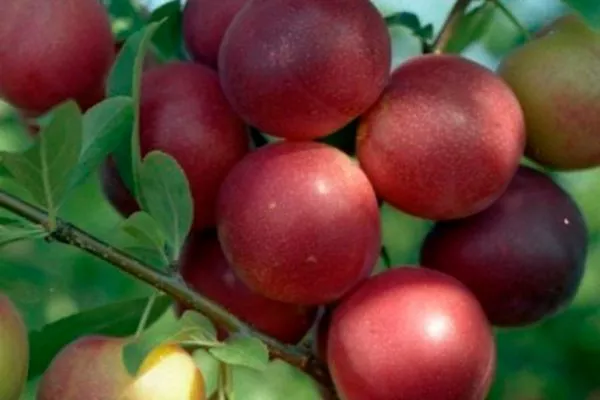
The fruits are yellowish in color with a purple tint and a reddish sheen, and feature numerous yellow spots and a light waxy coating. The orange-colored cherry plum flesh has a soft, fine-grained texture, is highly juicy, and has a complex aroma.
This early-ripening variety begins to ripen in July, but the harvest takes a long time (about 20-30 days). Fruiting begins in the third or fourth year after planting. The yields are annual and very high. A single tree yields 40 to 50 kg of fruit.
Found
Naidyona is a high-yielding, early-ripening cherry plum variety, yielding 35 to 40 kg per mature tree. The plums, weighing approximately 20 g, have a sweet flavor and juicy flesh, ripening in July. Trees of this variety have an average height of 3 to 5 m.
- ✓ It is characterized by high early fruiting; the first fruits can be obtained already in the 2-3 year after planting.
- ✓ Possesses unique resistance to major diseases and pests, which reduces the need for chemical treatments.
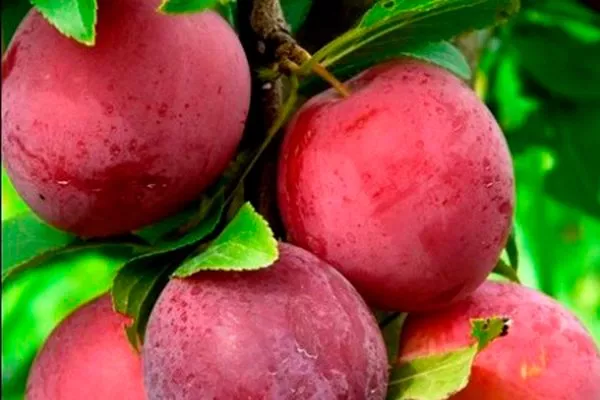
Seedlings begin to bear fruit 2-3 years after planting. Naidyona has good winter hardiness and can be successfully cultivated in the central part of the country and the Moscow region. It exhibits high resistance to pests and diseases.
The variety's advantages include tasty and juicy fruits that retain their shape well and do not fall off during ripening. Naidyona boasts consistently high yields, frost resistance, and early maturity. However, for complete pollination, it is recommended to plant several different cherry plum varieties.
A gift to St. Petersburg
This hybrid cherry plum variety grows as a low to medium-sized tree with a dense, wide-spreading crown and a short trunk. The plant has a weeping habit. It is characterized by high frost resistance and recovers well from mechanical damage.
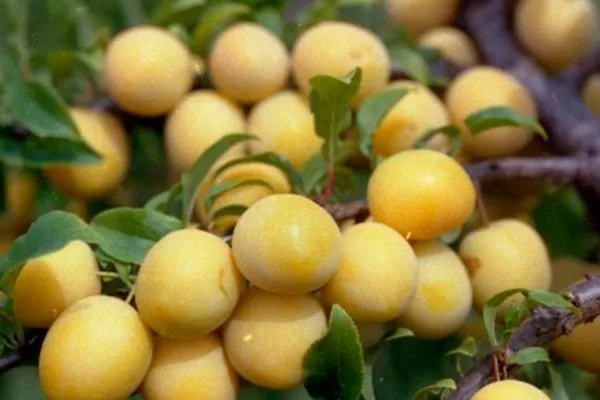
The fruits of this variety are small, weighing approximately 10-12 g, yellow-orange in color, with juicy, finely fibrous flesh and a sweet-and-sour flavor. The pit is difficult to remove. Regular fruiting results in high yields, reaching up to 60 kg per tree.
Fruit ripens early, in early to mid-August. The plant begins bearing fruit in the third year after grafting. Disadvantages include self-sterility and a tendency for fruit to fall off when fully ripe.
Scythian gold
Zlato Skifov is a mid-early, self-sterile yellow cherry plum variety. Trees reach a height of 3 to 4 meters, with a spreading, sparse crown. The first harvest can be expected 4 to 5 years after planting. This variety is highly winter-hardy and can be successfully grown in the central part of the country and in the Moscow region.
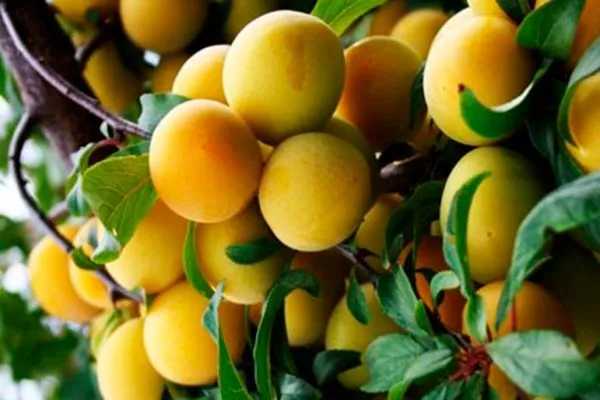
The yield is average, ranging from 20 to 25 kg of fruit per mature tree. The plant doesn't produce fruit every season; in some years, it may go dormant periodically. The fruits are large, averaging 20 to 25 g each. Ripening begins in late July. The fruit has a sweet and sour flavor.
The advantages of this variety include high winter hardiness and excellent fruit flavor. Among the disadvantages, the plant is often susceptible to diseases and pests, and it is recommended to plant several trees of this variety to ensure pollination.
Nesmeyana
Cherry plum 'Nesmeyana' is distinguished by its vigorous growth and a medium-density, spreading crown. The geniculate shoots are medium-thick and brownish-green in color. The elliptical leaves are quite large, glossy on the upper surface and matte on the underside. The leaf blade margins are decorated with fine teeth.
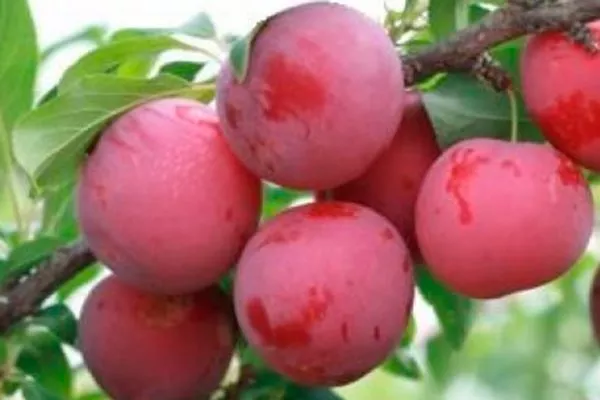
The Nesmeyana variety produces fruit early and is distinguished by excellent winter hardiness. It is self-sterile, requiring cross-pollination. Various plum varieties can be used for pollination.
Ripe fruits of this cherry plum variety are large, weighing approximately 30 g. Their shape is symmetrical, round, and even, and their color is light red. The skin is medium thick but fairly firm, with a small seam on the surface. The flesh is light red.
Vetraz
This is a mid-early, high-yielding cherry plum variety. A mature tree yields 25 to 40 kg of delicious and juicy berries. The fruits are medium-sized, weighing approximately 20-25 g, with flesh possessing a pleasant sweet and sour flavor. Ripening occurs in late July to early August.
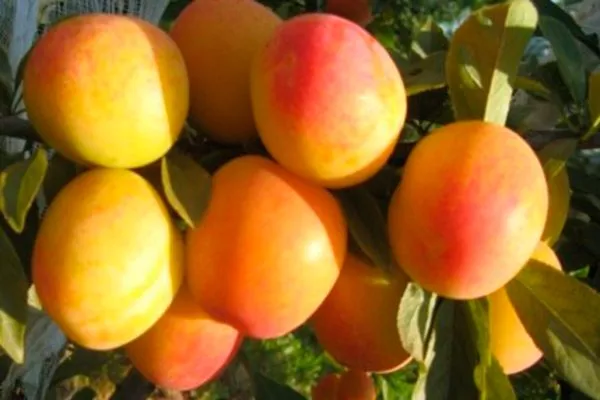
Betraz trees reach a height of 3 to 5 meters and have a rather sparse crown. The first harvest can be expected 2 to 3 years after planting. This variety has good winter hardiness and resistance to major diseases and pests.
Tent
The trees are small, reaching a height of 2 to 3 meters. Fruiting begins relatively late, approximately 3 to 5 years after planting. Shatyor is a highly resistant variety that can be successfully grown in the central part of the country and the Moscow region. It is resistant to major diseases and pests.
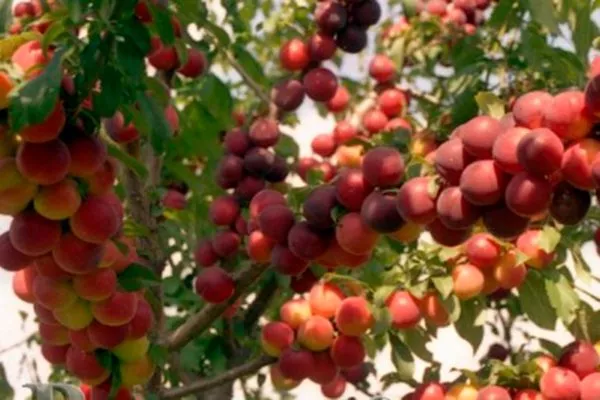
This highly winter-hardy, early-ripening cherry plum variety boasts impressive yields: a single mature tree can yield 25 to 40 kg of plums weighing approximately 25 g. The plums are characterized by juicy flesh and a sweet flavor, with a rating of 4.5 points. Ripening occurs in mid-July.
Advantages of the variety:
- high winter hardiness;
- immunity to diseases;
- convenient tree height for easy maintenance;
- large and tasty fruits;
- long maturation period.
Flint
This medium-sized tree reaches a height of up to 4.5 m, forming a dense, rounded-oval crown. The fruits of this variety are medium-sized (20-25 g) and oval in shape. The skin is dark purple and densely covered with a medium-thick waxy coating.
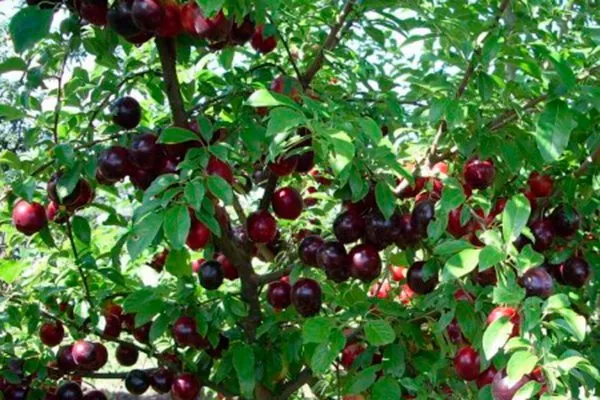
The orange flesh, with a red skin, is dense, uniform in texture, contains minimal seeds, and has a sweet and sour flavor rated at 4.5 points. The pit is partially detachable.
This variety ripens mid-season, and the fruits remain on the tree for a long time without falling. The variety itself is self-sterile, and the best pollinators are Neberdzhaevskaya Rannyaya, Purpurovaya, and Tsiteli Drosha.
Description of the best mid-season cherry plum varieties for the Moscow region
Varieties that ripen in August are considered mid-season. This category includes the five best varieties.
| Name | Ripening period | Tree height | Productivity |
|---|---|---|---|
| Chuk | average | 3-4 m | 20 kg |
| Lama | mid-late | 2 m | 40-50 kg |
| General | average | 4-5 m | not specified |
| Columnar | average | 3 m | not specified |
| Tsar's | average | 2.5-3 m | 20-25 kg |
Chuk
Chuk is a self-fertile cherry plum variety with a mid-season ripening period. The yield is average, with approximately 20 kg of fruit per tree. Chuk fruits have a sweet and sour taste, weigh about 20 g, and ripen in August. Trees reach 3 to 4 m in height.
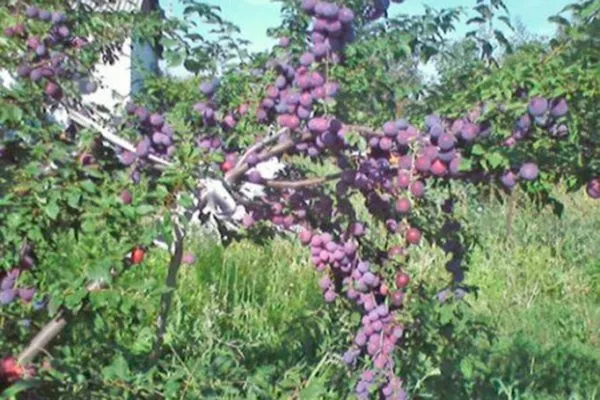
The first harvest can be collected 3-4 years after planting. Chuka is characterized by average winter hardiness, but it has good disease resistance. Its advantages include tasty, large fruits and a regular harvest.
Lama
This is a mid-season, frost-resistant cherry plum variety with a high yield. Each mature tree can yield 40 to 50 kg. The Lama plums are large, averaging 30-40 g, have a sweet and sour taste, and ripen in mid-August.
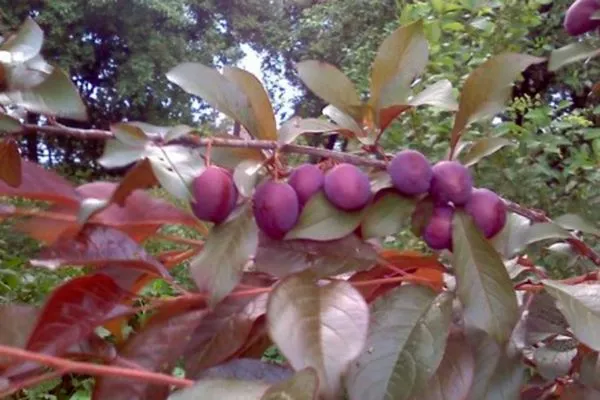
The trees are small, reaching a height of about 2 meters. They bear fruit quickly, with the first fruits appearing 2-3 years after planting. This variety is recommended for cultivation in the central, western, and Siberian regions due to its high winter hardiness. Lama has good resistance to major diseases and pests.
The following characteristics stand out among the advantages:
- excellent winter hardiness;
- early fruit bearing;
- drought resistance;
- large and tasty fruits;
- high yield;
- ease of separating the seeds from the pulp;
- decorative with reddish leaves.
General
This variety is a vigorous fruit tree, reaching a height of approximately 4-5 meters. The crown has a broad pyramidal shape, which gradually becomes rounded over time. The trunk is characterized by medium thickness and smooth, durable gray-brown bark.
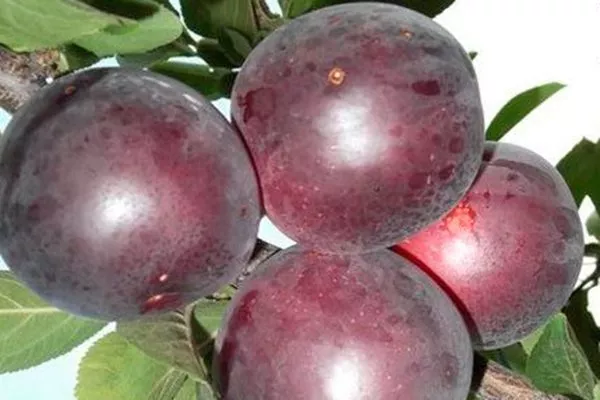
The leaves are green, oblong, and lanceolate. The fruits are large, weighing 45 to 50 grams. They are round-oval in shape and dark red in color, turning an attractive burgundy when fully ripe. The flesh has a dense, meaty texture and a sweet and sour flavor.
The fruits are rich in vitamins and minerals and are recommended for baby and dietary nutrition. They are eaten fresh and used to make preserves, juices, compotes, and marmalades.
Columnar
This mid-season, columnar cherry plum is popular among gardeners. This variety produces consistently high yields. The plums are large, weighing 40 g or more, and ripen in August. The trees are columnar, approximately 3 m tall, with a crown diameter of no more than 1.5 m.
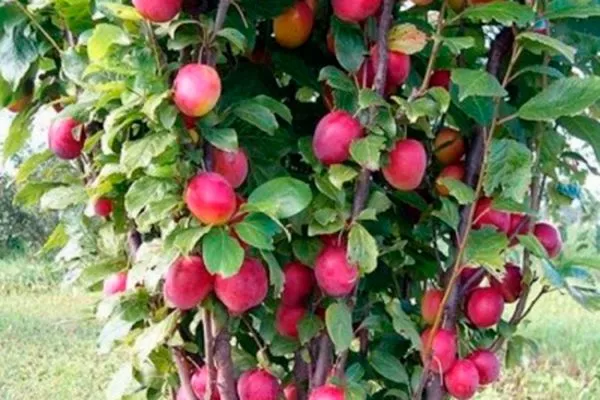
Seedlings begin to bear fruit 3-4 years after planting. This variety is frost-hardy and can be grown in temperate climates and the Moscow region. It is highly resistant to pests and diseases.
Advantages include compact trees that take up little space, regular and abundant fruiting, large plums, and high winter hardiness. A disadvantage is that the variety is self-fertile, so pollinators must be planted.
Tsar's
Tsarskaya is a yellow cherry plum variety with a mid-season ripening period. Each tree yields approximately 20-25 kg. The plums are medium-sized, weighing 20-25 g, and ripen in early August. The trees are not very tall, about 2.5-3 m.
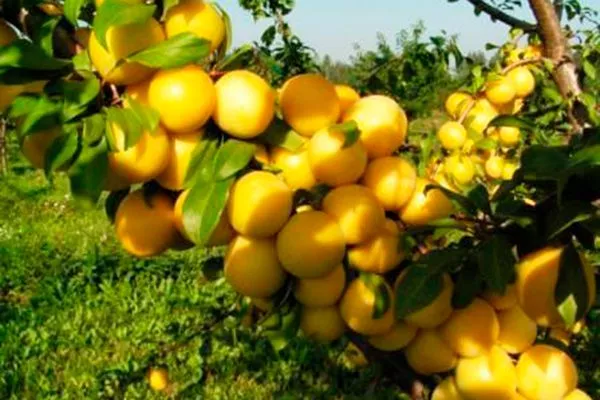
Seedlings begin bearing fruit in the second year after planting. Winter hardiness is average. Resistance to common diseases is good.
Advantages of Tsar's cherry plum:
- early fruit bearing;
- transportability;
- ease of storing fruits;
- ease of cultivation.
A review of late-ripening cherry plum varieties for the Moscow region
Late cherry plum is a variety that ripens in September. This ranking presents the most popular varieties in this category.
| Name | Ripening period | Tree height | Productivity |
|---|---|---|---|
| Mara | late | 5-6 m | up to 50 kg |
| A gift to Primorye | late | 3-4 m | 20 kg |
| Sonya | average | 3 m | 20-40 kg |
Mara
Mara is a late-ripening yellow cherry plum. This variety produces a high yield, with up to 50 kg of fruit per mature tree. The medium-sized berries, weighing approximately 25 g, have a sweet and sour taste and ripen in September. The trees reach a height of 5-6 m and grow rapidly.
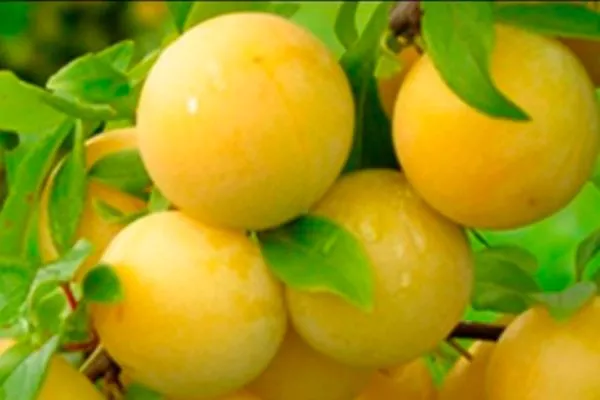
Fruiting begins relatively early; the first fruits can be tasted as early as 2-3 years after planting. This variety has excellent frost resistance and is suitable for growing in virtually any region. It is resistant to diseases and pests.
Advantages:
- high and stable yield;
- excellent winter hardiness;
- unpretentiousness;
- pest resistance.
The harvested fruits can be stored for a long time without losing their marketable quality. Disadvantages: the pulp is difficult to separate from the seeds, and cross-pollination is required. The best pollinator is the cherry plum 'Vitba'.
A gift to Primorye
Podarok Primorye is a late-ripening, self-sterile cherry plum variety. The yield is 20 kg per tree. The fruits are large, averaging 20-25 g in weight, with a sweet and sour flavor. They ripen in late August or early September. The trees reach 3-4 m in height, with a medium-density crown.
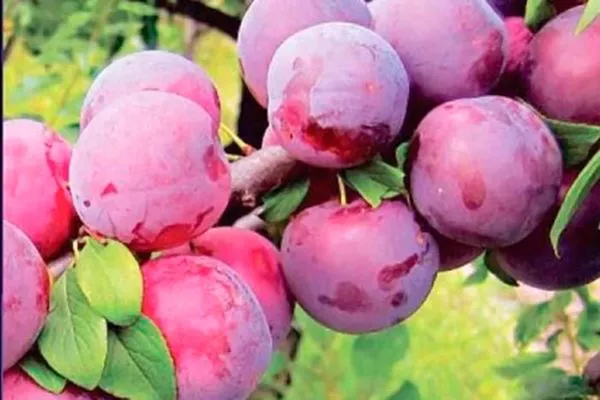
Seedlings begin to bear fruit in 3-4 years. The tree's lifespan is at least 25 years. It is highly winter-hardy and recommended for cultivation in the Far East and Siberia. It has good resistance to major diseases.
Advantages:
- large, tasty cream that is easy to transport;
- good and regular yield;
- ability to easily endure harsh winters;
- drought resistance.
Sonya
Soneyka is a yellow cherry plum with a mid-season ripening period. Each tree produces 20-40 kg of plums. The fruits are very large, weighing 40 to 50 g, with a sweet and sour taste, and ripen in early September.
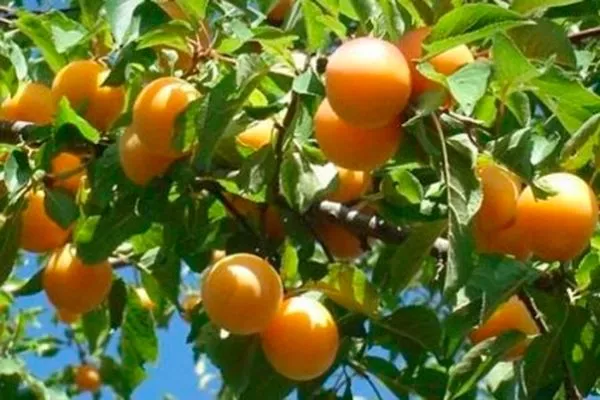
The trees are small, reaching about 3 meters in height. This variety is early-bearing, with the first harvest occurring within 2-3 years after planting. It is winter-hardy enough for cultivation in temperate climates. It also has good disease and pest resistance.
Self-fertile cherry plum varieties for the Moscow region
This category features popular cherry plum varieties that don't require pollinators. Many prefer to plant other varieties nearby to increase yields.
| Name | Ripening period | Tree height | Productivity |
|---|---|---|---|
| Kuban Comet | not specified | 3 m | not specified |
| Cleopatra | not specified | 2.5-3 m | not specified |
Kuban Comet
Gardeners note the rapid growth of this variety. It grows up to 3 meters tall and takes the form of a shrub. It has short branches covered in gray bark. This variety is characterized by high frost resistance and abundant harvests.
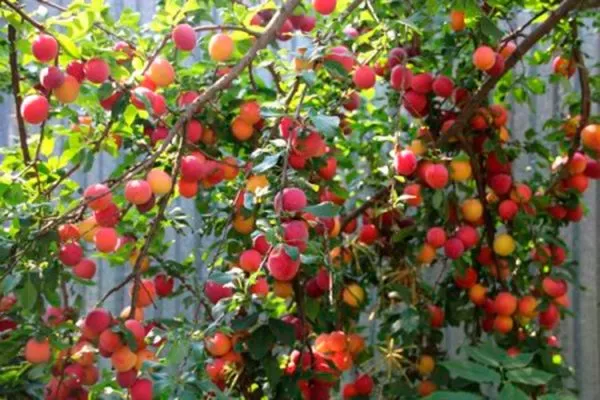
The fruits ripen large and oblong. Cherry plums are covered with a dense, burgundy skin with a slight waxy coating. The fruits weigh an average of 25-30 g. Cherry plums have juicy, fibrous flesh with a pleasant flavor and rich aroma.
Cleopatra
The Cleopatra variety is characterized by a medium height, reaching 2.5-3 m, and in some cases, without pruning, can reach a height of up to 4 m. Its shape resembles a wide, low-density cone, and the shoots grow straight, possessing a fine structure and a brown tint.
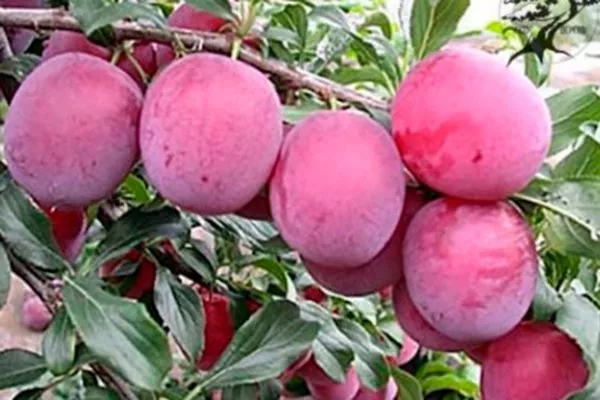
The large, round fruits are dark red with a purple tint. Their dense, medium-thick skin is covered with a layer of bluish-gray wax. The average fruit weight is about 40 g. The dense, red flesh has a slightly cartilaginous character. The flavor is sweet and sour.
The world of cherry plums offers a stunning variety of cultivars, each like a unique pearl sparkling on a garden throne. Among the incredible diversity of this fruit kingdom, those that truly stand out become the stars of Moscow region gardens.