
The Giant currant is an ideal choice for those who appreciate fresh berries, sweets, and preserves. This variety boasts not only a good yield but also excellent flavor and disease resistance, making it a favorite among gardeners.
General description of the variety
This red currant variety was developed in France. It is characterized by its versatility, high productivity, and is classified as a mid-season variety.
Appearance of the bush
The growth type of the bush is considered tall, but the honeycomb also has other varietal characteristics:
- steadily growing, with considerable density;
- bush height – 150-260 cm;
- shoots are strengthened, with widely spreading branches;
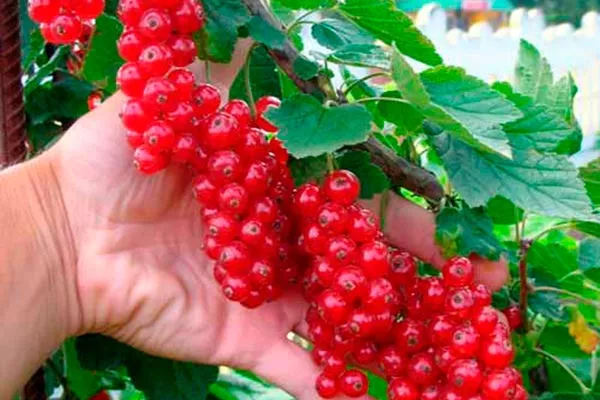
- the fruit bundle is elongated, with a compact structure (its length is 8-11 cm);
- the number of berries in a fruit bunch varies from 12 to 18 pieces.
Berries and their taste qualities
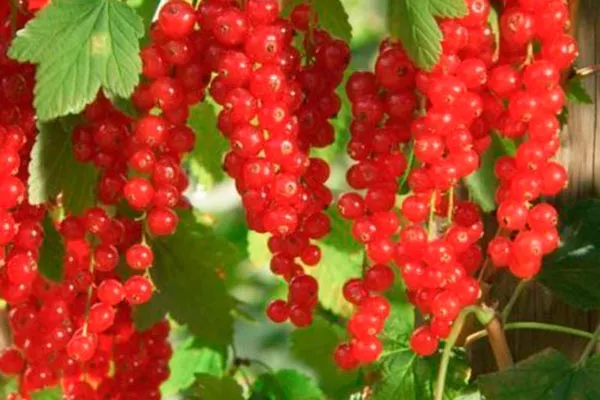
The Giant currant berries have a pinkish-red hue and a perfectly round shape. Other characteristics:
- The weight of one berry varies from 2 to 6 g;
- The size of the fruits of this variety amazes many, reaching an average of 2.5 cm in diameter, which exceeds the values for standard currants;
- the skin is characterized by durability, which provides them with increased resistance to mechanical damage and allows them to be stored for a long time without loss of quality;
- rich and balanced taste, the berries have a delicate aroma, which gives them a special uniqueness;
- The pulp is characterized by increased juiciness and sweetness, which makes this currant an ideal ingredient for fresh consumption or for creating a variety of desserts and preserves.
Characteristics
Growing the Giant currant requires little effort – it boasts impeccable resistance to diseases and extreme climates. This variety is also beneficial for human health:
- Gigantea is a rich source of elements that help strengthen the immune system and protect against many diseases.
- It is widely used in folk medicine to combat various ailments. It contains vitamins (including C, PP, B2, B1, etc.), minerals (calcium, potassium, iron, etc.), organic acids, and flavonoids, which have a beneficial effect on the body's functioning.
- Juice and infusion from these berries are used to treat colds, flu, sore throats, bronchitis and other respiratory diseases.
- Thanks to its rich content of ascorbic acid and other antioxidants, currants strengthen the immune system and prevent many disorders.
- Its regular consumption helps strengthen blood vessels, improve blood circulation, and stimulate the production of white blood cells, which are the body's first line of defense against bacteria and inflammation.
Specifications:
- productivity – increased;
- transportability – good;
- self-pollination – excellent;
- winter hardiness – high;
- suitability for cultivation – in risky farming zones;
- ripening time – average.
Landing
To ensure Giant currants bloom and produce a bountiful harvest, choose a location with adequate sunlight and protection from strong winds. Suitable soil should be fertile and well-drained. Plants should be spaced 100-150 cm apart.
- ✓ The soil pH level should be between 6.0-6.5 for optimal growth of Giant currant.
- ✓ The depth of groundwater should not exceed 1.5 meters to avoid root rot.
Basic principles of growing Giant Currant:
- Avoid shade and wind. Giant currant prefers areas with good airflow but requires protection from strong winds. Without full sun, the berries will be slightly sour. Choose sites with fertile, well-drained soil.
- Soil preparation is crucial. It's essential to thoroughly dig the soil, removing weeds and rocks. Compost or humus can be added to improve soil fertility.
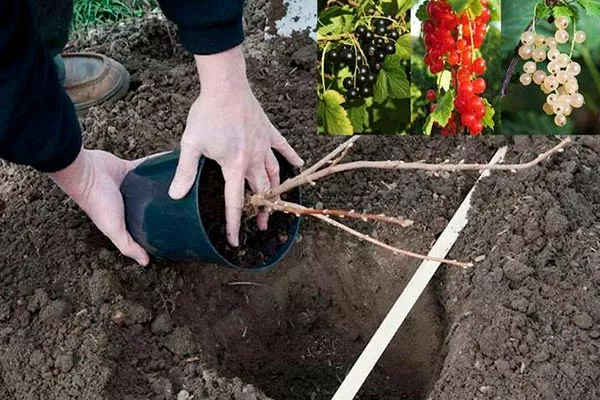
- The main rule for planting is that when you place the seedlings, lay their roots horizontally in the hole, having previously washed them with water.
- After planting, be sure to water the plant.
Care and cultivation
Currants require regular watering, especially during the period of intensive berry development and formation. The optimal approach is to apply mulch after watering or rain to retain soil moisture and prevent rapid evaporation.
How to care for the crop:
- The need for regular watering. Giant currants require a constant supply of moisture, especially when flowering and ripening. Watering should be regular, but not overdone, to prevent root rot.
- Application of fertilizers. During periods of intensive plant growth, they require additional nutrition. Organic fertilizers or specialized complex mixtures are recommended.
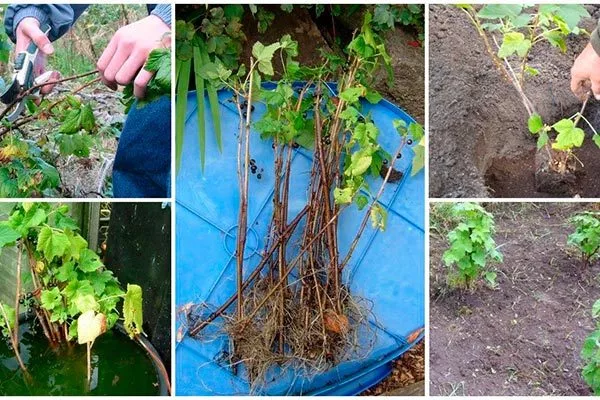
- Trimming bushes. To achieve high yields and maintain the attractive appearance of the giant currant bush, it is necessary to prune it annually. This involves removing weaker and damaged branches, leaving the healthiest ones. Dry, damaged, or thickened foliage should be removed in the spring, after flowering has finished.
- Soil protection. Applying a layer of mulch helps maintain soil moisture and reduces weed competition. Straw, manure, or wood chips can be used as mulch. Mulching is recommended in spring and fall.
- Fruit picking. The Giant currant reaches maturity in mid-July. The berries should be picked during dry periods, leaving only the unripe fruits on the bushes.
Treatment and prevention of diseases
Plants of this currant variety are resistant to certain pests and diseases. They are not susceptible to bud mites, spider mites, or red gall aphids.
- ✓ Resistant to bud and spider mites, as well as red gall aphids.
- ✓ High winter hardiness, allowing cultivation in risky farming zones.
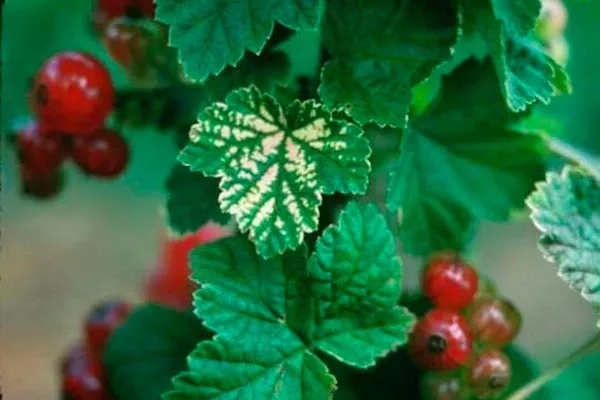
However, it is important to remain vigilant and inspect regularly to promptly respond to potential signs of harmful phenomena and take appropriate action.
Vibration techniques for the variety
Vibration technology involves the use of specialized devices capable of generating vibrations of a specific frequency and strength. These devices are placed near currant bushes and can operate either continuously or on a set schedule.
Vibration technology offers a number of advantages that positively impact the productivity of the Giant currant:
- Stimulating development. Vibrational effects promote increased nutrient delivery to plants, which promotes more vigorous growth of shoots, leaves, and fruits.
- Improving the pollination process. Vibrations optimize pollen distribution, which in turn increases pollination efficiency and, consequently, the number of fruiting bushes.
- Improving the efficiency of nutrient absorption. Vibration enhances plant metabolism, improving their ability to absorb nutrients from the soil.
- Improving the quality of the Giant currant harvest. The use of vibration technology increases the size, juiciness, and sweetness of the fruit.
Vibration technologies aimed at increasing the yield of Giant currants can be used either alone or in combination with other agricultural practices. They enhance the effectiveness of other approaches, including fertilization, bush training, and pest control.
The use of VT can be rational both for individual garden plots and for large agricultural enterprises.
Pros and cons
The berry bush has a number of advantages:
Gardeners do not note any critical shortcomings.
Reviews
Once you understand all the nuances of cultivation, you'll be able to enjoy the exquisite and abundant fruiting of the Giant currant. Don't neglect to monitor the plants, create favorable conditions for them, and don't miss the opportunity to harvest large berries properly.