
When planting various crops, it's important to consider their predecessors on the same soil. Some planting sequences are effective, while others are undesirable. Proper crop rotation greatly influences crop yield.
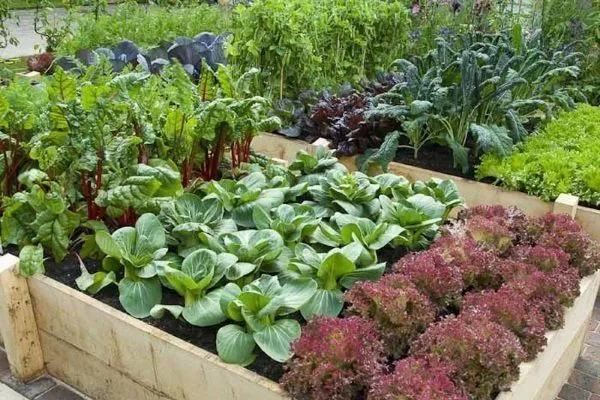
Why is crop rotation necessary?
Crop rotation refers to the alternation of crops planted in the same area. This approach is essential, as growing a single crop in a single plot (bed) results in decreased germination and yield.
Crop rotation is important for the following reasons:
- Different crops require different nutrients from the soil. If crop rotation is properly managed, the new crop will have different needs than its predecessor.
- The crops planted affect the topsoil, affecting its structure, composition, and density. Proper crop rotation helps maintain the soil in good condition.
- When growing a permanent crop, the soil microflora changes, its biological activity is lost, and plants are more susceptible to pests and diseases. Proper crop rotation prevents this.
What crops and after what should be planted in the garden?
You don't need to study all the crop characteristics to independently determine a possible planting sequence. The following recommendations can be used:
- For nightshades, it is better to choose a place where pumpkin crops, early-ripening or cauliflower, carrots, turnips, greens or grass for fertilizer were previously grown;
- It is better to allocate space for early potatoes that was previously given to cauliflower or regular early cabbage, onions, garlic, pumpkin, legumes and green manure;
- It is effective to plant mid-season or late-ripening cabbage after pumpkins, carrots, legumes, early potatoes, and turnips;
- for early cabbage or cauliflower, soil where pumpkins, beans, onions, garlic or green manure were grown is suitable;
- It is better to grow beets after pumpkins, early potatoes, greens, herbs and green manures;
- for pumpkin crops, choose areas previously occupied by common (early ripening) or cauliflower, onions, garlic, corn or legumes;
- carrots or turnips should be planted in beds where cauliflower or cabbage (the variety does not matter), early-planted potatoes, pumpkins, greens, herbs or green manure grew;
- for onions and garlic it is better when early or cauliflower, pumpkin, green manure, legumes, and early potatoes are planted before them;
- areas where pumpkins, onions, cauliflower, early potatoes, and garlic were planted are good for planting legumes;
- greens are productive after early and cauliflower, pumpkin crops, garlic, onions, green manure and legumes;
- Spices take root better after cauliflower and early cabbage, pumpkin crops, garlic, onions, green manure and legumes.
| Culture | Recommended Predecessors | Not recommended predecessors |
|---|---|---|
| Nightshades | Pumpkins, early cabbage, carrots, turnips, greens | Nightshades, early potatoes |
| Early potatoes | Cauliflower, onions, garlic, pumpkin, legumes | Nightshade, early potatoes |
| Mid/late variety cabbage | Pumpkins, carrots, legumes, early potatoes, turnips | Cauliflower or white cabbage, beets |
| Beet | Pumpkins, early potatoes, greens, herbs | Mid/late ripening cabbage |
| Pumpkin crops | Early cabbage, onions, garlic, corn, beans | Mid/late cabbage, nightshades, turnips, carrots |
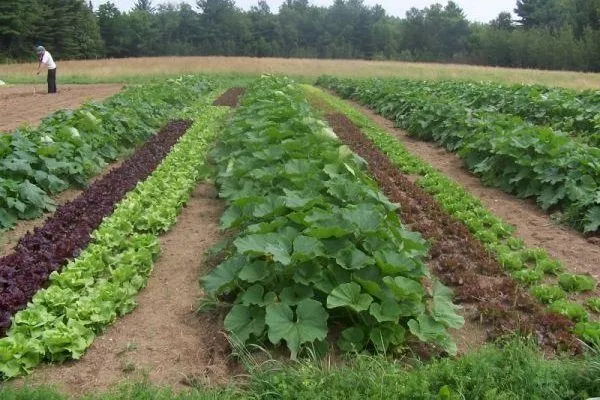
These combinations are the most favorable. Other crop rotations are possible, but they will be less effective.
There are also several neutral combinations, where crop rotation doesn't affect yield, but doesn't improve it either. This applies to the following:
- After corn, it is better to plant the area with cabbage, beets, nightshades, greens, turnips, carrots or herbs;
- cabbage, if it is not early, and pumpkin crops can be planted after green manure;
- onions, garlic, greens, and herbs are allowed before middle and late cabbage;
- Tomatoes are suitable for soil that was previously planted with early potatoes;
- Early cabbage and cauliflower will thrive in soil after greens and herbs.
What is not recommended to be planted in the garden after what?
When organizing crop rotation, it should be taken into account that certain planting sequences should be avoided:
- Nightshades do not do well after crops of the same kind and early potatoes;
- Early potatoes are not planted again in the same place, nor after nightshades;
- mid-season or late-season cabbage is not grown if it was preceded by cauliflower or white cabbage (any variety) and beets;
- Similarly, early cabbage and cauliflower are limited and should not be planted after early potatoes;
- beets are not sown again in the same place, nor after cabbage of medium or late ripening;
- cucumbers, zucchini, and pumpkin do not do well after mid-season and late varieties of cabbage, nightshades, turnips, and carrots;
- Legumes grow poorly in the same place for the second year, and also after corn;
- greens should not be planted after mid-season and late cabbage, turnips or carrots;
- carrots and turnips grow poorly after beets;
- It is better not to grow onions and garlic after greens, herbs, turnips or carrots;
- Spices do not tolerate predecessors such as mid- and late-season cabbage, turnips, and carrots.
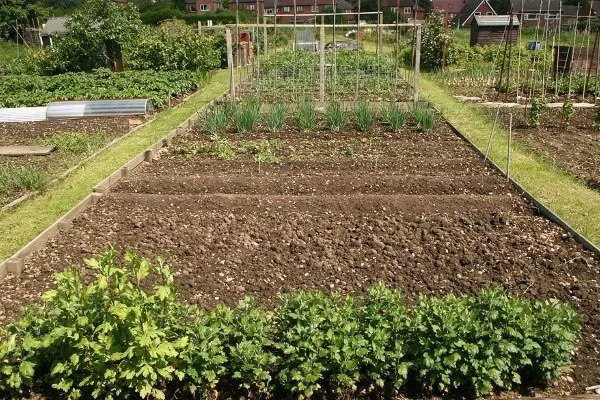
Basic rules of crop rotation
To carry out proper crop rotation, it is necessary to follow the rules:
- Do not plant successively crops susceptible to the same pests and diseases.
- Avoid rotating vegetables from the same family in the same bed. This applies to both long-term and short-term (seasonal) crop rotations.
- When rotating crops, consider their impact on the soil. If a crop depletes the soil and compacts it, then a successor crop is needed that will loosen the soil and provide organic matter.
- Alternate crops that require different amounts of nutrients.
- Plant legumes to enrich the soil with nitrogen.
- If a crop has a long ripening period, do not replant it in the same location for at least three years. There are exceptions to this rule: potatoes, strawberries, beans, and tomatoes can be replanted.
- Plant the plant back in its original location only after growing green manure on it.
- Determine crops to plant.
- Explore recommended and non-recommended predecessors.
- Make a crop rotation plan for 3-4 years.
- Include legumes in crop rotation to enrich the soil with nitrogen.
- Use green manure to restore the soil.
Increasing yields through crop rotation
A good harvest can be achieved through proper crop rotation not only across years but also within a single year. This ensures a diverse harvest from a single plot.
Obtaining multiple harvests from a single plot depends on the growing season. The first planting is dedicated to early-ripening varieties:
- onions;
- radish;
- salad;
- spinach;
- early cabbage;
- early potatoes;
- bunch of carrots or beets.
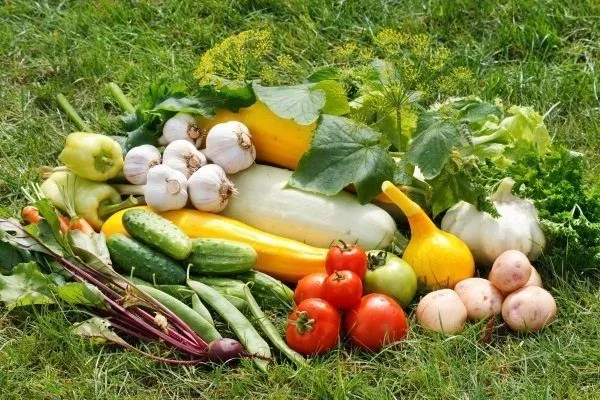
After harvesting early crops, mid- or late-season crops can be planted. With proper crop rotation, a single bed can yield three to four crops.
To get an earlier harvest, you can resort to winter sowing and create temporary shelters from film or insulation.
To achieve high yields, it's important not only to properly organize crop rotation, but also to apply fertilizers timely and efficiently, eliminate weeds, and remember to prevent diseases and pests. Only a comprehensive approach will ensure good results.
Proper crop rotation is essential for plots of any size. It's important to consider the sequence in which different crops should be planted. Proper crop rotation affects not only yield but also the quality of the produce.