
Revolution salad is a culinary masterpiece that combines excellent flavor, high yield, and strong immunity. This lettuce variety has gained popularity due to its unique properties and applications. With proper care, you can increase productivity and enjoy fresh, crisp greens throughout the season.
Introduction to the variety
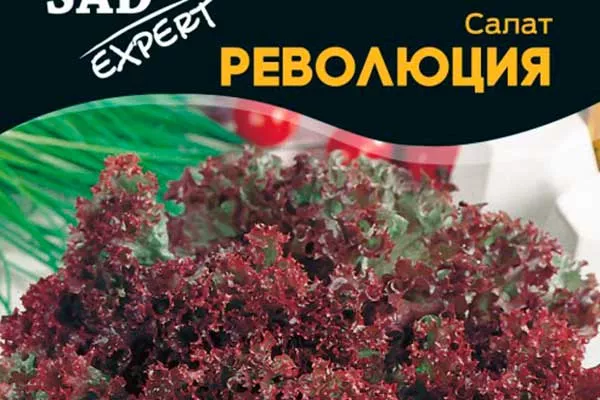
Developed by Nunhems Zaden in the Netherlands in 2006, this semi-headed version of the Lollo variety is excellent for both cooking and garnishing. It is often grown for fresh market sales. The average yield of this variety is 3-3.5 kg per square meter.
The Revolution salad is distinguished by its rich composition, which brings significant benefits to the body:
- Contains a large number of vitamins, microelements, and antioxidants. It is rich in vitamins A, C, and K, which help strengthen the immune system, maintain healthy skin, and improve blood clotting.
- B vitamins participate in metabolic processes and support the functioning of the nervous system.
- The mineral composition includes potassium, calcium, magnesium, and iron. Potassium is essential for maintaining the cardiovascular system and regulating fluid balance, calcium helps strengthen bones and teeth, magnesium maintains muscle health, and iron prevents anemia by promoting hemoglobin formation.
Due to its low calorie content and high fiber content, it is considered the best product for maintaining a healthy weight and improving digestion. Regular consumption helps improve gastrointestinal function, normalize blood sugar levels, and lower cholesterol.
Description of appearance and taste
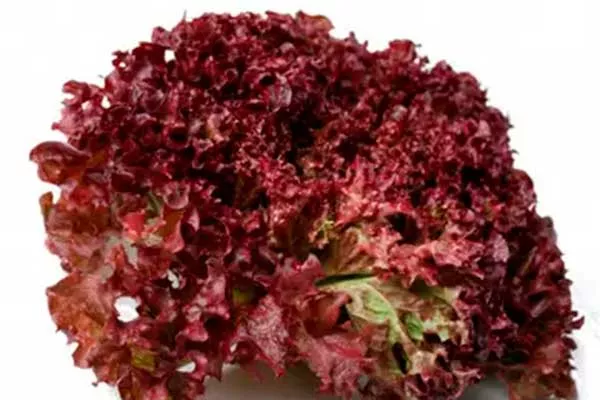
Plants form erect or semi-erect rosettes that rise above the ground. Distinguishing leaf features:
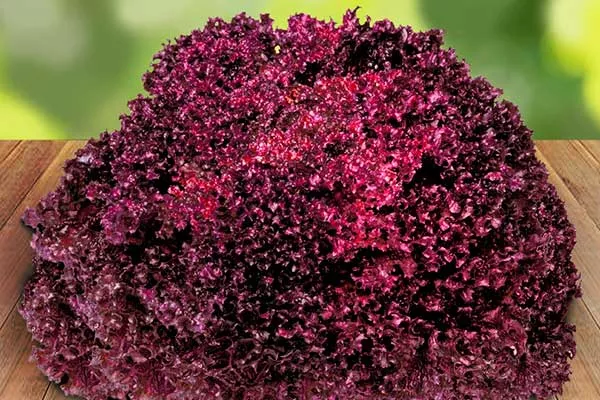
- Form - inversely triangular, with a distinct wavy border and a strongly bubbly surface.
- Color - varies from dark red to dark burgundy.
- Texture – crispy and delicious.
The taste of these varieties is excellent: they have a soft and pleasant taste without bitterness.
How to properly plant lettuce in open ground using seeds?
Plant the crop every two weeks throughout the warm season. Follow these recommendations:
- Planting should be carried out in the spring, after the last frost has passed. In central Russia, planting should take place in April or early May.
- Grow the crop using seedlings or transplants. Planting in open ground, a greenhouse, or pots is acceptable. The first method is particularly suitable for regions with harsh climates and for obtaining an early harvest.
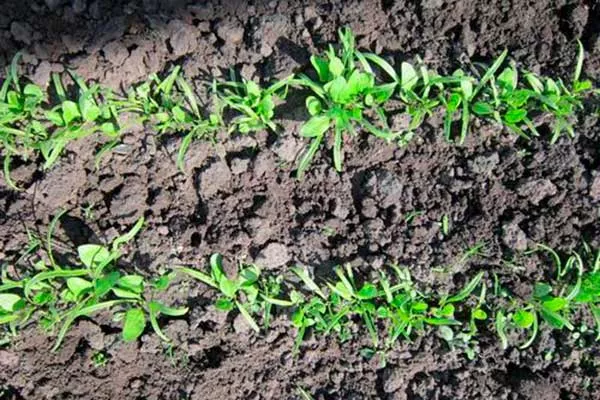
Spring brings sudden temperature fluctuations, and nighttime frosts are possible. Transplant seedlings into the garden only when the risk of frost damage to the first shoots is minimal.
What kind of soil does the plant like?
To ensure successful growth, provide the right conditions. The plant thrives in fertile, well-drained soil enriched with nutrients. To neutralize excess acidity, add dolomite flour or lime.
- ✓ The pH level should be between 6.0-7.0 for optimal absorption of nutrients.
- ✓ The soil must contain at least 3% organic matter to maintain structure and water holding capacity.
Choose a well-lit and ventilated location, but avoid drafts. To prevent root rot, grow lettuce in elevated areas.
How to prepare a bed for sowing?
In the fall, add humus to the soil, and in the spring, 14-20 days before planting, dig it again. Add additional nutrients to the soil, such as mineral fertilizers (potassium salt and superphosphate).
Please follow certain requirements:
- If the soil is not fertile enough, add perlite sand, organic matter and wood ash.
- Start preparing the soil in the fall.
- In spring, treat the area with a non-concentrated solution of potassium permanganate or pour boiling water over it.
- Before sowing, level the soil and break up large clods with a rake.
Lettuce grows well in loose soil. If the soil is too dense, use peat moss, river sand, or humus to loosen it.
Proper preparation of seeds
Before sowing, carefully sort the seedlings. Select only high-quality specimens without signs of deformation or disease. Small seeds are unsuitable, as they produce underdeveloped shoots.
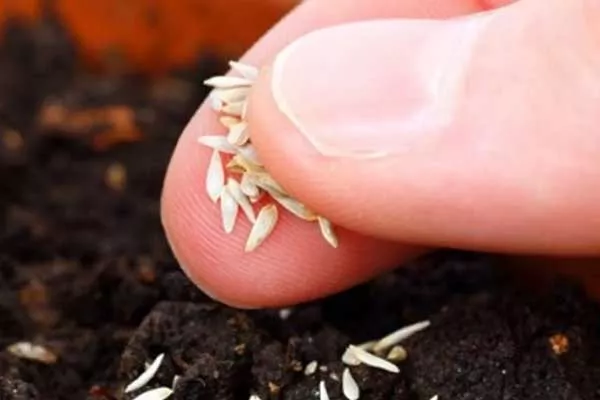
To select healthy seeds, use a solution of table salt:
- Pour in and leave for 15-20 minutes.
- Remove the seeds that rise to the surface, and use only those that have sunk to the bottom for sowing.
- Drain the liquid and rinse the seeds with clean water.
- After drying, disinfect with a solution of potassium permanganate - keep the planting material for 15 minutes.
Check the seeds for germination: wrap them in a damp cloth. If they sprout within two days, it's time to plant them in the ground. To speed up growth, soak them in a special stimulator, such as Ideal (1 teaspoon per 1 liter of water) or Epin (2 drops per 100 ml).
What is the best pattern for sowing seeds?
The choice of placement depends on the variety's characteristics. If the plot is small and already planted with other crops, place the greens between rows, along a fence, or between beds. Water thoroughly and loosen the soil 2-3 days before planting.
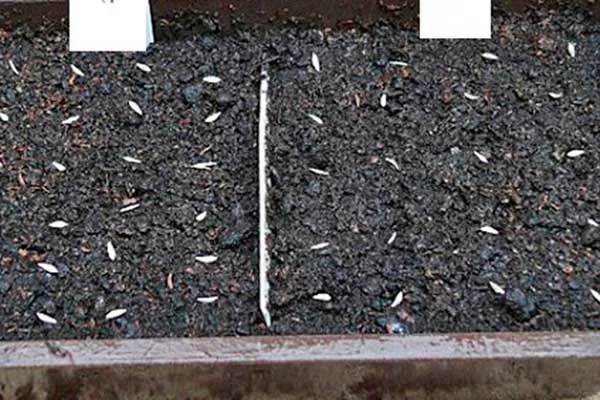
Form the bed using either the scattered or row-by-row method. When transplanting seedlings to an open area or a greenhouse, maintain a 3 cm spacing between seeds. The distance between seedlings should be at least 25-30 cm.
Growing fresh leaves at home
To successfully plant herbs indoors, use a light, fertile, well-drained soil. You can purchase a special potting mix or make your own by mixing sand, humus, and turf.
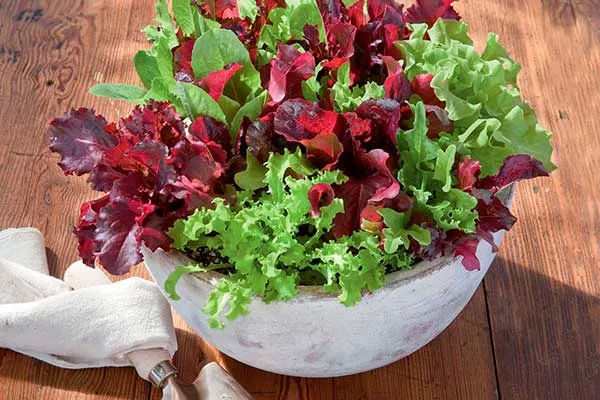
Choose pots, containers, or trays with drainage holes. Excess water should drain away to prevent root rot.
Next, follow these recommendations:
- Fill the containers with soil, leaving 1-2 cm of free space at the top.
- Spread the seeds evenly over the soil surface and lightly sprinkle them with a thin layer.
- Moisten the soil, but do not overwater it, as lettuce does not tolerate excess moisture.
- Place the container in a warm, bright place, avoiding direct sunlight.
- Maintain constant soil moisture.
In a few weeks, you'll be enjoying a fresh salad. Carefully snip off a few of the top leaves with scissors and use them in your favorite dishes. Continue to care for the plants, watering them and removing dead parts, to ensure they continue to grow and renew themselves.
Hydroponic and aeroponic technologies for home salad growing
Hydroponics relies on the use of nutrient solutions delivered directly to plant roots. This allows for controlled growth, optimized water and fertilizer use, and reduced risk of disease.
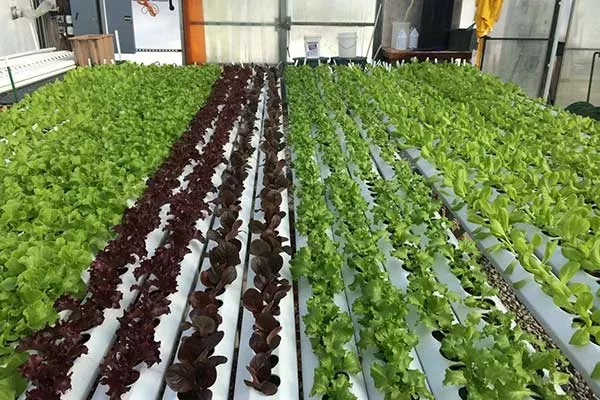
Aeroponics, on the other hand, uses mist or aerosol to nourish plant roots. In this environment, plants receive all the necessary nutrients and water, maximizing the available light.
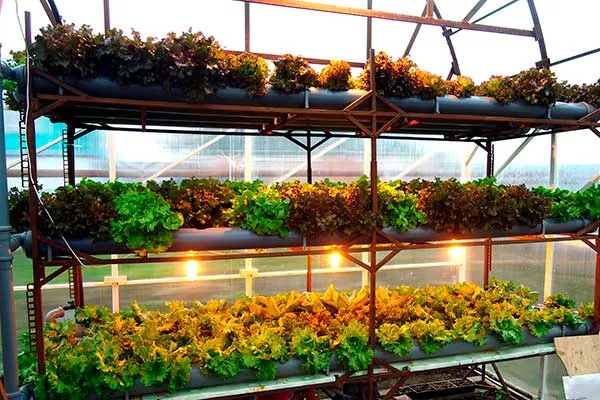
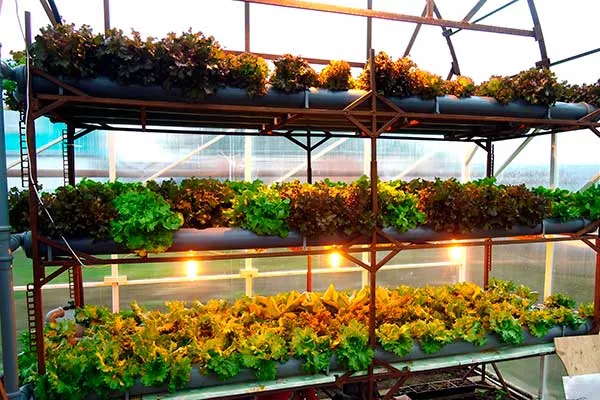
Both methods require specialized equipment, including plant containers, nutrient solutions, and water and fertilizer delivery systems. But with the necessary knowledge and equipment, you can create your own home system for growing fresh vegetables and herbs year-round.
Care instructions
Caring for your crop involves several key aspects that will help ensure healthy growth and high yields. Follow these simple care steps:
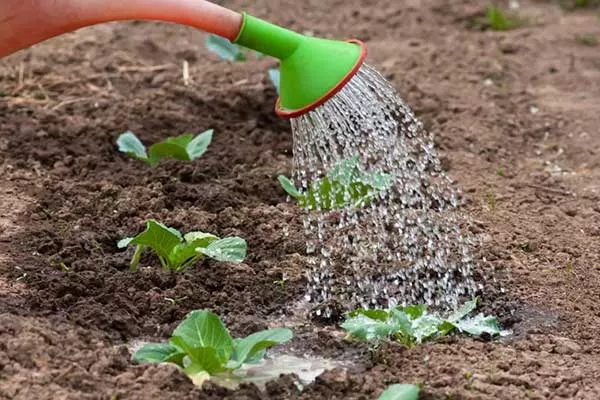
- Lettuce requires regular watering, especially in hot weather. Water 2-3 times a week, depending on conditions. Apply water at the roots, avoiding drips on the surface to reduce the risk of disease.
- Fertilize 2-3 weeks after germination. Use organic fertilizers such as mullein or bird droppings. During the growing season, apply mineral fertilizers (potassium and phosphorus) to improve growth and quality.
- Ensure optimal soil moisture levels to avoid over-watering or over-drying.
- Regularly inspect plants for diseases and pests. Apply fungicides or insecticides at the first signs of disease (such as rot or spots).
- Maintain the recommended distance between plantings. This will ensure good air circulation and light access.
- Two weeks after germination, apply nitrogen fertilizer (for example, urea) at a rate of 10 g per 1 m².
- During the period of rosette formation, add potassium-phosphorus fertilizer (for example, superphosphate and potassium sulfate) at 15 g of each per 1 m².
- 2 weeks before harvesting, apply foliar feeding with microelements to improve the quality of the leaves.
Reviews
Revolution salad is an ideal choice for those who value freshness and quality in their diet. Its ease of cultivation and excellent flavor make it an excellent addition to both everyday meals and gourmet dishes. With proper care and proper planting guidelines, you can grow a robust plant that produces generous harvests.