
The Early pear is a winter-hardy variety with a number of positive characteristics. It produces high yields and is resistant to many diseases. Despite its small size, the fruits are full of juiciness. Proper care is essential to ensure the plant thrives.
Origin
A dessert variety developed by Russian breeder S. P. Kedrin and introduced into cultivation in 1971. It was created by crossing the Bergamot Volzhsky and Williams varieties.
Main characteristics
The Early pear is characterized by high yields, excellent flavor, and ease of cultivation. The cultivar boasts numerous positive characteristics.
The appearance of the tree
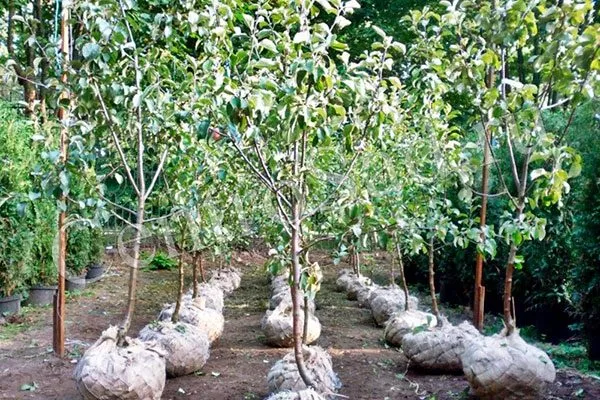
It grows as a medium-sized plant, reaching 3-4 m in height. Distinguishing qualities:
- It has a narrow pyramidal crown of medium density.
- The branches extend from the trunk at an acute angle, and their shoots are often straight and thick.
- The tree is covered with medium-sized leaves that have an oval shape and a wavy edge.
- The leaf blade is strongly folded along the main vein and curved.
- The stipules are lanceolate.
Fruits and their taste characteristics
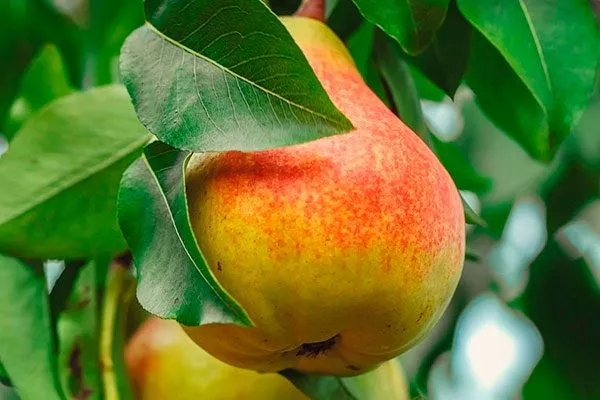
They are characterized by small sizes, reaching a weight of 75-80 g. They differ from other varieties in the following qualities:
- The shape can be pear-shaped or truncated-conical, with a smooth surface.
- They have a greenish-yellow color when collected and consumed.
- The skin is of medium thickness, not rough, with barely noticeable subcutaneous dots.
- The peduncle is straight or slightly curved, of medium length and thickness, widened at the base.
- The calyx is medium-sized, open or half-open, and the saucer is small or absent.
- The seed nest is bulbous, medium-sized, located in the center of the fruit, and the seed chambers are closed.
- The pulp is yellowish, medium-dense, tender and juicy, with a good sweet and sour taste without granulation.
Application
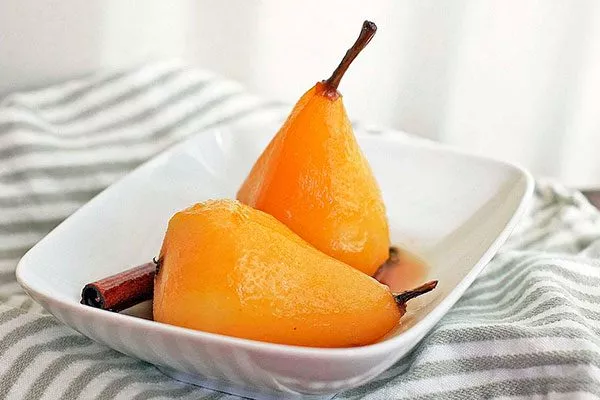
The fruits are very tasty and juicy when eaten fresh, which is the most common way to eat them. They are often processed. Various desserts are made from the harvest: jam, compote, juice, dried fruit, and marmalade. Experienced gardeners can make delicious wine from the fruit.
Growth characteristics
The Early pear is a medium-sized tree with a dense crown. Fruiting begins approximately 6-7 years after planting.
Maturation
The fruits ripen in August. If harvested a little earlier, they will last longer and withstand transportation better. In a cool room, the harvest will last for 3-4 months. The fruits remain firmly attached to the branches for 10-15 days after ripening, then begin to fall.
Climate conditions
It has good frost resistance, withstanding temperatures down to -30°C. During the first few years after planting, winter protection is required. It tolerates drought and adverse weather conditions, but this may negatively impact the yield.
Soil
It's not picky about soil, but prefers fertile, well-drained soil. Avoid stagnant groundwater.
Landing
Planting a crop requires special attention, as improper approach can negatively impact the future harvest. Key points:
- Recommended planting times. In southern regions, autumn planting is permitted, beginning in early October, but in colder zones, it's best to plant in spring, at the end of April. The soil should warm to 10°C to avoid recurrent frosts.
- Selecting a location. The planting site should be well-lit and protected from drafts. The distance from buildings or fences should be at least 3 meters.
- Neighborhood with other plants. This variety is demanding of its neighbors. Some plants may interfere with its growth and yield, so consider its proximity to the following plants: black poplar, Chinese cabbage, apple trees, tomatoes, black currants, physalis, and maple.
Early pears grow well alongside strawberries, gooseberries, zucchini, raspberries, quince, cucumbers, and grapes. Avoid planting them near cherries, peaches, plums, apricots, rowan (red), walnuts, bird cherries, and junipers. - Selection and preparation of seedlings. Purchase seedlings from reputable suppliers, preferably specialized nursery stores. Before planting, trim the roots by 10 cm and soak them in warm water for an hour.
- Site preparation. Prepare the planting site in advance in the fall or spring. Dig the soil, fertilize it with manure or compost, remove weeds, and dig a planting hole. Place a drainage layer of brick or crushed stone at the bottom.
- ✓ The planting hole depth should be at least 60 cm to provide sufficient space for the root system.
- ✓ The distance between seedlings should be 4-5 meters for optimal development of the crown and root system.
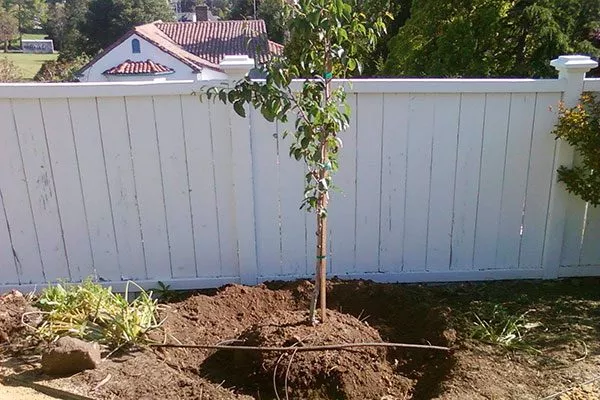
Carefully place the seedling in the center of the hole, fill it with soil, and compact it. The root collar should remain above ground. Seal the cut at the top with garden pitch. Finally, water the seedling with warm water and mulch the area around the trunk.
Care
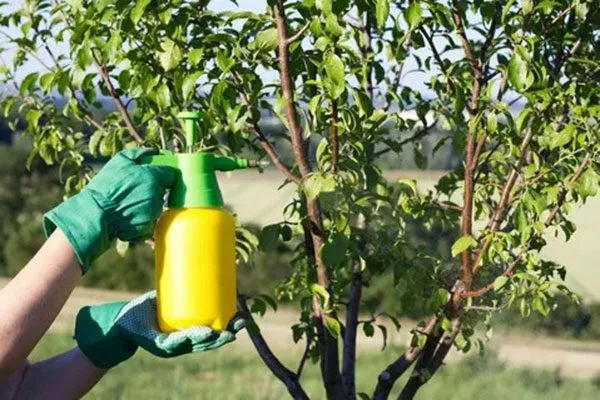
To ensure proper growth and development, certain care procedures are required. Ensure the plant is properly watered and fertilized.
Follow the recommendations:
- Don't overwater the tree, but prolonged drought is also undesirable. Water the first time in the spring, before the growing season begins. Then, water shortly before and after flowering, during fruit set. One tree requires approximately 30 liters of water.
- Before watering, remove weeds from the tree's trunk area, then thoroughly loosen the soil and apply a generous mulch. The last watering should be done in the fall, before winter sets in.
- Apply fertilizer in the second year after planting using potassium chloride and urea.
- Use organic fertilizers rarely, approximately once every 3 years.
- Apply fertilizer in spring and autumn, twice per season.
In spring, apply foliar feeding with an ash solution.
Wintering of pear trees
The Rannyaya pear exhibits high frost resistance and is suitable for cultivation in the Middle Volga region. In harsher climates, the tree may periodically freeze, although it quickly recovers. This may impact yield.
In the Samara region's climate, additional winter preparation measures are generally not necessary. Instead, it is recommended to mulch the tree trunk area with plenty of sawdust and wrap the lower part of the trunk with spunbond or burlap.
Pear diseases and pests, methods of control
In unfavorable weather conditions, such as wet and cool summers, leaves and fruits are susceptible to significant scab damage. The crop may also be susceptible to other diseases and insect attacks. Take control measures to address these issues:
| Disease/Pest | Symptoms | Treatment | Prevention |
| Scab | White or grey coating on leaves and fruits, deformation and leaf fall. | Spray with a solution of dry mustard or table salt at least four times per season. In case of severe infestation, treat with sulfur- or copper-based fungicides. | Regular treatment with fungicides at the beginning of the growing season. |
| Powdery mildew | The appearance of a white powdery coating on leaves and fruits, deformation and falling of leaf blades. | Use of sulfur or copper based fungicides. | Maintaining good air circulation in the crown. Treatment at the beginning of the growing season. |
| Rust | Formation of brown or orange spots on leaves and fruits, deformation and fall of leaves. | Application of fungicides Skor, Revus, Horus. | Removal and destruction of affected areas. Treatment with pesticides at the beginning of the growing season. |
| Aphid | The appearance of small insects on leaves and shoots, deformation and curling of foliage, secretion of sticky sweet juice. | Treatment with a soap solution or marigold infusion. Use insecticides based on imidacloprid or spinosad. | Regular inspections and early pest control. Elimination of potential sources of infestation. |
| Codling moths | Presence of caterpillars or larvae on fruits, holes and damage on the surface. | Use of insecticides, such as those based on the bacteria Bacillus thuringensis or spinosad. | Monitor and destroy caterpillars at early stages. Regular inspections. |
| Spider mite | Formation of thin web-like networks on the underside of leaves, yellowing and falling off, deformation and drying of fruits. | Treatment with colloidal sulfur. | Maintain high humidity around plants. Regular inspections and pest control. |
Reproduction
Propagating pear trees from seed can be difficult and time-consuming. To increase the number of seedlings, choose one of the following methods:
- Graft. This involves using a scion and a rootstock (quince). Perform the procedure in late April or early May. To do this, prepare the cuttings in winter and begin the process in cloudy weather or in the evening.
- Cuttings. Prepare green cuttings about 25-30 cm long in advance, each with 5 leaves and 2 internodes. Soak the cuttings in a rooting solution, such as Kornevin, then plant them in soil mixed with sphagnum moss. With proper care, the cuttings will root quickly.
Both of these methods are good in that they allow you to preserve varietal characteristics.
When is pruning necessary?
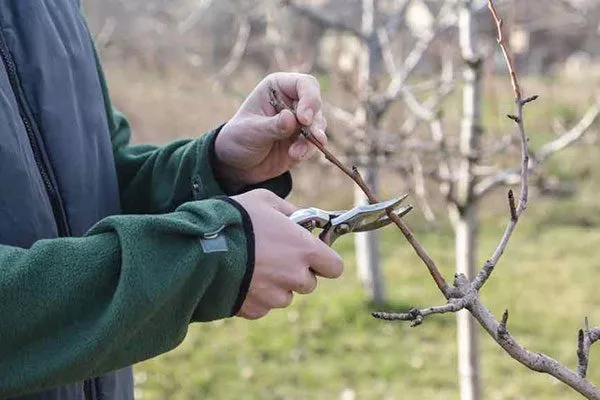
Pear tree care involves two important aspects: sanitary pruning and formative pruning. Follow these instructions:
- Sanitary pruning. This involves removing affected shoots, leaves, or other parts of the plant if signs of disease or pests are detected. The goal of sanitary pruning is to prevent the spread of diseases and reduce the risk of insect damage.
- Formative pruning. This pruning is aimed at giving the tree's crown the correct shape and preventing potential problems with drying out or aging of shoots and branches. Formative pruning helps maintain a neat crown shape and stimulates the development of healthy, strong branches.
Reviews
The Early pear has many positive qualities. It is resilient to adverse conditions, undemanding of soil, and consistently produces good harvests. With proper care, you can grow a tree with a strong immune system and high yields.