
The 'Prevoskhodnaya Kolesnikova' cherry is a good choice for many gardeners. It has numerous attractive characteristics. Proper care is essential to ensure the plant produces a full harvest and thrives.
Who developed the variety and when?
Scientists from the All-Russian Research Institute of Fruit Crop Breeding worked closely on its development. A. F. Kolesnikova, E. N. Dzhigadlo, G. B. Zhdanov, A. V. Zavyalov, and T. A. Trofimova participated in the development.
The original genotype was taken from the Zhukovskaya, Zarya Povolzhya, and Zolushka varieties. It was added to the State Register in 2006. It was specifically adapted to the Central Black Earth Region, but is successfully grown in other regions.
The appearance of the tree
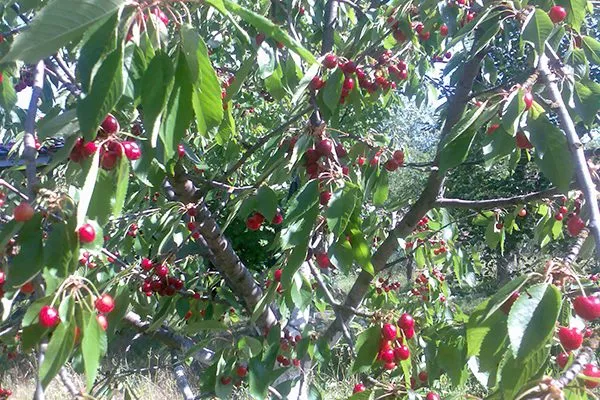
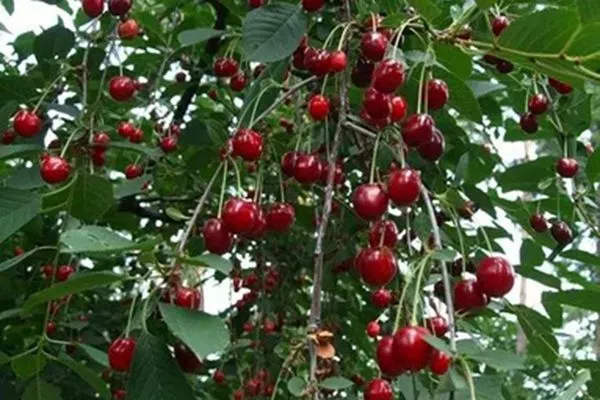
This ornamental, medium-sized tree reaches up to 2.5 m in height. It is characterized by the following external features:
- The crown is spherical in shape, with moderate weeping and a slight downward slope.
- The plant is sparsely covered with elongated, oval leaves, slightly concave inward. They are dark green, smooth on top, and matte on the underside. They have slight ribbing along the edges.
- The erect shoots are colored brown.
- Flowering and fruiting occur on annual growths and grape-like branches.
The snow-white flowers have a narrow bell-shaped form and are collected in inflorescences of three pieces.
Fruits and their taste characteristics
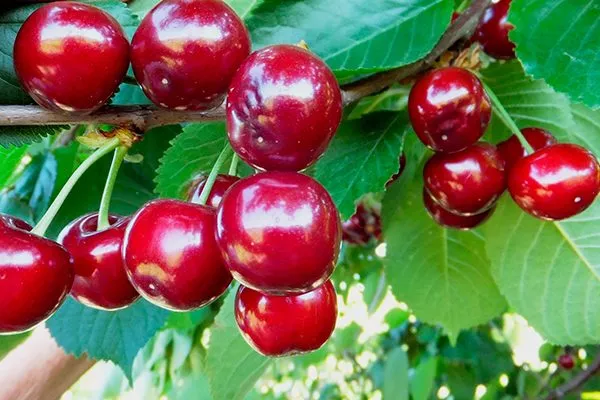
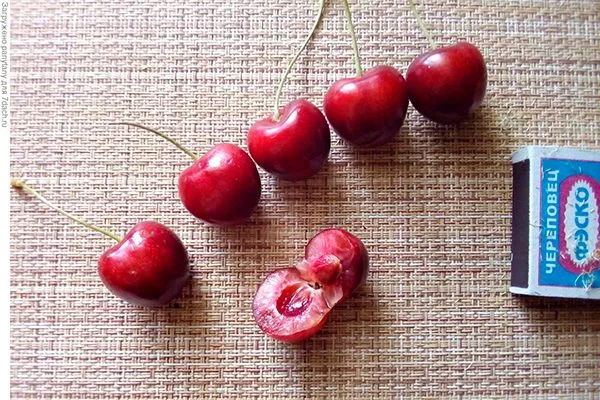
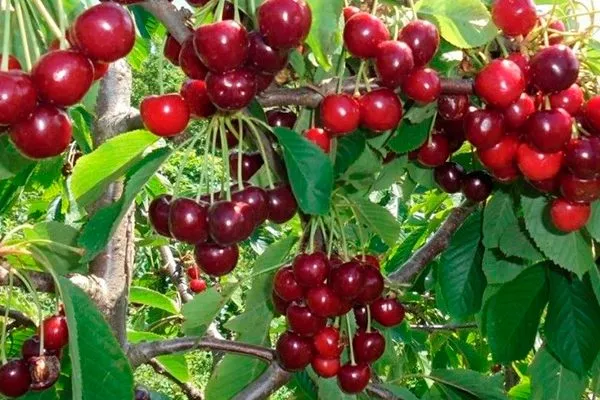
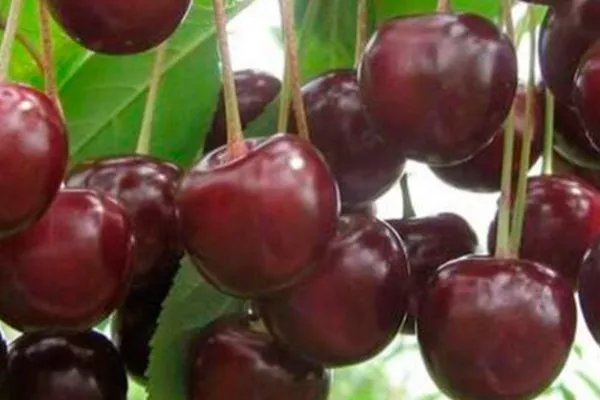
They have an oval configuration and reach about 4 g. Other characteristics of the berries:
- When fully ripe, they are dark red, almost black in color.
- The pulp is soft and slightly dry, with a characteristic formation of red juice.
- The medium-sized stone is easily separated from the pulp.
- The flavor combines acidity and sweetness. After an initial impression of acidity, a sweet taste predominates in the aftertaste as the wine matures.
Main characteristics
The Kolesnikova cherry variety, "Prevoskhodnaya Kolesnikova," boasts numerous characteristics that appeal to both experienced and novice gardeners. Creating optimal conditions for optimal growth and development is essential.
Soil requirements
For successful cultivation, use soil with a sandy, sandy loam, or loamy structure, ensuring good drainage and a neutral pH. Avoid planting in damp, low-lying areas with stagnant cold air, as these are unsuitable for the crop to thrive.
- ✓ The soil pH level should be strictly within 6.5-7.0 for optimal nutrient absorption.
- ✓ The depth of groundwater should not exceed 1.5 meters to prevent root rot.
Application
The Kolesnikova variety is excellent and has a wide range of uses. Its large, tasty fruits with a characteristic sweet and sour flavor make it popular in the following areas:
- Fresh consumption. Suitable for fresh consumption, fruit salads, and desserts, they make a great snack.
- Preparation of canned food. They are used for preserves such as jams, compotes, syrups, and desserts. Their rich flavor and color make preserves vibrant and aromatic.
- Bakery. They're perfect for baking pies, muffins, and other sweet dishes. Their sweet and sour flavor adds a unique touch.
- Beverage production. The fruits can be used to make juices, compotes and even wine.
Given its diverse application, the crop becomes a valuable and versatile element of gardening and cooking.
Use for medicinal purposes
Berries are rich in a variety of beneficial macro- and micronutrients that are easily absorbed by the body. They have been shown to have a positive effect on metabolism and the ability to remove toxins, radiation, and excess cholesterol from the body.
Scientific research confirms that the presence of ellagic acid helps inhibit the growth of cancer cells, making its regular consumption in certain doses a significant factor in maintaining health.
Self-fertility and pollinators
It is partially self-pollinating. To increase yield, plant a second variety with a similar flowering period. This improves pollination and increases fertilization efficiency, which can positively impact the overall harvest.
Ripening period and yield
Characterized by high yields. On average, 113.4 centners of fruit can be obtained per hectare. Under favorable climate conditions and proper care, the yield can be increased to 203.4 centners per hectare.
It is noted for its early fruiting, beginning to bear fruit in the fourth year after planting. In central Russia, flowering occurs from May 10th to 18th, while in southern regions, the tree can bloom as early as mid-April.
Landing
Choose well-lit areas with deep groundwater for planting seedlings. To prepare the planting hole, add compost or humus first, then add 20-30 liters of water to create the right microflora.
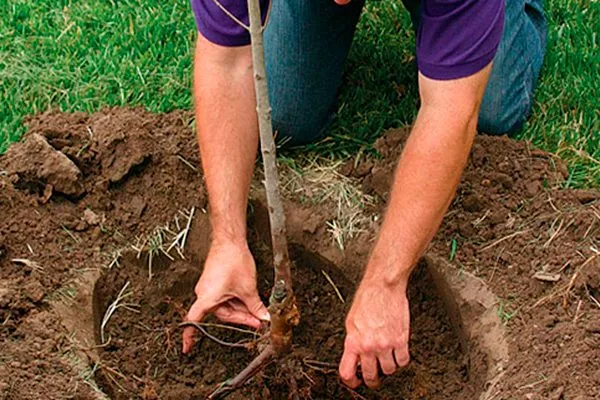
Follow the instructions:
- Place the seedling in the center of the hole.
- Add a nutrient-rich mixture of garden soil, wood ash, peat, and mineral fertilizers (nitrogen, phosphorus, potassium). The root collar should be 6-7 cm above the soil surface.
- Fill with the remaining soil, compact thoroughly and water generously.
Cover part of the trunk area with mulch, which will help retain moisture.
Care
The crop doesn't require particularly labor-intensive care. Provide moderate but abundant watering. Increased irrigation is recommended during flowering and berry formation, as well as during prolonged drought conditions.
Helpful tips:
- After each watering, loosen the soil and remove weeds.
- Do not fertilize the tree for the first few years after planting. Fertilize it in its third year.
- At the beginning of spring, fertilize the tree with nitrogen-containing preparations or a solution of wood ash.
- In October, to restore strength and prepare the soil for winter, add phosphorus-potassium fertilizers to the soil.
Pruning should be done in the spring. Thinning the crown is necessary to prevent it from becoming too dense and to allow sunlight to pass through the branches. Remove damaged, broken, dry, and diseased shoots.
Reproduction
There are several ways to propagate cherry trees. To increase the number of seedlings, choose one of the following methods:
- Seeds. Sow seedlings in prepared beds or pots in late fall or early spring. Once seedlings emerge, grow the plants until they reach the desired height for permanent planting.
- Cuttings. Select healthy, recently grown shoots. Take cuttings in spring or fall, then root them in soil or special containers. Once rooted, transplant them to their permanent location.
- With shoulder straps. Shoots growing from the root or above-ground parts of the trunk can be used to propagate cherry trees. Divide them and plant them in prepared areas.
- Graft. This method allows you to preserve the genetic characteristics of the variety. Graft onto a rootstock, preferably one that is more resistant to soil conditions or diseases.
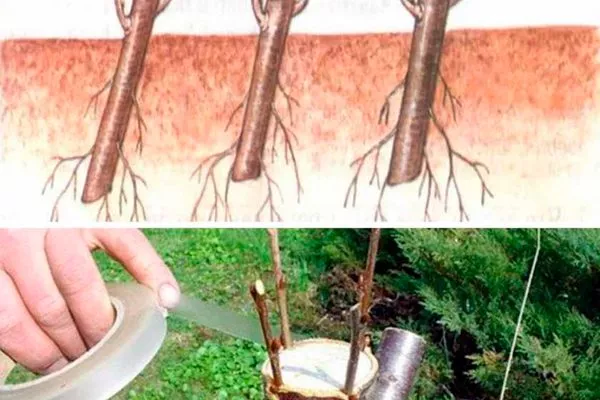
The choice of propagation method depends on specific conditions and your preferences.
Diseases and pests
The crop exhibits relative resistance to moniliosis and coccomycosis. Effective treatment methods can provide reliable protection. The table lists potential cherry diseases and pests, along with control methods:
| Pest/Disease | Symptoms and consequences | Control measures/Prevention |
| Khrushchev | The cockchafer larva feeds on grass roots and the bark of fruit trees. | Manual collection of pests. |
| Barkwood | The larvae overwinter in the sapwood, damaging the bark of the cherry tree. | Treatment of weakened trees, cutting out damaged branches. |
| Zlatki | Beetles gnaw at the leaves and petioles of the cherry tree. | Regular watering and spraying with insecticides. |
| Cherry moth | Caterpillars damage buds and flowers, interfering with photosynthesis. | Spring treatment with insecticides and soil digging. |
| Slimy sawfly | The larvae eat away a thin layer of leaves. | Digging the soil and applying chemical insecticides. |
| Leaf aphids | They suck the juice from the leaves, slowing down their growth. | Spraying with tobacco infusion and chemical insecticides. |
| Caterpillars of various species | They damage buds, leaves and fruits. | Mechanical destruction of nests, scraping off eggs and spraying. |
| Cherry weevil | Feeds on cherry buds and fruits. | Mechanical control methods, insecticides and covering in spring. |
| Hollow spot | Light brown spots with a reddish-brown border, ragged holes on the leaves. | Pruning and burning affected areas. Spraying with 3% Bordeaux mixture. |
| Coccomycosis | Red spots on the leaves, pink bloom on the underside when damp, jagged wounds. | Treatment with 4% Bordeaux mixture in the fall and spring. Pruning and destruction of affected areas. |
| Moniliosis | Small pustules on petioles and leaves, brown spots on fruit. Lack of fruiting, tree death. | Collection and burning of plant waste. Pruning and treatment with fungicides (Azocen, Topsin, Horus). |
| Anthracnose | Dull spots on fruit, mummification, and fruit drop due to low humidity. Shoots dry out, yield loss. | Spraying with Poliram contact fungicide. Treatment before and after flowering. Destroy affected areas. |
| Gum flow (gummosis) | Thick, colorless or brown resin exudes from damaged areas. Weakening of the tree and decreased productivity. | Disinfect wounds with 1% copper sulfate. Treat with garden pitch. Cut and burn affected branches. |
| Rust | Small greenish-yellow spots, pink bloom, growing bumps, darkening. Decreased fruiting, leaf drop. | Spray with 5% Bordeaux mixture before bud break and before flowering. Destroy plant debris and affected leaves. |
Reviews
The 'Prevoskhodnaya Kolesnikova' cherry tree is characterized by its low maintenance and excellent characteristics. With careful care, you can grow a robust plant with a good yield.