
Coffee grounds are a safe, affordable, and environmentally friendly organic fertilizer, meaning they can be used for a variety of gardening needs. Used coffee grounds contain many beneficial elements for plants; the key is to use them correctly.
Features of using coffee as a fertilizer
The average coffee drinker drinks about 500 cups, using a teaspoon of ground coffee beans per serving. To avoid throwing away about 5 kg of grounds annually, experienced gardeners find useful uses for them.
| Fertilizer type | Nitrogen content (%) | Decomposition time |
|---|---|---|
| Coffee grounds | 2 | Slow |
| Compost | 1.5-3 | Average |
| Manure | 0.5-1 | Fast |
Coffee doesn't compare to fast-acting fertilizers and complex mineral supplements. Its effectiveness and potential are limited. However, regularly adding coffee grounds to the soil around the stems or into the pots of houseplants can be beneficial.
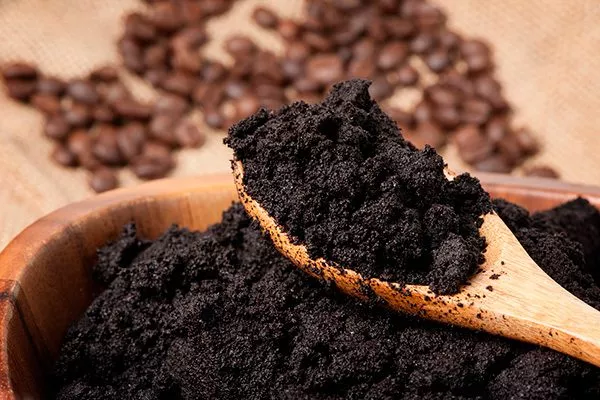
Features of coffee as a fertilizer:
- Coffee grounds increase soil bioactivity and enrich it with nitrogen. However, they cannot replace nitrogen fertilizers—they take too long to decompose, releasing nitrogen slowly.
- It loosens the soil, improving its aeration and drainage properties. This is especially beneficial for clay soils. It attracts earthworms, which make the soil more loose.
- Increases the ability of plants to absorb copper, magnesium, potassium and phosphorus.
- Coffee grounds increase soil acidity only when fresh; when used, they have a neutral pH of 6.5-6.8. However, to prevent soil acidification, it is recommended to rinse the grounds with water before use.
- The smell of coffee grounds poured into the beds repels insect pests.
Composition of coffee grounds
Used coffee grounds contain a good range of minerals and microelements, which provide additional nutrition for indoor and garden plants.
What are the benefits of coffee grounds for plants:
- Fiber — a useful substrate for plants. It also rapidly promotes the growth of Trichoderma fungi, which are destructive to pathogenic fungi and a number of harmful bacteria. In particular, Trichoderma helps combat late blight.
- Macronutrients — nitrogen (2%), which stimulates green growth, and potassium and phosphorus (0.3% each). Coffee beans contain many nutrients that nourish sprouts. After roasting and brewing, a significant portion of these nutrients is destroyed, but many beneficial elements remain in the grounds, promoting abundant flowering and fruiting.
- Copper - increases plant immunity and promotes their resistance to a number of diseases.
- Calcium - provides nutrition and development of all parts of the plant.
The grounds also contain trace elements - chromium, selenium, zinc, magnesium, nickel and iron, amino acids, antioxidants and even a small amount of vitamins.
Coffee grounds contain no more than 3% of nutrients, making them far from a complete fertilizer. Given the complex effects of coffee grounds on plants, using them as an organic fertilizer makes sense.
What plants is it suitable for?
Used coffee grounds aren't beneficial for every plant. It's recommended for use as a fertilizer for flowers that prefer a lower pH.
Which garden and houseplants benefit from coffee grounds?
- azaleas;
- hydrangeas;
- begonias;
- heathers;
- ficus;
- roses;
- violets;
- ferns;
- indoor palms;
- asparagus;
- rhododendrons.
Coffee grounds are also beneficial for vegetable crops such as potatoes, cucumbers, peppers, and tomatoes. They will positively impact their fruiting and yield.
When can coffee grounds be harmful?
Used coffee grounds should be used with caution to avoid harming either plants or soil.
Potential harm from coffee grounds:
- due to the high nitrogen content and if applied in excess, burns may appear on the roots;
- If the grounds are not dried properly, fungi and mold can develop on them, which can cause the death of the plant.
Coffee grounds are absolutely not suitable for plants that prefer alkaline soils, primarily because:
- geranium;
- asparagus;
- Tradescantia.
Do not use coffee grounds with sugar and/or milk for fertilizing any type of crop. The former attracts ants, while the latter activates rotting processes in the soil, which can negatively impact the roots.

Options for using grounds
The benefits of coffee grounds have long been appreciated by gardeners and vegetable growers who aren't used to wasting organic matter. They use anything that can decompose, rot, and replenish the soil with nutrients, and used coffee grounds are no exception. They are used in gardens and vegetable plots, as well as in home greenhouses, for various purposes and in a variety of ways.
For indoor flowers
If you're using grounds as fertilizer for houseplants, they should first be rinsed and then dried. Simply pouring used coffee grounds from a cup into a flowerpot won't do any good—a crust will form on the soil, which will soon become moldy. Pre-mixing the grounds with soil helps prevent this.
Using used coffee beans when growing indoor plants:
- Rinse and dry the grounds.
- Mix it with surface soil - 1 or 2 teaspoons per pot.
There are other options for using grounds:
- scatter over the soil surface;
- place on the bottom of the pot when filling it;
- add to the soil mixture when transplanting a plant from one container to another.
Feeding seedlings
Seedlings are grown in a wide variety of substrates—both store-bought and homemade. There are dozens of recipes for preparing nutritious soil mixtures for growing vegetable and flower seedlings.
How to grow seedlings using coffee grounds:
- Prepare a soil mixture according to any recipe, for example, from garden soil, peat and river sand (1:1:1).
- Add washed and dried coffee grounds to the prepared soil mixture. It should make up about 10% of the mixture's volume, no more.
Adding grounds to the soil mixture for seedlings allows you to increase its looseness and permeability.
Coffee grounds compost
Compost is a free and environmentally friendly organic fertilizer widely used by gardeners. It is applied during tillage and used to prepare nutritious soil mixtures. It is a good alternative to both humus and mineral fertilizers.
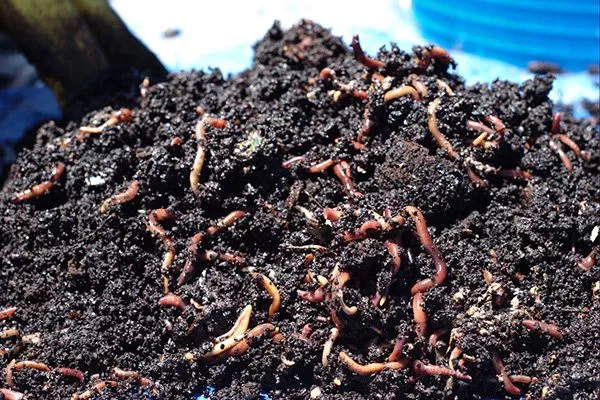
How to improve the composition of compost:
- Regularly pour coffee grounds into a compost pit or a special bin where compost is prepared.
- After a year, use the compost with coffee grounds to fertilize your garden beds. The ratio of grounds to coffee grounds should be 15%:80%.
Rotting coffee grounds not only contribute to the nutritional value of the compost, but also speed up the composting process itself.
For the garden
If there is a lot of used coffee, it is used for gardening.
How to fertilize garden beds with coffee grounds:
- Dilute 250 ml of used coffee in 10 liters of water.
- When the pulp swells, stir the infusion.
- Water the plants with the resulting mixture.
Since the grounds have a low nitrogen content, you can mix them with nettle infusion.
Please note that this method is not suitable for seedlings. The grounds are used only for preparing the substrate.
Mulching
Natural organic matter with a loose or friable consistency is typically used for mulching—sawdust, peat, humus, pine needles, and many others. Coffee grounds are equally effective, preventing soil crust formation, inhibiting weed growth, and improving soil structure.
Since the volume of coffee grounds is incomparably smaller than other types of mulch, it is used primarily for mulching the soil in flower pots.
How to mulch indoor flowers with used coffee grounds:
- Rinse the grounds and dry thoroughly. This will prevent mold from forming.
- Add it to the pots as it comes in – you need a layer 2-3 cm thick.
- ✓ The optimal thickness of the mulch layer when mulching indoor plants should be no more than 2-3 cm to prevent the formation of mold.
- ✓ To prepare a solution for watering plants, the ratio of grounds to water should be 1 teaspoon per 1 liter of water to avoid oversaturating the soil with nitrogen.
Coffee grounds can also be used to mulch tree trunks/holes in the garden or in beds.
Soil improvement
Coffee grounds should definitely not be thrown away by owners of plots with less-than-ideal soils, such as those that are too light or, conversely, not permeable enough to water and air. Using used coffee grounds can improve their quality.
Options for using grounds:
- Organic matter is added to planting holes, trenches, and other pits immediately before planting, primarily to improve the soil structure.
- On light soils, grounds act as a binder. In these soils, a liquid infusion of used coffee grounds is added to the upper layers. The recommended rate is 200 ml per square meter.
- To loosen soil that is too dense, the slurry is simply scattered over the ground and then worked into the soil by loosening.
Growing microgreens
Growing microgreens in used coffee grounds has recently become fashionable. This intriguing idea, dubbed Urb, was proposed by British industrial designer B. Parkinson.
The Urb method isn't suitable for growing regular vegetable seedlings, but it's quite suitable for all kinds of aromatic herbs. Coffee grounds, in particular, are suitable for growing lettuce, cilantro, parsley, and soybeans.
Pest control
Coffee grounds are effective for protecting gardens and vegetable plots from various insects. Ants, aphids, snails, and slugs are particularly susceptible. Experienced gardeners claim that coffee grounds also kill garden pest larvae. While they may not be as effective as insecticides, they are completely eco-friendly.
Application options:
- When sowing cabbage, radishes and carrots with seeds, the grounds are dug into the soil.
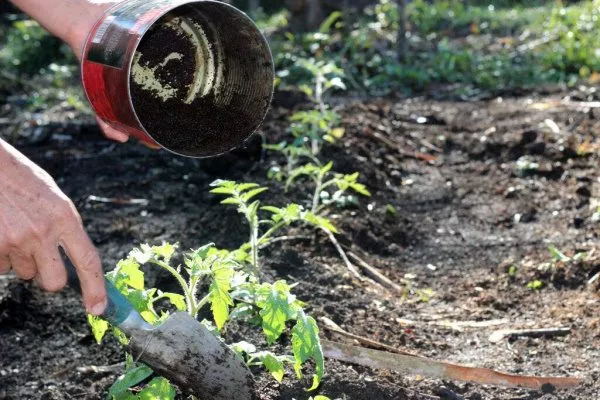
- When planting tomato and cucumber seedlings in open ground, simply sprinkle the soil with the grounds.
Nuances of preparation and use
There are many ways and purposes for using coffee. Experienced gardeners know a wealth of nuances about the preparation and effectiveness of various options.
Subtleties of using coffee grounds:
- Instead of scattering the grounds into flower pots, you can add them as a solution. To do this, dilute 1 teaspoon of used coffee grounds in 1 liter of water.
- Before flowering, it is recommended to apply a rich fertilizer consisting of coffee grounds, crushed dry leaves, and finely chopped straw (1:0.5:0.5). Place all ingredients in a saucepan and stir. Allow the mixture to rot.
To speed up the process, add a layer of soil on top and make holes in it. After a month, the finished fertilizer is added to pots or outdoor flower beds. - Coffee grounds used for plant feeding are stored in glass, plastic or tin containers to prevent moisture from getting into them.
- Coffee grounds are added to outdoor flower beds in early spring, from March to April. Then, grounds are added every 2-3 weeks.
- Coffee can affect the color of flowers. For example, a pink hydrangea turns purple after adding coffee grounds.
- Used coffee grounds have a positive effect on the growth of plants with variegated leaves. Not only do they grow and develop faster, but they also acquire more contrasting colors, enhancing their decorative appeal.
Reviews of using coffee grounds
Whether or not to use coffee grounds is a personal decision for every gardener. But if you regularly have coffee grounds, why not put them to good use? Especially since coffee grounds are not only an eco-friendly fertilizer but also an excellent leavening agent, and all of this is completely free.