
Cinderella is a portion-bearing variety. It is characterized by compact bushes and bright, large fruits. It is used in a variety of dishes, and its sweet, juicy flavor makes it an excellent choice for gardening. The plant received an interesting name, reminiscent of a fairytale princess who attended a ball in a carriage that turned into a pumpkin at midnight.
Description of the bush and fruits
The Cinderella pumpkin is an attractive variety with a striking appearance and excellent flavor. Its compact, bushy growth habit makes it an excellent choice for smaller gardens.
Distinguishing characteristics:
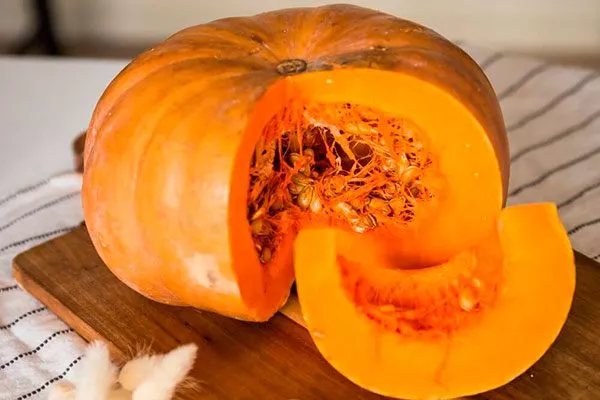
- The fruits are round or short oval in shape.
- The weight of vegetables varies from 5 to 6 kg.
- The vegetables are colored a rich orange, giving them a decorative appearance, and the thin skin makes them easy to process.
- Segmentation is poorly expressed.
- The flesh is bright yellow, medium thick, and has a juicy and crispy texture.
- ✓ Weak fruit segmentation, making them easier to process and cut.
- ✓ The pulp contains a high amount of carotene, which makes it especially beneficial for health.
Main characteristics
Its sweet flavor is highly prized by consumers, and its juicy, crisp flesh makes it versatile in cooking. This variety is ideal for a variety of dishes. Due to its natural composition, this vegetable is recommended for baby food and is also used in dietary and therapeutic nutrition for adults.
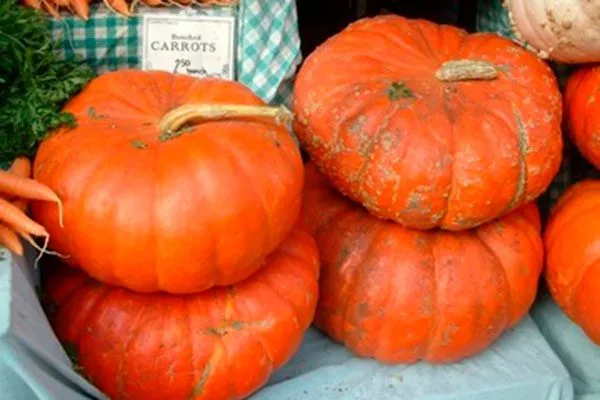
The period from germination to harvest is 87-94 days. The average yield reaches 3-4 kg per square meter, demonstrating the high productivity of this variety.
Growing and care
Growing this crop doesn't require any complex skills, making it an excellent choice for both experienced and novice gardeners. It easily adapts to various climates and is resilient to adverse factors. For bountiful harvests, it's important to follow basic care guidelines.
- ✓ The optimal soil temperature for sowing seeds should not be below +12°C.
- ✓ The distance between rows when sowing in open ground should be at least 1.5 m to ensure sufficient feeding area.
Requirements
Provide optimal conditions for your plants. Follow these recommendations:
- The crop prefers well-lit areas with long exposure to sunlight. Shaded areas can slow growth and reduce productivity.
- The bushes grow well in light, fertile soils with a neutral or slightly alkaline reaction (pH 6-7). Loamy or sandy loam soil enriched with organic matter is ideal.
- Select a planting site in advance, avoiding areas with low groundwater levels. In the fall, dig the soil and add organic fertilizer—rotted manure or compost (5-7 kg per square meter). In the spring, loosen the beds and, if necessary, add mineral nutrients.
- Avoid planting cucurbits in the same spot two years in a row or after other cucurbits (cucumbers, zucchini, squash). Good predecessors include legumes, cabbage, potatoes, or onions.
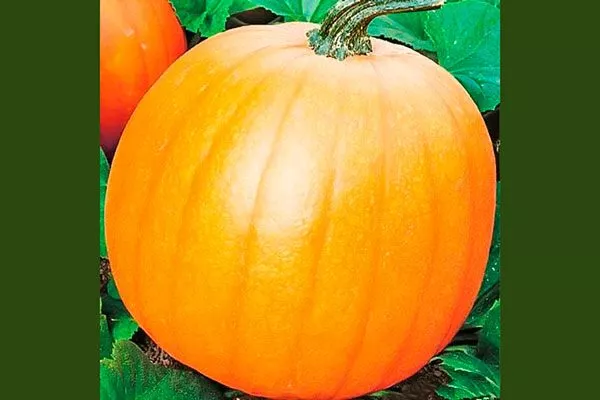
A properly selected site and prepared soil will ensure active plant growth and a high-quality harvest.
Sowing seeds
To grow strong Cinderella pumpkin seedlings, it's important to properly prepare the planting material and provide optimal germination conditions. Follow these steps:
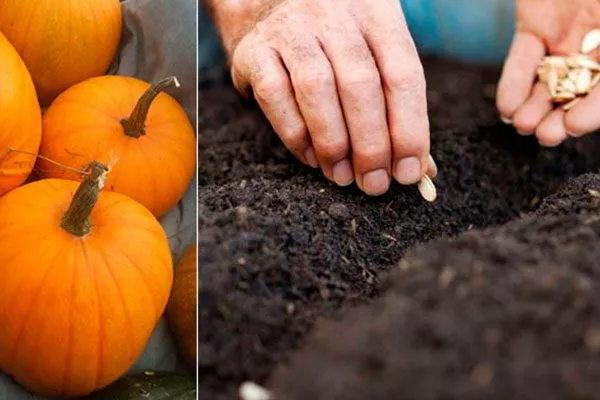
- Selection of seeds. Select large, full-bodied seeds without damage or signs of disease.
- Warming up. Before sowing, warm them for 2-3 hours at a temperature of +50…+60°C. This will improve their germination.
- Soak. Soak the seeds for 10-12 hours in warm water (25…30°C) or a weak solution of growth stimulant (Epin, Gumi). This will speed up germination.
- Hardening. To increase resistance to temperature changes, keep the seeds in the refrigerator for 2-3 days at +2…+5°C.
Please follow these recommendations:
- Use individual peat or plastic pots with a diameter of 10-12 cm to minimize stress during transplantation.
- Prepare a loose and nutritious substrate: a mixture of garden soil, humus, and sand in a 2:1:1 ratio. You can add a little wood ash or a complex fertilizer.
- Plant the seeds 3-4 cm deep. After sowing, gently moisten the soil with warm water.
- Until seedlings emerge, maintain a temperature of +25…+27°C. Afterwards, reduce to +20…+22°C during the day and +16…+18°C at night.
- Seedlings require 12-14 hours of light per day. If light is insufficient, use phytolamps.
Hardening
Begin the process immediately after the seedlings emerge. It's important that the outside temperature is at least 18°C. Initially, take the seedlings outside for 1 hour, gradually increasing their time outdoors by an hour each day.
By the time they're transplanted outdoors, the plants can be left outdoors all day. If the nights get cold, cover the containers with plastic for protection.
Transplanting
Move the seedlings into open ground when the plants are 20-25 days old and the threat of frost has completely passed.
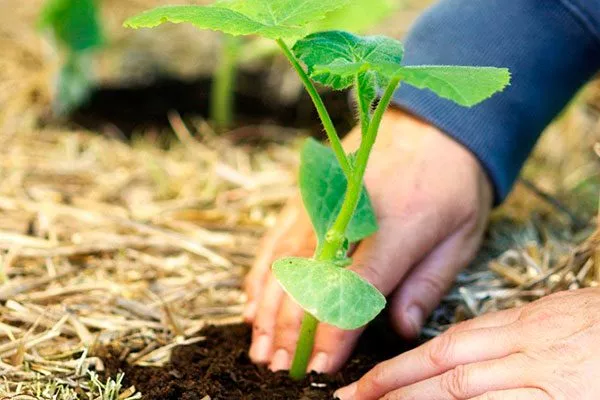
Please meet the following requirements:
- Dig holes 70-100 cm apart to give the plants enough room to grow. The holes should be slightly deeper than the height of the seedling cups, ensuring the roots are completely covered with soil. Sprinkle a little wood ash or superphosphate at the bottom of each hole to promote rooting.
- Carefully remove the seedlings from the cups, being careful not to damage the roots. If you grew the seedlings in peat pots, plant them along with them. Place the plants in the hole so that the root collar is level with the ground, then fill with soil and compact it lightly.
- After planting, water each plant generously with warm water (22…25°C). To retain moisture and protect against weeds, mulch the area with peat or humus.
If bright sun is expected in the first few days after planting, shade the seedlings to prevent sunburn. If necessary, install a temporary cover of plastic or agrofibre over the beds to protect against sudden cold snaps.
Plant care and formation
To improve productivity and produce high-quality fruit, properly structure your bushes. This process involves removing excess shoots and regulating the number of ovaries.
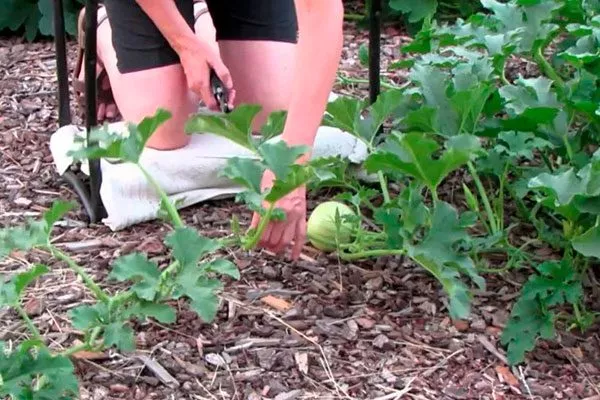
Basic rules of formation:
- Leave 2-3 main shoots. Pinch out all other side shoots to prevent the plant from wasting energy on excessive growth.
- Pinch the main shoots when they reach 1.5-2 m in length, leaving 2-3 ovaries on each. This promotes larger fruit.
- Leave no more than 4-6 vegetables on a single plant. Remove excess fruit to ensure the plant can focus its resources on the remaining pumpkins.
- To improve the amount of light reaching the fruit, trim off old or shading leaves, especially those that cover the ovaries.
- To prevent vegetables from rotting when in contact with damp soil, place a wooden board, straw, or other material under each one.
Structuring the pumpkin allows the plant to optimally utilize its resources and guarantees large, sweet, and juicy fruits.
Watering and fertilizing
Pumpkin is a moderately water-demanding crop and does not respond well to excessive moisture. Water every 7-10 days on average. Stop watering completely a month before harvest to avoid excess waterlogging and reduce the risk of rotting during storage.
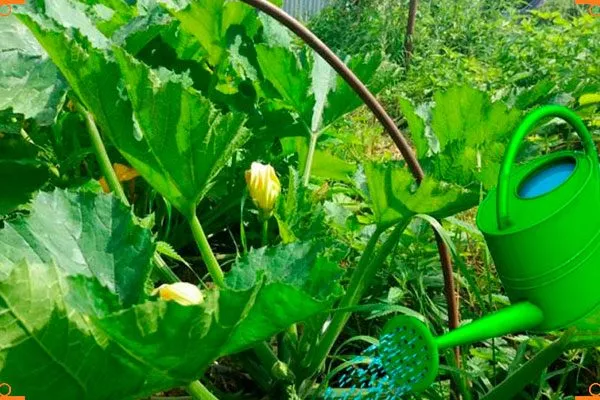
Start fertilizing the crop two weeks after transplanting into the garden beds, using a manure infusion. Then, fertilize with a herbal infusion every 14 days. Once the ovaries have formed, apply mineral nutrients: prepare a solution of 10 g of monopotassium phosphate per 10 liters of water. Fertilize twice, 15-20 days apart.
Pros and cons
Before you start growing a cultivar, carefully study its features, advantages and disadvantages.
Cinderella attracts the attention of gardeners with the following advantages:
Among the negative qualities of the variety are the possibility of deterioration of taste with excess moisture, the need for regular bush shaping, and susceptibility to pest attack without prevention.
Reviews
The Cinderella pumpkin is an ideal choice for those who value a reliable harvest and culinary versatility. It easily adapts to growing conditions, requires little care, and produces an abundance of large, tasty fruits. This variety is a godsend for gardeners seeking high yields with minimal effort.