
Winter Sweet is the name of a late-ripening pumpkin variety for open ground, developed by breeders from Kuban. It delights gardeners with its excellent drought resistance and high yield. Its signature feature is the sugary flavor of its fruit. It is rightfully considered one of the sweetest varieties of this vegetable crop.
Description of the bush and fruits
Plants of this variety are characterized by a spreading, vigorous growth habit and excellent fruit production. Their external characteristics include:
- long, creeping stems reaching 3 m;
- foliage: green, large, pentagonal, slightly notched;
- inflorescences: large, rich yellow color.
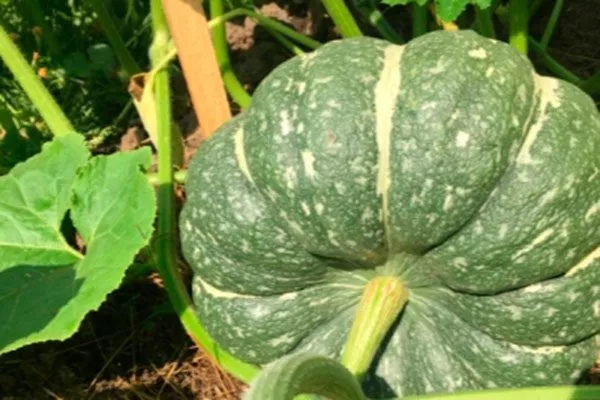
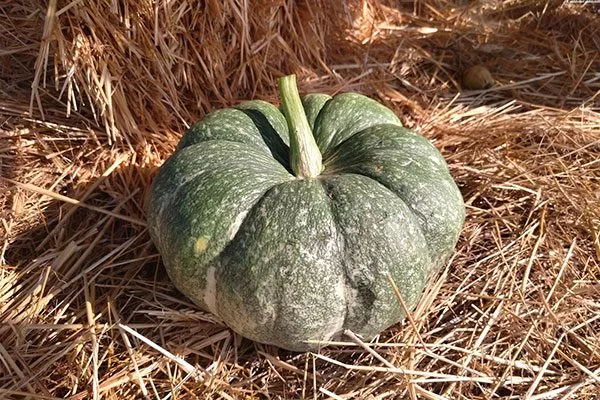
Winter Sweet pumpkins are large in size and have excellent consumer qualities, including excellent shelf life and transportability. Their description includes the following characteristics:
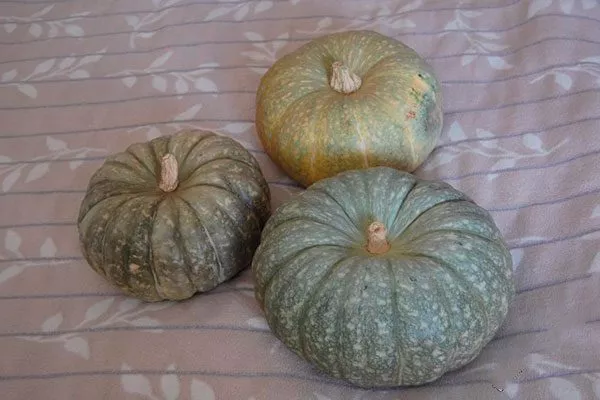
- flat-round shape;
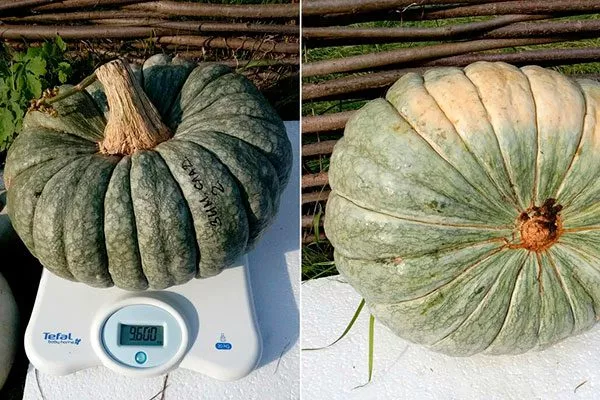
- weight - from 4.2-6.2 kg (with enhanced agricultural technology, the weight of a pumpkin can reach 12 kg);
- segmented surface;
- peel: not thick, bumpy, leathery, dark gray with a spotted pattern of a lighter shade;
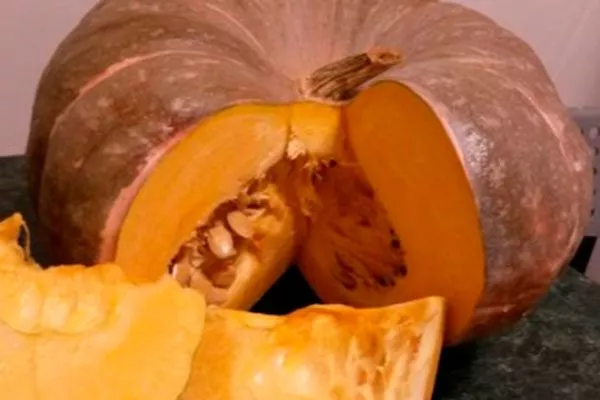
- pulp: orange or yellow-orange, dense, juicy, aromatic, sugary (when overripe it becomes loose);
- seed nest with 3 placentas, open structure, orange, loose;
- Seeds: round-oval, dark yellow in color, with a smooth, shell-like surface.
Main characteristics
In addition to its excellent yield, the Sweet Winter Pumpkin boasts many positive characteristics: productivity, hardiness, cold and drought resistance, undemanding soil conditions, and resistance to stress. It's easy to care for.
Origin and regionality
The variety was developed by Russian breeders G. A. Tekhanovitch and A. A. Azarov, representing the Kuban Research Institute. In 1995, it was added to the Russian Federation State Register and approved for cultivation in the following regions of the country:
- North Caucasian;
- Lower Volga;
- Middle Volga;
- Volga-Vyatka;
- Ural.
Winter sweet pumpkin is intended for private and commercial cultivation, for table consumption, as well as for the canning industry.
This vegetable variety thrives in warm climates with low rainfall and in cold regions where it is grown from seedlings. It produces a high-quality harvest in all weather conditions.
Purpose and taste
The Kuban variety is considered one of the sweetest by gardeners. This pumpkin delights the eater with its high sugar content, juiciness, and wonderful aroma with hints of honey. Its pulp contains many vitamins, particularly carotene, and minerals (potassium, magnesium, zinc, phosphorus, and sodium). It is low in calories.
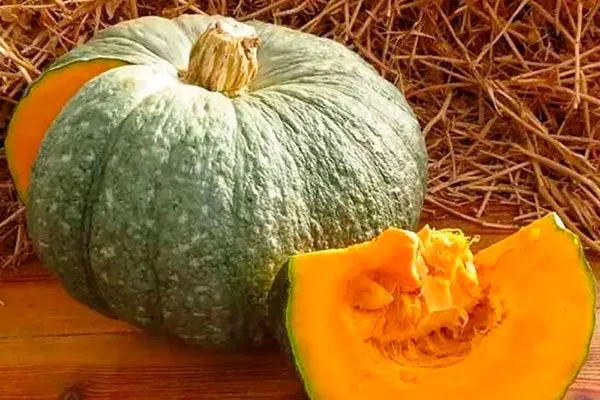
The use of the Winter Late harvest is universal:
- it is baked in the oven;
- extinguish;
- boil;
- added to porridges and soups;
- used in the preparation of baked goods, casseroles, to obtain original jam, preserves, marmalade, and various desserts;
- used in the preparation of baby and dietary food;
- processed into juice, puree;
- canned;
- freeze;
- dried in slices;
- They are placed in a cellar for storage (the harvest lasts for 1 year without losing its sweet taste and beneficial properties).
Productivity, ripening time
Winter Sweet is a prime example of a late-ripening pumpkin variety. Its harvest matures 120-141 days after germination. Gardeners harvest it in September and October. The first fruits can be enjoyed as early as the second half of August.
The Kuban variety is considered high-yielding. Its plant productivity indicators are as follows:
- 14000-24000 kg per 1 ha (for industrial cultivation);
- up to 30 kg per 1 sq. m (when cultivated on a personal plot in compliance with all agricultural technology rules for the crop).
Seedling cultivation technology
This variety, developed by Kuban scientists, is intended for cultivation in open garden plots. Gardeners grow it using seedlings and direct sowing of seeds into the soil in the garden bed. The latter method is preferable for regions with warm climates.
Preparing for landing
Use peat pots purchased from a flower shop to grow pumpkin seedlings at home. They will eliminate the need for transplanting, which can damage the seedlings, and will create the most favorable conditions for them. Reusable containers are also suitable for this purpose:
- general (for mass planting): spacious wooden boxes, containers or plastic;
- individual: plastic pots, glasses.
Before sowing, remember to wash the containers and wipe the inside with alcohol or potassium permanganate solution. Make sure they have drainage holes in the bottom.
A universal substrate purchased at a flower shop is suitable for growing ginger seedlings. It's loose, free of pathogens and parasites, and rich in nutrients. You can also use soil from your garden, enriched with fertilizers (compost/humus, superphosphate).
Seed preparation and sowing
For planting, use high-quality seed material purchased from a reputable seller. Vegetable seeds with good germination rates will meet the following requirements:
- large;
- heavy;
- free from damage and signs of deterioration;
- not old (not expired).
Treat them using a solution of potassium permanganate or Bordeaux mixture. To do this, place the seeds in a canvas bag and place it in a glass of disinfectant. Leave it there for 24 hours.
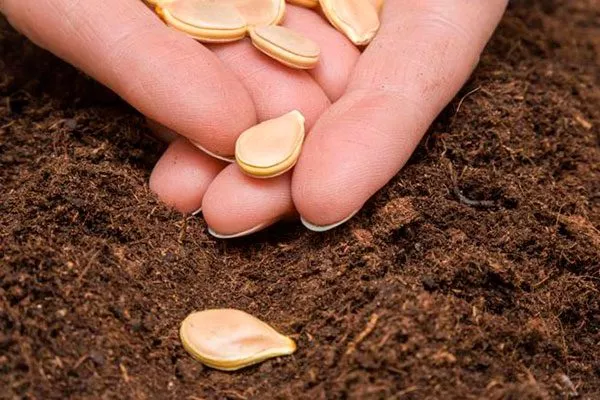
It's a good idea to germinate the seeds. Place them on a plate with several layers of damp cheesecloth in a warm place for 4-6 days. To speed up the process, add a small amount of growth stimulant such as Kornevin or Heteroauxin.
Next, carry out sowing work, following the step-by-step instructions:
- Fill the planting container with substrate.
- Level it. Make furrows or holes in the surface of the soil.
- Plant the seeds in the soil, leaving 5-7 cm between them. If you are planting in cups, place 2 seeds in each hole (the weaker seedling will need to be removed later).
- Cover the pumpkin seedlings with soil. Water the pumpkin seedlings thoroughly and cover them with plastic wrap.
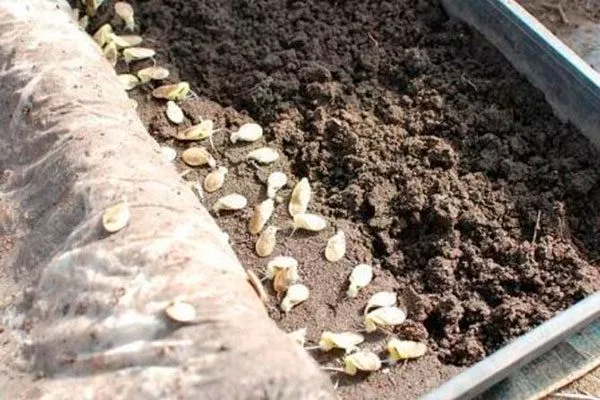
Keep the seed tray in a warm place. The recommended temperature is 18-25°C. At night, it should be reduced to 15-18°C.
Growing seedlings
Once sprouts appear, remove the plastic wrap. Transfer the seedlings to a cool room with a temperature of 15-18°C during the day and 12-13°C at night. Place them in a location with plenty of diffused light. It's best to keep the seedlings near a window (if it faces north, you'll need to provide supplemental lighting with a grow light).
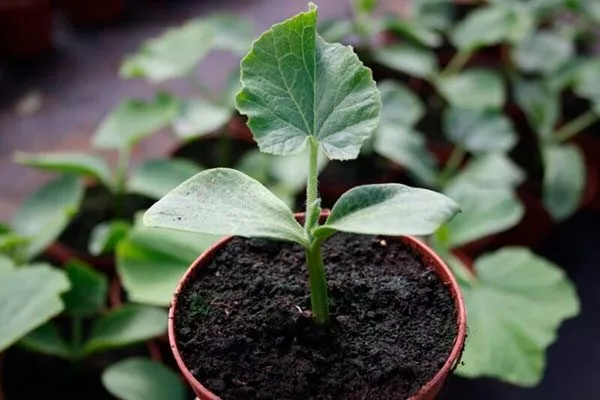
Provide your pumpkin seedlings with quality care, which includes the following procedures:
- moderate watering, carried out with a frequency of once every 5 days (between irrigations the top soil layer should have time to dry out);
- careful loosening of the soil in a box in order to saturate it with oxygen;
- top dressing (apply them every 10 days, alternating the mullein solution with mineral fertilizers such as superphosphate, potassium sulfate);
- hardening (To increase the cold resistance of seedlings, start taking them out into the fresh air for 15-30 minutes a day 2 weeks before “moving” them to the garden).
Selecting a transfer location
Select a suitable spot in your garden for a pumpkin patch. Try to find a site with the following characteristics:
- located on the south side to ensure that the red vegetable bushes receive the maximum amount of sunlight;
- located on an elevation;
- windless and protected from drafts;
- not flooded by groundwater;
- with sandy loam or light loamy soil, loose and fertile, characterized by neutral acidity or slightly alkaline reaction;
- used last season to grow good predecessors of pumpkin: carrots, potatoes, cabbage, beans, tomatoes, onions, garlic.
If your soil is depleted, improve its fertility in the spring by adding organic matter (peat, compost). For sandy and sandy loam soils, a mixture of black soil and humus is preferable. Enrich acidic soil with wood ash or dolomite flour.
When fertilizing the area intended for growing winter squash, don't overdo it with organic and mineral fertilizers. Excess nutrients in the soil will cause the red vegetable to accumulate nitrates and reduce its shelf life (such "overfed" fruits don't store well).
Planting seedlings in the ground
Transplant pumpkin seedlings into the garden when they are 2.5-3 weeks old. Wait until the soil warms to 12°C and the danger of frost has passed. Seedlings ready for transplanting already have 5 leaves and are 15-20 cm tall.
Plant the plants into the bed using the transshipment method, along with the root ball. Follow the pattern:
- the distance between seedlings in a row is 0.6 m;
- row spacing: 0.9-1.1 m.
Remember that the strong, long vines of the Winter Sweet pumpkin require plenty of space to grow and develop. Avoid planting too densely. If your garden soil is heavy clay, plant the pumpkin in raised beds (at least 5 cm high).
Finally, water the soil under the bushes and cover it with a layer of sawdust or wood ash. The mulch will retain moisture and heat in the soil.
Sowing seeds
Plant pumpkins directly from seedlings in May or June. Sow seeds in soil warmed to 10-12°C. Place three sprouted seeds in each hole. Follow one of the following methods:
- 60x60 cm;
- 60x90-110 cm.
Once the seedlings emerge, leave the strongest sprout in the hole. The other two will need to be removed.
Care
The Sweet Winter Pumpkin is easy to grow. It requires standard care. Pay special attention to watering, fertilizing, and hilling the bushes. With strict adherence to proper cultivation practices, the plant will reward you with a bountiful harvest.
Watering and loosening
Planting ginger vegetables requires regular soil irrigation. If the soil dries out too much, the plants suffer, causing flowers and fruit to fall off. Water your garden crop according to these rules:
- at the initial stage of growth, irrigate the bed once every 2-5 days (as the top soil layer dries out);
- water the pumpkin once every 2-3 days while the fruits are gaining weight;
- For 1 plant, use 2 liters of water (in normal weather), on hot and dry days increase the amount of liquid to 2.5-3 liters;
- do not allow moisture to stagnate in the garden bed;
- use settled warm water for moisturizing;
- Moisten the soil under the plants in the morning or evening to prevent them from getting sunburned;
- water the Winter Sweet bushes at the roots;
- Make sure that drops do not fall on leaves, fruits and stems;
- 14 days before harvesting fruit from the garden, stop watering the plants.
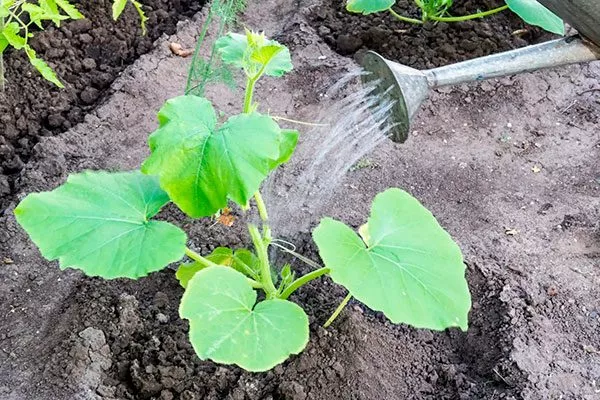
After each watering or rain, loosen the soil under your vegetable plants. This prevents the formation of a dense soil crust that prevents air and moisture from reaching the roots. While cultivating the soil, remove all weeds from the garden bed, as they can harbor pests.
Fertilizing pumpkin plants
The Winter Sweet variety is considered a high-yielding variety. Regular fertilization ensures maximum productivity. Ripening pumpkins require additional nutrition.
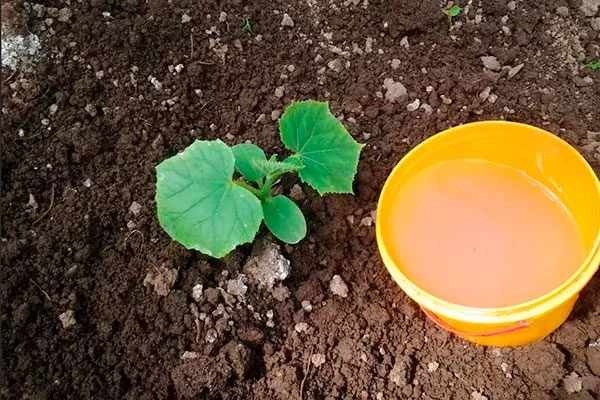
Gardeners consider the following to be the best fertilizers for pumpkin bushes:
- ammophoska (20 g of substance per 10 l of water);
- wood ash (to fertilize 1 bush, add at least 250 ml of dry powdered substance);
- cow manure dissolved in water (1:10) or bird droppings (1:20), using 10 liters of liquid fertilizer for 5-6 plants;
- herbal infusion diluted with water in a ratio of 1:10;
- potassium monophosphate dissolved in water (10 g of substance per 10 l).
To achieve positive results, fertilize your pumpkin planting according to the following schedule:
- 2 weeks after “relocating” the seedlings to the garden bed, water them with a solution of mullein or ammophoska;
- 14 days after the first feeding, apply the herbal infusion (fertilize the plants with it every 2 weeks until the ovaries appear);
- During the period of fruit formation, feed the pumpkin with a potassium solution (apply it twice, keeping an interval of 2-3 weeks between treatments).
Hilling up plants
As vegetable plants grow and develop, their roots begin to become exposed. This is especially noticeable after watering. Hilling can help solve this problem. Rake the soil toward the base of the plant, forming a mound.
Carry out the care procedure within the following timeframes:
- during the period of appearance of the first buds;
- after pinching the tops of the shoots;
- when removing excess ovaries (leave no more than 3 pumpkins on each bush to obtain larger and tastier fruits).
Features of cultivation and possible difficulties
When cultivating the Winter Sweet variety, consider some of the nuances of this process, as well as possible complications:
- After 2-3 long shoots have formed, begin shaping the pumpkin bush: remove small side shoots, pinch off the top (this procedure promotes the proper development of pumpkins);
- if the vines start to get tangled, straighten them out, lay them on the ground and secure them in several places by sprinkling them with soil;
- Do not overuse mineral fertilizers, avoid excess nitrogen, which causes curling and yellowing of leaves, and calcium, which weakens the roots (incorrect application of fertilizers provokes crop diseases);
- When growing pumpkins in a greenhouse, ventilate the shelter daily (protected soil is characterized by heat and high humidity—factors that promote the development of pathogenic microflora).
Growing tips from experienced gardeners
For those new to vegetable gardening who aren't familiar with all the nuances of successfully growing pumpkins, recommendations from gardeners with many years of experience will be helpful:
- Before planting the red vegetable, lime the soil in the bed or sprinkle it with wood ash to solve the problem of increased acidity (the crop prefers neutral or slightly alkaline soil);
- harden the seeds before sowing them for seedlings to obtain stronger and more viable seedlings (experienced gardeners place the seeds in the freezer for 2-3 days for this purpose);
- Grow pumpkin seedlings in peat tablets or pots (the crop does not tolerate transplanting well);
- Immediately after transferring the pumpkin seedlings to an open bed, cover them with plastic film to protect them from frost and rain;
- Use water warmed to +20°C to water the red vegetable planting;
- don’t be lazy and let the water intended for irrigating pumpkin plants settle (you can’t use tap water);
- water the bed with rain or well water, pre-warmed in the sun;
- Place wooden planks under large fruits to prevent them from rotting;
- pumpkin responds well to fertilizer prepared from fish waste and seaweed;
- Of the mineral compositions, potassium-containing ones are best suited for the crop;
- After pumpkin flowers appear on the bushes, treat them with a composition containing boron, which promotes better pollination and the formation of fruit ovaries.
Possible diseases and pests, ways to get rid of them
This pumpkin variety has good immunity against powdery mildew and anthracnose. It is not immune to other vegetable diseases. With poor care and unfavorable weather conditions, its bushes suffer from the following infections:
- viral mosaic;
- fusarium;
- downy mildew;
- root, gray rot.
The following measures help gardeners prevent diseases when planting red vegetables:
- moderate application of fertilizers (mineral compositions);
- watering a pumpkin bed with an ash solution;
- preventing over-watering of the soil under the bushes and the formation of an air-impermeable crust on it;
- weeding, removing plant debris from the garden;
- compliance with crop rotation standards;
- prevention of thickening of plantings and regular bush formation;
- preventing contact of fruits with the soil in the garden bed;
- seed treatment before sowing;
- destruction of diseased bushes in the garden bed;
- control of insects that carry infections;
- Preventive treatment of bushes with a biopreparation based on Trichoderma.
If your plants show signs of disease, treat them with fungicides:
- Planzir or Previkur - against peronosporosis;
- Fundazole - for root rot;
- Topsin-M, Maxim, Fundazol - against fusarium;
- any systemic fungicide (Skor, Quardis) or a sulfur-based preparation (for example, colloidal sulfur) - against gray rot.
Unfavorable growing conditions and care errors contribute to the infestation of Winter Sweet beds by pests:
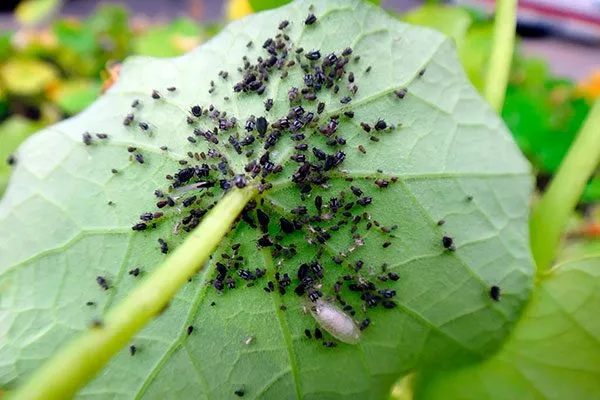
- melon aphid;
- spider mite;
- wireworm;
- slugs.
Regularly inspect your plants to detect pests early. The following measures will help you combat insect attacks:
- From spider mitesTo combat this particular nuisance, which is especially troublesome when planting red vegetables in the heat, treat the bushes in the evening with an infusion of onion peels or garlic. Use chemicals such as Karbofos and Kelthane.
- From melon aphidsRegular weeding and attracting ladybugs to your garden will help prevent these insects, which feed on plant sap and carry infections. If your crop is infested by these insects, use insecticides such as Actellic, Karbofos, or Trifos.
- From slugs, To combat damage to young foliage and the destruction of fruit buds, the following procedures can help: loosening the soil and dusting the beds with ash or tobacco dust. Of the commercial products, use Mega and Groza. Superphosphate granules also produce good results.
- From wireworm larvaeTo combat pests that can destroy pumpkin seedlings and damage roots and stems, use bait. Use slices of raw potato, beetroot, or sweet turnip. If the infestation is severe, spray the soil under the pumpkin plants with Bazudin.
Storage and collection
To accurately determine whether the fruit is ready for harvest, look at the condition of the stem. It's considered fully ripe when the stem is dry. It's acceptable to harvest earlier. Hurry before the cold weather sets in. Pumpkins won't spoil at -3°C, but their shelf life will suffer.
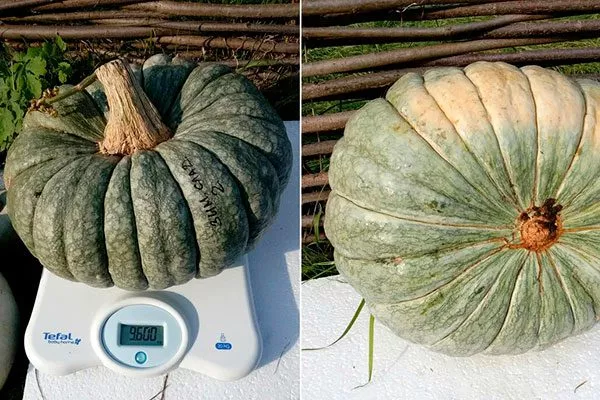
Harvest pumpkins intended for long-term storage by harvesting them from the bushes, stems included. The pumpkin skins should be intact and healthy, free of any defects. After harvesting, leave them in a dry place under cover for 14 days. Then, store them in a cellar. The temperature there should not exceed 15°C.
The optimal conditions in a vegetable storage facility to ensure good storage of pumpkins are as follows:
- air humidity - 75-80%;
- temperature range - +5-8°С;
- lack of access of sunlight to fruits;
- good ventilation.
Don't wash Winter Sweet pumpkins intended for long-term storage. If their surface is dirty, gently wipe it with paper towels. Be careful not to scratch the skin. Don't store pumpkins near other garden produce that produces ethylene. Otherwise, they will spoil quickly.
Pros and cons
The varietal variety of the crop has many advantages that make it popular among domestic gardeners:
Reviews
Winter Sweet is a popular late-ripening pumpkin variety native to Kuban. Domestic gardeners love it for its high yield, hardiness, very sweet flesh, rich nutritional content, and excellent shelf life. Its fruits make delicious dishes, especially desserts.