
The Pearl pumpkin is a mid-season variety, producing juicy and delicious fruit. It's suitable for both open-field and greenhouse cultivation. Read on for more information about the variety's characteristics.
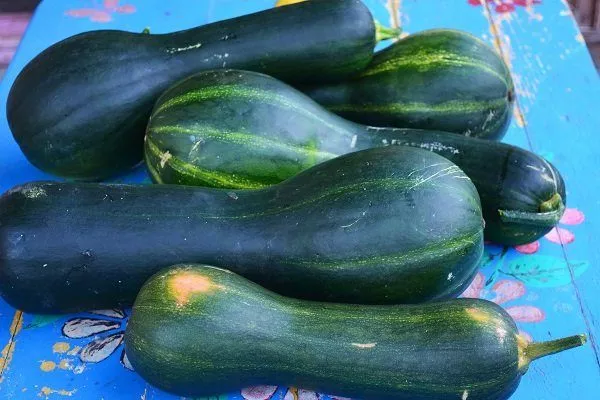
The Pearl Pumpkin contains a small amount of seeds.
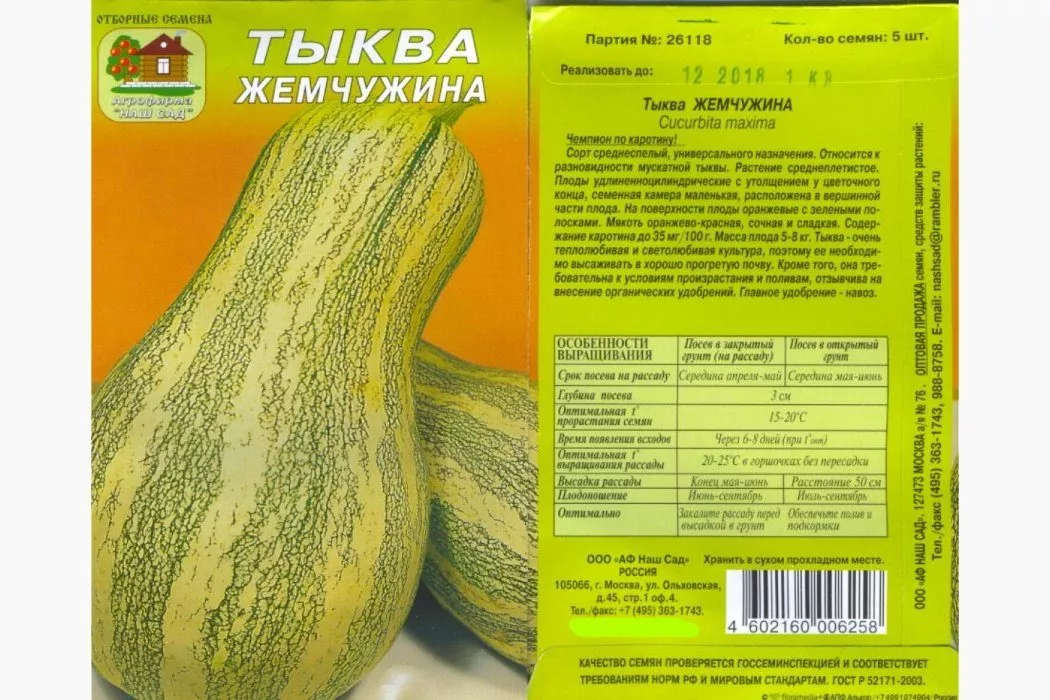
Pumpkin Pearl
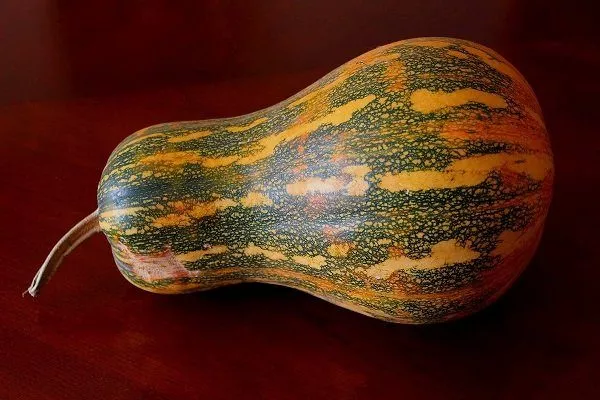
The Pearl pumpkin is cold-resistant.
Description and characteristics of pumpkin
From the moment the seed is planted to the moment the fruit is harvested, it takes about 100 days, sometimes even longer (up to 130 days). The ripening period for the Pearl pumpkin depends directly on the growing region and the care provided.
Appearance
This variety has short vines, and the plant is small but vigorous. A single bed produces four to seven lateral vines.
Fruits: size, taste, color
The fruit is often long and cylindrical, though round, oval, and ribbed pumpkins are also sometimes found. The most prized form is pear-shaped, with a slight thickening at the top. This is where the small seed chamber resides, while the rest of the vegetable is edible pulp.
The fruit is quite large, almost always reaching 0.5 m in length and weighing approximately 6-7 kg. The color ranges from gray-green to bright orange.
The skin is very thin and easily damaged, so pumpkin is suitable for transportation, but it is necessary to transport vegetables with extreme care, otherwise the harvest will spoil.
The flesh of the fruit is fibrous, juicy, dense, and slightly crunchy. The Pearl pumpkin can be used in many culinary dishes. The leaves are small, pentagonal, and undissected. The color is deep green with small white spots.
Productivity
With proper care and adherence to all agricultural practices during planting, approximately 14 kg of harvest can be obtained from 1 square meter. The warmer the growing area, the richer the harvest.
Yield depends on weather, soil, and air temperature. Fertile soil, pre-planting seed preparation, watering, and regular fertilization are also important.
Resistance to pests and diseases
This pumpkin variety suffers from the same diseases as other melons. The most dangerous of these are anthracnose, root rot, and powdery mildew. The main preventative measures against these diseases are crop rotation and seed preparation before planting.
The Pearl pumpkin also suffers from pests, most commonly melon aphids, spider mites, and mole crickets. These can be controlled with chemicals, but folk remedies also show good results. For example, melons can be sprayed with an infusion of onions and garlic. Ash or soap diluted in water can also be used.
Advantages and disadvantages of the variety
This pumpkin variety, like other plants, has its pros and cons, which must be taken into account when growing the crop.
Advantages of the variety:
- resistance to severe drought and heat;
- resistance to cold and sudden temperature changes;
- excellent taste of the fruit;
- convenient fruit shape for storage and culinary use;
- a small amount of seeds and a large amount of pulp;
- high nutritional value of the product;
- good transportability and long-term storage capabilities.
This pumpkin variety doesn't have any particularly pronounced downsides, but gardeners have been able to identify minor flaws in the Pearl:
- weak immunity;
- the need for good care and regular feeding of the soil with useful substances;
- decrease in taste during long-term storage of fruits.
Growing the Pearl pumpkin
This pumpkin isn't a completely undemanding variety; it does require proper planting and care. Growing the plant doesn't require much effort, but standard guidelines should be followed.
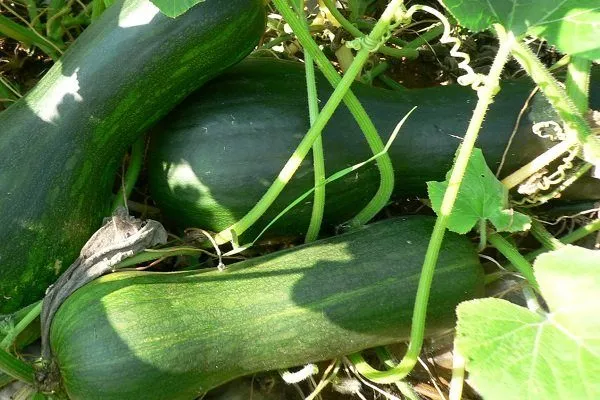
Growing period and conditions
It is better to grow the seeds first as seedlings and then transplant the sprouts. into open groundForcing begins at the end of April, literally 30 days before the expected day of transplanting the pumpkin to its permanent location.
To ensure successful plant development in open soil, it's important to time the transplanting process correctly. The ideal temperature for plant growth and harvest is considered to be between 17ºC and 24ºC.
One of the most important conditions in the process of growing Pearl is the correct location, which must meet the following requirements:
- illuminated and warm area;
- no drafts;
- soil with sandy loam or loamy soil.
Preparing the garden bed
Algorithm for preparing a garden bed:
- Dig holes, leaving a distance of about 1.2 m between them.
- The beds should be located at a distance of about 1.5 m from each other.
Seed preparation
Preparing the seed is an important step in pumpkin germination. Follow these steps to process the seeds:
- Soak the grains for 20 hours in water with potassium permanganate (proportion: 500 ml of the product per 1 liter of water).
- Rinse the seed material under water.
- Dry the grains.
- Treat the seed material with special agents against diseases and pests; without their use, the plants may not sprout or may die.
Prepare the seeds immediately before planting.
Sowing seeds
The Pearl pumpkin variety is planted using two methods:
- For seedlings.
- Directly into open soil.
Plant seeds in open ground at the beginning of summer, and to obtain seedlings – in April.
Seed sowing algorithm:
- Make holes for seeding.
- Place 2 grains per hole at a depth of approximately 4-5 cm.
- Once the seedlings emerge, thin them out. Leave the strong seedlings to grow and remove the weak ones.
- When growing from seedlings, a month after sowing the seeds, transplant the plants into open soil.
Caring for the Pearl pumpkin
Young plant shoots grow well with good and regular care. If the summer weather is too cold, the stems should be trimmed back, leaving no more than three on the plant.
As soon as the pumpkin reaches 0.5 m, cut off the top; this procedure will allow for faster growth and development of lateral shoots.
How to water correctly?
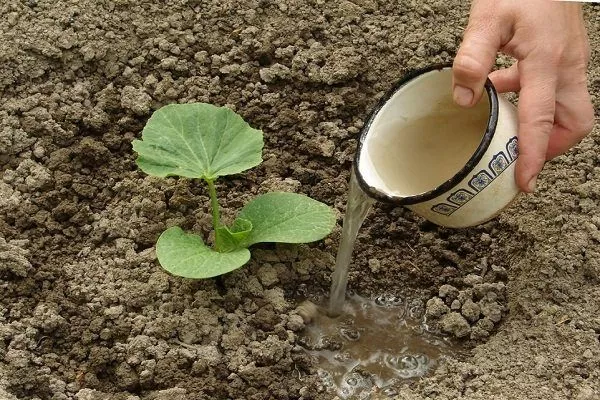
The Pearl pumpkin tolerates drought well, but it is considered a moisture-loving variety. It requires watering approximately once every 7-10 days - approximately 0.5 buckets of water per bush.
The main stages when watering is needed:
- During the formation of inflorescences.
- During the flowering period.
- During fruit formation.
After fruit set, reduce watering frequency by half. Too much water can cause pumpkins to lose flavor and increase the risk of cracking.
Fertilizing
The first one top dressing Fertilizer is applied during planting: mineral fertilizer and compost (4 tablespoons per 10 kg) are added to the hole. In June and July, fertilizer is applied twice a month; it consists of a 1:6 solution of cow manure and a mineral fertilizer complex (1.5 tablespoons). In August, only potassium fertilizer is used for pumpkins.
If you plant a pumpkin next to a compost pit, the plant's yield will increase by 2-3 times.
Formation
Formation is achieved by covering the branching internode. To promote the development of the above-ground portion of the plant, the internodes need to be lightly covered with moistened soil. This procedure will promote the development of numerous adventitious roots; covering should be done twice per season.
Pollination
Pollination occurs normally if the main requirements are met:
- Maintaining humidity at one level (60-70%).
- Maintaining a stable air temperature (+20 ºC and above).
- ✓ Maintain air humidity within 60-70% for better pollen adhesion.
- ✓ Ensure the air temperature is not lower than +20°C for the activity of bees and other pollinators.
Harvesting and storing pumpkins
Harvest in sunny, windless weather. Avoid breaking off the stems of the fruits; they should be 6-11 cm long. After harvesting, keep the pumpkin in the sun for about 4 days to ensure proper ripening.
Store the pumpkin in a cellar or basement, but try to use it within 5-7 months after harvesting, otherwise it will lose its taste.
Diseases and pests
The most dangerous diseases and pests for the Pearl pumpkin:
- Bacteriosis. Brown spots begin to appear on plants, which eventually develop into ulcers. The affected plant must be completely destroyed, and adjacent plants must be treated with Bordeaux mixture or copper sulfate.
- Root rot. This is a fungal root infection that ultimately results in complete crop failure. The disease is controlled with a Previcur solution; the pumpkin is covered with moistened soil until new roots emerge.
- Powdery mildew.This is a fungus that appears on plants due to excessive moisture, low temperatures, and excess nitrogen. Treatment includes sodium hydrogen phosphate and cumulus.
- Spider mite. It appears on pumpkins during dry periods and is sensitive to water. It can be controlled with a solution of isophene or ground sulfur.
- Melon aphid. It's applied to the underside of the leaves. The only reliable remedy is malathion.
It's possible to get rid of these various ailments, but it's best to prevent them from occurring in the first place. To do this, take a number of preventative measures: remove affected plants, avoid overwatering, treat for pests, and regularly weed the beds.
Reviews of the Pearl pumpkin
The "Zhemchuzhina" pumpkin variety has won the hearts of vegetable growers, combining low-maintenance care with cold hardiness, drought tolerance, and the ability to withstand extreme temperatures. It produces truly tasty and healthy fruits.
Length meter
😀 What a giant!