
Green pumpkin is a variety of gourd, and its color doesn't indicate immaturity. It comes in a variety of varieties, including decorative ones, used for decorating yard and home decor. The green color is typical of the peel, while the flesh can be orange, yellow, white, and other colors. The surface is usually covered with blotches or stripes of a different hue.
Description of green pumpkin
Unripe pumpkins of other varieties develop a different color over time (typical for the variety). Green pumpkins do not change color, as this is their natural color.
General characteristics of green pumpkins:
- the pulp is juicy, sugary and slightly fibrous;
- the taste is usually sweet, the aroma is pronounced;
- the color of the pulp is most often rich orange or yellow;
- purpose - preparation of dishes, desserts, juices, baby food;
- plant type - creeping;
- the root system is powerful, with a main stem up to 3 m and lateral shoots that spread laterally over an area up to 5 m in diameter;
- leaves are large, pentagonal, green;
- shoots with thorns and hairs;
- average vine length from 5 to 8 m;
- fruit weight from 10 to 15 kg;
- the surface of the pumpkins is rough, bumpy or smooth, quite dense;
- shape: round, pear-shaped, oval.
In the final days of the growing season, green varieties become lighter in color, with stripes and various specks forming on their surface.
Green pumpkins are classified as annuals and perennials. Based on the growth pattern of the above-ground portion, they are classified as follows:
- Long-lashed species. The shoot always spreads along the ground, with the main shoot being the longest. It produces numerous lateral shoots. To save space, gardeners train the vines along fences, supports, and other structures where the tendrils can cling.
- Bushy species. The shoots are short (up to 2 m), with lateral shoots either absent or few, and the internodes located close to each other. It grows solitarily in open beds.
Hard-barked varieties
The Latin name for hard-shelled varieties is Cucurbita pepo. This variety is characterized by rapid ripening and excellent flavor of its seeds, which may be shellless. Disadvantages include weak sweetness and a short shelf life. storage period.
| Name | Ripening period (days) | Plant type | Pulp color |
|---|---|---|---|
| Freckle | 90-100 | Bushy | Light orange |
| Miranda | 110-115 | Long-lashed | Orange |
| Gribovskaya-189 | 80-95 | Bushy | Bright yellow |
| Acorn | 80-90 | Bushy | Orange |
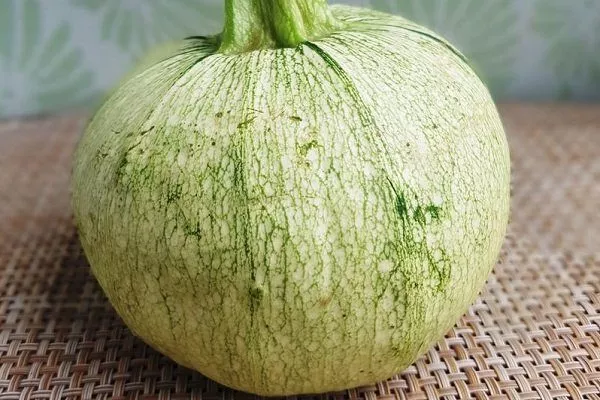
Freckle
A bush pumpkin, classified as an early-maturing variety. It reaches technical maturity in 90 to 100 days. It's considered compact (it doesn't take up much space in the garden).
Description:
- shape is rounded-flattened;
- pulp characteristics: light orange, juicy and tender structure, with a pear flavor;
- Features of the fruit: light green color, freckled spots of a pale yellowish hue on the surface;
- weight from 0.8 to 2.0 kg;
- The preferred growing region is St. Petersburg, the Moscow region and other regions with frequent rains and temperature fluctuations;
- application - for all purposes, but if you make juice, you will have to add sugar;
- Feature: Increased resistance to cold.
Miranda
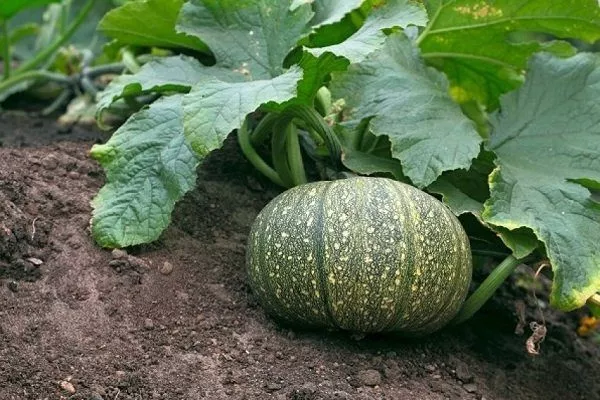
This variety belongs to the gymnosperm group, a mid-season variety (ripening period 110–115 days). The vines are long—up to 7 m—and spread along the ground.
Description:
- the shape is round;
- pulp characteristics: orange hue, increased juiciness;
- Features of the fruit: rich green color with white specks (resembles marble);
- weight - 3-4 kg;
- preferred growing region - any climatic conditions;
- application - since the variety is sweeter than other hard-barked ones, it is used for baby food and making desserts;
- Feature: Increased resistance to low temperatures (down to -2°C), not used for seedling cultivation (exception only in the Northern regions).
Gribovskaya-189
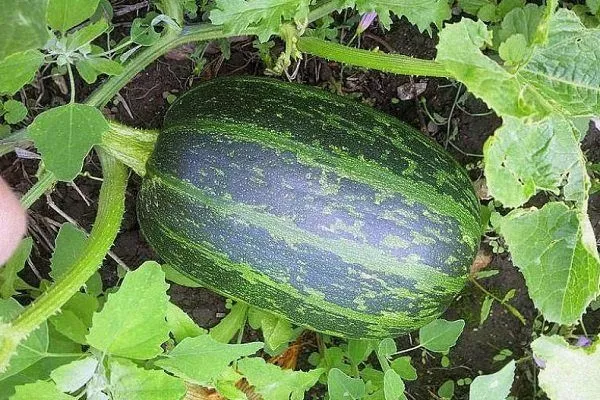
This is an early-ripening variety. Harvest occurs in 80–95 days. The variety is bushy (the vines do not spread).
Description:
- elongated shape like a zucchini;
- pulp characteristics: bright yellow hue with classic pumpkin flavor and aroma, dense structure;
- Features of the fruit: the peel is dark green, but if stored at room temperature, it turns yellow;
- weight from 2.5 to 5.5 kg;
- preferred growing region: Siberia, Urals;
- application - standard;
- Feature: frost-resistant, can be planted using seedlings, and is resistant to pests and diseases.
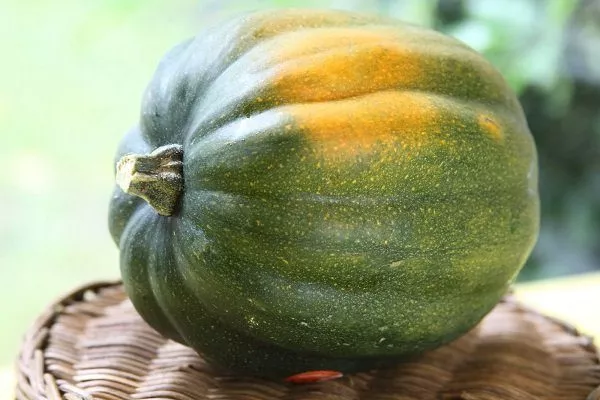
Acorn
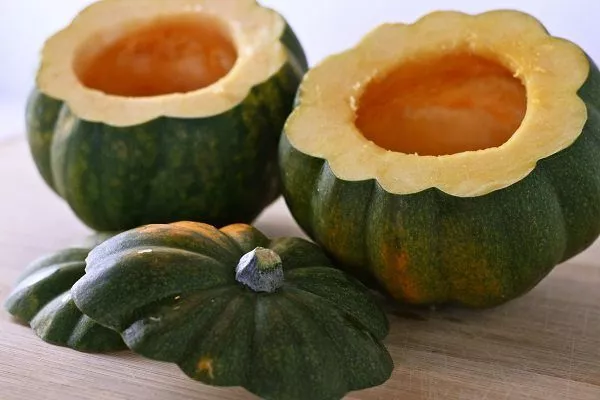
Belongs to the acorn squash family. It is considered a fruit squash due to its high sweetness. It is considered a potato due to its high starch content. It is considered a winter squash. It matures in 80–90 days.
Description:
- acorn-shaped form;
- pulp characteristics: orange color, zucchini and nutty flavor;
- Features of the fruit: ribbed surface, color varies from light to dark green;
- weight 700–900 g;
- regions with cold climates are preferred for cultivation;
- application - for desserts;
- Feature: grown only by seedlings.
Large-fruited species
The Latin name is Cucurbita maxima. This variety is popular due to its high yield, sweetness, large size, and long shelf life, even in warm conditions.
| Name | Ripening period (days) | Plant type | Pulp color |
|---|---|---|---|
| Farmer's woman | 90-130 | Long-lashed | Bright yellow |
| Hubbard | 100-155 | Long-lashed | Bright orange |
| Dawn | 100-115 | Long-lashed | Bright orange |
| Gymnosperms | 120 | Long-lashed | Light green |
| The Frog Princess | 120-130 | Long-lashed | Yellow |
| Wax | 130-150 | Long-lashed | Pale milky |
| Fig-leaved | 110-115 | Bushy | White and green |
| Medicinal | 100 | Bushy | Orange |
Farmer's woman
This is a mid-season variety. Technical maturity occurs in 90–130 days, depending on the weather. It is considered a long-vine plant, as the vines reach up to 8 meters in length. It is renowned for its excellent shelf life and transportability.
Description:
- cylindrical shape;
- pulp characteristics: bright yellow, medium sweet, juicy and crispy;
- fruit characteristics: dark green color;
- weight from 7 to 11 kg;
- there are no special regional preferences;
- universal application;
- Feature: Cold resistance.
Hubbard
This is a large-fruited variety with a muscat flavor. The fruits ripen in 100–155 days.
Description:
- pear-shaped;
- pulp characteristics: bright orange in color, but dry, with a nutty flavor;
- Features of the fruit: dark green rind with slight ribs;
- weight from 8 to 10 kg;
- grown everywhere;
- application - preparation of dishes, desserts;
- there are no special features when growing (standard for pumpkin crops).
Dawn
Considered a mid-early variety, it reaches technical maturity in 100–115 days. The vines are strong and long.
Description:
- shape is rounded-flattened;
- pulp characteristics: bright orange color, firm structure, sweet, but not juicy;
- Features of the fruit: the surface is segmented, the shade is light grayish-green, upon reaching full ripeness, pink or yellow spots appear;
- weight from 5 to 7 kg;
- grown in all climatic zones;
- application - baby food, since the variety contains predominantly carotene;
- Feature: resistance to bacterial rot and powdery mildew.
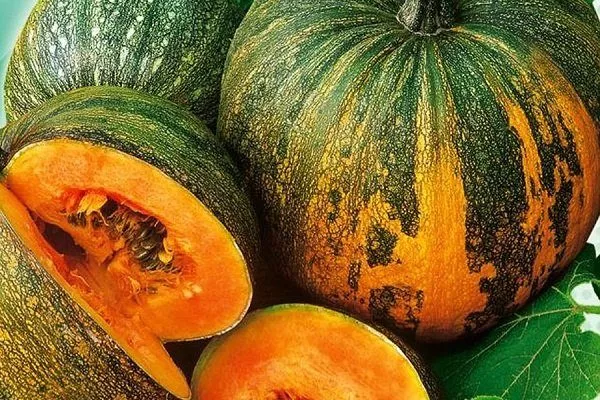
Gymnosperms
Pumpkin is characterized by It has just one vine, reaching up to 14 meters in length. It ripens in 120 days (mid-season variety), and has a large number of seeds. A unique feature is that the seeds do not contain a protective shell.
Description:
- round shape;
- pulp characteristics: light green color, sweet taste;
- Features of the fruit: green skin with vertically arranged orange stripes and light spots;
- weight - 7-9 kg;
- preferred growing region: from the South to Eastern Siberia;
- use - for cooking, but mostly for collecting seeds;
- feature - requires mandatory pinching.
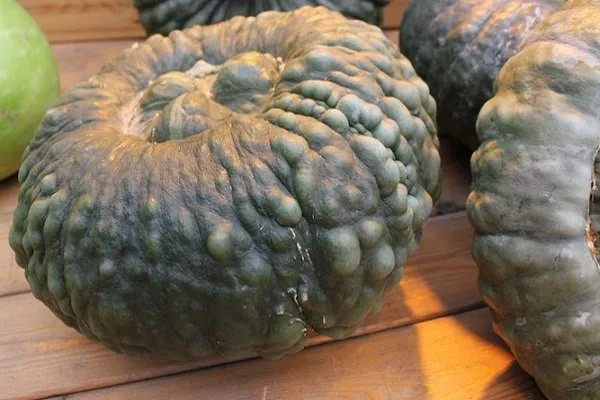
The Frog Princess
This is a mid-late variety, with harvest time reaching 120–130 days. It belongs to the long-vine variety.
Description:
- turban-shaped;
- pulp characteristics: yellow in color, medium juiciness, but crispy;
- fruit characteristics: the surface is segmented, bumpy and wrinkled, the shade is green, but varies from grayish to dark;
- weight from 4 to 7 kg;
- preferred growing region - Central Russia, South;
- universal application;
- The variety is undemanding to growing conditions.
Wax
The pumpkin's distinctive feature is the waxy coating on the surface of the fruit. Ripening time is 130 to 150 days. The stems are thick, and the vines are long.
Description:
- elongated shape;
- pulp characteristics: pale milky color, sweet and juicy;
- Features of the fruit: bright green color, hard shell, smooth surface;
- weight from 10 to 15 kg (length reaches half a meter);
- regionality is not important;
- application - baking;
- Feature: does not require specific conditions.
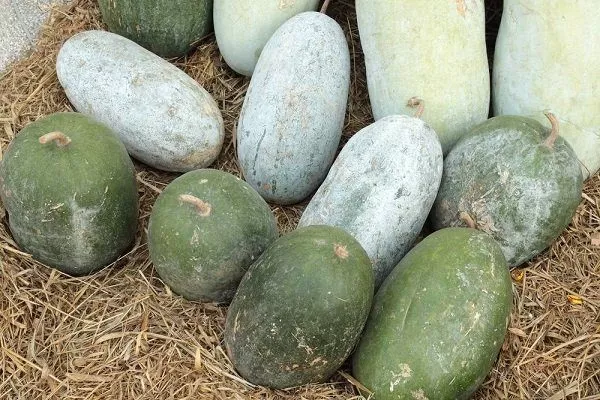
Fig-leaved
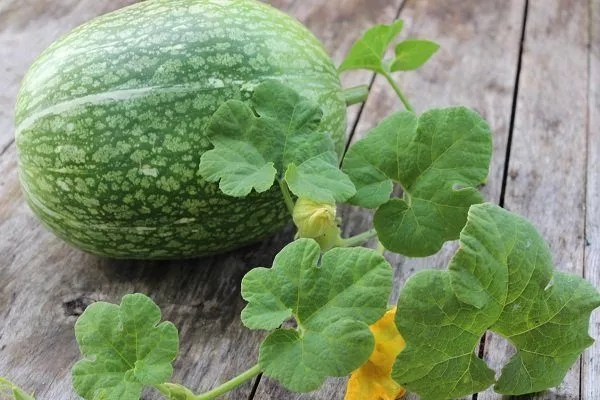
The fruits ripen in 110–115 days. The bush is compact, but the main vine is long.
Description:
- oval shape;
- pulp characteristics: juicy, very sweet, white-green color;
- fruit characteristics - it resembles a watermelon in appearance, as the dense dark green skin has watermelon-shaped spots of a light shade, the surface is warty;
- weight - 3-6 kg;
- grown everywhere;
- universal application;
- Features: easily tolerates cold, heat, drought, can be planted in the shade, but is often susceptible to fungal diseases.
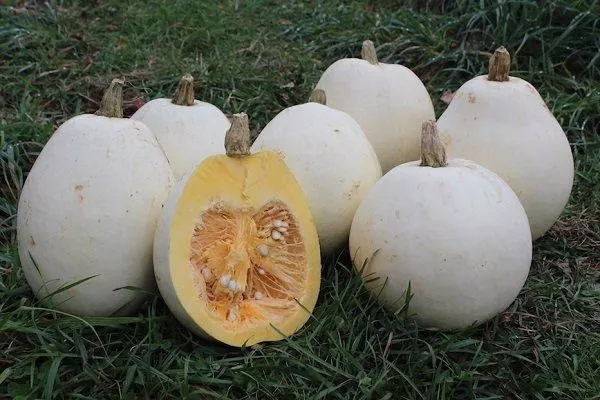
Medicinal
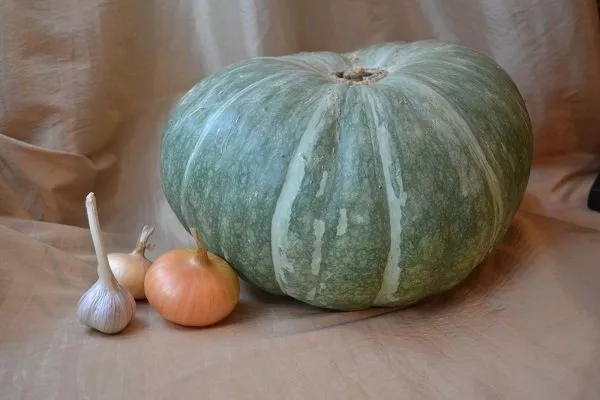
A high-yielding, mid-early variety (the crop is ready for harvesting on the 100th day). The main and side shoots are short. Feature medicinal pumpkin — used for gastrointestinal diseases and obesity.
Description:
- flattened shape;
- pulp characteristics: crispy and juicy, sweet and tender, orange;
- fruit characteristics: slightly segmented surface, greyish-green hue with light stripes;
- weight about 5-6 kg;
- preferred growing region: Urals, Siberia, Central Russia;
- application - juice, desserts, purees, casseroles;
- There are no special features when growing.
Muscat varieties
The Latin name is Cucurbita moschata. These varieties are considered elite and the most delicious of all varieties (their flavor is reminiscent of nutmeg). Absolutely all species are versatile and suitable for warm climates. When grown in the central zone, seedlings are used.
| Name | Ripening period (days) | Plant type | Pulp color |
|---|---|---|---|
| Vitamin | 130 | Long-lashed | Fiery orange |
| Marina di Chioggia | 135-150 | Long-lashed | Yellowish-orange |
| Augustine | 100-105 | Long-lashed | Yellowish |
| Family | 135 | Long-lashed | Orange |
Vitamin
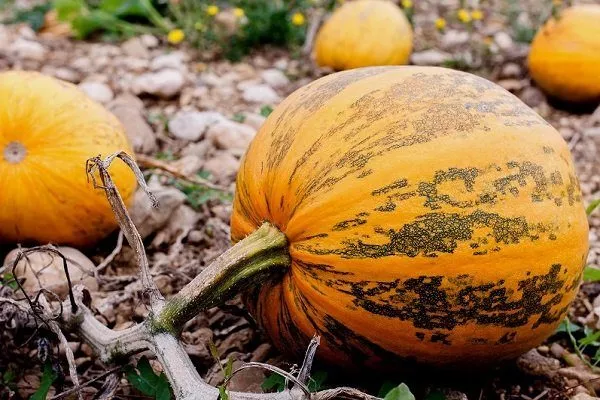
The ripening period is mid-late – the pumpkins reach technical maturity in at least 130 days. Vitamin pumpkin It is distinguished by its elongated stem and the pulp has a high content of vitamins, especially carotene.
Description:
- the shape is round or elongated;
- pulp characteristics: it tastes like melon, and is almost red (fiery orange) in color;
- Features of the fruit: the surface is slightly ribbed, green with yellowish blotches (if picked unripe and left in a warm room, the peel will acquire a brown or yellowish tint), the rind is thin;
- weight - 4-7 kg;
- Preferably grown in warm and moderately warm climates;
- application is varied;
- Feature: It is advisable to plant using seedlings (except in the South), and after transplanting, it is necessary to cover with plastic film for 1–2 weeks.
Marina di Chioggia
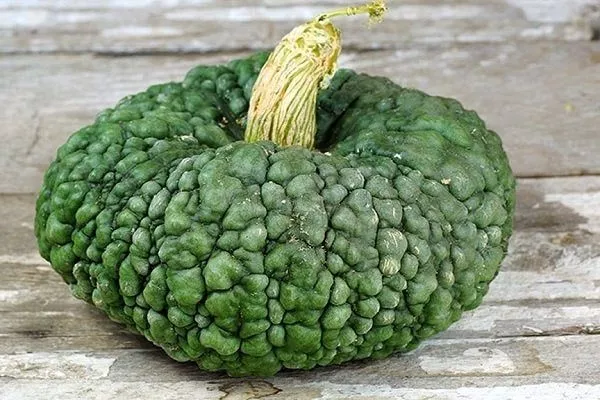
This variety was developed by Italian breeders. It is considered late-ripening (technical maturity occurs in 135–150 days). It is a long-vine plant. Its unusual shape makes it popular as an ornamental pumpkin.
Description:
- turban-shaped;
- pulp characteristics: yellowish-orange, sweet and thick, but starchy;
- fruit characteristics: wrinkled and bumpy rind with a green tint and a bluish coating;
- weight - 10-14 kg;
- has no regional preferences;
- Application: Excellent for fresh consumption;
- Feature: requires increased fertility and looseness of the soil.
Augustine
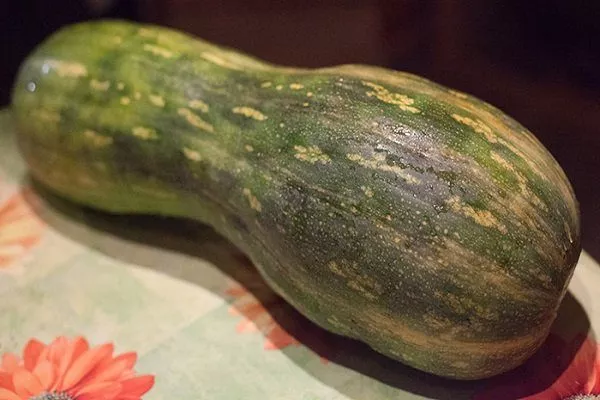
This pumpkin is a long-vine, early-ripening variety. It ripens in 100–105 days.
Description:
- the shape is cylindrical, but there is a slight constriction and widening at the flower scar;
- pulp characteristics: yellowish and crispy, medium juiciness and density, some fibers;
- fruit characteristics: the surface is smooth, but with a waxy coating and light inclusions, dark green;
- weight from 4 to 6 kg;
- grown in all climatic zones;
- application - for salads, porridges, mashed potatoes;
- Feature: the variety is prone to fungal diseases, requires a lot of space, and easily tolerates sudden temperature changes.
Family
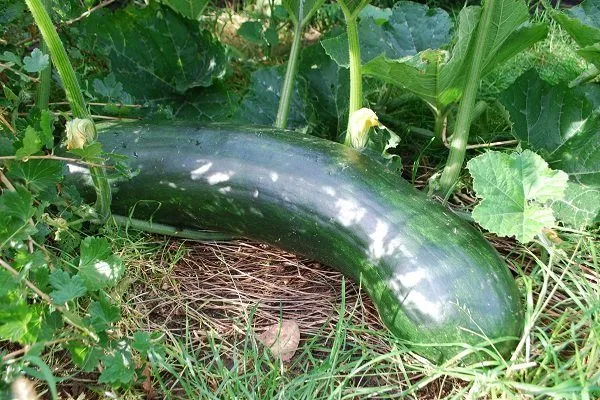
This is a late-ripening variety, maturing in at least 135 days. The vines are long and stiff. The seed chamber is very small.
Description:
- cylindrical-elongated shape;
- pulp characteristics: crunchy, medium juiciness, high density, pumpkin flavor, orange color;
- fruit characteristics: dark green color with a waxy coating;
- weight from 8 to 16 kg, but there are giant specimens weighing 30–35 kg;
- prefers only southern latitudes, but seedlings can also be grown in more temperate regions; prohibited in the North;
- universal application;
- Feature: drought resistance.
Sweet green pumpkin
Sweet pumpkins get their name from their high sugar content—around 15%. Despite these figures, the product is considered dietary (the calorie content doesn't increase significantly).
Another feature is its versatility. Sweet varieties are even eaten raw.
| Name | Ripening period (days) | Plant type | Pulp color |
|---|---|---|---|
| Baby | 80 | Bushy | Orange |
| Sweet tooth | 85-95 | Bushy | Orange |
| Barn | 120 | Bushy | Orange |
| Azure | 100-120 | Long-lashed | Bright orange |
| Winter sweet | 110 | Long-lashed | Orange |
Baby
An early-ripening variety, the harvest begins in 80 days. Bushy habit, shortened stems.
Description:
- flattened shape;
- pulp characteristics: medium juiciness and density, crunchy, orange in color;
- Features of the fruit: grey and brownish shades are present on a dark green background;
- weight from 2 to 3 kg;
- preferred growing region: Moscow region;
- universal application;
- There are no special features when growing.
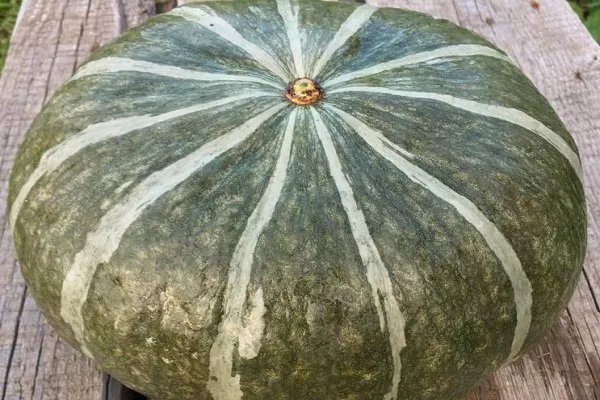
Sweet tooth
A high-yielding pumpkin variety that ripens 85–95 days after sowing. A distinctive feature is the green skin color that remains virtually unchanged over time. The vine is medium.
Description:
- the shape is round;
- pulp characteristics: orange hue, very sweet, but not very juicy, with a high starch content;
- Features of the fruit: smooth and ribbed green surface;
- weight - 5-7 kg;
- preferred growing region - climate with high humidity, middle zone;
- application - used for any purpose;
- Feature: prefers a humid environment, but does not die in drought (short-term).
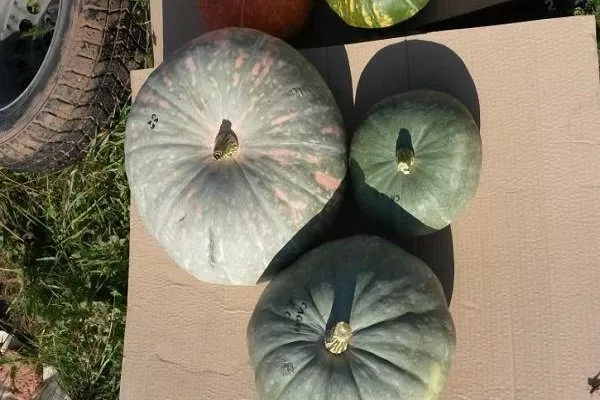
Barn
Considered the most delicious and easy-to-grow mid-season variety, it ripens 120 days after planting. The main stem is approximately 7 m long, and the seed chamber is large.
Description:
- the shape is round and slightly flattened;
- pulp characteristics: orange hue, juicy and dense;
- fruit characteristics: deep green color with dark spots or light stripes, smooth surface;
- weight - 4.5–5.5 kg;
- the region of cultivation is not important, but in cool climates it is planted in greenhouses;
- application - best suited for juices, desserts, jellies, jams, etc.;
- Feature: does not require increased soil fertility, prone to diseases.
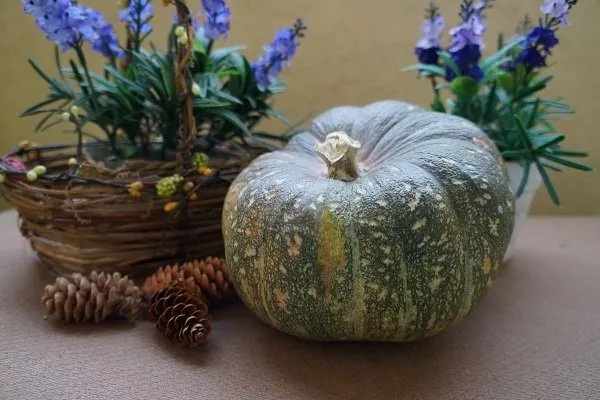
Azure
A variety with a growing season of 100–120 days. The vines are strong and long.
Description:
- the shape is round and flattened;
- pulp characteristics: bright orange color, dense, crispy structure;
- Features of the fruit: the main color is dark green, but there is a gray tint on the surface, the skin is ribbed;
- weight about 5 kg;
- any growing region, as it easily adapts to cool conditions;
- application - for milk porridges and cream soups;
- Feature: prefers sandy loam soil with increased fertility.
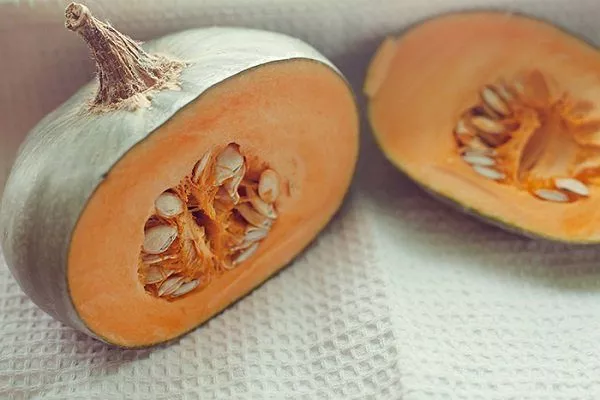
Winter sweet
It's a mid-season variety. It ripens in at least 110 days. It's considered a climbing variety.
Description:
- spherical-oblate shape;
- pulp characteristics: orange hue, dense structure;
- fruit features: segmented skin with bumps, color - closer to dark olive (green with gray), light gray spots are present;
- weight from 5 to 12 kg;
- preferred growing region: Siberia, Urals;
- use - home cooking, canning, eating raw;
- Feature: not afraid of drought and cold, does not accumulate nitrates, resists powdery mildew and anthracnose.
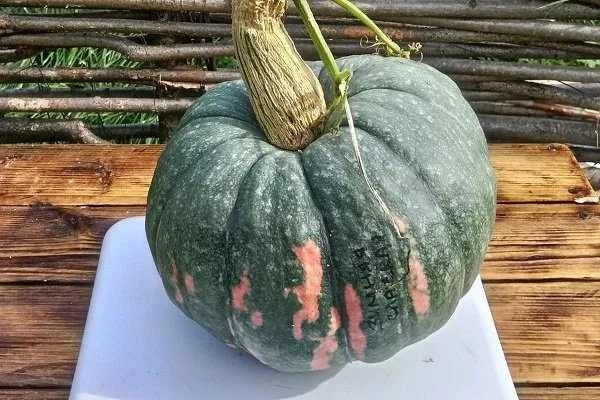
Ornamental species
Most ornamental pumpkins are considered inedible because they lack flavor, smell, or sweetness. If you try one, you might think you're chewing grass. Some varieties are used for garden decoration and for extracting oils. However, there are some varieties that are safe to eat.
| Name | Ripening period (days) | Plant type | Pulp color |
|---|---|---|---|
| Lagenaria | 120 | Long-lashed | Light green |
| Marble | 140-150 | Long-lashed | Orange |
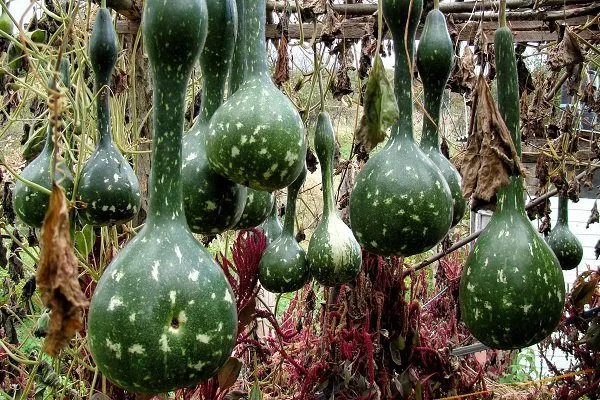
Lagenaria
This is a very unusual species of pumpkin, rarely found in our latitudes. It has a number of names:
- gourd;
- bottle gourd;
- serpentine;
- Indian cucumber;
- Vietnamese zucchini;
- calabash.
Description:
- the shape is spherical, flattened, serpentine, bottle-shaped, cylindrical, pear-shaped, depending on the variety;
- pulp characteristics: juicy, sometimes fibrous, but dries out upon reaching biological maturity;
- Features of the fruit: when mature, the peel becomes woody and the color varies;
- weight from 2 to 32 kg, but there are specimens that have reached 150 kg;
- application - in cooking, cosmetology, art (making vessels, musical instruments, etc.), as a decoration.
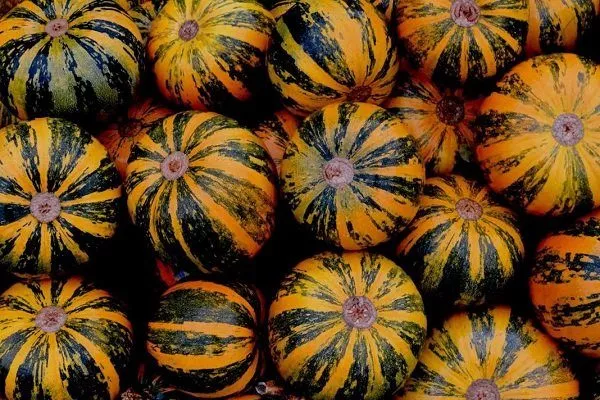
Marble
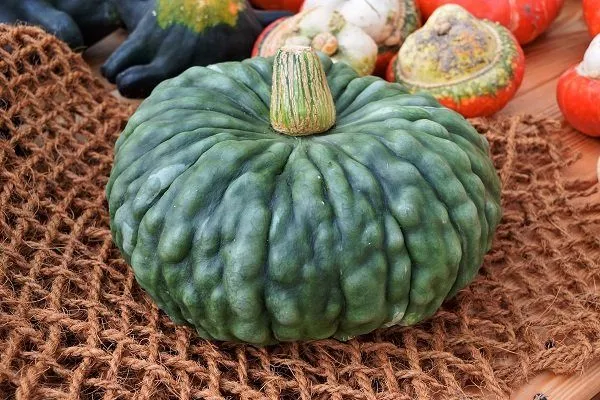
Another edible pumpkin with a decorative appearance. Its distinctive coloring makes it special. Marble pumpkin late variety, ripening in 140–150 days.
Description:
- round shape;
- pulp characteristics: juicy, orange, very sweet (up to 12%);
- fruit characteristics: segmentation and pimples;
- the surface of the pumpkins has a rich green color and white streaks that create a marble pattern;
- weight about 5 kg;
- preferred growing region: Caucasus, Volga region;
- application - decoration, cooking;
- feature - fruits crack due to excess moisture or drought.
Cucurbita
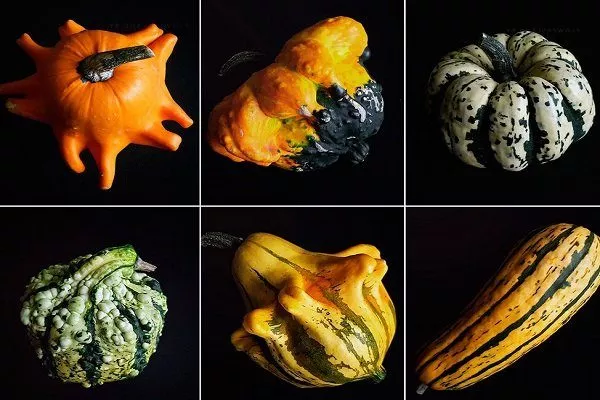
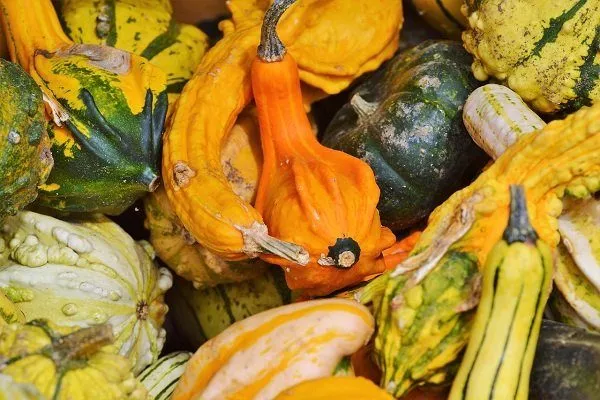
Cucurbita, which means pumpkin in Latin, is used for decorative purposes in a variety of varieties, including Corona, Little Boo, Little Red Riding Hood, and others. Pumpkins are distinguished by their unusual shapes.
If you're interested in growing this type of vegetable (to decorate your garden), remember to harvest it before frost. Otherwise, the pumpkin will spoil.
Growing Green Pumpkin: Planting, Growing, and Care
Green pumpkins can be planted in two ways: from seedlings or directly into the ground. This is a heat-loving crop, so it's important to select a well-drained site. Fertile soil and the following characteristics are essential:
- acidity level: 6.5–7.5 pH;
- structure - loose, light;
- Nutrients: phosphorus, nitrogen, potassium.
- ✓ The acidity level must be strictly within the range of 6.5–7.5 pH, otherwise the plant will not be able to absorb the necessary nutrients.
- ✓ The soil should not only be loose, but also have high moisture capacity so that the roots do not suffer from drying out.
Crop rotation:
- good predecessors are potatoes, carrots, onions, cabbage, beets;
- Undesirable: all types of pumpkin crops, zucchini, squash, nightshade, cucumbers.
Green pumpkin is not very demanding in terms of growing and care, but be sure to follow the conditions:
- Moisturizing. Avoid allowing the soil to dry out. Ideally, the soil should be kept moist at all times. Water only in the early morning.
- Loosening. The root system requires aeration. Do this 2-3 times a week.
- Top dressing. Apply fertilizer approximately four times during the growing season. Use mullein, chicken manure, wood ash, and herbal infusions. Sometimes (if the soil requires it), commercial mineral fertilizers are used.
- Mulching. This is necessary to maintain moisture and looseness. Place straw, peat, sawdust, or hay under the pumpkin.
Reviews
Green pumpkin is considered a healthy, nutritious, and dietary food. It is used in a variety of dishes, for canning, and as animal feed. Varieties vary in skin firmness, sweetness, size, and other characteristics.