
The Zapekanka pumpkin is a relatively new variety that combines good productivity, delicious flesh, and ease of care. It attracts attention with its large fruits, which are ideal for both home cooking and processing. It's important to carefully study the growing conditions and follow simple cultivation techniques.
Originators of the variety
The large-fruited variety was developed by V. G. Kachainik, M. N. Gulkin, S. V. Matyunina, and O. A. Karmanova of Agrofirma Aelita LLC. It was approved for use in 2018.
Description of the Casserole
It has become popular among Russian gardeners due to its excellent varietal characteristics. The crop is ideal for cultivation in a variety of climates and boasts excellent flavor. Many gardeners choose it for its consistent yields.
Plant
Pumpkin has a climbing habit. The bushes are medium-vigorous, with shoots covered in large, dark-green leaves. They are slightly dissected, and the petioles are medium-length.
Fruit
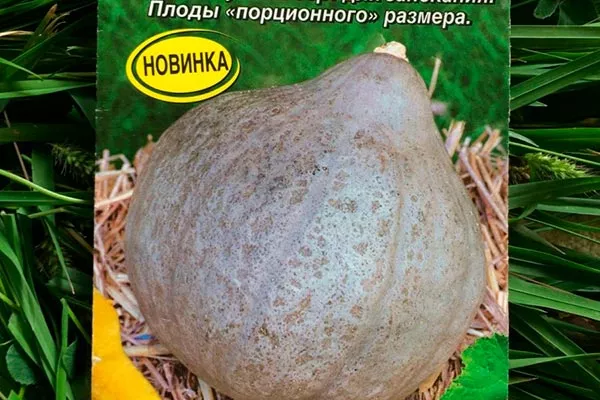
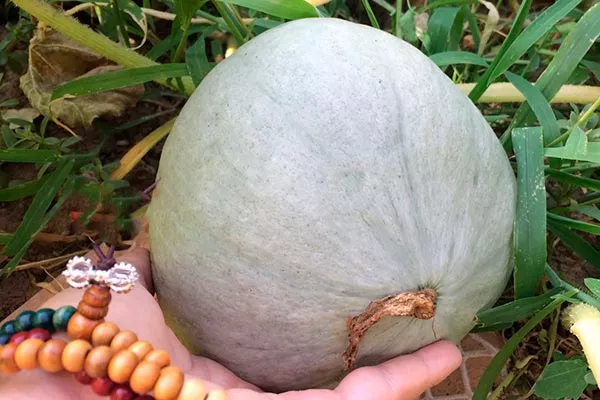
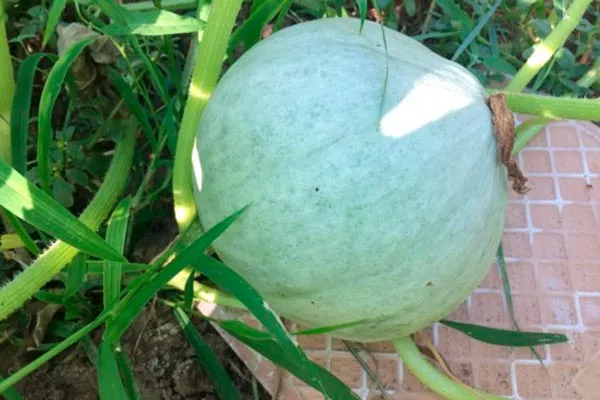
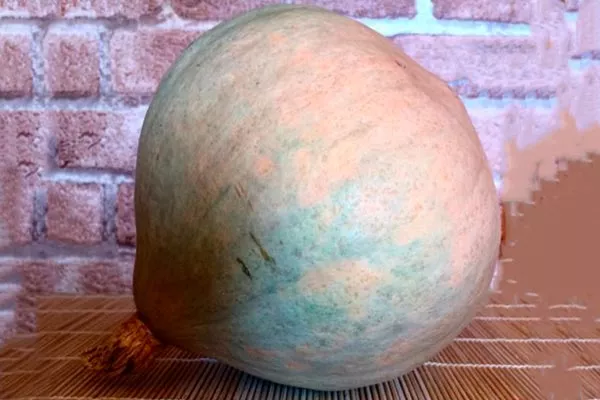
The pumpkin has a convex base and top. Each pumpkin weighs between 2.5 and 3.9 kg. The skin is light gray-green, medium thick, and wrinkled. Dark green spots appear on the surface. The fruits are segmented.
Characteristics of the variety
This cultivar is noted for its good resistance to adverse conditions and is suitable for growing in a variety of climates. Key features of this variety include:
- Maturation. The fruits ripen 85-100 days after planting, which allows harvesting in late summer or early fall.
- Productivity. With proper care, one bush can produce up to 10-12 fruits, the total weight of which varies from 25 to 30 kg.
- Variety stability. It has a strong immune system, so it is rarely susceptible to common diseases and insect attacks.
Purpose and taste
This vegetable is ideal for various processing methods and home cooking. Its orange flesh is medium juicy, firm, and starchy. The flavor is excellent.
Growing nuances
Pumpkin is a heat-loving crop that requires a sunny location and fertile, well-drained soil. For successful cultivation, it's important to properly prepare the site and adhere to all agricultural requirements.
- ✓ The optimal soil pH should be between 6.0-6.8 for maximum nutrient absorption.
- ✓ The soil should contain a high level of organic matter (at least 4%) to ensure good structure and water retention.
Follow these recommendations:
- Selecting a location and preparing the soil. The plant grows best in well-lit areas protected from the wind. The soil should be light, fertile, and well-drained. Before planting, dig the area and add organic fertilizer such as compost or humus.
- Planting seeds. Place the seedlings in open ground when the soil warms to 15-18°C, usually in late May or early June. Place the seeds at a depth of 4-5 cm in a 1 x 1.5 m pattern to give the plant ample space to grow.
For an early harvest, use seedlings that you grow in peat pots and then transplant into the ground. - Hardening of plants. If you decide to plant seedlings, harden them off beforehand. To do this, take the plants outside for a few days before transplanting, gradually increasing the time spent outdoors.
Proper care is the key to a good pumpkin harvest. This includes a number of agricultural practices:
- Watering. Provide the bushes with regular watering, especially during growth and fruit formation. Avoid allowing water to drip onto the leaves. Water at the roots using warm, settled water. Perform this procedure in the morning or evening.
- Top dressing. To stimulate growth and increase yields, fertilize plants with organic and mineral compounds.
The first feeding should be carried out 2-3 weeks after planting, using nitrogen substances; for further growth, use complex mineral fertilizers containing phosphorus and potassium. - Thinning. Pumpkin is a climbing plant, so regularly remove excess shoots and weak plants, leaving only the strongest specimens.
Diseases and pests
Casserole plants are susceptible to various diseases and insects. If not properly cared for, plants may encounter several problems:
- Powdery mildew. A white, powdery coating appears on the upper surface of leaves, which then develops into brown spots. These spots begin to dry out and die.
Treat the plants with fungicides such as Topaz, Fundazol, or Mikosan. Folk remedies such as garlic infusion or whey are also effective. Remove infected leaves and ensure proper ventilation of the plants. - Fusarium wilt (Fusarium wilt). Leaves turn yellow, then wilt and dry out. Fruit may become spotted and develop poorly. Use fungicides such as Previkur or Strobi. Practice crop rotation. As a preventative measure, treat seeds before planting.
- Peronosporosis (downy mildew). Yellow spots appear on the upper side of the leaf, and a white coating develops on the underside. The leaves then turn brown and wilt. Fungicides such as Skor and Ridomil Gold can help combat this disease. Regularly remove infected foliage.
- Spider mite. Small yellow spots appear on the leaves, with webbing on the underside. They begin to dry out and fall off. Spray with acaricides, such as Fitoverm or Actellic. Regularly remove damaged parts of the plant. Use folk remedies, such as garlic or tobacco dust infusion.
- Aphid. These are small insects that congregate at the tips of young shoots and on the undersides of leaves, sucking out the sap. This causes deformation and reduced yields. Spray with insecticides such as Aktara or Confidor. Folk remedies such as a soap solution or tobacco dust infusion are also effective.
- Elephant mold (sclerotinia). White or gray spots on leaves and stems, which eventually develop into rotten areas. Fruit may become covered with a white coating and rot. Remove infected plant parts and treat with Topaz or HOM fungicides. Maintain a regular watering schedule and prevent waterlogging.
| Fungicide | Validity period (days) | Efficiency (%) |
|---|---|---|
| Topaz | 14 | 90 |
| Fundazol | 10 | 85 |
| Mikosan | 7 | 75 |
Harvesting and storage
Harvest the pumpkin when it's fully ripe: the skin is firm and the color is deep orange. The vegetables should feel firm to the touch, with dry stems. It's important that they are undamaged and show no signs of rot.
Follow these recommendations:
- Harvest in dry weather, carefully cutting off the fruits with a sharp knife or pruning shears, leaving 5-7 cm of stalk.
- Use specimens that show signs of damage or are not fully ripened first, as they cannot be stored long-term.
- Storage temperatures for harvested fruits should range from 10 to 15°C. Temperatures that are too high accelerate the aging process, while temperatures that are too low can cause damage.
- Place the pumpkin in a dry, well-ventilated area. This could be a cellar, a dry pantry, or an attic.
- Store your produce on shelves or in baskets to allow air circulation and prevent them from touching each other. This will help prevent rotting if one vegetable starts to spoil.
- Vegetables stay fresh for up to 6 months if they're picked correctly and their skins are undamaged. Be sure to monitor the condition of the fruit and check them regularly for signs of spoilage.
Pumpkin casserole is used in a variety of dishes, including soups, purees, and other culinary creations. It's also suitable for canning.
Reviews
The Zapekanka pumpkin is an excellent choice for any gardener looking for a variety with good disease resistance, excellent productivity, and superb flavor. Vegetable growers can easily achieve excellent results both in the open field and in a greenhouse. By following simple farming practices, you can reap a bountiful harvest.