
Pumpkin is one of the most popular vegetables, so it's no surprise that it's grown in almost every garden. The fruits ripen in the fall, but this is precisely the time of year when sharp temperature fluctuations and night frosts occur. This can also harm the harvest.
Causes of freezing in open ground
Pumpkins often freeze as a result of sudden cold snaps overnight. This crop can withstand temperatures as low as -1°C. If the temperature drops below this level, the fruit begins to freeze.
At the same time, even frozen fruits can remain on the ground, growing in the garden, or stored on the balcony. However, if this happens, don't hesitate; take immediate action, otherwise you risk losing your harvest.
If the fruit is frozen, it shouldn't be left in the same conditions, as mold will soon appear and rot will begin. It needs to be processed as quickly as possible—cut the flesh into pieces and store in the freezer or use it for cooking.
Preventive measures
If you plan to delay harvesting for a while (for example, when the fruit isn't fully ripe or the pumpkin is still small), it's essential to insulate the plant. Otherwise, sudden night frosts will be a big surprise.
It's important to remember that the entire plant needs to be covered. The following materials can be used for this:
- geotextile;
- film;
- sackcloth;
- composite fiber.
The ideal option would be to build a frame shelter. This structure is supported by wooden slats, a wire frame, or wooden poles.
Frozen pumpkin: taste and characteristics
Pumpkins that have fully ripened on a vine in the garden will be much more flavorful, delicious, and nutritious than pumpkins left indoors to ripen. This crop can easily tolerate a slight drop in temperature, but it's best not to leave the fruit in the garden if there's a severe fall frost.
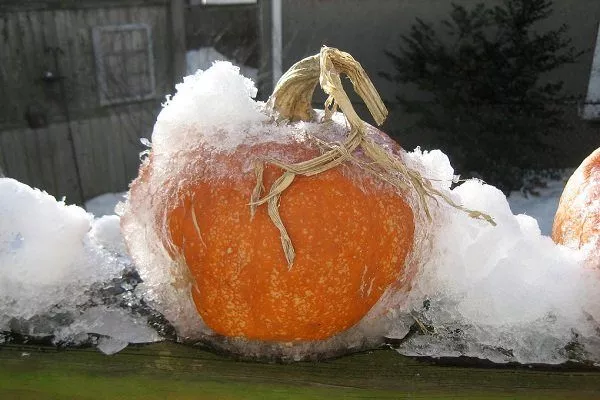
Pumpkins begin to spoil in damaged areas. Therefore, such fruits should not be stored for long periods of time; they should be processed immediately and used in a variety of dishes.
What to do with frozen pumpkin?
If the fruit has frozen in the garden, don't throw it away. Such pumpkins are still edible. The main thing is to process them as quickly as possible, as they begin to rot quickly.
Freeze in the freezer
There are several options for freezing pumpkin, each with its own advantages and benefits. The most popular is freezing it in cubes. However, you can also freeze ready-made pumpkin puree.
The procedure for freezing pumpkin puree is very simple, just follow the following sequence of steps:
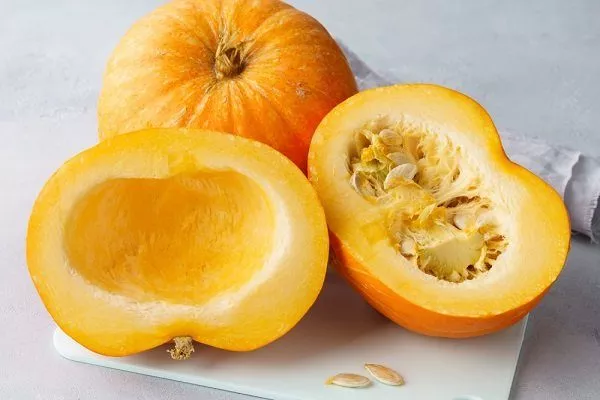
- Turn on the oven and preheat to 160°C. Wash the pumpkin, then cut it in half. Using a spoon, scoop out the insides and seeds. Scrape everything out, leaving only the flesh. Don't remove the peel.

- Place the prepared pumpkin, cut-side down, on a baking sheet lined with foil. Avoid using parchment paper, as it may stick to the flesh.
Bake for 30-35 minutes in a preheated oven. Check for doneness by piercing the skin with a fork; if it feels soft, the pumpkin is ready.
- Remove the baking sheet from the oven and let the pumpkin cool thoroughly. Using a spoon, scoop out the flesh, gently scraping it from the skin.
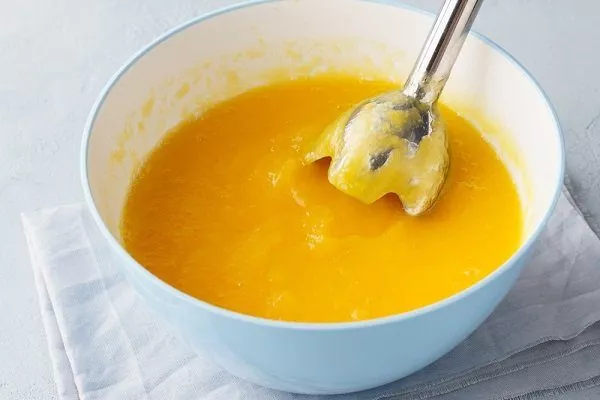
- Place the pulp in a bowl and puree using an immersion blender. The mixture should be smooth. It's important to ensure there are no whole pumpkin pieces left.
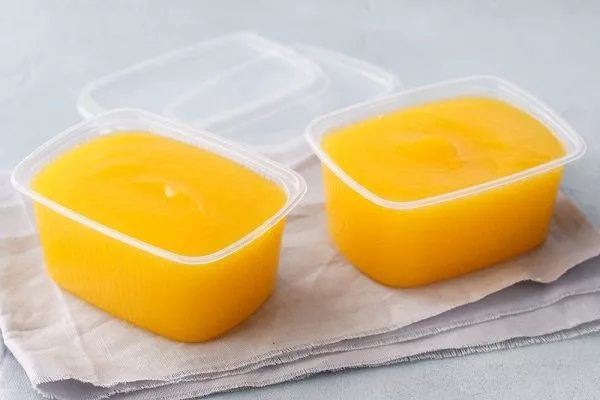
- Place the finished puree into prepared plastic containers and seal tightly. Don't fill the containers completely, as you'll need to leave room for expansion. Place the containers in the freezer for storage.
For freezing, you can use small silicone molds or plastic cups. Once the puree is frozen solid, you can transfer it to freezer bags to save space.
To freeze pumpkin pieces, follow these steps:
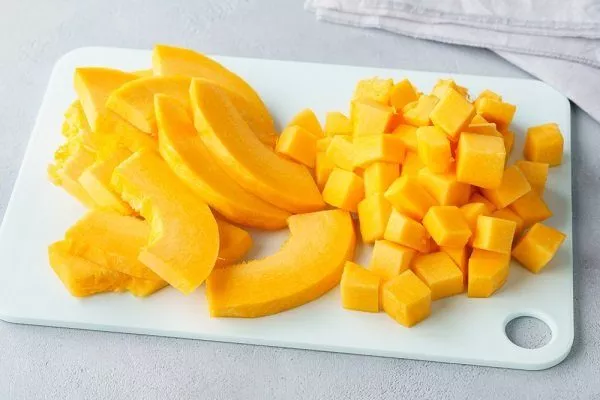
- Wash the pumpkin, remove the seeds, and peel it.
- Cut the pulp into small cubes or slices.
- Place the pumpkin pieces in a single layer on a cutting board, covering them with plastic wrap. Freeze them.
- After about 30-60 minutes, the slices will be thoroughly frozen, then transfer them to plastic containers or sealable bags. Store in the freezer.
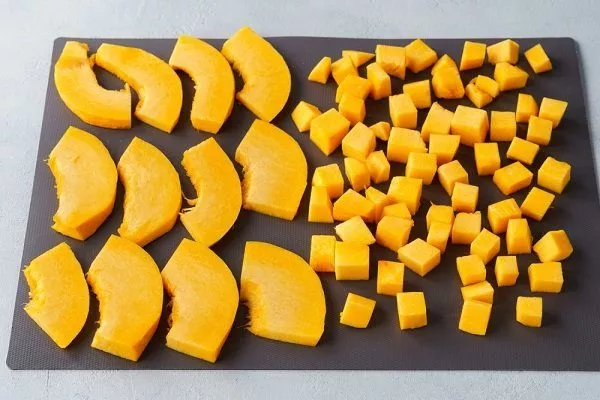
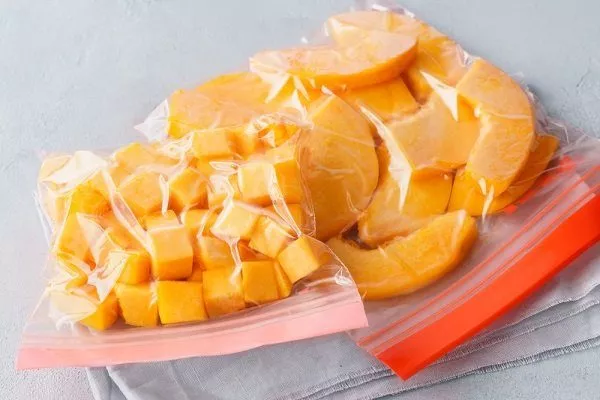
You can also freeze pumpkin by first grating it. To do this:
- Using a grater, grate the previously peeled pumpkin pulp.
- Place the prepared product into plastic containers or airtight bags. Store in the freezer.
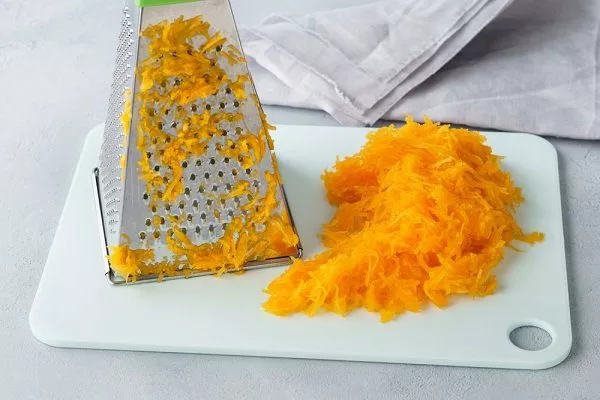
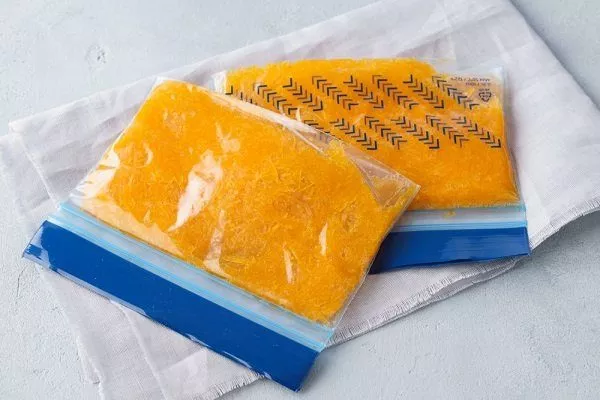
- ✓ The temperature in the freezer should not be higher than -18˚C for long-term storage.
- ✓ Use airtight containers or bags to prevent freezer burn.
Dry the pumpkin
Candied fruit can be not only a delicious but also a truly healthy treat. You can make this natural treat yourself at home.
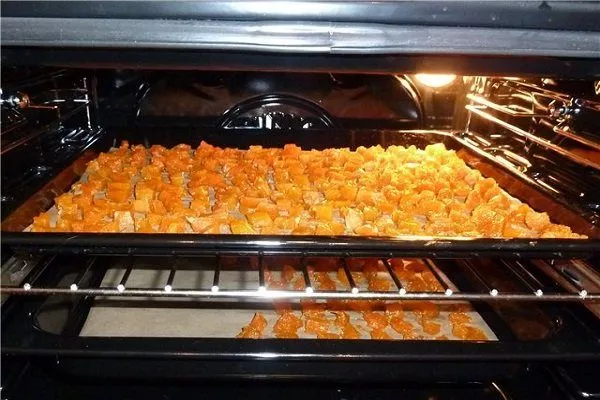
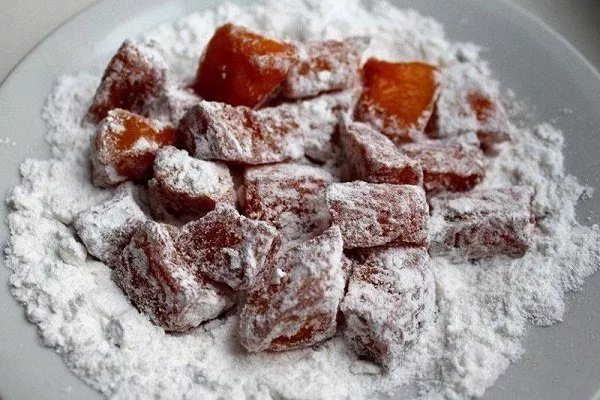
To make candied pumpkin in the oven, follow these steps:
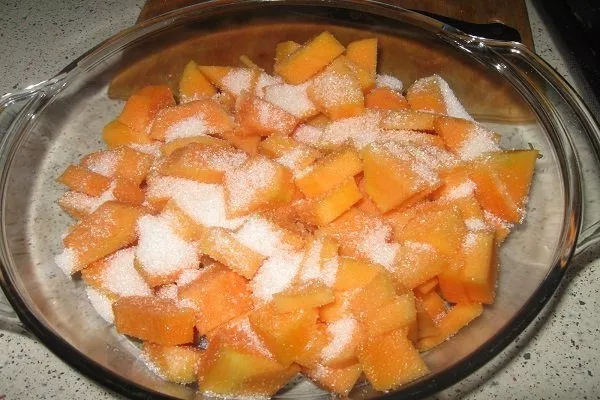
- Peel the pumpkin (1 kg) and cut into cubes, cover with sugar (400 g) and place in a cool place overnight.
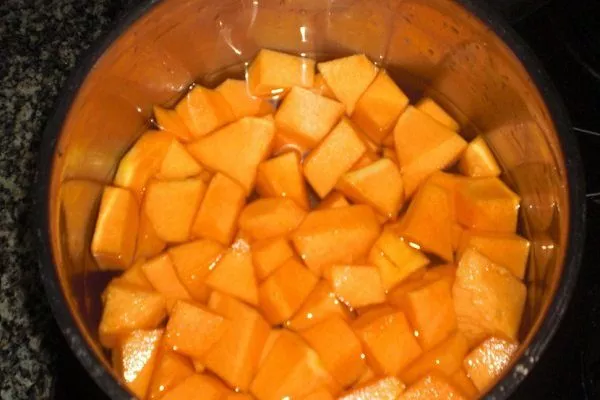
- After the specified time, place the pumpkin and sugar on the stove and bring to a boil. Turn off the stove and let the mixture cool.
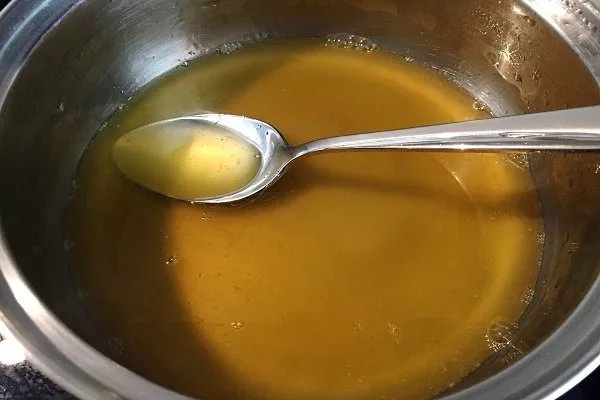
- Pour the juice into a separate container. Add sugar (400 g) and citric acid (5 g) to the pan. Boil the mixture until the dry ingredients are completely dissolved.
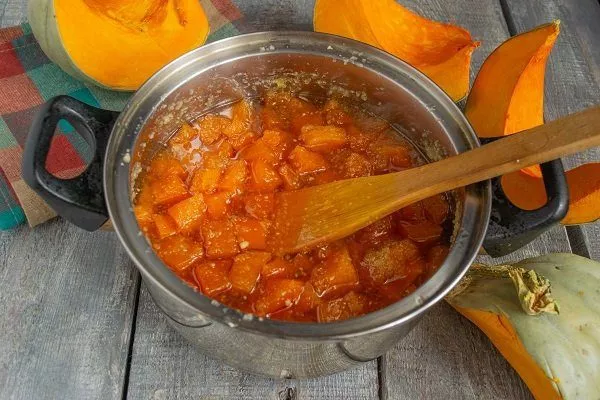
- Pour syrup over the pumpkin and cook for about 20 minutes until fully cooked.
- Place the pumpkin pieces in a colander and place them on a baking sheet lined with parchment paper. Bake in a slightly ajar oven at 140°F (60°C) for 2 hours.
- Roll the hot pumpkin pieces in powdered sugar and the candied fruit is completely ready.
Make pumpkin jam and juice
You can make delicious pumpkin jam by making sugar syrup. Peel the pumpkin, remove the skin, and discard the seeds. Cut into small cubes and pour the syrup over it. Simmer the jam over low heat until it turns a deep amber color.
You can also make delicious pumpkin juice. This method should only be used if the pumpkin is fully ripe. If the pumpkin is sweet, you don't even need to add sugar.
Storage conditions
To prevent fruit from freezing during storage, it's best to store them in wooden crates, cardboard boxes, or cartons. Cellophane and plastic bags are not suitable, as they will accumulate condensation.
When storing in a cellar or on a balcony, place a layer of dry straw or parchment paper underneath the fruit. The bedding should be changed periodically, as it can become damp. The fruit is inspected occasionally, and any that have begun to rot are recycled.
Pumpkin is a delicious and incredibly healthy vegetable. Growing it is very easy, and doesn't require any special skills or knowledge. The main thing is to carry out the necessary preparations in a timely manner. harvesting and store the fruits correctly so that they do not freeze and begin to spoil.
My pumpkin freezes almost every year because I usually don't have time to tend to it—I have to focus on the garden, the farm, and preserving. Thank you so much for the recommendations, because I used to just throw out frozen pumpkins. Your article is very informative!