
Pumpkin crops are in high demand in Russia because they are rich in vitamins and beneficial microelements. Many gardeners plant the vegetable in their own gardens. However, growing pumpkins outdoors has its own unique characteristics that are important to understand.
What varieties of pumpkin are suitable for growing outdoors?
The following varieties are best grown in open ground:
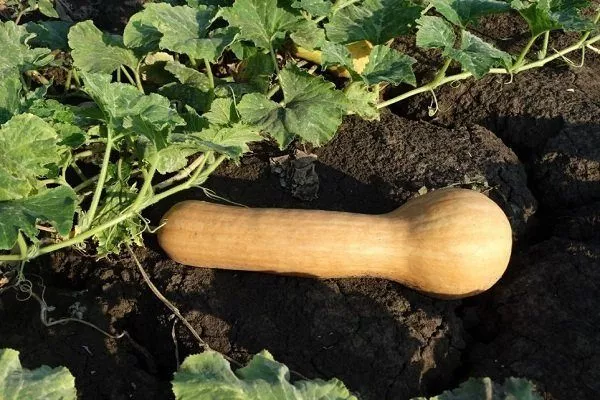
- Butternut squash. This category includes the Vitaminny, Mramorny, Tsukatny, Arbatsky, and Zhemchuzhina subvarieties. The shape is round or cylindrical, the rind is soft, and the color is deep orange. Butternut squash It has a long shelf life (2 years) and excellent taste.

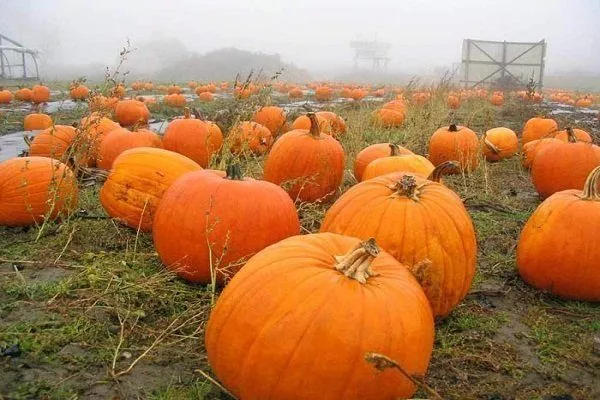
- The pumpkin crop is hard-skinned. The shape is round-cylindrical, the color is orange, and the taste is pleasantly sweet. A distinctive feature is the woody, hard outer shell (difficult to cut).
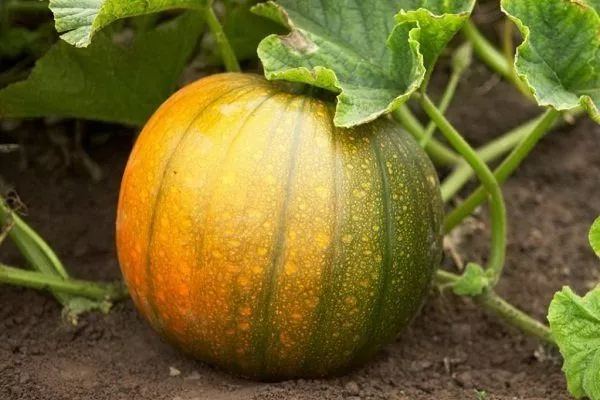
- Large-fruited pumpkin. Among this category, subvarieties worth growing include Juno, Golosemyanka, Gribovskaya Kustovaya, Vesnushka, Almondnaya, and Dachnaya. Characteristics include high yields, large fruit, and a soft coating.
- ✓ Resistance to temperature changes.
- ✓ Resistance to common diseases of pumpkin crops.
You can try growing absolutely any variety outdoors, as pumpkins are not picky or fussy. The main thing is to strictly follow the proper growing practices.
Conditions
The plant is considered a heat-loving plant, but it doesn't have any special requirements, although it prefers moist soil during flowering. This is because the root system begins to develop during this period and needs to strengthen. If there isn't enough moisture, the buds will fall off.
Being a sun-loving crop, pumpkins require ample light. They don't tolerate strong winds or cold, so a fence or building should be placed on the northern side of the garden.
Lighting
It's best to plant this crop in sunny areas. It's practically the only plant that easily tolerates direct sunlight, typically for 6-8 hours. However, some shade is also acceptable, which is why many gardeners intercrop corn.
Temperature
Pumpkins thrive on warmth, so the optimal temperature is considered to be +25 degrees Celsius. Features:
- if the temperature drops below +8-10 degrees, the seeds do not germinate;
- at a temperature of +15-20, germination occurs slowly;
- at a temperature of +25-30 degrees the seeds germinate in a couple of days.
Soil requirements
Pumpkin soil should be rich in humus to ensure a high yield of tasty, aromatic fruit. It's best to drain the soil and fertilize it with compost. The soil pH should be between 6 and 6.5. The topsoil should be waterlogged, and the lower layers should be able to accommodate groundwater.
When it comes to crop rotation, the best predecessors are beans, cabbage (preferably early), onions, and garlic. It's not recommended to plant pumpkin after tomatoes, carrots, and late-season cabbage. Beets, greens, and cucumbers are considered neutral. Pumpkin can be planted next to beans, radishes, beets, and corn. Avoid planting it next to potatoes and tomatoes.
Soil preparation
Preparatory work begins in the fall, so plan your pumpkin planting site well in advance. Here's what you need to do: clear the area of weeds and any crops that grew this year, and prepare organic fertilizer. To do this, mix 60 grams of superphosphate, 30 grams of potassium chloride, and 10 kg of humus (14 kg of manure can be used instead). This amount should be enough for 2 square meters. The fertilizer is applied to the fallow land before plowing.
To ensure looseness, you can add coarse sand or peat along with the organic matter. For very slightly acidic soil, adding wood ash is advisable. In spring, digging is not required, but weeds should be removed and the topsoil should be leveled with a rake.
Seedling method
In the southern regions of the country, seeds can be planted directly in open ground. However, in northern latitudes, seedlings are preferred for growing pumpkins.
Seed testing and preparation:
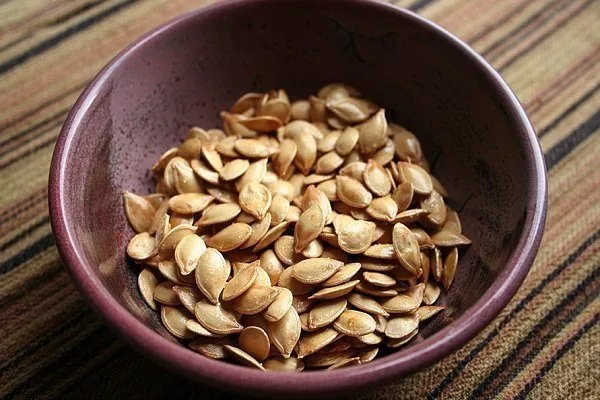
- Since pumpkin seeds are large, checking them is easy. Only whole seeds should be selected for planting. If you don't have time to do this manually, soak the seeds in water. Any seeds that float to the surface are considered unsuitable, as they are empty.
- For rapid germination, soak the seeds in water at a temperature of at least 40 degrees Celsius and no more than 50 degrees Celsius. Leave for about 4 hours.
- After this time, the seeds are laid out on moistened gauze (can be replaced with a piece of cotton fabric).
- The rolled-up elements are placed in a container and left to germinate at room temperature. To prevent the cloth from drying out, moisten it with warm water (at room temperature) once or twice a day.
- After sprouts have formed, the wrapped seeds are transferred to the refrigerator (temperature +3 degrees Celsius) for 3 to 5 days.
- ✓ Maintain the temperature of the soaking water within 40-50°C.
- ✓ Control of tissue humidity for germination.
Rules and terms of boarding:
- It is recommended to plant seedlings outdoors at 22 days of age. Therefore, depending on climate conditions, if the seedlings are to be planted outdoors, for example, on May 25th, the seeds are sown on May 3rd. If transplanting is planned for June 6th, the seeds are sown on May 15th.
- If night frosts are expected during this period, experienced gardeners and summer residents recommend creating local greenhouses. For this, use ordinary plastic bottles appropriate for the size of the seedling. After planting, the seedling is covered with a bottle with the bottom cut off and pressed slightly into the soil.
- It's best to plant seeds in peat cups. This is necessary because they don't tolerate transplanting well. The minimum cup size should be 10 x 10 cm.
- The soil for seedlings is peat mixed with sand.
- Rules for planting sprouted seeds: pour soil substrate into a cup so that 3 cm remains from the top edge, water the top, place the seed, add soil, moisten again.
- For the first 3-4 days after planting, the air temperature should not fall below 25 degrees Celsius. Subsequently, the temperature can be lowered to 18 degrees Celsius. After a week of growth, the temperature is reduced by another 3 degrees Celsius. This is necessary to further acclimate the plant to the outdoors.
- It's best to plant two seeds per cup. When both seeds sprout, remove one sprout by pinching it off at the root.
Fertilizing and watering:
- The plant needs to be watered regularly – the soil should not be dry or too wet.
- The preferred fertilizer is a solution of water and cow manure in a 1:10 ratio. Fertilizer should be applied 12-14 days after planting the seeds.
Ringing seedlings This is done 10 days after planting the seeds. During this period, the soil will settle slightly, so it's necessary to add additional substrate to the pots. An additional layer is created in a circle around the stem.
Planting in open ground:
- The seedlings should be replanted after 21-22 days. By this time, three full-fledged, rich green leaves should have formed.
- Planting is carried out in rows, in which holes are made 30-35 cm deep.
- The distance between rows is 40 cm.
- After digging the holes, apply a fertilizer consisting of potassium sulfate and superphosphate to the bottom. Add soil mixed with peat and wood ash. Top with regular soil, then water (approximately 2 liters of water), and plant the seedlings.
- Before planting, the bottom and sides of the peat cup are slightly cut.
Seedless method
The seedless method can be used mainly in the southern latitudes of the country.
Rules for planting seeds in open ground:
- Seeds are tested and prepared in a similar manner to the seedling method. Specifically, the seeds are sorted, soaked, and germinated. However, ungerminated seeds can also be planted.
- Sowing takes place around May 10-20, depending on climatic conditions.
- The soil temperature should be at least +12 degrees.
- The distance between rows should be one and a half to two meters, and between plants, 80-100 cm. Before sowing, dig holes and fertilize them, as with seedlings. Water after planting.
The most common methods for growing pumpkins are:
- The classic way. The plant's stems grow on the ground and have a spontaneous, creeping growth pattern.
- Trellis method. This system is used for small pumpkin varieties. Wooden supports are installed along each row, with horizontal wooden planks attached. Wire is not suitable in this case, as it won't support the weight of the fruit. The structure should be at least 2 meters high, with a maximum distance of 40 cm between plants. During cultivation, pinching and shaping are necessary, as well as tying the fruit and shoots to the supports and trellises. Many gardeners place netting over the fruit, which is easily attached to the structure.
- On compost heaps. Compost piles are created around the area designated for pumpkin planting, with small holes dug for filling with soil. Next, the seeds are sown. It's essential to immediately cover the plants with plastic wrap, which is removed once the first shoots emerge. The advantage is that there's no need for additional feeding during the growing season, and absolutely any variety can be sown.
- Method according to Galina Kizima. This method is unique in that it allows pumpkins to be grown without seedlings even in northern regions. It involves digging trenches and placing plant debris at the bottom. This debris creates the necessary temperature conditions for the plants. Trenches should be dug in the fall (to a depth of two spade blades), the plants are placed immediately, and covered with soil in early spring. After the seedlings emerge, they need to be covered with plastic film until the required air temperature stabilizes. The advantage is that no fertilizer is required.
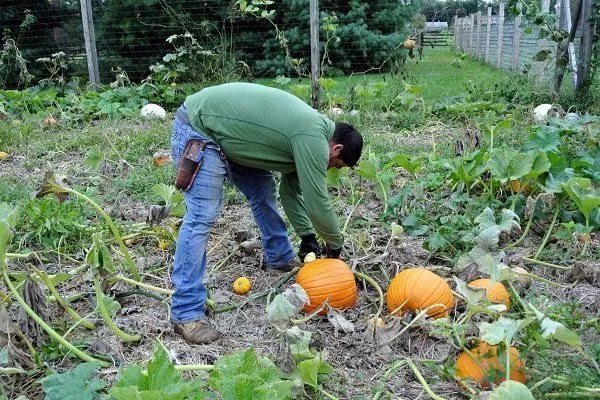
Caring for pumpkins in open ground
Many gardeners believe that pumpkin plants don't require special care. Therefore, the only thing they do after planting is water occasionally. However, to achieve maximum yield and high fruit quality (size, aroma, flavor), it's important to follow certain agricultural practices and pay close attention to this crop.
Watering
Irrigation should be done regularly, as pumpkins thrive in moisture. Although the root system is quite extensive and extends laterally and deeply to a considerable distance, the surface roots still need to be watered.
In addition, the roots pump moisture from the soil layers, which evaporates through the leaves, so there is practically no liquid left in the root system and stems.
Irrigation rules:
- Before and after germination, until the bush has formed, water the plants in small amounts daily. The golden rule is to increase the water volume gradually.
- The largest amount of liquid is added during mass flowering and fruit formation.
- The amount and frequency of watering is determined by the specific pumpkin variety.
- You should not water the plant for several days before the fruit is fully ripe.
- The liquid temperature should not fall below 19-21 degrees Celsius. Cold water is completely avoided, as it will kill the culture.
- After watering, it is advisable to loosen the soil at the very base of the main stem.
Mulching
This process is used by gardeners who are unable to water their gardens frequently (they rarely visit their dacha, lack sufficient water, etc.). Mulching helps maintain the desired moisture level in the soil for a long time.
How it's done: A special mulch is placed around the stem to further prevent weed growth. The following materials are used as mulch (they must be natural, so the soil can "breathe"):
- sawdust;
- needles from pine, spruce, fir, thuja and other coniferous trees;
- peat;
- tops from other crops that have already been harvested;
- weeds;
- small tree branches (mixed with grass);
- foliage.
Loosening
Since the root system is quite developed, increased oxygen levels are necessary. This is achieved by loosening the soil after watering or the day after. Weeds are pulled out while loosening.
Pollination
If pumpkin plants aren't pollinated, the risk of ovary rot increases. Insects typically pollinate, but they're not always available in sufficient numbers, so artificial pollination is used. Here's what to do:
- tear off the male flower;
- pluck the petals with careful movements (so as not to knock off the pollen);
- touch the pistils (anthers) to the female inflorescence.
The procedure should be performed before lunch. If manual pollination using the method described above is not possible, use this simple tip: prepare honey water and spray it on the plants (female flowers).
Bush formation
The bush must be trained to ensure a better harvest. Three main methods are used for this:
- Method No. 1. It is necessary to leave only the main stem, on which 2 to 3 fruits grow.
- Method No. 2. The main stem and one side stem remain. Each shoot contains two pumpkins.
- Method No. 3. There are two shoots, and one main stem. Each shoot bears mostly one fruit.
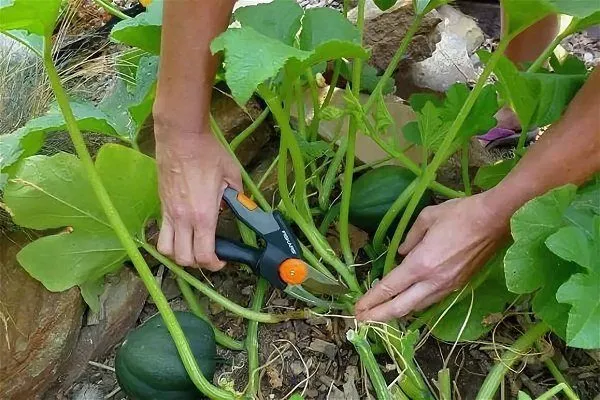
It's important to pinch off the point where the stems will continue to grow. To do this, count five leaves after the fruit sets. This is the point.
Top dressing
Pumpkin crops require organic and mineral fertilizers to increase yields and prevent disease. This is necessary because the plants produce large fruits, requiring a large amount of beneficial nutrients.
Timing of fertilization:
- The first time fertilizing is carried out after the formation of five leaves;
- the second time - when whips are formed;
- the third and subsequent times – every 14-15 days.
What can you feed it with:
- a solution of liquid manure and water (ratio 1:10), initial consumption for 6 plants is 10 liters of liquid, further consumption for the same number of plants is 2 buckets;
- nitrophoska (the first time, 10 grams of the product is used per plant, then another 5 grams are added to this dose);
- wood ash must be added (1 glass per bush);
- mullein solution, minerals (phosphorus, potassium, etc.), industrial fertilizers of simple, complex and mixed types.
Sprinkling of whips
Without covering, leaves, buds, and shoots will break off under the negative impact of precipitation, wind, and mechanical stress. Another advantage of this method is particularly noteworthy: covering shoots with soil promotes the development of an additional root system, which draws moisture and nutrients from the soil, thereby helping to nourish the plant.
How to sprinkle:
- time for sprinkling – when the shoots reach one meter;
- untangle the elements;
- spread on the ground in a given direction;
- Sprinkle each vine with soil in 2-3 places.
How to combat diseases and pests?
Pumpkin is not very susceptible to diseases and insect attacks, but there is a risk if preventative measures are not taken.
Powdery mildew
This is the most common pumpkin disease. It manifests as a thick, whitish coating on the foliage. As the disease progresses, it spreads to the stems, vines, and fruits. To prevent this, avoid overcrowding, water primarily with warm water, and remove weeds promptly.
Powdery mildew can be controlled using chemicals such as Strobi and Topaz. Apply the product to both the above-ground and soil parts no later than 20 days before harvest. Affected areas must be removed.
Fruit rot
Pumpkin varieties are susceptible to different types of rot:
- White Characterized by rotting of semi-ripe and ripe fruit. Symptoms: Initially, a white coating forms, which then takes on a putrefactive texture. The rind of the pumpkin is affected, after which the rot spreads inward. To combat the disease, the plant is treated with a copper sulfate solution. The rotted portion must be removed. To prevent the disease, it is necessary to clear the area of weeds, even those that have already been picked (fallen plants).
- Root The rot is localized to the root system and stem. Symptoms include a brownish coating. The plant can be cured by adding dry soil to the roots. Prevention: avoid excessive humidity (avoid overwatering).
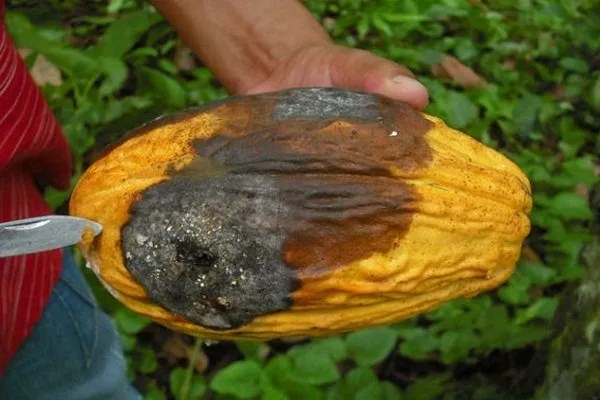
- Black Characterized by the formation of grayish-whitish spots covered with a black coating, the disease affects fruits, stems, and leaves. Since the disease is spread by insects, wind, and tools, it's important to promptly remove affected areas of plants and disinfect the soil.
- Gray Rot occurs as a result of a fungal infection. It appears on the ovaries as a watery, gray, mold-like coating. The spots are covered with conidiophores and small black sclerotia. Treatment: apply a copper sulfate paste to the affected areas. As a preventative measure, avoid overwatering the soil or crowding the plants.
Mosaic
The disease is viral in origin, causing severe pathological changes. Leaves, ovaries, and fruits are affected.
Symptoms include a mosaic-like pattern covering the affected areas, ranging in color from light to dark green. Leaves dry out and curl, and the fruit surface becomes textured.
Pumpkins infected with the mosaic virus are prohibited from consumption. To prevent infection, remove weeds, remove infected plants, and then burn them.
Other diseases
Other pests, insects and diseases:
- Bacteriosis. It manifests itself as brown spots on the foliage of the plant. It spreads quickly among crops, but rarely affects pumpkins. Treatment involves removing the affected areas.
- Spider mite It is localized on stems and the undersides of leaves. It can be recognized by the presence of webs. At home, spray with garlic or onion infusions.
- Melon aphid Sometimes it attacks pumpkin crops. The insect spreads from weeds, so they need to be pulled out promptly. Aphids nest on the undersides of leaves, which curl up after infestation.
- Cutworm caterpillars. Pests feed on stems, leaves, and fruits, causing the plant to quickly die. To prevent them, it's essential to dig up the garden, remove weeds, and cover the vines.
- Peronosporosis Downy mildew. Symptoms: dried yellow spots, purple-gray coating. Control methods: Kartocide, Cuproxate, copper oxychloride. Prevention: disinfect seeds and soil.
- Slug. The pest can be identified by damage to the leaves, which develop holes and silvery stripes. How to get rid of it: spray the plant with Creocid and set traps (watermelon rinds, damp rags, or cabbage leaves).
- Anthracnose. The stems and foliage are affected, producing a pinkish coating, holes, and depressions. Bordeaux mixture is used for control.
- Larvae of the sprout fly. It is the larvae that destroy pumpkin sprouts and seeds. To prevent this, it is essential to treat the seeds with Fentiuram or other insecticides.
- Click beetle or wireworm. This insect is completely harmless to pumpkins, but only when it's an adult. The danger lies in its larvae, which destroy seedlings and roots. Larvae are collected by hand, and the soil is treated with Bezudin.
Almost all insects can be controlled with a soap solution (one bar of brown laundry soap per bucket of water). In many cases, Malathion diluted with water (50-60 grams per 10 liters) is effective.
Harvesting
The pumpkin harvest period depends on climate conditions, summer weather, variety, and planting time, so there are no specific criteria. The average maturity period is 3-3.5 months.
How to determine the ripeness of a pumpkin?
To understand when exactly to harvest pumpkin, you need to know the ripeness indicators:
- The foliage begins to dry out and turn pale (the bright color disappears).
- The fruits become rich in orange color.
- The pumpkin rind becomes harder.
- The stalk becomes hard and dry.
Pumpkin picking
To ensure pumpkins last a long time, they need to be harvested correctly. Here are some rules to follow:
- the weather should be sunny and dry;
- the fruit is torn off together with the stalk;
- the length of the dry stalk should not be less than 4 cm;
- After harvesting, the pumpkins are placed in a room with room temperature (it is important to ensure that the room is dry);
- Drying lasts 3 days, after which the fruits are transferred to a permanent storage location.
Storage rules
Term storing pumpkins It depends on the variety. For example, early pumpkins shouldn't be stored for more than a month, mid-season varieties retain their quality for one and a half to three months, late varieties can be stored for up to four months, and some varieties can be stored for up to two years.
Storage features:
- pumpkin crops should be stored for a long time in a cool, dark and dry place;
- air temperature – 2-7 degrees;
- place – cellar, basement, warehouse, storeroom;
- Before storing, each fruit is carefully examined for damage - holes, scratches and other defects in the rind must not be allowed.
You can watch the following video to learn about growing and pinching pumpkins:
Pumpkins are a patient and undemanding plant, but without proper care, it's impossible to achieve a decent yield and quality fruit. Therefore, if you decide to grow pumpkins, be sure to thoroughly research all the requirements and criteria. If necessary, consult with more experienced gardeners or agronomists.
Thank you so much for the article! Last summer, already a grown woman with city habits (I've never set foot in a garden, but I'll have to get to know the soil someday), I decided to plant something tasty and healthy for the first time. I love and respect pumpkins. The very first piece of information I found online—pumpkin is an easy-to-grow plant that requires virtually no effort—was so reassuring that the results were clear: almost no results, tasty, but not enough. This year, I decided to approach the task more responsibly, and, naturally, a ton of questions arose. You gave me very clear answers: what, why, and when. I hope to become an honorary "pumpkin grower."
Good luck! We look forward to seeing your results in the fall.
We also love pumpkin. We make it into soup with coconut milk, bake it deliciously in the oven with rice, and sometimes make pumpkin-chickpea pancakes.