
Gardeners choose the Vitaminnaya pumpkin for its high yield, good disease resistance, and excellent taste. Let's find out what you need to know about one of the most delicious and sweet pumpkin varieties to grow it properly and get a good harvest.
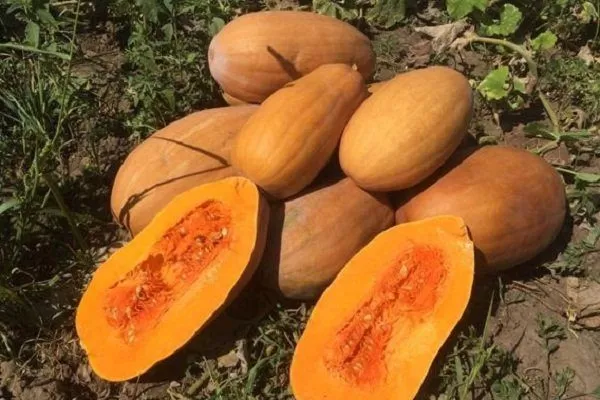
Vitaminnaya pumpkin is resistant to many diseases.
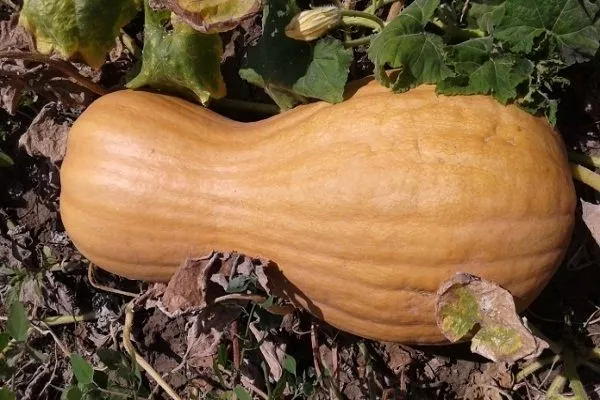
Vitamin Pumpkin
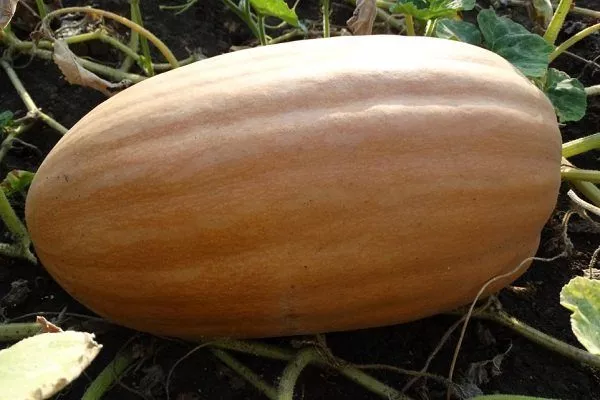
Vitaminnaya pumpkin is well stored and transported.
Description and characteristics of the variety
This variety was developed at the Krasnodar Research Institute of Vegetable and Potato Farming. In 1992, it was approved for use in the North Caucasus region. This pumpkin was named "Vitaminnaya" for a reason, due to the increased content of beneficial elements in its fruits. Its characteristics are presented in the table:
| Parameter | Description |
| Varietal affiliation | The Vitaminnaya pumpkin belongs to the nutmeg group of melons and gourds, so it differs from the fruits of other species both in its noticeable nutmeg aroma and in its elongated, cylindrical or pear-shaped form. |
| Ripening period | This variety is late-ripening—it takes approximately 124-130 days (at least 5 months) from planting to full ripening. For this reason, it is rarely grown in regions with cold climates. |
| Plant characteristics | This medium-sized plant has vines up to 6 meters long. These vines produce fruits, typically 2-3 at a time. The grayish-green leaves are pentagonal, reminiscent of a heart. The veins are covered with fine white hairs. Each leaflet is supported by a long petiole (up to 25 cm). The large yellow flowers are held on long stalks. Their vibrant color and fragrance attract bees and other insects, which assist in pollination. |
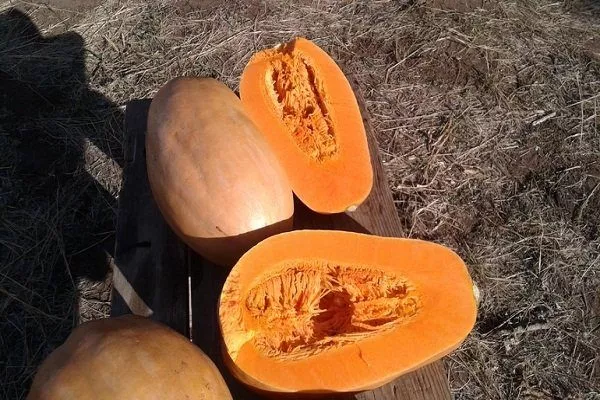
| External characteristics of the fetus | The Vitaminnaya pumpkin averages 4.5-6.8 kg in weight. It has an elongated oval or wide cylindrical shape. The stem, which can reach halfway down the fruit, is ribbed. The skin is thin but firm, making it easy to transport and doesn't require special storage conditions. It is dark pink with a slight orange or tan tint and a segmented surface. It features a dark green and coarse green mesh, as well as small, rounded, and elongated spots of a lighter shade. |
| Characteristics and taste of the pulp | The flesh is a rich, bright orange (near red) and 5 to 10 cm thick. It is juicy and fibrous, dense and crunchy, and most importantly, it has a vibrant aroma and sweet flavor. The seed sac is small and completely filled with loose placentas. A small number of seeds have a dirty yellow or brown hue. |
| Benefits of fruits and their use | The pulp of this pumpkin is rich in nutrients. In particular, it contains 11.5-16.0 mg of carotene. This vegetable has a number of beneficial effects on the human body, including improving vision, strengthening the digestive system, accelerating wound healing, and reducing swelling. With these characteristics, pumpkin can be safely included in both baby and dietary nutrition. It can be consumed fresh or processed (the pulp is used to make purees, juices, baked goods, and other dishes). |
| Productivity | The yield figures are high – approximately 3.7-4.4 kg of fruit can be harvested from 1 square meter of plot. |
| Disease resistance | The plant is relatively resistant to typical melon diseases, such as powdery mildew and late blight. For preventative measures, it should be fed with balanced mineral supplements during growth, flowering, and fruiting. |
The following video briefly describes the characteristics of the Vitaminnaya pumpkin:
Planting methods and timing
The Vitaminnaya pumpkin is an extremely heat-loving plant, for which temperature fluctuations can cause leaf drop, blackening of the trunk, and death. Therefore, it is best grown from seedlings. Direct sowing into open ground is only suitable for those living in southern regions, where the harvest can be harvested in mid-autumn without the risk of frost.
When grown from seeds, the ripening period is prolonged, so the warm season will not be enough for the active development of the crop.
In any case, the soil temperature should be at least 13°C at the time of planting; otherwise, the tender roots will die in the cool environment. This will be indicated by wilted leaves covered with dark spots.
The timing of planting operations depends on the growing method:
- Through seedlingsSeeds should be sown in April so that the seedlings can be transplanted outdoors in May or June. By this time, the temperature should be consistently above 20°C.
- Direct sowing of seeds into the groundSowing can be done in late May or early June, when the risk of uninvited frosts is minimal. To determine the optimal time for sowing seeds, you can also rely on folk wisdom. It is believed that pumpkins can be planted when viburnum and peonies begin to bloom.
Pumpkin Vitaminnaya, regardless of cultivation method, prefers sandy, sandy loam and light loamy soils.
Planting through seedlings
Growing pumpkins from seedlings offers a higher chance of getting a bountiful harvest than sowing seeds directly into the soil. However, this method is also more labor-intensive, so it is advisable to divide it into several stages.
Seed preparation
The following treatment of self-prepared or purchased seeds is carried out sequentially:
- Warming upThe seed should be spread in a thin layer on a tray and kept in a warm place, such as near a stove, for 1-2 months. This will encourage the plant to produce more female flowers, which will positively impact the crop's yield.
- Germination testAfter warming, the seeds should be soaked in a salt solution. Any seeds that float to the surface should be fished out and discarded, as they are empty and will not produce any seedlings. Seeds remaining at the bottom can be used for further processing.
- HardeningTo ensure future seedlings can withstand temperature fluctuations, they need to be hardened off. To do this, select seedlings should be wrapped in a damp cloth and kept in the refrigerator for 3 days.
- DisinfectionThis is done to protect the future plant from pest attacks. To do this, the seeds should be soaked for 10-12 hours in warm water with a small amount of potassium permanganate or aloe juice added.
- ✓ Check seeds for damage or signs of disease before planting.
- ✓ Ensure that the seeds have a high germination rate by conducting a pre-germination test.
Sowing seeds for seedlings
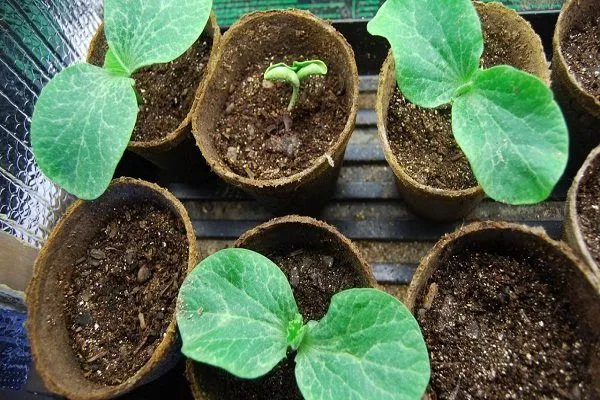
In early May, you can plant the seeds for seedlings. For this, you'll need to prepare individual peat pots, as the plant doesn't tolerate transplanting well. To ensure the plant's root system can fully develop, the pots should be roomy and at least 10 cm in diameter.
Planting seeds is done in the following order:
- Fill the pots with nutritious soil.
- Make 2 cm deep holes in the pots and place 1-2 seeds in each hole.
- Lightly sprinkle the holes with soil, and then water it with a spray bottle to slightly moisten it.
- Cover the plantings with plastic film to create a mini-greenhouse.
- Move the containers to a sunny location and regularly open the film for ventilation. Once the first shoots appear, you can remove it completely. It's also important to maintain constant soil moisture, but avoid over-wetting.
With proper cultivation techniques, the pumpkin will sprout quickly and can be transplanted outdoors in early June. By this time, the plant should already have three leaves.
Transplantation into open ground
The plant doesn't tolerate acidic soil well, so it's important to normalize its acidity after adding organic matter using wood ash. It's enough to sprinkle it over the beds or prepare a solution for irrigating the soil (2 tablespoons per 1 liter of water). Fertilize the area in the fall. Another option is to plant green manure.
It's worth transplanting seedlings into a properly prepared bed, following these instructions:
- Dig up the garden bed, clearing it of debris and plant remains.
- Break the earth stones.
- Dig small holes 10 cm deep, spaced 60-100 cm apart. Avoid planting too densely, as this will prevent the plant's broad leaves from spreading out to their full potential.
- Fill the dug holes with hot water (not lower than 50°C) at the rate of 2 liters per hole if the weather is dry.
- Plant one stem in each hole and cover with soil, completely covering the root collar.
- Mulch the planting with manure or peat. If there's a risk of night frost, temporarily cover the planting with transparent film.
Direct sowing into the ground
In southern regions, this heat-loving crop can be grown by direct sowing of seeds in open ground. This method requires following these guidelines:
- To ensure a good harvest, prepare the plot in advance, ensuring all necessary fertilizers are applied. 6-8 kg of compost per square meter is required. An easier method is to add a handful of compost to each hole before planting.
- Place the holes in rows according to a 60x60 cm pattern.
- The optimal depth of the holes is about 10 cm. Place 2-3 seeds in each hole and then cover with soil.
- Mulch the holes on top with peat.
Caring for pumpkin
It consists of carrying out a set of agricultural measures, each of which requires separate consideration.
Watering, loosening and weeding
There's no specific watering schedule for the soil, but it should be regular to prevent a dry crust from forming on the surface. Weather conditions should be taken into account: during drought, water the plant twice a day at a rate of 5 liters per bush, and during rainy weather, water as needed. Pumpkins also require particularly generous watering (twice a day) during flowering and fruit set.
Pour warm water directly under the roots to avoid dripping onto leaves and shoots. This can leave dry spots and burn the plant.
At the end of summer it is necessary to reduce frequency of watering and stop completely two weeks before harvest. Otherwise, the skin of the fruit will be too thin and the flesh will be watery. Such pumpkins won't last until winter, as they will spoil quickly.
After watering, it is also worth loosening the soil around the plant and weeding to provide the plant roots with access to air.
Additionally, the soil under the bush should be mulched with humus or straw. This will help retain moisture longer and prevent weed growth.
Top dressing
For nutmeg pumpkin varieties, the following scheme is used: application of fertilizers:
- First feeding (before flowering)When using seedlings, fertilize 7 days after planting in open ground, and when using direct sowing, fertilize 3 weeks later. For top dressing, use a mullein or manure solution with most of the liquid removed (1:10). Mineral fertilizers can also be added: 30-40 g of superphosphate and 15-25 g of potassium sulfate per 10 liters of water.
- Second feeding (during flowering)The plant should be fed with a solution of 50 g of potassium sulfate and 15-20 g of nitrophoska per 10 liters of water. Until fruit set, it can also be fertilized with wood ash or a garden mixture at a rate of 50 g of dry matter per 10 liters of water. During cold summers, the plant can also be sprayed with a urea solution at a rate of 10 g per 10 liters of water.
- Before planting, add compost or humus to the soil to improve its structure.
- Two weeks after the seedlings appear, feed the plants with a mullein solution.
- During the flowering period, use phosphorus-potassium fertilizers to stimulate fruit set.
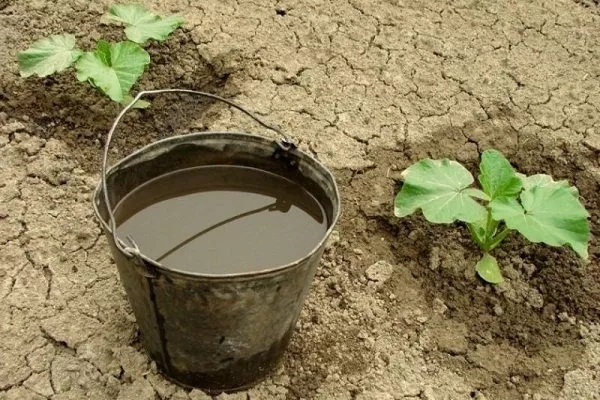
If adding organic fertilizer (cow manure or chicken manure diluted in water) increases soil acidity, it will need to be reduced with wood ash. This can be simply sprinkled over the surface of the bed or added during watering, after preparing a solution of 2 cups of ash per bucket of water.
Thinning
This procedure is only useful when sowing seeds directly into open ground. It's done when the first shoots emerge. If three or four plants emerge in a single hole, one or two of the strongest should be left.
Thinning of seedlings is only done after several leaves have formed. Weak plants should not be pulled out, as this could cause irreparable damage to all the roots. Instead, they should be carefully cut off at ground level with pruning shears.
Bush formation
To ensure a good harvest, it's essential to pay close attention to the vines. This involves the following steps:
- As the pumpkin grows, it produces numerous twining stems, which anchor themselves in the soil with tendrils and supply the plant with nutrients along their entire length. Once the plant has grown, cover the tendrils with soil and water them. Do not move or trim them.
- Once the main stem reaches 1.5 m in length, it needs to be pinched.
- When shaping the bushes, leave two shoots on each. The rest should be carefully plucked.
- Leave 2-3 ovaries on each plant, as more fruits will not have time to ripen. To achieve this, pinch the stems 50 cm above the fruit.
- In several places, pin the vines to the ground and sprinkle with a layer of soil to speed up root formation and promote fruit growth.
For better development in the fall, place a board or brick under each vegetable. A more complex option is to hang the fruit in a net from a support.
Pest control
Pumpkin isn't the most appealing food for pests. If they do appear, they typically appear at the end of the growing season, when the plant is finishing its life cycle. Among these pests are:
- pumpkin glass jar;
- South American leaf beetles;
- edgers or diamondbacks.
The first pest poses the greatest danger, as it eats stems from the inside. Once it attacks a plant, the plant's chances of survival are slim. These pests must be controlled mechanically. This means regularly inspecting the plantings and manually removing any pests found.
Harvesting and storage
The harvest should be from September to October, inclusive, before the first frost. The following signs indicate the fruit's biological maturity:
- the appearance of a clear pattern on the hardened crust;
- drying out of the peduncle.
It's best to harvest ripe fruit from the garden in dry weather. They should be carefully cut with a short stalk (5-6 cm) attached, which helps them store longer.
The harvested fruits must be properly sorted. Those that have mechanical damage or have not reached technical maturity must be processed immediately, while the rest can be stored for the winter. storageAdditionally, they should be dried in a warm room or kept in the sun for 2 weeks.
Until the cold weather sets in, the pumpkins can be stored on a balcony or in a dry room. Ensure that the nighttime temperature does not drop below 5…8ºC. Once the cold weather arrives, the pumpkins should be moved to a warm place. A large harvest can be stored in the garden, in a trench, covered with a thick layer of straw and covered with soil. It's important to leave openings for air circulation.
Fruits in storage must be inspected regularly to detect signs of spoilage in a timely manner, remove damaged specimens, and consume them.
Pros and cons
Pumpkin Vitaminnaya is one of the leaders among nutmeg varieties due to the following advantages:
- high yield rates (up to 9 fruits can be obtained from 3 seedlings);
- rapid rooting of seedlings in open ground and active flowering;
- resistance to various diseases and pests;
- good transportability;
- excellent taste qualities for preparing various dishes.
The disadvantages of this variety of melons include:
- excessive love of heat (pumpkin is mainly adapted to the weather conditions of the southern regions, therefore it dies at cold temperatures);
- late ripening period;
- active growth (the plant takes up a large area of the garden bed due to its strong stems, spreading leaves and heavy pumpkins).
Pumpkin grows in all directions and spreads out across the entire bed, so dense planting should not be allowed.
Reviews of the variety
The video below also tells about the experience of growing the Vitaminnaya pumpkin:
The Vitaminnaya pumpkin is highly prized by pumpkin lovers for its excellent taste and rich content of folate, carotene, vitamins, and minerals. It can be easily grown by residents of warmer regions, as it is a heat-loving, late-season melon variety. In unfavorable weather conditions, pumpkins can be grown from seedlings in a greenhouse.